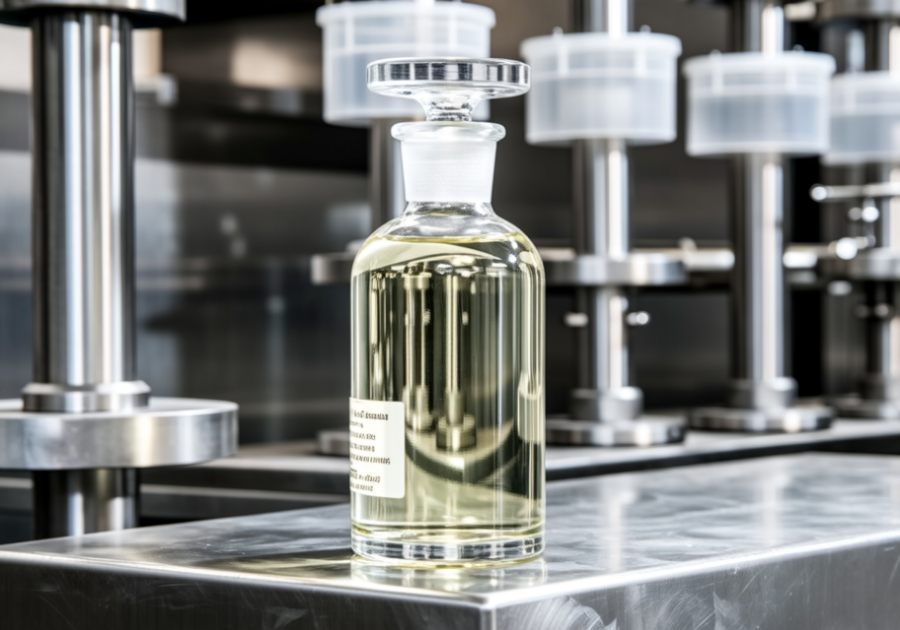
What is Cellulose Gum? Risks, Benefits, and Uses
Many people notice the name cellulose gum on ingredient labels and wonder what it is doing in everyday foods. It shows up in everything from ice cream to salad dressings, so understanding what it is—and why it’s added—can help you make more informed food choices.
What Cellulose Gum Is
Cellulose gum is a plant-based food additive used to thicken, stabilize, and hold ingredients together. In simple terms, it helps foods keep the texture and consistency we expect. Without ingredients like this, oil and water would separate in sauces, flavored drinks would settle, and many foods would not feel as creamy or uniform.
How It’s Made
The starting point for cellulose gum is cellulose—the natural fiber that forms the structure of plants such as cotton and trees. Manufacturers extract cellulose from these sources, then treat it with salt and a gentle form of acetic acid (the same acid that gives vinegar its tang). The result is a fine, white powder. Only a very small amount is needed in a recipe, which is why it tends to appear near the end of ingredient lists.
Why Food Companies Use It
Cellulose gum has become popular because it can improve texture without adding fat. It creates a creamy mouthfeel in foods that would otherwise need cream or oil. For people trying to cut back on calories or fat, products made with cellulose gum can offer a richer texture without the extra heaviness.
It is also used to help people feel fuller for longer, as fiber can slow digestion slightly. That is why it appears in some “light” or diet-style foods and beverages. In drinks, cellulose gum adds mild thickness and helps keep fruit pulp or flavor evenly suspended, allowing reduced-sugar or low-calorie juices to mimic the feel of the original versions.
If you enjoy frozen desserts, you’ve probably benefited from cellulose gum without realizing it. It helps prevent large ice crystals from forming, which reduces freezer burn and keeps products like ice cream smooth even after being in the freezer for a while.
Points to Consider
Cellulose gum may appear under several names, including carboxymethyl cellulose (CMC) or cellulose gel. While it is widely approved for use and generally considered safe, it is still an additive—not a whole food. Research published in 2015 suggested that certain forms of modified cellulose might influence gut bacteria and could irritate the intestinal lining in large, long-term amounts. The Food and Drug Administration has classified cellulose gum as safe, and allergic reactions are rare. It also doesn’t provide nutrients, so while it may not be harmful for most people, it doesn’t offer health benefits on its own.
As with many food ingredients, the broader concern is less about cellulose gum itself and more about how often someone relies on highly processed foods where these additives commonly appear.
Final Thoughts
Cellulose gum has been evaluated by global food safety authorities—including the European Food Safety Authority—and is considered safe at the levels used in foods. It offers manufacturers a plant-based way to improve texture, reduce fat, and maintain product quality. For consumers, it means smoother ice cream, stable salad dressing, and low-calorie foods that still feel satisfying.
Looking for chemical products? Let suppliers reach out to you!
You May Interested In


Glow70/KLOW80 99% China Peptides Warehouse Direct Delivery Lyophilized Powder in Stock
$169/UNIT FOB


2026-10-25
Trade Alert
Delivering the latest product trends and industry news straight to your inbox.
(We'll never share your email address with a third-party.)

Related News
-
Fluorine-Free Superhydrophobic Coating Made from Cellulose Nanofibrils
-
What is Modified Cellulose? Uses, Health Risks
-
What is the Commonality of Cellulose Ether?
-
What is Cellulose Ether?
-
Cellulose in Food: The Importance, Sources, and Benefits of this Essential Dietary Fiber
-
Benzoylecgonine: Detection and Testing Methods
-
Why You Should Never Mix Bleach and Vinegar
-
Understanding the Arsenate Symbol and Its Uses
-
What Color Should a Zinc-Copper Couple Be?
Recommend Reading
-
![Business Society Butadiene Daily Review: Fluctuating Within a Range on August 6, 2026]()
Business Society Butadiene Daily Review: Fluctuating Within a Range on August 6, 2026
-
![Business Society Styrene Daily Review: August 7, 2026—Fluctuating with a Slight Tendency to Strengthen]()
Business Society Styrene Daily Review: August 7, 2026—Fluctuating with a Slight Tendency to Strengthen
-
![Business Society’s Hydrofluoric Acid Market Outlook on September 10, 2026: Volatile]()
Business Society’s Hydrofluoric Acid Market Outlook on September 10, 2026: Volatile
-
![Geopolitical and Supply Disruptions Bring Positive Impact, Oil Prices Jump Nearly 3% on Friday]()
Geopolitical and Supply Disruptions Bring Positive Impact, Oil Prices Jump Nearly 3% on Friday
-
![Business Society’s September 10, 2026 Styrene Market Outlook: Volatile Trend]()
Business Society’s September 10, 2026 Styrene Market Outlook: Volatile Trend