What Is Cyanuric Acid for Pool and Why Do You Need It?
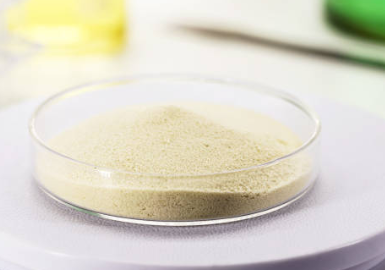
Cyanuric acid for pool is always a hot topic discussed by pool owners. Cyanuric acid is a compound commonly used in swimming pools and spas, which is added to water to prevent the decomposition of chlorine by the sun's ultraviolet rays.
This compound helps conserve pool water and plays an important role in ensuring clean, clear water. This article provides an overview of cyanuric acid, its uses, benefits, and suitable levels for pools.
What is Cyanuric Acid?
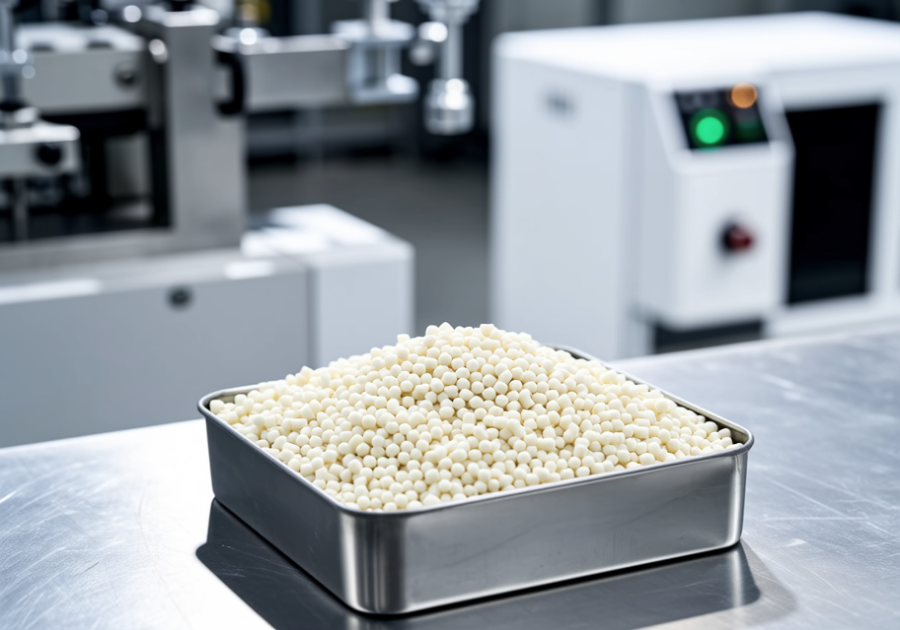
Cyanuric Acid (CYA) is a pool-balancing product that makes chlorine last longer. Chlorine is not stable in its natural form and will break down when exposed to sunlight. The addition of cyanuric acid reduces the effect of sunlight on chlorine loss. The longer chlorine is in the pool water, the longer it can kill bacteria and disinfect the water. In the pool industry, cyanuric acid for pool is known as a chlorine stabilizer or pool conditioner. Many solid chlorinated products such as granules and tablets contain CYA. These multifunctional products reduce the number of steps required for pool owners to maintain their pools.
Also, liquid chlorination products typically do not contain the beneficial CYA commonly found in tablets and granules. Pool owners who use chlorinated solutions as a disinfecting product may need to add a separate stabilizer to make the chlorine last longer.
Why You Need Cyanuric Acid for Pool?
Cyanuric acid for pool will decrease the sum of chlorine that's devastated by the sun's UV beams. CYA makes a difference in your chlorine final longer, which suggests your chlorine can sanitize your pool water longer. If you have an outdoor pool without CYA or a stabilizer, your chlorine will disseminate in a couple of hours, taking off your pool unprotected and unsensitized. In truth, it as it were takes 17 minutes of introduction to UV beams to crush half of your chlorine. Envision a chlorine tablet losing half of its chlorine in a brief time!
Pools with exceptionally moo or no cyanuric corrosive involvement “chlorine demand,” or the failure to preserve chlorine levels. No matter how much chlorine you include, the levels drop rapidly. Chlorine without CYA, also known as unstabilized chlorine, is rapidly destroyed by UV beams. Including a stabilizer makes a difference in your chlorine final 3-5 times longer.
But not each pool proprietor has to stress approximately CYA levels. Since cyanuric corrosive can protect pools from chlorine in the sun, it's true as it was required for open-air pools (or indoor pools with a few bright light presentations). CYA remains in a swimming pool for a long time, indeed after the water dissipates. So, using cyanuric acid in your swimming pool is necessary.
What Are the Right CYA Levels for Pool?
It is critical to master the right level of cyanuric acid for pool. Studies show that levels above 50 ppm do not provide additional UV protection against free chlorine. Additionally, above this amount, chlorine's ability to kill pathogens can be significantly reduced. It is crucial to make a balance of the cyanuric acid level in the swimming pool. A good balance is a free chlorine (disinfectant) level of 7.5% of CYA (stabilizer).
For example, if the stabilizer level is 50 ppm, the disinfectant should be around 3 ppm. The actual amount you add to your pool will depend on how much water and how much chlorine you have in your pool. Approximately 4 pounds of CYA per 30 ppm per 10,000 gallons is required and should be increased. In a word, it is not recommended to add too many or too few CYA in your swimming pool. Both will cause different impacts. A suitable Proportion of cyanuric acid and water according to the volume of your pool is the correct choice.
Conclusion:
In summary, using cyanuric acid for pool is necessary. Cyanuric acid acts as a stabilizer for chlorine, preventing it from rapidly breaking down and losing its effectiveness. However, it's vital to use the correct amount of cyanuric acid and test your pool water regularly to ensure levels remain within the recommended range. Overall, using cyanuric acid responsibly helps ensure a clean and enjoyable swimming experience for everyone. Hope this is helpful if you are just wondering how to use cyanuric in your swimming pool.
Looking for chemical products? Let suppliers reach out to you!
You May Interested In


Glow70/KLOW80 99% China Peptides Warehouse Direct Delivery Lyophilized Powder in Stock
$169/UNIT FOB


2026-10-24
Trade Alert
Delivering the latest product trends and industry news straight to your inbox.
(We'll never share your email address with a third-party.)

Related News
-
Cyanuric Acid for Pools, Makes Your Pools Clean and Safe
-
What does cyanuric acid do in a pool and its benefits?
-
What Do You Understand by the Question What Is Cyanuric Acid?
-
What is cyanuric acid for pools-Factors to Consider
-
Nature’s Blueprint, Science’s Edge: Corteva Unveils Twin Breakthroughs to Tackle the $70 Billion Insect Threat
-
Applications of Copper Sulfate Pentahydrate
-
Chemical Properties and Uses of Tetraetil
-
Sulfur Hexafluoride (SF6): Applications and Safety
-
Uses of Sodium Acetate Trihydrate
-
Key Reactions and Uses of Allene
Recommend Reading
-
![Sodium Alginate: Properties, Uses, and Benefits]()
Sodium Alginate: Properties, Uses, and Benefits
-
![What are Acetoglycerides? (Definition & Food Industry Uses)]()
What are Acetoglycerides? (Definition & Food Industry Uses)
-
![What is Aconitic Acid? (Chemistry & Occurrence)]()
What is Aconitic Acid? (Chemistry & Occurrence)
-
![Tert Butylate: Properties and Applications]()
Tert Butylate: Properties and Applications
-
![Calcium Sulfate: Properties, Uses, and Applications]()
Calcium Sulfate: Properties, Uses, and Applications
-
![Business Society October 10, 2026 Hydrogen Peroxide Trend Analysis: Volatility]()
Business Society October 10, 2026 Hydrogen Peroxide Trend Analysis: Volatility
-
![Business Society’s October 13, 2026 Natural Rubber Market Outlook: Strong Price Rally]()
Business Society’s October 13, 2026 Natural Rubber Market Outlook: Strong Price Rally
-
![Business Society October 10, 2026 ABS Market Outlook: Clear Uptrend]()
Business Society October 10, 2026 ABS Market Outlook: Clear Uptrend
-
![Business Society October 12, 2026 BDO Trend Analysis: Volatile Consolidation]()
Business Society October 12, 2026 BDO Trend Analysis: Volatile Consolidation
-
![Business Society October 9, 2026 Maleic Anhydride Trend Analysis: Volatility]()
Business Society October 9, 2026 Maleic Anhydride Trend Analysis: Volatility