Sodium Alginate: Properties, Uses, and Benefits
If you’ve eaten a gelled dessert, used a thickened sauce, or seen a wound dressing that keeps a moist environment, there’s a good chance sodium alginate played a role. It’s a simple, plant-derived polymer that performs reliably as a thickener, stabilizer, and gelling agent — and it does so while being biodegradable and generally well tolerated.
Where it comes from and what it looks like
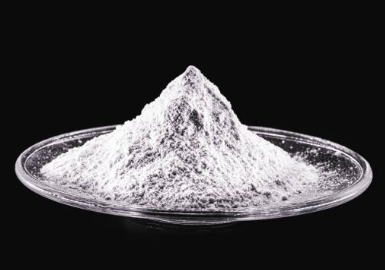
Sodium alginate is extracted from brown seaweeds. In its powder form it’s a fine, off-white to beige powder that dissolves in water to give a viscous solution. What makes it interesting is not the powder itself but how it behaves in the presence of calcium ions — it sets into a soft gel. That property is what chefs use for spherification and what formulators use to control texture in foods and drug delivery systems.
Understanding the chemistry — plain language version
At the molecular level, sodium alginate is a chain of two kinds of sugar acids. The relative amounts and order of these units change how firm or flexible the gel will be. When calcium touches the chains, they link together and a network forms — that’s the gel. This explains many of the Sodium Alginate chemical properties you’ll hear about: viscosity, gel strength, and stability across pH ranges.
Real-world uses — especially in food
Talking about Sodium Alginate uses in food is where this ingredient shines. Food technologists rely on it to:
- Improve mouthfeel in low-fat or dairy products by thickening without greasiness.
- Stabilize emulsions so sauces and dressings don’t separate over time.
- Create spheres of liquid in modernist cooking (spherification) — think “liquid caviar” or juice pearls.
It’s favored because it imparts texture without changing flavor and works at room temperature, which is handy in many recipes and processes.
| Sector | Function | Examples |
|---|---|---|
| Food | Thickening, gelling, stabilizing | Ice cream, sauces, spherification |
| Pharma | Controlled release, wound dressings | Tablets, hydrogels, dental materials |
| Industrial | Printing pastes, adhesives | Screen printing, textiles |
Pharma applications — practical note
In the pharmaceutical world, Sodium Alginate in pharma is prized for gentle handling and biocompatibility. It forms hydrogels that can carry drugs and release them slowly, or form dressings that absorb exudate while keeping wounds moist — a helpful combination for healing. Regulatory agencies have reviewed alginate-based materials for many years, and products that meet purity standards are widely accepted in medical use.
Comparing terms: Sodium alginate vs algin
The phrase Sodium Alginate vs Algin pops up often. To keep it simple: “algin” usually refers to the native alginic acid found in seaweed. Converting that to the sodium salt — sodium alginate — makes it water-soluble and much more useful in formulations. Think of algin as the raw ingredient and sodium alginate as the ready-to-use form.
Benefits and practical tips
The main advantages are straightforward: it’s plant-based, versatile, and functional across a range of food and medical products. A few tips for practical use:
- Hydrate it fully to avoid lumps — sprinkling on while stirring helps.
- Adjust calcium concentration to tune gel firmness for your application.
- Check supplier specifications for viscosity and M/G (mannuronic/guluronic) ratio when consistency matters.
Safety and sourcing
When sourced and processed appropriately, sodium alginate is considered safe for food and many medical uses. Agencies such as the FDA and EFSA have evaluated its use; manufacturers should follow purity and contaminant guidelines to ensure product safety.
Final thoughts
Sodium alginate quietly underpins a lot of textures and technologies we take for granted — from creamy ice cream to dressings that help wounds heal. Its combination of simplicity, reliability, and eco-friendly origins makes it a handy tool for anyone working with food textures or biomedical materials. If you’re experimenting in the kitchen or designing a formulation, it’s worth learning how a little calcium can do a lot.
Looking for chemical products? Let suppliers reach out to you!
You May Interested In


2026-10-04
Trade Alert
Delivering the latest product trends and industry news straight to your inbox.
(We'll never share your email address with a third-party.)

Related News
-
Current status and application prospects of sodium alginate
-
Sulfuric Acid Reactions: With Sugar (Dehydration), Water, and Metals
-
What is Serine? (Amino Acid Function & Sources)
-
Benzyl Alcohol: Uses in Cosmetics, Preservative Efficacy, and Safety
-
Ammonia Chemical Formula: NH3 Structure & Properties
-
Methylamine: Chemical Properties, Synthesis, and Industrial Applications
-
Melamine: Toxicity, Industrial Resin Uses, and Food Safety Scandals
-
Oxalic Acid: Acidity (pKa), Sources, and Kidney Stone Risk
-
What is a Surfactant? (Definition, Types, and How They Work)
-
Potassium Hydroxide (KOH): Soap Making, Batteries, and Safety
Recommend Reading
-
![Magnesium Chloride (MgCl₂): Properties, Uses, and Applications]()
Magnesium Chloride (MgCl₂): Properties, Uses, and Applications
-
![Flavin Adenine Dinucleotide (FAD): Functions and Applications]()
Flavin Adenine Dinucleotide (FAD): Functions and Applications
-
![Dicalcium Phosphate: Properties, Uses, and Applications]()
Dicalcium Phosphate: Properties, Uses, and Applications
-
![A New Weapon Against Spider Mites: Canada Moves to Approve Novel Miticide for Greenhouse Growers]()
A New Weapon Against Spider Mites: Canada Moves to Approve Novel Miticide for Greenhouse Growers
-
![Uses and Benefits of Sodium Selenite]()
Uses and Benefits of Sodium Selenite
-
![Short-term correction in lithium carbonate, medium to long-term logic remains unchanged]()
Short-term correction in lithium carbonate, medium to long-term logic remains unchanged
-
![In the first half of April, China's titanium dioxide market prices increased]()
In the first half of April, China's titanium dioxide market prices increased
-
![Formic Acid Moving Averages Set to Cross Upward—Rising Trend May Be About to Begin]()
Formic Acid Moving Averages Set to Cross Upward—Rising Trend May Be About to Begin
-
![Phosphate Market Prices Rise in the First Half of April (April 1–April 15)]()
Phosphate Market Prices Rise in the First Half of April (April 1–April 15)
-
![Geopolitical Deadlock and Tightening Inventories Drive Crude Oil Prices Higher on Friday]()
Geopolitical Deadlock and Tightening Inventories Drive Crude Oil Prices Higher on Friday