Rising Sugary Drink Consumption in Sub-Saharan Africa Alarms Health Researchers
A recent study reveals that Sub-Saharan Africa has experienced the most substantial surge in the consumption of sugar-sweetened beverages, including sodas and energy drinks, since 1990. The study emphasizes that what people consume is a critical factor in health and health equity, and the soaring intake of sugary drinks is a "priority concern" due to its associations with obesity, cardiovascular disease, type 2 diabetes, cancer, and dental issues.

This study, available in open access and published in Nature Communications, assessed sugary drink consumption among adults from 1990 to 2018 in 185 countries. The research categorized the findings by age, gender, education level, and rural/urban residence, using data sourced from the Global Dietary Database.
The study's findings highlighted that men consumed more sugary drinks than women, while younger individuals had a higher intake compared to older ones. Moreover, people with higher educational levels and those residing in urban areas showed greater consumption of sugary beverages compared to their counterparts in rural areas.
On a global scale, the most significant increase in sugary drink consumption between 1990 and 2018 was observed in Sub-Saharan Africa. The disparities in consumption linked to education and urban living were also most pronounced in Sub-Saharan African nations.
The researchers noted, "Sugar-sweetened drink intakes increased between 1990 and 2018 by 0.37 servings a week, with the largest increase in Sub-Saharan Africa, and an overall decrease in Latin America/Caribbean." They further highlighted the growing public health concern associated with sugary drinks in Sub-Saharan Africa and emphasized the need for intervention, surveillance, and policy actions worldwide.
In this study, sugar-sweetened drinks encompassed beverages with added sugars and providing more than 50 kcal per 8 oz serving. This category included both commercial and homemade beverages, soft drinks, energy drinks, fruit drinks, punch, lemonade, and aguas frescas (a popular sweetened drink in Mexico and other Latin American countries). Notably, it excluded 100% fruit and vegetable juices, non-caloric artificially sweetened drinks, and sweetened milk.
The researchers pointed out that Sub-Saharan Africa's economic growth and expanding middle class have made it an attractive target for the marketing of sugar-sweetened beverages by the industry. The drink industry has often directed intensive marketing campaigns toward historically marginalized populations.
Among the 25 most populous countries studied, the largest disparities in sugary drink intake between highly educated and less-educated adults were seen in Pakistan, Nigeria, and Ethiopia, with the more educated adults typically consuming more than three servings a week compared to their less-educated counterparts.
To address this issue, the researchers advocate for informed dietary guidelines and preventive measures such as sugar taxes, warning labels, and marketing restrictions. They stress the importance of targeting specific subgroups and demographics, including younger adults worldwide, highly educated adults in Sub-Saharan Africa, and less-educated adults in the Middle East and North Africa.

The World Health Organization (WHO) recommends taxing sugar-sweetened drinks as an effective measure to reduce consumption. Currently, 108 countries worldwide have implemented sugary drink taxes, covering 52% of the global population. However, most of these policies were introduced or updated after 2017, which is not reflected in this study's data. Notably, South Africa has a sugary drink tax in place, but no other Sub-Saharan African country has adopted such a tax.
The researchers also expressed concern over the food and beverage industry's efforts to undermine or obstruct sugary drink taxes through various means, including discrediting research findings, funding biased industry research, using misleading summaries, employing marketing tactics, and making false claims regarding potential adverse social consequences, such as significant job losses.

You May Interested In


High Quality β-Nicotinamide adenine dinucleotide CAS 53-84-9 NADwith ready stock and best price
$3E+1/UNIT FOB


2026-10-24
Trade Alert
Delivering the latest product trends and industry news straight to your inbox.
(We'll never share your email address with a third-party.)

Related News
-
German Chemical Industry Posts Q2 Rebound but Capacity Utilization Remains at 73.2%
-
Asian Paints Dives Deeper into the Desert: Unveils Second UAE Plant to Dominate GCC Coatings Market
-
“Fake Fame” in a Forgotten Dock: Chinese Authorities Bust $100,000 Counterfeit Building Materials Ring
-
From Rust to Recharge: Novonix Ignites America’s Graphite Independence with Twin Mega-Plants in Chattanooga
-
Brazil Slams Chinese Butyl Acrylate with Anti-Dumping Probe—Trade Tensions Heat Up in Specialty Chemicals
-
Xampla and DIC to Introduce PFAS-Free Morro Coating to Asia
-
Iran Closes Strait of Hormuz to All Vessels: Global Chemical Trade Gets Choked
-
Sumitomo Reclaims Dunlop’s Throne in Southeast Asia—Full Brand Rights Snapped Up Across Malaysia, Singapore, and Brunei
-
Chemical Tanker Explodes Off Oman Coast, Maritime Security Risk Escalates Again
-
EU Eyes Rare Trade Tool as PET, Epoxy Resin and Glass Fibre Face Import Curbs
Recommend Reading
-
![Urea Prices Surge as India Faces Critical Shortages: Will China’s Export Quotas Provide Relief?]()
Urea Prices Surge as India Faces Critical Shortages: Will China’s Export Quotas Provide Relief?
-
![Lotte Chemical Jumps Nearly 13% as Korean Petrochemical Stocks Rally on Supply-Tightening Bets]()
Lotte Chemical Jumps Nearly 13% as Korean Petrochemical Stocks Rally on Supply-Tightening Bets
-
![Huide Technology Partners with U.S. Firm to Open the Door to Mass Production of Circular TPU]()
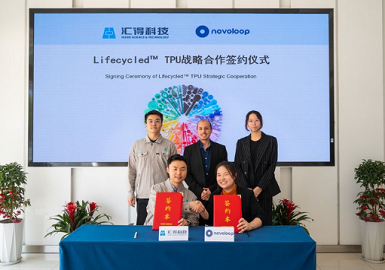
Huide Technology Partners with U.S. Firm to Open the Door to Mass Production of Circular TPU
-
![Chemours Sells Its Former Titanium Dioxide Site in Taiwan: Turning a “White Powder” Factory into “Wind Power Real Estate” for $360 Million—Buying Not Cash, But Breathing Room]()
Chemours Sells Its Former Titanium Dioxide Site in Taiwan: Turning a “White Powder” Factory into “Wind Power Real Estate” for $360 Million—Buying Not Cash, But Breathing Room
-
![The “Counter-Wind Ledger” of CHF 11.2 Billion: Sika Barely Grew in 2025—Yet Kept Taking Market Share]()
The “Counter-Wind Ledger” of CHF 11.2 Billion: Sika Barely Grew in 2025—Yet Kept Taking Market Share
-
![Business Society October 12, 2026 Melamine Trend Analysis: Strong Rebound]()
Business Society October 12, 2026 Melamine Trend Analysis: Strong Rebound
-
![Business Society October 12, 2026 Ammonium Sulfate Trend Analysis: Clearly Downward]()
Business Society October 12, 2026 Ammonium Sulfate Trend Analysis: Clearly Downward
-
![Business Society October 12, 2026 Styrene Trend Analysis: Volatile with a Slight Upward Bias]()
Business Society October 12, 2026 Styrene Trend Analysis: Volatile with a Slight Upward Bias
-
![Business Society October 12, 2026 Hydrofluoric Acid Trend Analysis: Volatility]()
Business Society October 12, 2026 Hydrofluoric Acid Trend Analysis: Volatility
-
![Business Society October 12, 2026 Cyclohexanone Trend Analysis: Volatile with a Slight Bullish Bias]()
Business Society October 12, 2026 Cyclohexanone Trend Analysis: Volatile with a Slight Bullish Bias