Is Plastic a Conductor or Insulator: Ultimate Guide 2023
In the daily use of plastic products, you may ask the question is plastic a conductor or insulator? If so, you are on the right page. In this article, we’ll explain what plastic is made of and whether is it a conductor or insulator. Also, the common application of plastic will be introduced here. Go on reading to get the confirmed answer.
What is Plastic Made of
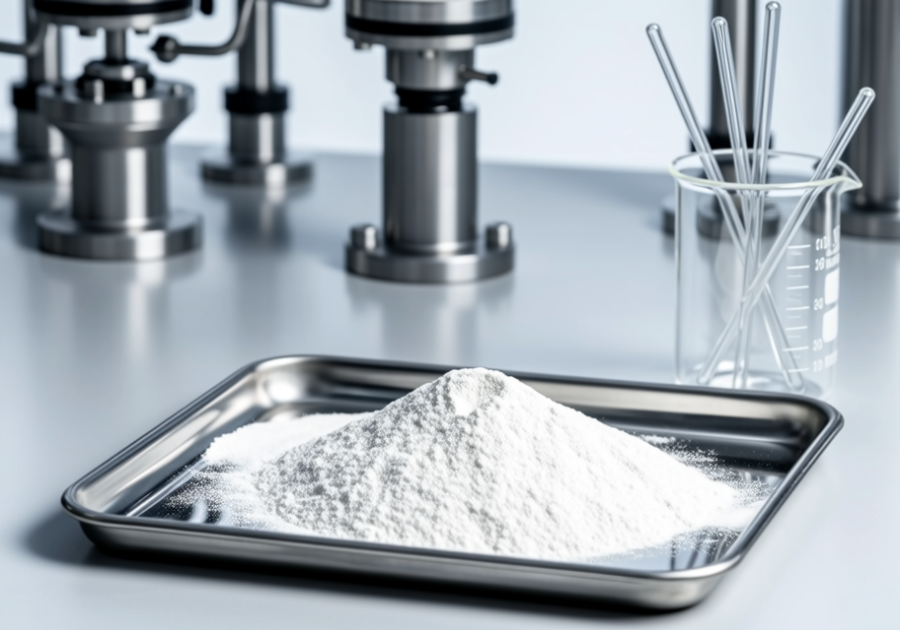
Plastics are polymers that can be sculpted or molded into a flexible material. Polymers, which are long, repeating chains of macromolecules, produce plastic. The macromolecular chains are tightly linked and therefore extremely flexible. This is why plastic can be molded into different shapes and sizes. Any current passing through is extremely difficult because the molecules are so tightly bound together. Macromolecules also restrict the movement of thermal energy.
Meanwhile, plastics are also organic polymers, which means they are made up of carbon, hydrogen, and sometimes several other elements. Plastics can be molded into many different shapes because their long chains of atoms combine tightly to form a flexible solid. Some plastics are thermoset, meaning they can only be molded once, while others are thermoplastics, which can be heated and re-molded many times. After learning what is plastic made of, it is time to figure out the answer to the question is plastic a conductor or insulator. Find the confirmed answer in the following part.
Is Plastic A Conductor or Insulator
Is plastic a conductor or insulator? The answer is that plastic is an insulator, which means it doesn't let electricity or heat pass through. This also means that plastic is a good material choice for some electrical components and systems.
Plastics are used in various applications around the home where heat transfer needs to be limited or prevented, such as hollow wall insulation, kitchen utensils, cookware, and tableware.
The thermal conductivity of the plastics changes significantly. Due to their low thermal conductivity, polyurethane, and polystyrene are the two most commonly used plastics. Some synthetic polymers are specifically designed to act as conductors with high conductive properties. On the other hand, plastics are mainly used as electrical and thermal insulators. An outer plastic sheath is applied to the cables intended to carry current. The outer plastic cover acts as a barrier.
Cases of Plastic as An Insulator
Now you may get to know the answer to the question is plastic a conductor or insulator. The characteristics of plastic as an insulator makes it have a variety of usages. Here, check several common utilities of insulator plastic in our life.
1. Electrical cables
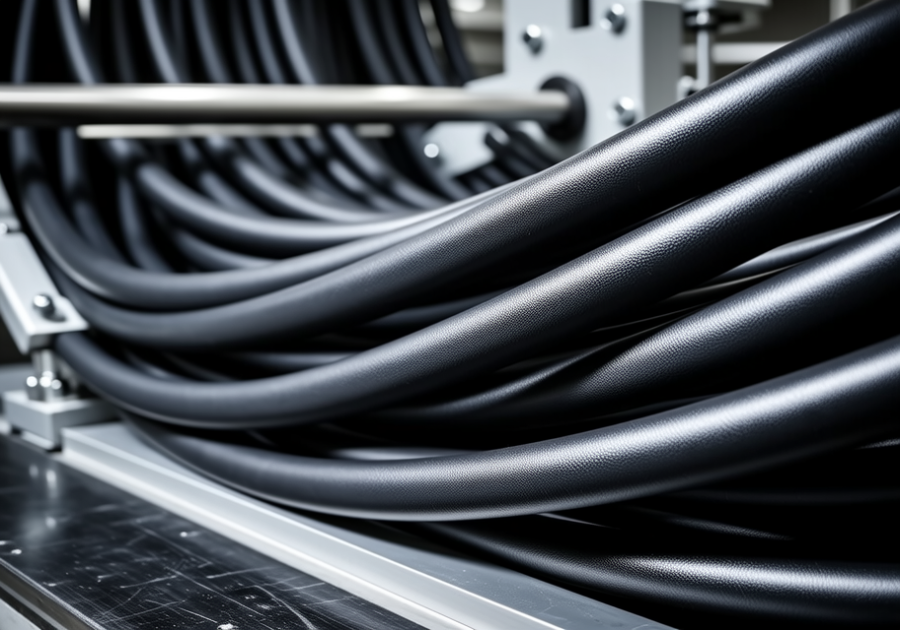
The cables used to carry the current are covered by an outer plastic sheath. The outer plastic sheath acts as a layer between the copper or metal core and the outer surface of the cable. This provides adequate insulation between the different conductors of the cable and prevents any breakdown or short circuit from occurring.
2. Electronic components
The insulator and the contactor body are mainly made of plastic to eliminate the risk of electric shock. They are everyday components used in the electrical circuits that control machines and equipment.
3. Electrical Tape
Electrical tape is another application where plastic materials are used to insulate and protect from the risk of electric shock.
Other FAQs about Plastic as An Insulator
Apart from the question is plastic a conductor or insulator, there are also other related questions people would like to ask frequently. Have a look at them and obtain the answers.
1. Does plastic conduct electricity?
No, plastics do not conduct electricity, for the high value of resistance they possess. Actually, plastics have little or no free electrons.
2. Does plastic conduct heat?
No, plastics are poor conductors of heat. Unlike metals, plastic has almost no free electrons to conduct heat.
3. Is plastic better than wood as an insulator?
Plastic is considered a better heat insulator than wood because it can resist moisture and water. When wood gets wet, it can actually conduct electricity.
4. Is plastic a good conductor?
No, plastic is not a good conductor. Generally speaking, materials that conduct heat well are good conductors of electricity. For example, (clean) air, water, plastic, glass, and ceramics are all conductors, but (clean) air, water, plastic, glass, and ceramics are insulators.
Conclusion
After scanning the information provided in this article, it is believed that you have got an answer to the question is plastic a conductor or insulator. By learning that, you can better utilize plastic materials in your daily life and make the usage safer and more beneficial.
Looking for chemical products? Let suppliers reach out to you!
You May Interested In


2026-10-02
Trade Alert
Delivering the latest product trends and industry news straight to your inbox.
(We'll never share your email address with a third-party.)

Related News
Recommend Reading
-
![Game Theory Does Not Change Stability, China's Acrylic Acid Market Operates with Balanced Supply and Demand]()
Game Theory Does Not Change Stability, China's Acrylic Acid Market Operates with Balanced Supply and Demand
-
![This week, the soda ash market in China has been operating weakly]()
This week, the soda ash market in China has been operating weakly
-
![This Week’s Petrocoke Market Prices Rise]()
This Week’s Petrocoke Market Prices Rise
-
![Styrene-Butadiene Rubber Market Faces Weak and Volatile Trends]()
Styrene-Butadiene Rubber Market Faces Weak and Volatile Trends
-
![December Cyclohexane Market Operates Weakly, Lacking Momentum for Price Increases]()
December Cyclohexane Market Operates Weakly, Lacking Momentum for Price Increases