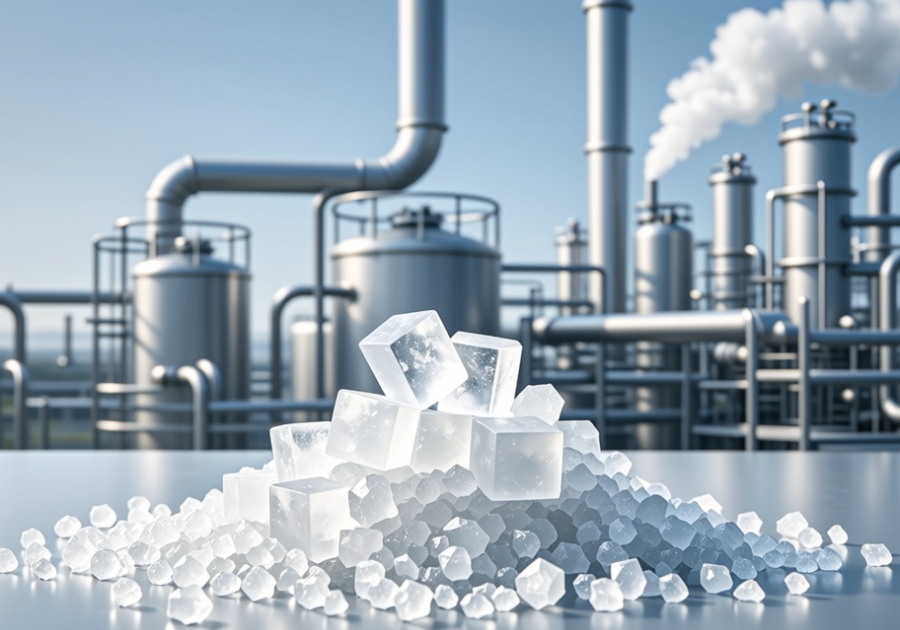
Do You Know What is Polyurethane used for | Detailed Explainer
Do you know what is polyurethane used for? What are its basics? All is explained in this article.
Introduction:
A well-known personality, Professor Dr. Otto Bayer developed polyurethanes in the 1930s. We are pretty sure that you might have seen products made of Polyurethane in your lifetime. This is because polyurethane is one of the most varied types of synthetic resin now on the market and is utilized in countless household and industrial goods all over the world.
What is Polyurethane?
Polyurethane is primarily composed of two chemical substances: polymers and urethane. Urethane groups are used throughout the chemical reaction to connect polymers, resulting in a flexible solution with a wide range of possible morphologies. They are a group of polymers compromising organic building blocks which are linked together by a substance called carbamate bonds.
Unlike other commonly used popular polymers including polyethylene, and polystyrene, this one can be made from a variety of different starting ingredients. This specific chemical diversity gives it various chemical structures and allows it to have a wide range of applications. This is why millions of people utilize a sturdy, secure, and long-lasting product made of this polymer compound every day.
What is Polyurethane used for?
Polyurethanes are available in many varieties and all of them look very different. These different kinds of substances are utilized in a wide range of goods as well. This includes coatings, adhesives, mattresses, foam insulation, and shoe soles. However, each type's fundamental chemistry is essentially the same.
They are known to be excellent heat-resistant substance. They are extremely hard to dissolve when heated, in contrast to other potential synthetic substances. Because of this property, they can be used in appliances that produce enormous amounts of energy. This can include cars and refrigerators, without melting or becoming too hot. Even though the majority of polyurethane brands are heat resistant, there are a few compounds (thermoplastic polyurethanes) that can melt when heated.
The problems of energy conservation and eco-design can be solved in numerous ways because of polyurethanes' versatility and reputation as great insulators. The polyurethanes sector is now investigating ways to improve the energy efficiency of production processes and develop finished goods that may be used to save energy, such as building insulation, as part of its ongoing effort to lessen its environmental effect. These goods assist households and companies in lowering their energy costs while also promoting environmental protection. Future advancements in manufacturing techniques are probably going to lead to polyurethanes that are less expensive and even more environmentally friendly.
What is polyurethane used for? Well, another application of this substance is in the apparel industry where it is possible to create fine-looking threads out of polyurethane. They are transformed into thermoplastic elastomers and spandex fibers by a chemical procedure. Clothing that is elastic, light, and stain-resistant is produced by blending these fibers with substances like nylon.
The thermoplastic elastomers and spandex fibers are flexible and heat-resistant. Additionally, producers can paint them in a variety of colors. This feature qualifies them for the creation of fashionable clothing, accessories, and footwear. They are frequently employed to make athletic wear and swimwear. Customers are guaranteed exceptional quality and lifespan using polyurethane. Polyurethane adhesives can be added to improve their performance even more.
In construction, it is used in rubber flooring as a highly favored binding option. It makes rubber flooring more flexible, creating a sturdy surface with adequate cushioning to reduce the danger of major falls. Engineered to bind granules, it improves the look of floors and makes them durable and simple to maintain. Another important feature it provides for rubber flooring is durability. It's understandable why top local authorities on rubber surfacing, including Rubcorp, use polyurethane binder for a variety of rubber flooring applications, including residential and commercial structures, children's play areas, gyms, and sports facilities.
Conclusion:
This article talked about the question of what is polyurethane used for, its basics, and other related concepts. As we mentioned above, two chemical compounds polymers and urethane make up the majority of polyurethane. Throughout the chemical procedure, urethane groups are employed to link polymers, creating a flexible solution with a wide variety of potential morphologies. It is an amazing resource that is friendly to the environment and is polyurethane. Because of its adaptability and cyclical life cycle, it is advantageous to many different sectors. We sincerely hope you have found this blog post on polyurethane uses to be useful.
Looking for chemical products? Let suppliers reach out to you!
You May Interested In


Glow70/KLOW80 99% China Peptides Warehouse Direct Delivery Lyophilized Powder in Stock
$169/UNIT FOB


2026-10-16
Trade Alert
Delivering the latest product trends and industry news straight to your inbox.
(We'll never share your email address with a third-party.)

Related News
Recommend Reading
-
![Supply Contraction Drives Dichloromethane Prices to Remain Stable with a Steady Uptrend]()
Supply Contraction Drives Dichloromethane Prices to Remain Stable with a Steady Uptrend
-
![This Week's Styrene Market Weakens and Declines (4.20-4.24)]()
This Week's Styrene Market Weakens and Declines (4.20-4.24)
-
![Business Society’s MTBE Market Outlook on August 27, 2026: Volatile Consolidation]()
Business Society’s MTBE Market Outlook on August 27, 2026: Volatile Consolidation
-
![Geopolitical Storm Ignites Cost Surge, The Bull and Bear Struggle Behind PTA's Opening Limit Up]()
Geopolitical Storm Ignites Cost Surge, The Bull and Bear Struggle Behind PTA's Opening Limit Up
-
![Business Society’s Market Outlook for Ammonium Sulfate on September 1, 2026: Volatile with a Slight Bullish Bias]()
Business Society’s Market Outlook for Ammonium Sulfate on September 1, 2026: Volatile with a Slight Bullish Bias