EU Approves L-Valine Produced by Bacillus subtilis CGMCC 18932 as Feed Additive for All Animals
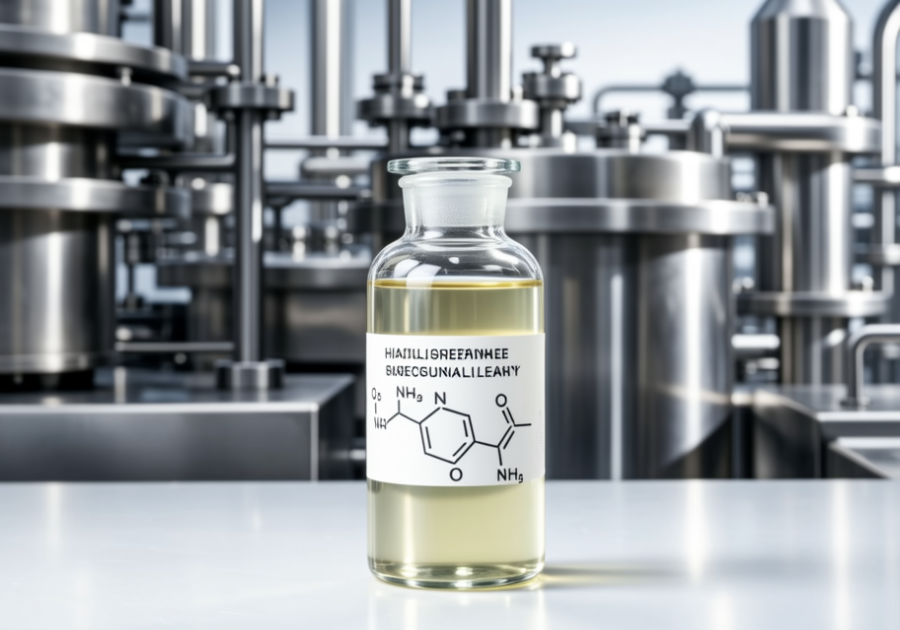
The European Union (EU) has recently granted approval for the use of L-valine, produced by Bacillus subtilis CGMCC 18932, as a feed additive for all animals. This decision, outlined in Regulation (EU) 2024/997, is based on the provisions of European Parliament and Council Regulation (EC) No 1831/2003. The authorization allows for the inclusion of L-valine in animal feed under the category of "nutritional additives" and the functional group of "amino acids, their salts, and analogues." This approval signifies an important development in enhancing the nutritional quality of animal feed.
Details of the Approval:
According to the official EU Gazette, the regulation was published by the European Commission on April 4, 2024. The authorization is valid until April 24, 2034. The specific conditions and requirements for the use of this additive are outlined in the attached document. As a feed additive, L-valine is expected to contribute to the overall nutritional balance and well-being of animals, supporting their growth and development.
Safety and Effectiveness Assessment:
The safety and effectiveness of L-valine produced by Bacillus subtilis CGMCC 18932 as a feed additive for all animals have been thoroughly evaluated by the EU. The assessment considered factors such as the quality and purity of the additive, its impact on animal health, and potential risks to human health through the consumption of animal products. Based on the rigorous evaluation, the EU has determined that L-valine derived from this specific strain of Bacillus subtilis meets the necessary safety standards and can be used as a feed additive without compromising animal or human health.
Implications and Benefits:
The approval of L-valine as a feed additive for all animals brings several notable benefits to the livestock and animal farming industries. L-valine is an essential amino acid that plays a crucial role in protein synthesis and metabolism. By incorporating L-valine into animal feed, farmers can optimize the nutritional content of the diet provided to their livestock, leading to improved animal growth, productivity, and overall health.
Furthermore, this approval by the EU paves the way for manufacturers and suppliers to develop and market feed products enriched with L-valine. It also promotes innovation in the animal nutrition sector, as researchers and companies explore the potential of using L-valine in combination with other additives to create tailored feed formulations that meet specific animal requirements.
The recent EU approval of L-valine, produced by Bacillus subtilis CGMCC 18932, as a feed additive for all animals marks a significant milestone in animal nutrition. This decision highlights the EU's commitment to ensuring the safety and quality of animal feed while promoting advancements in livestock welfare and productivity. By incorporating L-valine into animal diets, farmers can enhance the nutritional value of feed, contributing to the overall well-being and growth of animals. This approval opens up new opportunities for the animal nutrition industry, fostering innovation and driving the development of improved feed formulations for the benefit of farmers and consumers alike.

You May Interested In


High Quality β-Nicotinamide adenine dinucleotide CAS 53-84-9 NADwith ready stock and best price
$3/UNIT FOB


2026-10-11
Trade Alert
Delivering the latest product trends and industry news straight to your inbox.
(We'll never share your email address with a third-party.)

Related News
-
Korea Unlocks Additive Flexibility: New Rules Broaden Food Ingredient Horizons
-
Japan Tightens Tap: Pesticide Limits in Drinking Water Get a Safety Overhaul
-
Uganda Sets Sugar Standards: East African Drafts Define Sweetness and Safety
-
Thailand Clears the Path for Vitamin Use: Streamlined Approval for Supplements
-
Solvay's "Slimming Action": Soda Ash Production Capacity in Spain Slashed by 180,000 Tons, 77 Jobs to Go
-
Wacker Under Global Cost Pressure: Dual-Track Restructuring Through Layoffs, Consolidation, and Strategic Repositioning
-
Saudi Aramco Weighs Discounts of Up to $9/Barrel on Oman STS Crude as Freight Costs Surge
-
Honeywell Acquires Johnson Matthey Catalyst Business at a Discount, Cutting £475 Million from the Price
-
India Swings the Tariff Axe at Made-in-China: Epoxy Resins Are Just the Beginning—The Road for Chinese Chemicals Abroad Is No Longer Smooth
-
Japan Begins Construction of the World’s Largest Commercial Liquid Hydrogen Receiving Terminal
Recommend Reading
-
![South Korea Retires 1.39 Million Tonnes of Ethylene Capacity as Northeast Asia’s Petrochemical Reset Turns Real]()
South Korea Retires 1.39 Million Tonnes of Ethylene Capacity as Northeast Asia’s Petrochemical Reset Turns Real
-
![South Korea to Impose Anti-Dumping Duties on Caustic Soda: Chinese Mainland Firms Face Up to 22.21%, Taiwan Region 38.89%]()
South Korea to Impose Anti-Dumping Duties on Caustic Soda: Chinese Mainland Firms Face Up to 22.21%, Taiwan Region 38.89%
-
![Chung Lien Oil’s 8,000-Ton Soybean Oil BaP Scandal: NT$165 Million Fine, 401 Product Recalls, Source Still Unknown]()
Chung Lien Oil’s 8,000-Ton Soybean Oil BaP Scandal: NT$165 Million Fine, 401 Product Recalls, Source Still Unknown
-
![US-Iran Conflict Escalates Again as Oil Tops $90 and Petrochemical Feedstock Risks Return]()
US-Iran Conflict Escalates Again as Oil Tops $90 and Petrochemical Feedstock Risks Return
-
![Death Toll from Fire at China-Russia Amur Polyolefins Project Rises to 15 as Construction Continues]()
Death Toll from Fire at China-Russia Amur Polyolefins Project Rises to 15 as Construction Continues
-
![Business Society’s Market Outlook for Lithium Carbonate on September 2, 2026: Volatile]()
Business Society’s Market Outlook for Lithium Carbonate on September 2, 2026: Volatile
-
![In November, China's propylene oxide market first rose then fell]()
In November, China's propylene oxide market first rose then fell
-
![Business Society’s August 26, 2026 View on Isooctanol Market Trends: A Phase of Adjustment]()
Business Society’s August 26, 2026 View on Isooctanol Market Trends: A Phase of Adjustment
-
![Business Society’s September 1, 2026 Caustic Soda Market Outlook: Signals of Decline]()
Business Society’s September 1, 2026 Caustic Soda Market Outlook: Signals of Decline
-
![Styrene-butadiene rubber market conditions remain weak]()
Styrene-butadiene rubber market conditions remain weak