The Comparison of Alum Vs Ferric Chloride For Water Treatment
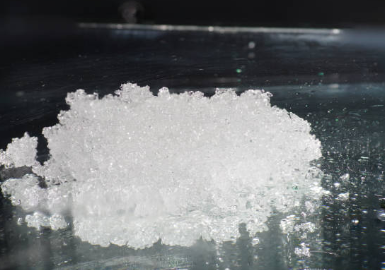
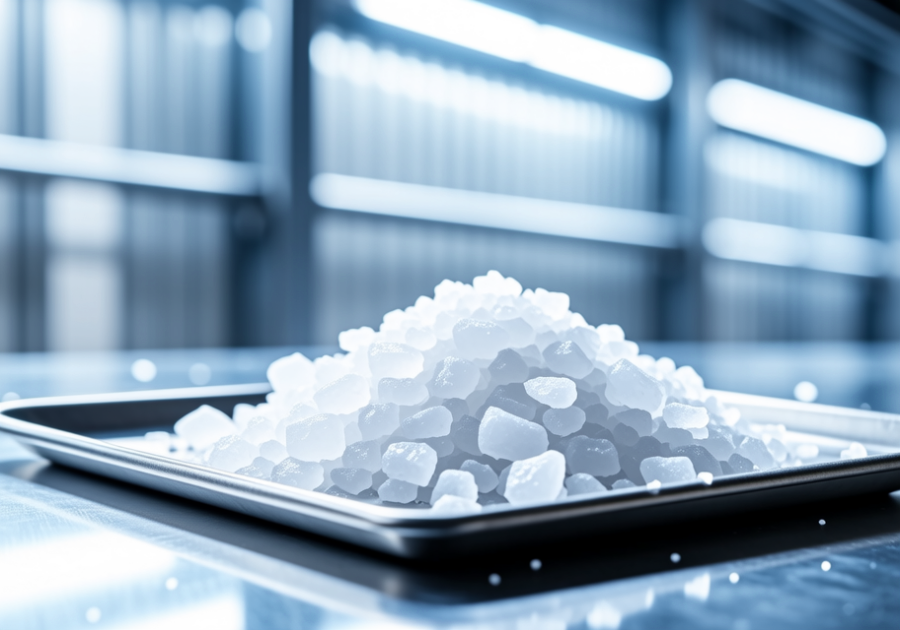
Before talking about the similarities and differences between alum vs ferric chloride for water treatment, we will introduce what alum and ferric chloride are. Alum is a colorless and transparent chemical product with the formula KAl(SO4)2•12H2O. Because alum has a very good water purification function, it has been widely used for the purification of drinking water. Specifically, it is called alum water purification adding some alum to drinking water after a certain period of precipitation, filtration, and a series of work.
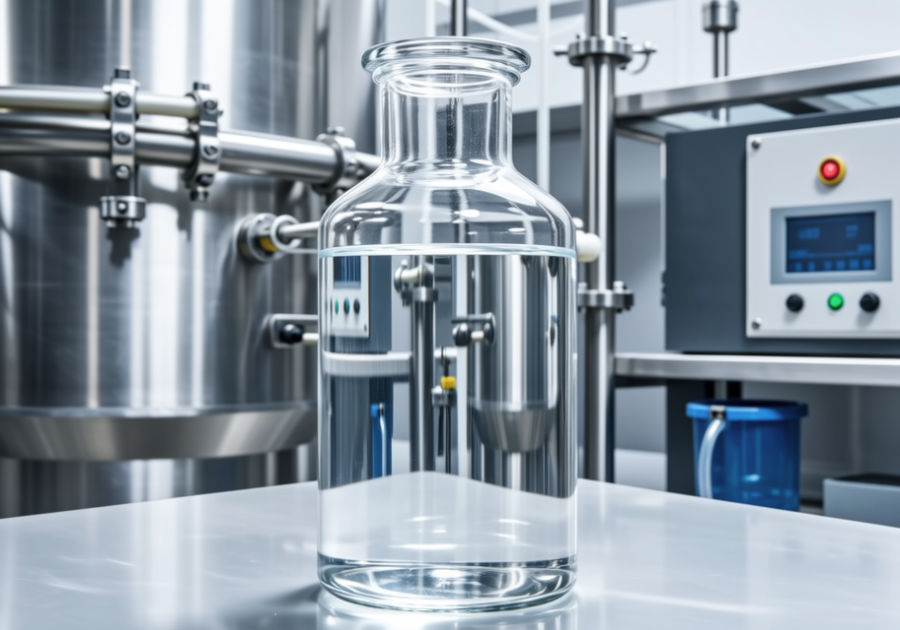
Alum water purification is a more traditional way compared with other methods, but its water purification effect is excellent, and loved by the majority of consumers. Ferric chloride, a chemical compound with the formula FeCl3, is a dark brown liquid with a pungent odor. It is usually used as a coagulant in water treatment, sewage treatment agents, and medicine fields.
The similarities when alum vs ferric chloride for water treatment
1.Both of them can purify water
Water often contains turbidity, such as sediment, and sediment, which make the water cloudy and unclear and affect the transparency and taste of the water. Alum can precipitate them down by chemically reacting with turbidity in water to form an insoluble substance. As a flocculant, when adding an appropriate amount of alum in water treatment, it can make the turbidity coagulate and precipitate, so that the water becomes clear and transparent.
Ferric chloride is very common as a coagulant in the field of water treatment. Ferric hydroxide is formed, which has obvious adsorption functions when ferric chloride is added to water. Through this process, ferric hydroxide can combine with the pollutants to form large particles, which can achieve the goal of purification.
2.Both of them can remove heavy metal ions and organics
Heavy metal ions including lead, copper, and mercury are harmful to human health. Besides these matters, water often contains suspended matter, algae, and bacteria, which will make water smell bad and become unclear, and even lead to different kinds of diseases. Fortunately, alum can remove heavy metal ions from water by reacting with them to form an insoluble precipitate. Organic matter also can be removed from water by forming a precipitate when alum is added to the solution.
The iron ions in ferric chloride can absorb certain organic matter and heavy metal ions in the water, then form a compound and make them lose their water solubility. In this way, these organic and heavy metal ions can be removed or precipitated.
The differences when alum vs ferric chloride for water treatment
1. Alum can promote the precipitation and removal of microorganisms, thereby reducing the pollution of microorganisms to water quality, which can not be obtained by ferric chloride.
2.Alum can also adjust the hardness of water quality. The hardness of water is mainly determined by calcium ions and magnesium ions in water. Hard water will not only lead to scale production but also reduce the washing effect, resulting in dry skin and other problems. Alum can react with calcium and magnesium ions in water to form a hardly soluble precipitate, thereby reducing the hardness of the water. However, ferric chloride does not have this effect.
3. Alum can be used for the treatment of drinking water, but ferric chloride can’t. Ferric chloride itself is a compound with a pungent smell, the water will show red after it is treated by ferric chloride, and its purification of water is not as thorough as alum, so it is not suitable for the treatment of drinking water.
4. Alum will not cause corrosion to the equipment, but excessive use of ferric chloride will lead to acidic water quality, and corrosion of pipes faucets, and other equipment, so the dosage should be limited.
Conclusion:
What are the similarities and differences when alum vs ferric chloride for water treatment? Let’s conclude some main points of this topic. Alum can be used to treat drinking water because it not only can purify the water by removing the heavy metal ions, organic matter, and suspended solids, but also can adjust the hardness of water without any bad smell and change the color of water. Ferric chloride is usually used in sewage and medicine fields because it can’t purify the water very thoroughly.
Looking for chemical products? Let suppliers reach out to you!
You May Interested In


Glow70/KLOW80 99% China Peptides Warehouse Direct Delivery Lyophilized Powder in Stock
$169/UNIT FOB


2026-10-13
Trade Alert
Delivering the latest product trends and industry news straight to your inbox.
(We'll never share your email address with a third-party.)

Related News
-
Chemical Properties and Uses of Tetraetil
-
Applications of Caesium Iodide
-
Tert Butylate: Properties and Applications
-
Sodium Hydroxide (Caustic Soda): Soap Making, Cleaning, and pH Control Guide
-
What is HCO3? (Bicarbonate Ion Function & Normal Levels)
-
PEG (Polyethylene Glycol): Uses in Pharma, Cosmetics, and PEGylation
-
Paraffin Wax vs. Beeswax: Candles, Cosmetics, and Industrial Applications
-
Lanolin: Benefits for Skin, Cosmetic Uses, and Allergy Risks
-
Methylamine: Chemical Properties, Synthesis, and Industrial Applications
-
Melamine: Toxicity, Industrial Resin Uses, and Food Safety Scandals
Recommend Reading
-
![Sulfuric Acid Reactions: With Sugar (Dehydration), Water, and Metals]()
Sulfuric Acid Reactions: With Sugar (Dehydration), Water, and Metals
-
![What is Serine? (Amino Acid Function & Sources)]()
What is Serine? (Amino Acid Function & Sources)
-
![Key Reactions and Uses of Lithium Aluminum Hydride]()
Key Reactions and Uses of Lithium Aluminum Hydride
-
![Uses and Properties of 3-Methyl-1-Butanol]()
Uses and Properties of 3-Methyl-1-Butanol
-
![Isobutyl: Properties, Uses, and Industrial Applications]()
Isobutyl: Properties, Uses, and Industrial Applications
-
![Business Society’s Market Outlook for Hydrogen Peroxide on September 4, 2026: Clearly Downward]()
Business Society’s Market Outlook for Hydrogen Peroxide on September 4, 2026: Clearly Downward
-
![Business Society’s Market Outlook for Caustic Soda on September 4, 2026: Volatile and Bearish]()
Business Society’s Market Outlook for Caustic Soda on September 4, 2026: Volatile and Bearish
-
![Ethanol Market Prices Weakly Fluctuating]()
Ethanol Market Prices Weakly Fluctuating
-
![Business Society’s September 3, 2026 Cyclohexanone Market Outlook: Clearly Upward Trend]()
Business Society’s September 3, 2026 Cyclohexanone Market Outlook: Clearly Upward Trend
-
![Ethylene Glycol Prices Recently Stop Declining—Beware of a Downward Spiral Triggered by a Sharp Drop in Crude Oil Prices]()
Ethylene Glycol Prices Recently Stop Declining—Beware of a Downward Spiral Triggered by a Sharp Drop in Crude Oil Prices