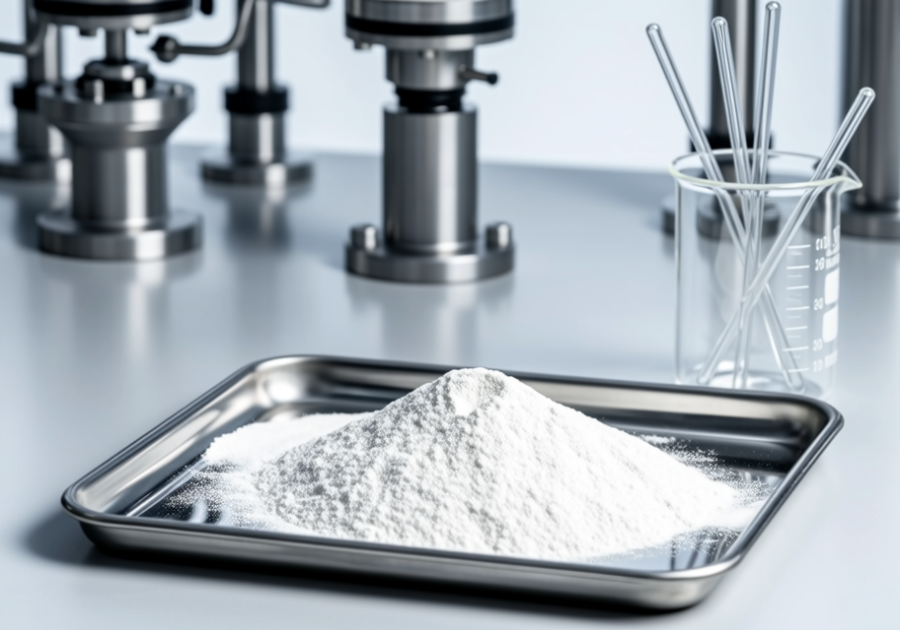
PEG (Polyethylene Glycol): Uses in Pharma, Cosmetics, and PEGylation
Glycol PEG—better known as polyethylene glycol—is one of the most versatile and extensively studied excipients in modern medicine and personal care. Its safety profile, tunable molecular weight, and chemical flexibility explain why it appears in injectable biologics, laxatives like Miralax, and even everyday skincare. Understanding how molecular weight changes function is key to using it correctly.
As a polymer chemist with experience reviewing excipient safety data and pharmacopeial standards, I often see confusion around “peg glycol” terminology. In practice, polyethylene glycol (PEG) refers to a family of water-soluble polymers available in different molecular weights, each designed for specific technical roles.
What Is PEG?
Polyethylene glycol (PEG), sometimes informally called glycol peg, is a polyether compound produced by polymerizing ethylene oxide. The structure is simple but powerful: repeating ethylene oxide units create a highly hydrophilic chain that dissolves readily in water and many organic solvents.
The most important variable is molecular weight. Different grades serve very different purposes:
| PEG Grade | Approx. Molecular Weight | Physical Form | Common Applications |
|---|---|---|---|
| PEG 400 | ~400 | Liquid | Solvent, oral/topical formulations |
| PEG 3350 | ~3350 | Powder | Osmotic laxatives |
| PEG 6000 | ~6000 | Solid flakes/powder | Tablet binder, suppositories, cosmetics |
Lower molecular weights such as PEG 400 behave as viscous liquids and function primarily as solvents or co-solvents. Higher molecular weights like PEG 6000 are waxy solids used as binders, film formers, and controlled-release matrices.
Regulatory authorities including the U.S. Food and Drug Administration (FDA) and the European Medicines Agency (EMA) recognize polyethylene glycol uses across oral, topical, and parenteral dosage forms when manufactured to pharmacopeial standards (USP/NF, Ph. Eur.).
PEGylation Technology
The pegylation process refers to covalently attaching PEG chains to biologically active molecules—typically proteins, peptides, or small-molecule drugs. This modification significantly alters how the drug behaves in the body.
Why does PEGylation matter?
- It increases molecular size, reducing renal clearance.
- It shields the drug from enzymatic degradation.
- It can reduce immunogenicity in some biologics.
- It extends half-life, reducing dosing frequency.
A well-known example is pegylated interferon used in hepatitis treatment. By attaching PEG chains, manufacturers achieved longer circulation time compared to unmodified interferon, improving patient adherence.
From a formulation standpoint, PEGylation requires precise control of reaction chemistry, purification, and characterization. The distribution of PEG chain length, attachment site, and degree of substitution all influence pharmacokinetics. Regulatory review typically includes stability data, impurity profiling, and immunogenicity risk assessment.
While PEGylation can reduce immune recognition, it does not eliminate immune response entirely. Rare cases of anti-PEG antibodies have been reported in scientific literature, and ongoing pharmacovigilance remains important.
Laxative Uses
One of the most recognized polyethylene glycol uses in clinical practice is as an osmotic laxative. PEG 3350 works by retaining water in the stool, increasing stool frequency without significant systemic absorption.
Products such as Miralax contain PEG 3350 powder designed for short-term relief of occasional constipation. Because the polymer is minimally absorbed from the gastrointestinal tract, systemic side effects are uncommon when used as directed.
Clinical guidelines from gastroenterology associations frequently list PEG 3350 as a first-line therapy for functional constipation due to:
- Favorable safety profile
- Predictable osmotic mechanism
- Lack of stimulant activity
However, long-term or pediatric use should always follow medical guidance. Electrolyte imbalance is rare but possible in vulnerable populations.
PEG in Cosmetics and Personal Care
In cosmetics, peg glycol derivatives function as emulsifiers, humectants, surfactants, and penetration enhancers. Lower molecular weight PEGs improve solubility of active ingredients, while higher molecular weights contribute to texture and film formation.
Safety evaluations by expert panels such as the Cosmetic Ingredient Review (CIR) have generally concluded that PEG compounds are safe when formulated to avoid contamination with residual ethylene oxide or 1,4-dioxane—both tightly controlled during manufacturing.
From a formulation chemistry perspective, PEG’s compatibility with both hydrophilic and lipophilic systems explains its broad use in creams, cleansers, and serums.
Allergy Concerns
True PEG allergy is rare but documented. Reported reactions range from mild urticaria to, in very uncommon cases, anaphylaxis. Some cases have been associated with injectable medications containing PEG derivatives.
Risk factors may include:
- Previous unexplained reactions to multiple PEG-containing drugs
- Exposure to high molecular weight PEG in injectable formulations
- Pre-existing anti-PEG antibodies
Health authorities such as the Centers for Disease Control and Prevention (CDC) have acknowledged rare PEG-related hypersensitivity reactions in the context of certain injectable products. For individuals with known PEG allergy, allergist evaluation and alternative formulations are recommended.
For the general population, PEG remains one of the most widely studied and well-characterized excipients in pharmaceutical science.
Whether referred to as glycol PEG, peg glycol, or polyethylene glycol, this polymer family plays a foundational role in modern formulation science. The key is understanding molecular weight selection, regulatory standards, and patient-specific considerations.
From PEG 400 as a solvent to PEG 6000 as a solid excipient—and from osmotic laxatives to advanced biologics via the pegylation process—PEG’s adaptability continues to support safer, more effective therapies.
Looking for chemical products? Let suppliers reach out to you!
You May Interested In


Glow70/KLOW80 99% China Peptides Warehouse Direct Delivery Lyophilized Powder in Stock
$169/UNIT FOB


2026-10-23
Trade Alert
Delivering the latest product trends and industry news straight to your inbox.
(We'll never share your email address with a third-party.)

Related News
-
Gellan Gum (E418): Vegan Thickener vs. Xanthan Gum in Food
-
Sodium Hydroxide Reactions: With Aluminum, Acids, and Metals
-
Sodium Hypochlorite: Uses, Concentration Guide, and Critical Safety Hazards
-
Isopropyl Alcohol (IPA) vs Ethanol: Which Solvent or Disinfectant is Better?
-
What is HCO3? (Bicarbonate Ion Function & Normal Levels)
-
Dicalcium Phosphate: Properties, Uses, and Applications
-
Magnesium Chloride (MgCl₂): Properties, Uses, and Applications
-
Chemical Properties and Uses of Tetraetil
-
Flavin Adenine Dinucleotide (FAD): Functions and Applications
-
What is Serine? (Amino Acid Function & Sources)
Recommend Reading
-
![Sulfuric Acid Reactions: With Sugar (Dehydration), Water, and Metals]()
Sulfuric Acid Reactions: With Sugar (Dehydration), Water, and Metals
-
![Applications of Caesium Iodide]()
Applications of Caesium Iodide
-
![Melamine: Toxicity, Industrial Resin Uses, and Food Safety Scandals]()
Melamine: Toxicity, Industrial Resin Uses, and Food Safety Scandals
-
![Methylamine: Chemical Properties, Synthesis, and Industrial Applications]()
Methylamine: Chemical Properties, Synthesis, and Industrial Applications
-
![Thymol Gel Wins EPA Approval for Beekeepers]()
Thymol Gel Wins EPA Approval for Beekeepers
-
![High Inventory Levels Lead to Stable Operation in the Coke Market]()
High Inventory Levels Lead to Stable Operation in the Coke Market
-
![Business Society’s Market Outlook for Heavy-Weight Pure Soda Ash on September 9, 2026: Volatile with a Slight Bullish Bias]()
Business Society’s Market Outlook for Heavy-Weight Pure Soda Ash on September 9, 2026: Volatile with a Slight Bullish Bias
-
![EU PIC Amendment Adds Over 30 Chemicals to Control List and Bans 3 POPs Exports]()
EU PIC Amendment Adds Over 30 Chemicals to Control List and Bans 3 POPs Exports
-
![U.S.-Iran Standoff Boosts Geopolitical Premium, Oil Prices Surge Nearly 3%]()
U.S.-Iran Standoff Boosts Geopolitical Premium, Oil Prices Surge Nearly 3%
-
![Business Society’s September 10, 2026 Melamine Market Outlook: Fluctuating Trend]()
Business Society’s September 10, 2026 Melamine Market Outlook: Fluctuating Trend