




Scientific Exploration of the Red Phosphorus Chemical Formula
Scientific exploration of the Red Phosphorus Chemical Formula
As a prominent member within the phosphorus family, red phosphorus undoubtedly holds paramount importance. Extensive research has been conducted on its chemical formula, encompassing molecular structure and composition.
The chemical formula for red phosphorus is P4, indicating that its molecule consists of four covalently bonded phosphorous atoms. This unique molecular structure imparts distinctive physical and chemical properties upon red phosphorous such as high melting point and excellent electrical conductivity. Consequently, it plays an indispensable role across various industrial sectors including match production raw material utilization, steel deoxidization processes as well as pesticide and preservative applications; all relying on the foundation provided by red phosphorous's chemical formula.
It is worth mentioning that apart from red phosphorous, there also exist white and black isomers with different atomic arrangements and bonding methods resulting in significantly distinct properties despite being composed solely of phosophrous atoms. The study surrounding these isomers serves as another captivating topic within chemistry.
Chemists are continuously pushing boundaries through their exploration not only regarding the chemical formula of red phosophorous but also in researching various isomers present within phosophrous compounds.

You May Interested In


β-Nicotinamide Adenine Dinucleotide High Quality NAD+ CAS 53-84-9 Exclusive Production Factory CAS NO.53-84-9
$75/UNIT FOB

2026-07-26
Trade Alert
Delivering the latest product trends and industry news straight to your inbox.
(We'll never share your email address with a third-party.)

Related News
-
Lilly’s Mounjaro Enters China’s State Insurance System
-
Vertex Pushes Gene Therapy Into Younger Children With Blood Disorders
-
Smog Becomes a Sales Catalyst as Respiratory Drugs Surge in November
-
Cracking Europe: When the Chemical Empire Loses Its Heat
-
DKSH to Distribute Exsymol's Silanols, Peptides, and Natural Active Ingredients in South Korea
-
Venator Launches TMP- and TME-Free Titanium Dioxide
-
Arkema's New Singapore Plant Commences Operations, Tripling Polyamide Capacity
-
Hengli Sanctions Spill Over: One Barrel of Iranian Crude Pulls an Aromatics Chain Into Risk
-
Chemicals Are Going Wild: Sulfur Surges 512%, Titanium Dioxide, Polyols and Sulfuric Acid Lose Control
-
Global Chemical Inventories Hit Critical Lows as Over 200 Chinese Companies Suspend Quotations
Recommend Reading
-
Propylene Oxide Price Rally Seen as Short-Lived
-

Global Coil Coatings Market to Hit $9.2 B by 2035, Sustainability Drives Growth
-

L'Oréal's Performance in the First Half of 2025 Was Solid: Growth Across All Business Lines and Continued Improvement in Profit Margins
-

Rising Naphtha Prices in Japan Drive Up Costs for Diapers, Sanitary Products, and Cosmetics
-

Sika Impacted by Weaker Dollar in H1, Lowers Full-Year Sales Guidance
-

In August, China's propylene oxide market showed a trend of first declining then rising
-
Supply and Demand Costs Resonate, Polyethylene Weakens in Short-term Fluctuations
-
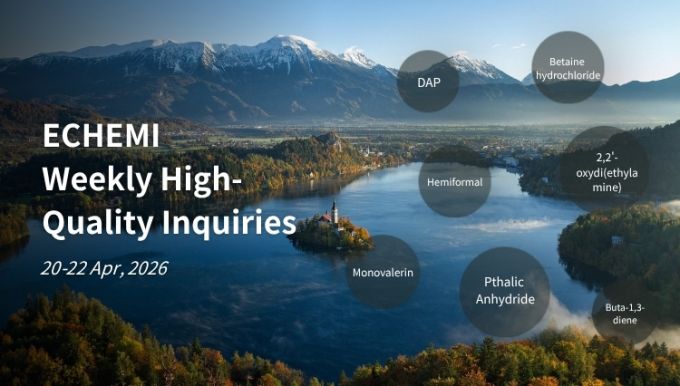
Premium Global Chemical Sourcing Requests (20-22Apr, 2026)
-

Market Support Weakens, Acetic Acid Prices Continuously Decline
-

Raw Materials Soften, Consumption Sluggish—PC Prices Fall from High Levels