A Better Understanding of maltodextrin in Skin Care
Maltodextrin in skin care is a great topic, it is valuable and worth digging into. The skincare field is evolving at a fast speed, new ingredients are constantly discovered to deal with different problems and provide solutions to improve the skin state. There are some ingredients in skincare that we already know about, such as citric acid, malic acid, vitamin C, and retinol. Besides them, maltodextrin has great potential because it is natural and stable, and more importantly, it is widely used in this field. This article is trying to find more information about maltodextrin in skin care, letting readers know more about this topic and giving notes about what should be paid attention to before using maltodextrin.
Maltodextrin
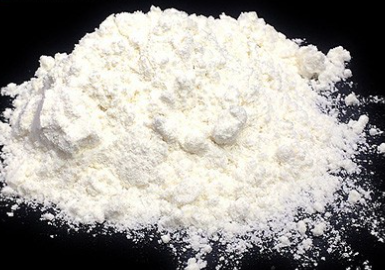
Maltodextrin is a polysaccharide, it is composed of multiple glucose units, which can generally be extracted from starch. Maltodextrin is a white powder, it is easily soluble in water and is a water-soluble fiber. It is known to be widely used in the food industry as a thickener and fiber supplement in food and beverages. However, its molecular structure allows it to play a significant role in skincare products as well. Maltodextrin’s unique properties make it a multifunctional ingredient in the skincare field, and because of its mild nature, it is often considered an ideal choice.
Moisturizing effect
Maltodextrin can be used as a moisturizer in skincare, it has a great moisturizing effect, which is also its most famous effect in the skincare field. Its special molecular structure helps to enhance its absorption and retention of surrounding moisture, thereby keeping the skin in a hydrated and smooth state, effectively reducing dryness. This effect makes maltodextrin particularly suitable for people with dry skin, especially in dry environments or cold winters.
Stability
Maltodextrin can effectively improve skincare products’ stability. Since maltodextrin is a very useful thickener and stabilizer, it can improve the texture of skin care products by increasing the consistency, so that the product can maintain a consistent texture. The active ingredients can be evenly distributed, then making the product smoother and easier to apply. This condition can be mostly found in lotion and cream products. Maltodextrin can also help stabilize other active ingredients in the product to prevent them from decomposing or spoiling.
Mildness
Maltodextrin is a relatively mild ingredient with low irritation. Therefore it is less likely to trigger skin discomfort and allergies. Because of that, it is suitable for people with various skin types. People with sensitive skin can also use skin care products containing maltodextrin. It is very natural and gentle and is beneficial to maintaining skin moisture, so it can also strengthen the skin barrier.
Enhancer and synergy
Maltodextrin can act as other active ingredients’ carrier to help the skin better absorb these ingredients, guarantee the product’s effect, and also heighten the effectiveness of ingredients like vitamins. By collaborating with other components, maltodextrin can enhance the overall effect. Collaborating with antioxidants can enhance the anti-aging effect, and when combined with hyaluronic acid, the skin’s moisturizing effect is greatly improved, highlighting the advantages of maltodextrin.
Anti-aging potential
After some preliminary investigations, it is found that maltodextrin may be beneficial for anti-aging. Although research in this area is still in its early stages, its antioxidant properties may help protect the skin from free radical damage, which is one of the main factors that accelerate skin aging.
Attention
Although maltodextrin is a relatively safe ingredient, some people may be sensitive to it. Therefore, when using skincare products containing maltodextrin, you are advised to take a test on a small area of skin first. When choosing skincare products containing maltodextrin, factors such as skin type, formula, and brand should be considered. Although maltodextrin is suitable for the vast majority of skin types, before choosing a product you should consider what’s your skin type, especially for people with sensitive or problematic skin. You are supposed to check the ingredient list first to see if there are ingredients that may cause skin problems. If there are ingredients that you are allergic to or you are allergic to them, you shouldn’t buy them. If you can ensure all ingredients meet your skin needs, you can buy the product. When choosing a product, you’d better choose a trustworthy brand. This kind of brand will undergo strict testing and that can relatively ensure safety.
Conclusion
Maltodextrin in skin care is becoming more and more useful, its characteristics help it to become an important and popular ingredient in this field. Its excellent moisturizing effect makes a great contribution to people with dry skin. Its stability and mild performance play a great role. Maltodextrin can serve as an enhancer to enhance the effectiveness of skincare products, and when combined with other ingredients, it can achieve a doubling effect. Its potential for anti-aging is also significant.
Looking for chemical products? Let suppliers reach out to you!
You May Interested In


Glow70/KLOW80 99% China Peptides Warehouse Direct Delivery Lyophilized Powder in Stock
$1.8E+2/UNIT FOB


2026-08-24
Trade Alert
Delivering the latest product trends and industry news straight to your inbox.
(We'll never share your email address with a third-party.)

Related News
-
Arachidic Acid Uses: Food, Industrial Applications & Safety
-
Chemical Properties and Uses of Tetraetil
-
Key Properties and Applications of Para-Nitrophenol
-
Understanding Reactions Between Silver and Chloride
-
Salinity Solution: Preparation and Uses
-
Thymol Gel Wins EPA Approval for Beekeepers
-
Rubber Cement: Applications and Safety Guidelines
-
Nature’s Blueprint, Science’s Edge: Corteva Unveils Twin Breakthroughs to Tackle the $70 Billion Insect Threat
-
Uses of Sodium Acetate Trihydrate
-
Key Reactions and Uses of Allene
Recommend Reading
-
![Applications of Copper Sulfate Pentahydrate]()
Applications of Copper Sulfate Pentahydrate
-
![Applications of Caesium Iodide]()
Applications of Caesium Iodide
-
![Lanolin: Benefits for Skin, Cosmetic Uses, and Allergy Risks]()
Lanolin: Benefits for Skin, Cosmetic Uses, and Allergy Risks
-
![Paraffin Wax vs. Beeswax: Candles, Cosmetics, and Industrial Applications]()
Paraffin Wax vs. Beeswax: Candles, Cosmetics, and Industrial Applications
-
![Sodium Hydroxide (Caustic Soda): Soap Making, Cleaning, and pH Control Guide]()
Sodium Hydroxide (Caustic Soda): Soap Making, Cleaning, and pH Control Guide
-
![August Shandong n-Butanol Market First Falls, Then Rises]()
August Shandong n-Butanol Market First Falls, Then Rises
-
![Recent Formic Acid Market Shows]()
Recent Formic Acid Market Shows "Decreased Volume, Stable Prices" Trend in China
-
![Supply Contraction Dominates, Melamine Market Stably Fluctuates]()
Supply Contraction Dominates, Melamine Market Stably Fluctuates
-
![Costs Decline, DOP Prices Retreat from High Levels This Week]()
Costs Decline, DOP Prices Retreat from High Levels This Week
-
![Loose Supply, Weak and Declining Aniline Market (Dec. 8–Dec. 12)]()
Loose Supply, Weak and Declining Aniline Market (Dec. 8–Dec. 12)