Is Peg-120 Methyl Glucose Dioleate Safe or Not? | A Detailed Explanation
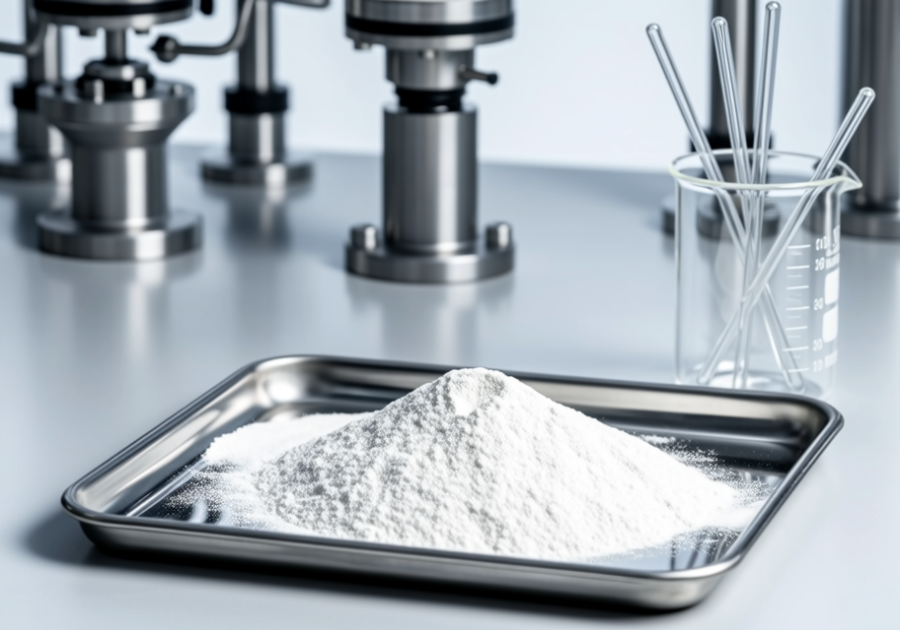
"PEG-120 methyl glucose dioleate" is commonly seen in shampoo, body wash and soaps. Few people know what it is and why it is applied in cosmetics. Is PEG-120 methyl glucose dioleate safe or not? The safety of products that contain PEG-120 methyl glucose dioleate draws most attention, especially when these products are applied to the skin. In this article, we'll talk about the efficacy and safety of PEG-120 methyl glucose dioleate in cosmetics.
What is PEG-120 methyl glucose dioleate?
PEG is an abbreviation for polyethylene glycol, which is created by polymerizing ethylene oxide with water or by condensing ethylene glycol. What does the following number mean then? The "n" in PEG-n stands for the degree of polymerization, which indicates the number of similar molecules. PEG-120 methyl glucose dioleate is a member of the "PEG-n" family. It is an effective viscosity builder that can be coupled with a variety of anionic and amphoteric surfactants.
PEG-120 methyl glucose dioleate is a non-ionic thickener derived from natural glucosides. It is compatible, and has a good compounding and thickening effect with AOS, AES sodium salt, sulfosuccinate salt, and amphoteric surfactants, without leaving a jelly texture. It is available in two forms: flaky solid and liquid.
How is it applied in cosmetics?
The typical dosage of using PEG-120 methyl glucose dioleate is at concentrations ranging from 0.5 to 3%. There are two ways to dissolve and mix it: the first is to dissolve it in the arranged system by mild heating and moderate stirring, and then add other materials. The second method is to blend it with water in a 1:5-10 ratio, heat until dissolved, then add more surfactant.
PEG-120 methyl glucose dioleate has its advantages in different fields. In skin care, it can produce a thin layer on the skin to provide a protective barrier. It reduces moisture loss and increases water retention capacity of the skin, making it smoother and healthier. In hair care, it softens hair and maintains silky hair. As a surfactant, PEG-120 methyl glucose dioleate keeps dirt particles stuck on the skin to be easily washed away with running water. Additionally, PEG-120 methyl glucose dioleate can be used in medicine since it has drug delivery potential. It plays a key role in dealing with treatment-resistant cancers as well as in slow-release drug delivery systems.
Is PEG-120 methyl glucose dioleate safe in cosmetics?
Is PEG-120 methyl glucose dioleate safe in shampoo? PEG-120 methyl glucose dioleate has 0% eye irritation test results, indicating that it is fully non-irritating to the eyes and hence an appropriate ingredient for baby shampoos. Furthermore, adding it to the recipe decreases eye irritation produced by highly irritating surfactants. Besides, PEG-120 methyl glucose dioleate has multiple functions, including viscosity building and irritation reduction, making it excellent for cleansers.
The main advantages of PEG-120 methyl glucose dioleate as an amino acid surface-activated thickener are its mildness and lightness, compatibility with a wide range of surfactant systems, and high efficiency. It has little impact on foaming. Therefore, formulators can utilize it to develop products that are simple to pour and have an aesthetically beautiful foam without worrying about changing the foam qualities.
Is PEG-120 methyl glucose dioleate safe for pregnant women? Although PEG-120 methyl glucose dioleate itself is not harmful, the impurities produced during the manufacturing process are. Dioxane, for example, is a recognized carcinogen. As a result, the European Union and the United States place rigorous limits on the amount of PEG-like compounds introduced. Therefore, it is recommended that food-grade PEG-120 methyl glucose dioleate be used on a daily basis. Pregnant women should be more cautious while selecting shampoos or face washes, paying close attention to the added components and following their doctor's advice.
Conclusion
PEG-120 methyl glucose dioleate is an efficient emulsifier and thickener in cosmetics. Based on this, we can look back to the question: is PEG-120 methyl glucose dioleate safe? In most conditions, it is safe in regulated doses. It is commonly used in shampoo and face wash, because it causes minor eye irritations. However, people who require safe personal care, such as pregnant women, or who are concerned about potential pollutants remained, should use food-grade PEG-120 methyl glucose dioleate and consult a doctor before purchasing products for personal care.
Looking for chemical products? Let suppliers reach out to you!
You May Interested In


SS-31 Cosmetic peptides, discounted price improving cognitive impairment factory supply
$8E+1/UNIT FOB


2026-09-21
Trade Alert
Delivering the latest product trends and industry news straight to your inbox.
(We'll never share your email address with a third-party.)

Related News
-
Anastrozole Side Effects: What You Need to Know
-
Understanding the Arsenate Symbol and Its Uses
-
What Color Should a Zinc-Copper Couple Be?
-
Polysorbate 80: Food Additive, Medical Use, and Safety
-
Acesulfame Potassium: Safety, Side Effects, and Food Uses
-
Zoledronic Acid: Uses, Mechanism, and Side Effects
-
Why You Should Never Mix Bleach and Vinegar
-
Benzoylecgonine: Detection and Testing Methods
Recommend Reading
-
![This Week's Propylene Oxide Market Shows Fluctuating Increases (9.7-9.10) in China]()
This Week's Propylene Oxide Market Shows Fluctuating Increases (9.7-9.10) in China
-
![Sodium Metabisulfite Prices Rise This Week (Jan. 19–23)]()
Sodium Metabisulfite Prices Rise This Week (Jan. 19–23)
-
![Strong upward trend in the Chinese soda ash market]()
Strong upward trend in the Chinese soda ash market
-
![EU Chemicals Regulatory Update: Practical Compliance Actions Following ECHA January 2026 Developments]()
EU Chemicals Regulatory Update: Practical Compliance Actions Following ECHA January 2026 Developments
-
![Business Society’s Trend Analysis for Propylene Oxide on September 10, 2026: Price Trends Are Volatile]()
Business Society’s Trend Analysis for Propylene Oxide on September 10, 2026: Price Trends Are Volatile