Povidone iodine solution first aid antiseptic: how does it work?
Povidone iodine, also known as iodopovidone, excellent-iodine, and Puweilong iodine, is a broad-spectrum antibacterial agent. Povidone iodine solution first aid antiseptic is a type of iodine tincture, used for skin disinfection and sterilization before and after surgery, prevention and treatment of local wound infections, and first aid for minor cuts, abrasions, burns, and blisters.
Povidone iodine solution first aid antiseptic is a polyvidone chemical polymer and iodine element, containing 9% to 12% iodine. Its mechanism of action is the death of microorganisms caused by the release of iodine. It has a wide range of antibacterial activity and has a killing effect on bacteria, fungi, protozoa, and viruses. This is an over-the-counter drug.
Povidone iodine entered commercial use in 1955 and is one of the World Health Organization's essential medicines list and the most important drug in the basic health system.
In the solution, the iodine element in povidone iodine is slowly released, and it has been proven that bacteria do not develop resistance to povidone iodine, and the human sensitization rate is only 0.7%. Therefore, povidone iodine is widely used in medicine, for surgical scrubbing, skin cleaning before and after surgery, prevention and treatment of infected wounds, ulcers, cuts, burns, bedsore infections and treatment of congestive ulcers, gynecological vaginitis, candida, trichomoniasis or mixed infections.
How to use povidone iodine solution first aid antiseptic?
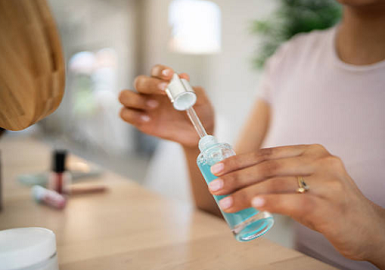
- For external use, dip a small amount with a cotton swab and apply topically from the center to the periphery, 1-2 times a day.
- Surgical disinfection: scrub with 0.5% solution for 5 minutes. Disinfection of injection site, more than 30 seconds.
- Disinfection of surgical field skin: Apply 0.5% solution evenly twice.
- Mucosal trauma or infection: rinse with 0.1%~0.025% solution.
- Skin infection: Apply 0.5% solution topically.
Povidone iodine solution first aid antiseptic side effects may include skin irritation. If applied to large wounds, people with poor renal function may develop hypernatremia and metabolic acidosis. It is not recommended for people who are less than 32 weeks pregnant or taking lithium salts. People with thyroid problems are advised not to use it frequently.

You May Interested In


2026-09-21
Trade Alert
Delivering the latest product trends and industry news straight to your inbox.
(We'll never share your email address with a third-party.)

Related News
-
“Changing the Captain at Sea”: Hempel’s CEO Departs to Run a Ferry Giant—This Isn’t a Resignation Notice, It’s an Industry Stress Map
-
He Spent 40 Years at Nestlé—Then Was “Cleared Out” Days After Becoming CEO: This Isn’t a Scandal, It’s Capital’s Coldest Face
-
Global Biologicals M&A Storm: How 2025 Redrew the Agricultural Innovation Map
-
Australia Launches Anti-Circumvention Trade Probe into China’s 2,4-D Supply Chain
-
South Korea Retires 1.39 Million Tonnes of Ethylene Capacity as Northeast Asia’s Petrochemical Reset Turns Real
-
US-Iran Conflict Escalates Again as Oil Tops $90 and Petrochemical Feedstock Risks Return
-
Pharma’s Tightrope in 2026: Safety, Competition and the Future of Obesity Treatment Innovation
-
Cheap Sugar, Costly Lives: WHO Pushes Governments Toward a New Era of Health Taxes
-
Singapore Orders Nestlé Formula Recall as Infant Safety Comes Under the Spotlight
-
U.S. EPA Targets Perchlorate: A New Safety Line Drawn in Drinking Water Standards
Recommend Reading
-
![Retinol in Cosmetics: Regulatory Tightening and Market Changes]()
Retinol in Cosmetics: Regulatory Tightening and Market Changes
-
Japanese Plastics Market Accelerates its Shifts to Recycled Materials and Bioplastics
-
![This Is Not a Price Increase Wave but a Full-Blown Cost Squeeze Across China’s Coatings Chain]()
This Is Not a Price Increase Wave but a Full-Blown Cost Squeeze Across China’s Coatings Chain
-
![Metso Expands Wear Parts Capacity in China with New Rubber Factory in Quzhou]()
Metso Expands Wear Parts Capacity in China with New Rubber Factory in Quzhou
-
![South Korea to Impose Anti-Dumping Duties on Caustic Soda: Chinese Mainland Firms Face Up to 22.21%, Taiwan Region 38.89%]()
South Korea to Impose Anti-Dumping Duties on Caustic Soda: Chinese Mainland Firms Face Up to 22.21%, Taiwan Region 38.89%
-
![A Chart to Understand Lithium Carbonate VS Lithium Hydroxide, the Divergence of the Two Lithium Salts in China's Lithium Battery Industry]()
A Chart to Understand Lithium Carbonate VS Lithium Hydroxide, the Divergence of the Two Lithium Salts in China's Lithium Battery Industry
-
![Strong Raw Material Support Combined with Low Processing Fees: PTA Prices Continue to Show a Relatively Strong Trend]()
Strong Raw Material Support Combined with Low Processing Fees: PTA Prices Continue to Show a Relatively Strong Trend
-
![Business Society’s August 27, 2026 Butadiene Market Outlook: Volatile]()
Business Society’s August 27, 2026 Butadiene Market Outlook: Volatile
-
![Palm Oil Market in December Experiences Volatile Decline]()
Palm Oil Market in December Experiences Volatile Decline
-
![Business Society’s Market Outlook for Phthalic Anhydride on August 27, 2026: Deep Correction Favors a Bearish View]()
Business Society’s Market Outlook for Phthalic Anhydride on August 27, 2026: Deep Correction Favors a Bearish View