Phosphoric Acid and Sodium Hydroxide Reaction Explained
This article walks through the reaction of phosphoric acid and sodium hydroxide, how they react at their molecular structures, and their applications in the current industry.
Different but also Same:
Phosphoric acid H3PO4 and sodium hydroxide NaOH both have distinctly different molecular structures, but they do share some common features that make them suitable for acid-base reactions. The structural and chemical properties of each contribute significantly to their reactivity between them.
First, phosphoric acid is a triprotic acid (can donate three protons) in an aqueous solution. Its molecule consists of a central phosphorus atom, which is further bonded to four oxygen atoms, making a tetrahedral geometry. Out of these four oxygens, three oxygens are bonded to hydrogen atoms.
This bonding makes the molecule acidic by providing three ionizable hydrogen atoms. However, the one oxygen in this structure forms a double bond with the phosphorus atom. This stabilizes the structure and adds resonance stability.
This tetrahedral arrangement around phosphorus allows for polarization and stabilization of the negatively charged oxygen atoms when the phosphoric acid dissociates around it. When this happens, it undergoes stepwise ionization, first into dihydrogen phosphate H2PO4- then to hydrogen phosphate HPO42- and finally into PO43- ions making it a moderate acid.
Next is the sodium hydroxide (a.k.a lye), which has a much simpler structure as compared to its counterpart. Lye is composed of sodium Na+ and hydroxide OH- ions which are strongly held together by strong ionic bonds. When introduced in an aqueous solution, it completely into these ions making it a strong base.
NaOH → Na+ + OH-
The complete dissociation of Na+ and OH- makes them highly reactive and readily available to accept protons from acidic substances. Both molecules of phosphoric acid and sodium hydroxide are highly polar; phosphorus acid has a polar structure due to the highly electronegative oxygen atoms around the central phosphorus atom, and sodium hydroxide has an ionic nature. Due to their complementary structures, their reaction in water happens quickly.
H3PO4 + OH- → H2PO4- + H2O
The first step is the donation of protons from phosphoric acid; when phosphoric acid encounters sodium hydroxide, the OH- from NaOH quickly accepts these protons from phosphoric acid. This neutralizes the acid in an acid-base fashion, during which each proton donation corresponds to forming a different phosphate anion and a molecule of water.
Further NaOH molecules keep on entering with H2PO4- to ultimately form the trivalent phosphate anion PO43-. This happens pretty quickly due to the excess of sodium hydroxide ions with a strong ionic bond nature which ensures that the OH- ions remain highly reactive with this acid. This gradual removal of protons leads to the formation of successively less acidic anions. The final reaction between phosphoric acid and sodium hydroxide is shown below:
H3PO4 + NaOH → NaH2PO4 + H2O
Applications of the Reaction:
The reaction between phosphoric acid and sodium hydroxide also has strong industrial applications with the final product of Sodium phosphate, a few of which are as follows:
1. Sodium phosphate is a powerful builder in detergents and cleaning agents where it significantly enhances the performance of surfactants used in the process.
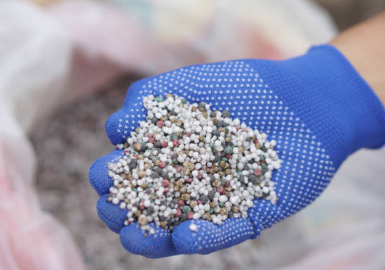
2. It is used in water treatment to soften water, reducing scale formation, and is also a key nutrient for plants so is used as a supplement in fertilizers.
3. Also used as phosphate buffers, which are essential in biochemistry and molecular biology for maintaining pH levels in solutions. Common use cases include maintaining pH for enzyme activity and biological stability.
4. The phosphates generated here also serve as an acidity regulator, stabilizer, and emulsifier in various food products, hence important to the food industry.
5. This salt is also used in lab reagents and dental treatments and as a component in intravenous fluids to maintain electrolyte balance.
The use of sodium phosphate is very significant in the common industrial landscape, and if your business is also involved in similar chemicals, then we recommend getting yourself acquainted with the Echemi marketplace, a global platform for the procurement of such chemicals. Certified suppliers and direct communication for a smooth procurement experience are what make Echemi special in the crowd.
Conclusion:
The reaction of phosphoric acid and sodium hydroxide happens in a classic acid-base nebulization reaction, and their salt is quite important in the current industry.
Looking for chemical products? Let suppliers reach out to you!
You May Interested In


Glow70/KLOW80 99% China Peptides Warehouse Direct Delivery Lyophilized Powder in Stock
$169/UNIT FOB


2026-10-24
Trade Alert
Delivering the latest product trends and industry news straight to your inbox.
(We'll never share your email address with a third-party.)

Related News
-
A New Weapon Against Spider Mites: Canada Moves to Approve Novel Miticide for Greenhouse Growers
-
Dicalcium Phosphate: Properties, Uses, and Applications
-
Cytosine: Structure, DNA Pairing, and Role in Genetics
-
Magnesium Chloride (MgCl₂): Properties, Uses, and Applications
-
Flavin Adenine Dinucleotide (FAD): Functions and Applications
-
Bovine Serum Albumin (BSA): Role in Cell Culture & Laboratory Applications
-
Methanol Methyl Alcohol vs Ethanol: Toxicity, Fuel Uses, and Industrial Solvent Safety
-
Isopropyl Alcohol (IPA) vs Ethanol: Which Solvent or Disinfectant is Better?
-
Sodium Hypochlorite: Uses, Concentration Guide, and Critical Safety Hazards
-
Glycopyrronium: Pharmaceutical Applications, Mechanism, and Chemical Specs
Recommend Reading
-
![What is HCO3? (Bicarbonate Ion Function & Normal Levels)]()
What is HCO3? (Bicarbonate Ion Function & Normal Levels)
-
![PEG (Polyethylene Glycol): Uses in Pharma, Cosmetics, and PEGylation]()
PEG (Polyethylene Glycol): Uses in Pharma, Cosmetics, and PEGylation
-
![Sodium Nitrate: Fertilizer, Food Preservative, and Chemical Properties]()
Sodium Nitrate: Fertilizer, Food Preservative, and Chemical Properties
-
![What is Sodium Hipoklorit? (Definition, Uses & Safety)]()
What is Sodium Hipoklorit? (Definition, Uses & Safety)
-
![What is Aconitic Acid? (Chemistry & Occurrence)]()
What is Aconitic Acid? (Chemistry & Occurrence)
-
![India Prepares New Seed and Pesticide Laws]()
India Prepares New Seed and Pesticide Laws
-
![Supply Benefits Fade, Melamine Market Stabilizes After the Holiday in China]()
Supply Benefits Fade, Melamine Market Stabilizes After the Holiday in China
-
![Insufficient Cost Support, Coking Coal Market Prices Remain Stable for Now]()
Insufficient Cost Support, Coking Coal Market Prices Remain Stable for Now
-
![Ammonium Sulfate Market Optimistic in 2025, Exports Remain Core Growth Driver in 2026]()
Ammonium Sulfate Market Optimistic in 2025, Exports Remain Core Growth Driver in 2026
-
![Syngenta Caught in Trade Crossfire]()
Syngenta Caught in Trade Crossfire