Dicalcium Phosphate: Properties, Uses, and Applications
Dicalcium phosphate (DCP) is a versatile compound widely used in food, pharmaceutical, and animal feed industries. Understanding Dicalcium Phosphate chemical properties and its applications helps manufacturers, nutritionists, and researchers make informed decisions.
What is Dicalcium Phosphate?
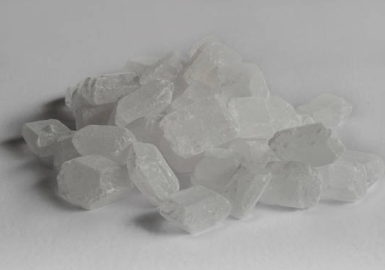
Dicalcium phosphate is an inorganic compound with the chemical formula CaHPO4. It appears as a white, odorless powder and is highly valued for its nutritional content and stability. It is commonly used as a dietary supplement to provide calcium and phosphorus, essential minerals for bone health.
Properties of Dicalcium Phosphate
The key Dicalcium Phosphate chemical properties include:
- Solubility: Slightly soluble in water, more soluble in acidic solutions.
- Stability: Stable under normal temperature and pressure, making it suitable for long-term storage.
- Nutritional content: Contains approximately 23% calcium and 18% phosphorus.
- Physical form: Typically available as a fine powder, granules, or tablets.
Dicalcium Phosphate vs Tricalcium Phosphate
Though both compounds provide calcium and phosphorus, there are notable differences:
| Property | Dicalcium Phosphate (DCP) | Tricalcium Phosphate (TCP) |
|---|---|---|
| Chemical Formula | CaHPO4 | Ca3(PO4)2 |
| Calcium Content | ~23% | ~38% |
| Uses | Supplements, animal feed, toothpaste | Fortification, ceramics, dietary supplements |
| Solubility | Slightly soluble | Less soluble |
Dicalcium Phosphate Uses
The Dicalcium Phosphate uses are extensive:
- Dietary supplements: Often found in multivitamins and calcium tablets to improve bone density and prevent osteoporosis.
- Animal feed: Added to livestock diets to enhance growth and bone strength.
- Food industry: Functions as a leavening agent and a mineral fortifier in cereals and bakery products.
- Pharmaceuticals: Used as an excipient and filler in tablet manufacturing.
Dicalcium Phosphate in Supplements
In supplements, Dicalcium Phosphate in supplements is preferred due to its balanced calcium-to-phosphorus ratio, making it highly bioavailable. It is commonly combined with vitamins D and K to enhance absorption and improve skeletal health. According to the National Institutes of Health, calcium supplementation using DCP can help maintain bone density in adults and prevent mineral deficiencies.
Industrial Applications
Beyond nutrition, DCP has industrial applications:
- Ceramic manufacturing: Serves as a fluxing agent.
- Toothpaste: Acts as a mild abrasive and calcium source to strengthen enamel.
- Polishing agents: Used in some cleaning and polishing compounds.
Conclusion
Dicalcium phosphate is a highly versatile compound with applications across food, supplement, and industrial sectors. Its stable chemical properties, high mineral content, and safety profile make it a reliable choice for manufacturers and consumers. Comparing Dicalcium Phosphate vs Tricalcium Phosphate highlights its advantages in solubility and nutritional balance, particularly for supplementation purposes.
Looking for chemical products? Let suppliers reach out to you!
You May Interested In


Glow70/KLOW80 99% China Peptides Warehouse Direct Delivery Lyophilized Powder in Stock
$169/UNIT FOB


2026-10-11
Trade Alert
Delivering the latest product trends and industry news straight to your inbox.
(We'll never share your email address with a third-party.)

Related News
-
HNO2 (Nitrous Acid): Properties, Uses, and Safety
-
Heptane: Properties, Uses, and Industrial Applications
-
Methylamine: Chemical Properties, Synthesis, and Industrial Applications
-
Melamine: Toxicity, Industrial Resin Uses, and Food Safety Scandals
-
Sulfuric Acid Reactions: With Sugar (Dehydration), Water, and Metals
-
What is Serine? (Amino Acid Function & Sources)
-
Sodium Pentothal: Medical Applications and Safety
-
Ascorbyl Palmitate: Properties, Uses, and Benefits
-
Bivalirudin: Medical Uses, Properties, and Safety
-
Calcium Hypochlorite: Properties, Uses, and Safety
Recommend Reading
-
![Iohexol: Properties, Uses, and Safety]()
Iohexol: Properties, Uses, and Safety
-
![Isobutyl: Properties, Uses, and Industrial Applications]()
Isobutyl: Properties, Uses, and Industrial Applications
-
![Applications of Aluminium Orthophosphate]()
Applications of Aluminium Orthophosphate
-
![Reactions and Uses of Ammonium Dichromate]()
Reactions and Uses of Ammonium Dichromate
-
![Permanganate: Properties, Uses, and Safety]()
Permanganate: Properties, Uses, and Safety
-
![This Week, China's Hydrofluoric Acid Market Remains Stable with Prices Holding Steady at High Levels (8.10-8.12)]()
This Week, China's Hydrofluoric Acid Market Remains Stable with Prices Holding Steady at High Levels (8.10-8.12)
-
![China’s EVA Market Has Entered a Downward Trend Since May]()
China’s EVA Market Has Entered a Downward Trend Since May
-
![Business Society’s PVC Market Outlook on August 13, 2026: Stable]()
Business Society’s PVC Market Outlook on August 13, 2026: Stable
-
![Trend Slowing Down! Melamine Enters a Volatile Bottoming-Out Cycle]()
Trend Slowing Down! Melamine Enters a Volatile Bottoming-Out Cycle
-
![This week, the Chinese urea market showed a weak downward trend (5.15-5.21)]()
This week, the Chinese urea market showed a weak downward trend (5.15-5.21)