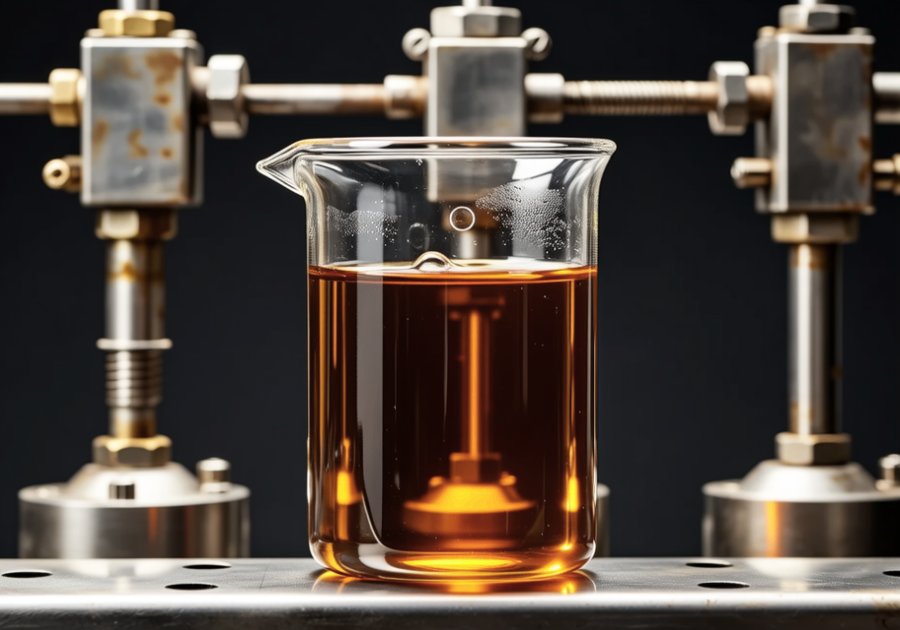
How Is Ascorbic Acid Manufactured | Explore in Detail
Ascorbic acid is an essential substance in the human body. It participates in many biochemical reactions including resisting the generation and clearance of free radicals and promoting the absorption and transport of iron. Besides, it promotes the synthesis of adrenaline and noradrenaline, etc. How is ascorbic acid manufactured? Let’s find out!
How is Ascorbic Acid Manufactured in The Human Body?
1.Source
The main source of ascorbic acid is food, especially fresh fruits and vegetables. Citrus fruits such as oranges, lemons, grapefruits, and leafy vegetables such as spinach and lettuce, are good sources of ascorbic acid. What’s more, we can also consume this substance through oral supplements.
2. Process
When vitamin C in food enters the human body, it is absorbed by the tissues in the upper part of the small intestine. After being absorbed, it will be dispersed into water-soluble structures within the body.
Through human metabolism, it can also be broken down into oxalic acid, which can combine with sulfuric acid to finally form ascorbic acid and will be excreted through urine.
How is Ascorbic Acid Manufactured in Industry?
There are two main methods of industrial production: fermentation and chemical synthesis.
1.Fermentation Method
How is ascorbic acid manufactured? Below are factors concerning the fermentation method.
- Raw Material Selection
Its raw materials generally include four parts: glucose or starch sugar as carbon sources, amino acids or ammonia water as nitrogen source, inorganic salts, and trace elements as auxiliary materials.
-Cultivation of Bacterial Strains
The selection and cultivation of bacterial strains are one of the core processes in the production of ascorbic acid. Generally, yeast, streptococcus, lactic acid bacteria, or microorganisms are chosen as bacterial strains.
Different bacterial strains have different environments and reproductive conditions, and mastering these can improve production efficiency and product quality. The process of bacterial culture includes pretreatment, inoculation, cultivation, and storage. The inoculation amount, culture temperature, and time all need to be finely controlled.
It is recommended to choose Gram-positive bacteria and other strains belonging to the genus of black rust bacteria, such as Klebsiella pneumoniae and yeast. These strains grow rapidly and produce high amounts of acid, making them ideal strains for producing ascorbic acid.
-Fermentation
Fermentation is also an important step in the production process, so it is necessary to reasonably control parameters such as temperature, pH value, and fermentation rate during the fermentation process.
The fermentation temperature is generally between 25-30℃. PH value is between 5-6. The dissolved oxygen level should be kept sufficient. The cultivation time is determined based on the growth rate and production of the strain.
The fermentation process is divided into two stages: the growth phase and the acid production phase. During the growth phase, we need to provide sufficient nutrition and oxygen to provide ample energy for cell growth.
During the acid-production period, we need to lower the temperature, decrease the oxygen concentration, and improve the activity and acid-production capacity of acid-producing bacteria. The purpose is to optimize production efficiency and product quality.
-Separation and Purification
The pharmaceutical and healthcare industries have high requirements for the purity of ascorbic acid. The separation and purification generally include steps such as filtration, centrifugation, purification, and drying. Purification is the most crucial step among them.
We can separate it from other components through ion exchange chromatography, gel filtration chromatography, and other technologies to achieve high-purity and high-quality products.
2.Chemical Synthesis Method
How is ascorbic acid manufactured? Below are factors concerning the chemical synthesis method.
-Selection of Raw Materials
Common raw materials used in chemical synthesis methods include hydrogen cyanide, acetic anhydride, etc.
-Reaction Steps
The main reaction steps are divided into three stages: ketone alcohol interconversion reaction, including cyanation, photosensitive reaction, and tartaric acid elimination reaction. Finally, ascorbic acid is obtained through the reaction of amino acids and other compounds.
Reaction temperature, reaction time, and dosage of reagents will affect the yield of ascorbic acid synthesis. It has a significant impact on purity and requires strict control.
-Extraction and Purification of The Product
We extract and purify the product through steps such as crystallization and filtration to obtain high-purity ascorbic acid.
Conclusion
How is ascorbic acid manufactured? The human body can absorb and convert this substance through food. There are two main methods of industrial production: fermentation and chemical synthesis. Each has its advantages and disadvantages. The fermentation method is more environmentally friendly, but the process is complex and the cost is high. The chemical synthesis method is simple and efficient, but it has a negative impact on the environment. Therefore, before production, it is necessary to choose a suitable manufacturing method based on the actual situation.
Looking for chemical products? Let suppliers reach out to you!
You May Interested In


Glow70/KLOW80 99% China Peptides Warehouse Direct Delivery Lyophilized Powder in Stock
$169/UNIT FOB


2026-10-16
Trade Alert
Delivering the latest product trends and industry news straight to your inbox.
(We'll never share your email address with a third-party.)

Related News
Recommend Reading
-
![Business Society October 9, 2026 Melamine Trend Analysis: Volatility]()
Business Society October 9, 2026 Melamine Trend Analysis: Volatility
-
![International Workers' Day Holiday Notice and Service Arrangement]()
International Workers' Day Holiday Notice and Service Arrangement
-
![Business Society October 8, 2026 MTBE Trend Analysis: Volatile Trading]()
Business Society October 8, 2026 MTBE Trend Analysis: Volatile Trading
-
![August Aniline Market Rises Significantly in China]()
August Aniline Market Rises Significantly in China
-
![Business Society October 9, 2026 Methanol Trend Analysis: Volatile Rebound]()
Business Society October 9, 2026 Methanol Trend Analysis: Volatile Rebound