




Chemical Industry Calls for 10% Tariff Adjustment to Reduce Dependence on China
The chemicals industry is advocating for adjustments in customs duties in the upcoming Budget, particularly for products like Polyethylene Terephthalate (PET) and Polyvinyl Chloride (PVC). This move aims to reduce dependency on imports from China, the world's leading exporter of key chemical products, including PET resins, Purified Terephthalate Acid (PTA), and polyester fiber.
Industry experts warn that a global overcapacity in these materials, combined with stagnant demand growth in various regions and shifting geopolitical dynamics, could lead to an influx of cheap imports into India. Despite a notable increase in India's domestic production capacity for PET bottle-grade chips, low-cost imports, especially from China, have significantly undermined the competitiveness of local manufacturers.
For PVC, an essential component in construction and other sectors, stakeholders are calling for a review of its tariff structure. They suggest that restoring the PVC duty to pre-2022 levels of 10% would stimulate domestic manufacturing and bolster the economy.
In the Man-made Fiber (MMF) polyester segment, low-cost imports from China are also stifling domestic capacity utilization. The industry argues for an upward revision of tariffs to 10% on polyester, which would not only protect local producers from unfair competition but also enhance production capabilities. This aligns with India's ambitious goal of growing the textile sector to $350 billion by 2030.
The industry has formally presented these concerns to the government, urging timely consideration as Finance Minister Nirmala Sitharaman is set to unveil the Budget on February 1. With these proposed tariff adjustments, the chemicals sector hopes to regain its competitive edge and foster domestic growth.
Looking for chemical products? Let suppliers reach out to you!

You May Interested In

Industrial Grade 99% Caustic Soda in Flake Pearl and Solid Forms
$350-400/MT FOB

Industrial Grade 99.9% High Purity Ethyl Acetate Organic Solvent
$800-850/MT FOB


Toluhydroquinone 99.0%Min White to off-white crystalline powder RC00005
$36.5-47.4/KG EXW

2026-07-20
-

Paint & Coating Industry Overview Mar.2025
This issue provides analysis of the European and German coatings markets, as well as the latest monthly reports and price trends of coatings-related chemical raw materials. Support online permanent download.Published in: Mar.2025
Trade Alert
Delivering the latest product trends and industry news straight to your inbox.
(We'll never share your email address with a third-party.)

Related News
-
Aramco Acquires Sumitomo’s Stake for $702 Million, Boosting Control of Petro Rabigh to 60% — What Global Ambitions Does This Move Reveal?
-
The Last 10% Tariff Trap: A New Chapter in U.S.–China Negotiations on “Fentanyl Tariffs”
-
Kumho Mitsui Chemicals to Further Expand MDI Production, Annual Capacity to Reach 710,000 Tons
-
Sumitomo Chemical Launches Pilot Plant for Ethanol-to-Propylene Production
-
When the Skin of Ships Gets More Expensive: A 30% Price Shock Is Quietly Rewriting the Cost Floor of Global Shipping
-
Europe Faces Unprecedented Petrochemical Crisis 50,000 Jobs at Risk as Closures Accelerate
-
AkzoNobel Invests €50 Million to Expand Aerospace Coatings Operations in the United States
-
Xinfengming Invests 100 Million Yuan in Leaf Bio Signs Strategic Alliance to Accelerate Green Fiber Revolution
-
South Korea Imposes 5-Year Antidumping Duties on Chinese Petroleum Resin Tariffs as High as 18.52 Percent
-
Global MDI/TDI Plants Enter Peak Maintenance Season, Wanhua Chemical’s Hungary Shutdown Draws Market Attention
Recommend Reading
-

Mitsui, Idemitsu, and Sumitomo Restructure Polyolefins Business
-

BASF and Nihon Nohyaku Partner for Fruit Crop Protection in Japan
-
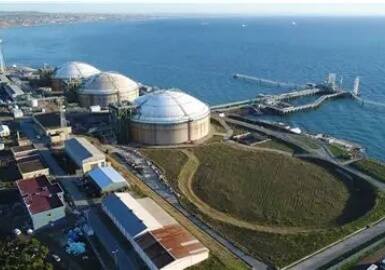
Turkey’s BOTAS Expands LNG Supply Portfolio at Gastech 2025
-

Two Major Chemical Companies Collapse in May as the Global Industry Faces a Broad Downturn
-
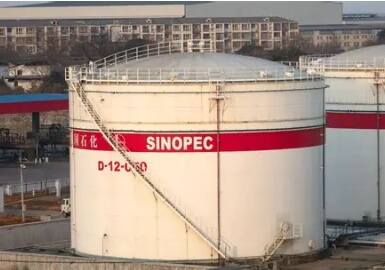
NHU and Sinopec Advance Liquid Methionine Project
-

Fundamental Dual Support, Lithium Carbonate Price Increase Exceeds Expectations
-

Bearish Factors Exhausted, Hydrogen Peroxide Prices Still Have Room to Rise in Late May
-

Premium Global Chemical Sourcing Requests (3-5July, 2026)
-

Styrene-butadiene rubber market prices surge and then fall
-

Both Cost and Demand Weaken, PTA Prices Slightly Decline