




Roche Scraps Global Diversity Targets Amid U.S. Executive Orders Impacting Corporate Policy
In a significant shift, Swiss pharmaceutical giant Roche has announced the abandonment of its global diversity targets due to concerns over recent U.S. executive orders. This decision reflects a broader trend among companies adjusting their diversity, equity, and inclusion (DEI) initiatives in response to regulatory pressures.
Roche's Chief Diversity Offices in both the U.S. and Basel will now prioritize inclusion and belonging, with their responsibilities being redefined. Notably, diversity has been omitted from their new objectives, indicating a strategic pivot designed to ensure compliance. According to an internal memo shared with employees, these changes are essential for Roche to continue delivering vital medicines and diagnostic solutions to patients.
This move comes as several U.S. companies have begun scaling back their DEI programs following directives from the Trump administration, which deemed certain aspects of these initiatives illegal. In a similar vein, UBS, a Swiss bank, recently removed references to promoting women and ethnic minority hiring from its annual report, highlighting the widespread impact of these executive actions.
Roche's decision to eliminate its diversity targets will also extend beyond the U.S., as the firm recognizes that global policies can influence operations in America, necessitating compliance with new legal frameworks. This reevaluation of diversity initiatives underscores the complexities and challenges companies face in maintaining inclusive practices while navigating shifting political landscapes.
As Roche adapts to these changes, the implications for its workforce and corporate culture remain to be seen, raising questions about the future of diversity in the pharmaceutical industry. This development serves as a critical reminder of the evolving relationship between corporate policies and governmental regulations, prompting industry leaders to rethink their strategies in an increasingly complex environment.

You May Interested In


High Quality β-Nicotinamide adenine dinucleotide CAS 53-84-9 NADwith ready stock and best price
$3E+1/UNIT FOB


2026-10-21
Trade Alert
Delivering the latest product trends and industry news straight to your inbox.
(We'll never share your email address with a third-party.)

Related News
-
From Coffee Waste to Superfood Additive: EU Declares Pectin-Rich Arabica Extract Safe for Food Use
-
Australia Approves Lab-Grown “Milk Sugar” for Babies—A Breakthrough in Infant Nutrition
-
U.S. 10% Temporary Tariff Expires, New Section 301 Tariffs Not Yet Implemented
-
Profits Are Rising, but So Are the Risks—China’s Coatings Industry Is Living Through Its Most Awkward Year
-
Crude Tanker Freight From the Americas to Asia Tops $80 Million per Voyage Amid Global Shipping Crunch
-
“Clearing the Floor”: DKSH’s Privatization of Its Malaysian Subsidiary Signals a Silent Power Shift in Asia’s Supply Chain
-
Canada Scraps PV Module Tariffs! Market Reopens, Demand for Supporting Chinese Chemical New Materials Set to Take Off
-
When SWIFT Goes On-Chain: A New 24/7 Order for Cross-Border Payments
-
MDI Price Surge Hits EMEAI: Is This a Market Correction or the Beginning of a Supply Crisis?
-
“Deregulation” or “Concession”? The Hidden Crisis Behind India’s Repeal of QCOs on Seven Key Petrochemicals
Recommend Reading
-
![Hormuz Closure Raises Cold-Chain Risk]()
Hormuz Closure Raises Cold-Chain Risk
-
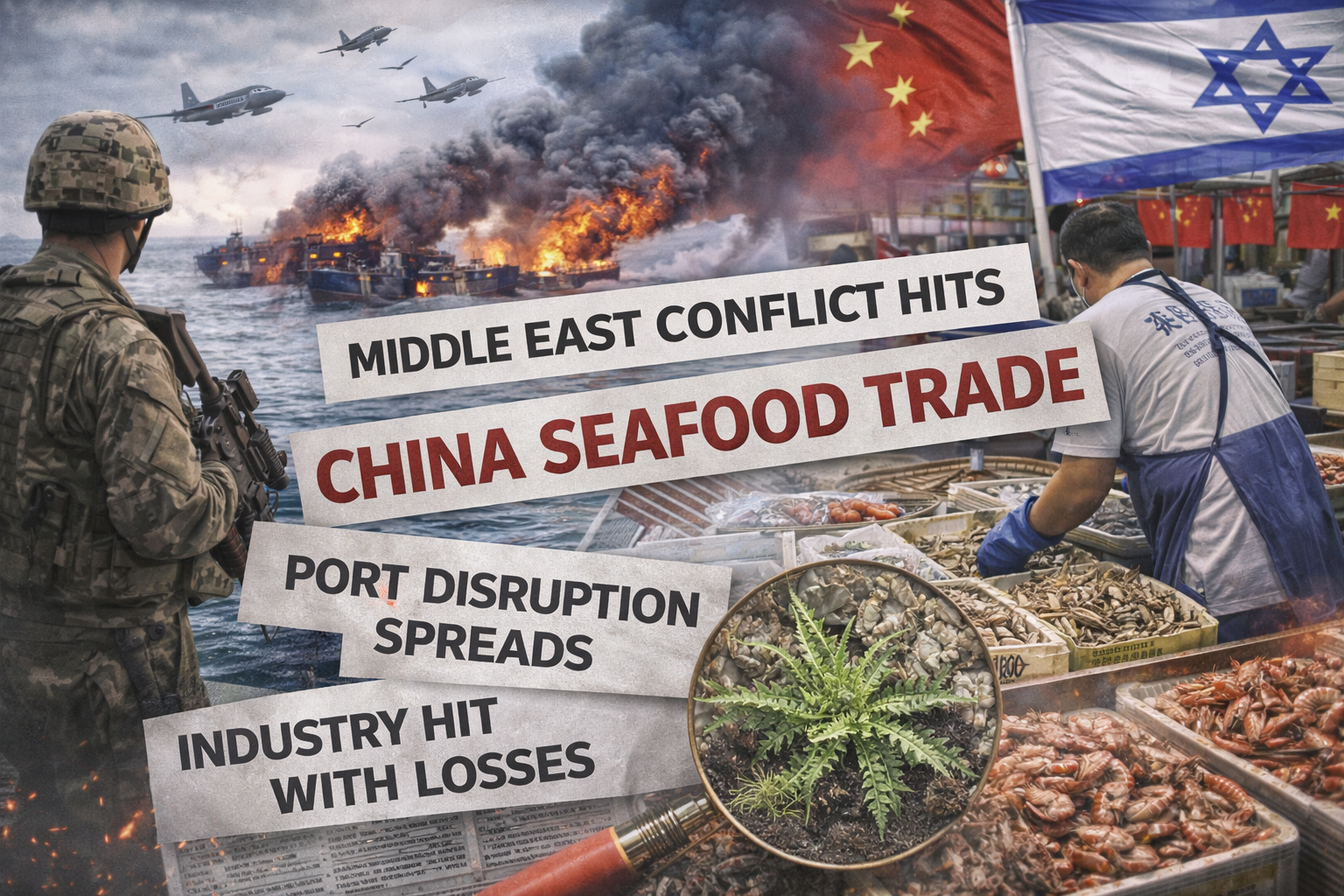
![Middle East Conflict Hits China Seafood Trade]()
Middle East Conflict Hits China Seafood Trade
-
![“Soaring Sulfuric Acid, Tightening Ore Supplies”: The High-Stakes Battle Behind the Titanium Dioxide Price Surge]()
“Soaring Sulfuric Acid, Tightening Ore Supplies”: The High-Stakes Battle Behind the Titanium Dioxide Price Surge
-
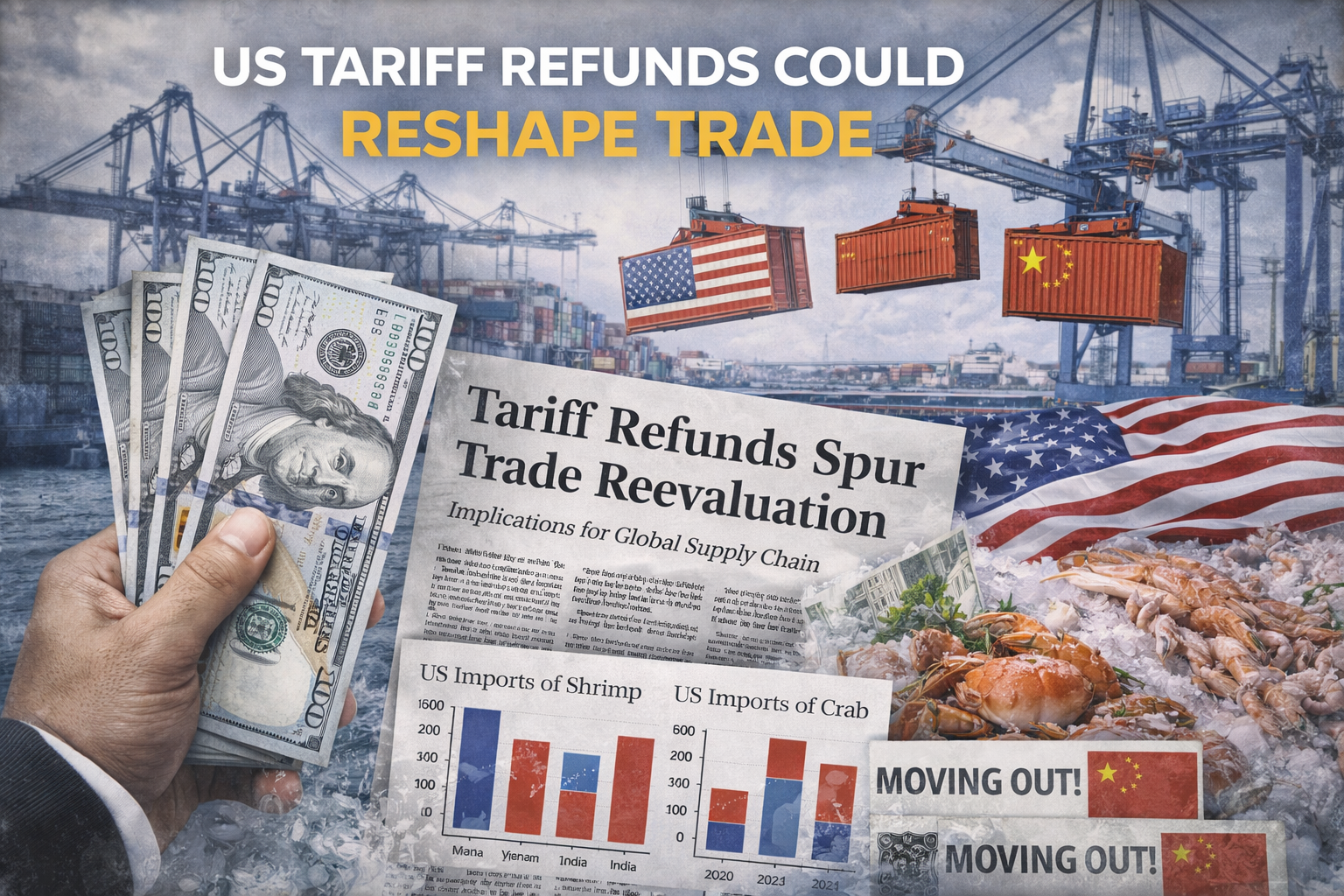
![US Tariff Refunds Could Reshape Seafood Trade]()
US Tariff Refunds Could Reshape Seafood Trade
-
![Hormuz Closure Raises Cold-Chain Risk]()
Hormuz Closure Raises Cold-Chain Risk
-
![Cost Side Stops Falling and Rebounds; PC Prices Stabilize and Consolidate in November]()
Cost Side Stops Falling and Rebounds; PC Prices Stabilize and Consolidate in November
-
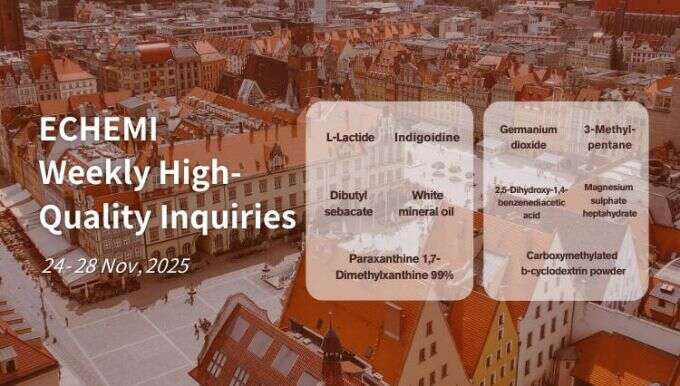
![Premium Global Chemical Sourcing Requests (24-28 Nov 2025)]()
Premium Global Chemical Sourcing Requests (24-28 Nov 2025)
-
![Costs Decline, Production Starts to Rise—Phthalic Anhydride Prices Fluctuate and Fall in November]()
Costs Decline, Production Starts to Rise—Phthalic Anhydride Prices Fluctuate and Fall in November
-
![November epoxy chloropropane market first fell then stabilized]()
November epoxy chloropropane market first fell then stabilized
-
![EFSA Reviews Clodinafop Risk]()
EFSA Reviews Clodinafop Risk





- Hot Searches
- 2-ethylhexanol suppliers
- polycaprolactam polymer registered under number 25038-54-4
- dicalcium phosphate price
- uni chem
- na 931 peptide buy
- where to buy semax
- ambroxolhydrochloride
- where to get reta peptide
- perchloroethylene msds
- 1 bromo 4 fluorobenzene
- r3ta peptide buy
- retatrutide vendor