Skyrocketing Prices Push Americans to Create Their Own Weight-Loss Drugs
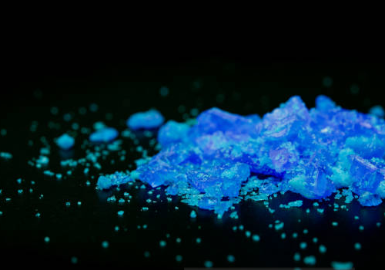
San Francisco: High costs of obesity medicines are driving Americans to a growing "gray market," where individuals make their own weight-loss drugs using cheap, unregulated active ingredients shipped from China. These substances, often labeled as "research materials," are purchased online and mixed into dosages by users themselves.
Missouri resident Amy Spencer, 50, is among those turning to this market. Spending just $50 a month, she mixes her own drugs using ingredients like tirzepatide, the key compound in Eli Lilly's Zepbound, saving up to 90% compared to branded treatments.
The demand for affordable alternatives surged after an FDA ruling barred U.S. compounding pharmacies from selling cheaper obesity medications. Imports of unregistered active ingredients from China rose by 44% in January 2025, according to the Partnership for Safe Medicines. Buyers frequently use platforms like Reddit and Telegram, exchanging advice on sourcing, shipping, and testing.
However, experts warn of severe risks. Unregulated substances may lack sterility and purity, leading to potential contamination. Some users have reported health issues due to incorrect dosages. Pharmaceutical giants like Novo Nordisk and Lilly are actively filing lawsuits and urging regulators to crack down on the illegal market.
With nearly three-quarters of U.S. adults overweight or obese, many are desperate for affordable solutions. Spencer, who has lost 24 pounds, says, "This medicine has changed my life. It's cheap, and it works."

You May Interested In


2026-09-03
Trade Alert
Delivering the latest product trends and industry news straight to your inbox.
(We'll never share your email address with a third-party.)

Related News
-
Cracking Europe: When the Chemical Empire Loses Its Heat
-
Chinese Urea Producers Receive a Timely Boost as Second Round of 2026 Export Quotas Nears 2 Million Tons
-
Sekisui Specialty Chemicals Has Announced a Global Price Increase
-
EU May Build Industry-Level Trade Barriers Against Chinese Chemicals
-
EU Low-Value Parcel Rules Could Disrupt Chemical Sample Flows
-
Do You Know the Food Zero Additives?
-
China’s Titanium Dioxide Giant Makes a Move: LB Group Acquires UK Venator Assets
-
Urea Prices Surge as India Faces Critical Shortages: Will China’s Export Quotas Provide Relief?
-
DKSH Expands Partnership with Assessa to Distribute Botanical Ingredients Across China
-
“Soaring Sulfuric Acid, Tightening Ore Supplies”: The High-Stakes Battle Behind the Titanium Dioxide Price Surge
Recommend Reading
-
![“Did They Just Buy a Money Printer for ¥288 Million?”: Yip’s Chemical’s Bold Bet on Green Tech—Is This a Genuine Transformation or Just Another Story for the Stock Market?]()
“Did They Just Buy a Money Printer for ¥288 Million?”: Yip’s Chemical’s Bold Bet on Green Tech—Is This a Genuine Transformation or Just Another Story for the Stock Market?
-
![“Zero Tariff Is Not a Get-Out-of-Jail-Free Card”: Hainan’s Full Customs Closure—Boon or Trap for the Chemical Industry?]()
“Zero Tariff Is Not a Get-Out-of-Jail-Free Card”: Hainan’s Full Customs Closure—Boon or Trap for the Chemical Industry?
-
![LG Chem Enters Semiconductor Stripper Market for the First Time, Cutting Process Time by 50%]()
LG Chem Enters Semiconductor Stripper Market for the First Time, Cutting Process Time by 50%
-
![Another Major Coating Manufacturer Acquired by a Central SOE: BNBM Acquires SUNROAD Group for Over RMB 300 Million, Locks in Three-Year Performance Pledge]()
Another Major Coating Manufacturer Acquired by a Central SOE: BNBM Acquires SUNROAD Group for Over RMB 300 Million, Locks in Three-Year Performance Pledge
-
![China’s Chemical “Spring Surge”: 68.8% of Products Rising—Real Recovery or Just a Pre-Festival Mirage?]()
China’s Chemical “Spring Surge”: 68.8% of Products Rising—Real Recovery or Just a Pre-Festival Mirage?
-
![Premium Global Chemical Sourcing Requests (13-17 Dec 2025)]()
Premium Global Chemical Sourcing Requests (13-17 Dec 2025)
-
![Cost Support Boosts Acrylic Acid, High-level Supply and Demand Stalemate Leads to Sideways Movement]()
Cost Support Boosts Acrylic Acid, High-level Supply and Demand Stalemate Leads to Sideways Movement
-
![Intensifying Long and Short Positions in Lithium Carbonate, Market Trends Downward]()
Intensifying Long and Short Positions in Lithium Carbonate, Market Trends Downward
-
![Applications of Copper Sulfate Pentahydrate]()
Applications of Copper Sulfate Pentahydrate
-
![China's SBR Prices Rise Driven by Costs]()
China's SBR Prices Rise Driven by Costs