




Graphjet Achieves Breakthrough in High-Purity Green Graphite from Agricultural Waste
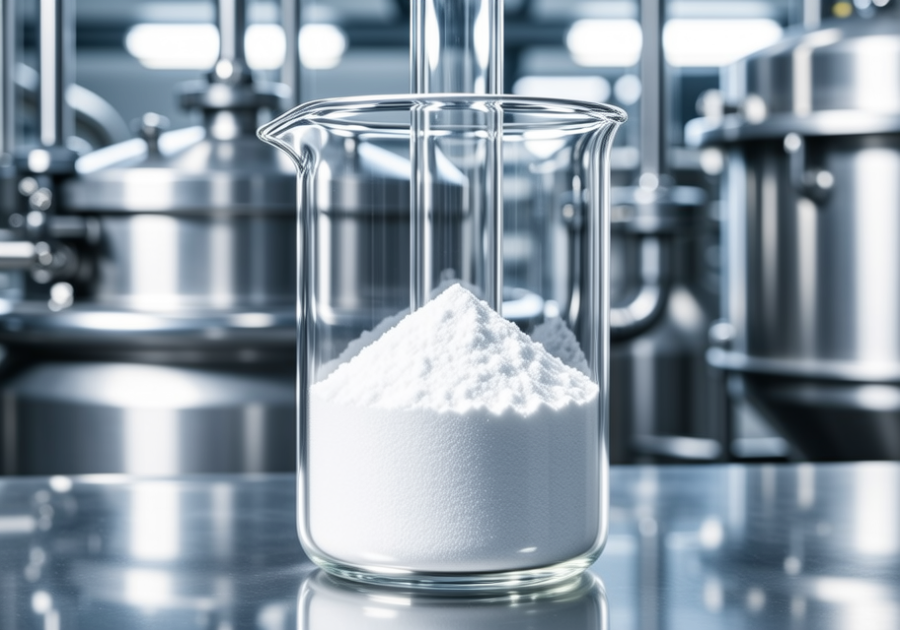
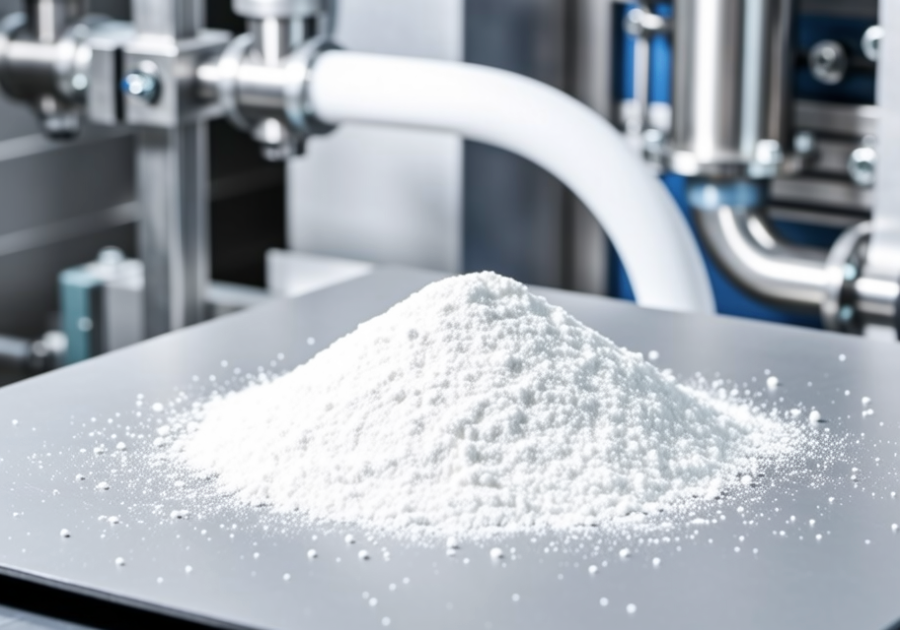
Graphjet Technology, a pioneer in patented processes for directly converting agricultural waste into graphite and graphene, has announced a significant advancement in catalytic graphitization for producing high-quality synthetic graphite through its proprietary green graphite technology.
According to Aiden Lee, Graphjet’s CEO and Co-Founder, synthetic green graphite derived from palm biomass residue has achieved a 99.99% purity and 98.8% graphitization rate, as verified by independent third-party testing. Both metrics exceed the standards for premium-grade graphite. “These results confirm the maturity and reliability of our patented process, underscoring our commitment to delivering industry-leading synthetic graphite with trusted, benchmarked performance. This innovation reinforces our position as a global leader in sustainable graphite production,” Lee stated.
Graphjet’s green graphite process is the world’s first to produce synthetic graphite directly from palm kernel shells—a widely available byproduct in Malaysia and Indonesia. Pilot-scale operations have demonstrated the ability to consistently reach 99.99% purity, validating the technology’s competitiveness against both mined natural graphite and other synthetic graphite manufacturing methods.
The technology’s 98.8% graphitization rate is a key differentiator, as higher graphitization indicates a highly ordered crystal lattice, which enhances both the physical and chemical properties of the graphite. This makes the material exceptionally well-suited for high-performance applications such as lithium-ion battery anodes, thermal management systems, and graphite electrodes.
“Our proprietary catalyst formulation enables us to efficiently produce top-grade graphite while maintaining economic viability,” Lee explained. “Controlling parameters such as temperature, pressure, reaction time, and graphitization gases is critical to achieving such high graphitization levels and performance.” Independent laboratory tests conducted in China have validated these results.
Synthetic graphite is valued for its high thermal conductivity, stability, and chemical resistance, with growing applications across energy storage, high-performance ceramics, and advanced manufacturing. As technology advances, demand for ultra-high-quality synthetic graphite is expected to accelerate. Graphjet’s production capability positions it to play a pivotal role in supporting next-generation electric vehicle batteries and other emerging markets.
Recently, Graphjet commissioned the world’s first and largest green graphite facility in Malaysia, with an annual capacity of 3,000 tonnes of battery-grade graphite—enough to supply an estimated 40,000 electric vehicles per year. Moreover, its process produces only 2.95 kg of CO₂ per kg of graphite, compared to 16.8 kg for natural graphite mining and 17 kg for conventional synthetic graphite manufacturing in China. This makes Graphjet’s technology one of the lowest carbon-footprint graphite production methods globally.

You May Interested In


2026-09-16
Trade Alert
Delivering the latest product trends and industry news straight to your inbox.
(We'll never share your email address with a third-party.)

Related News
-
When the Skin of Ships Gets More Expensive: A 30% Price Shock Is Quietly Rewriting the Cost Floor of Global Shipping
-
Sulfur Price Hits 7,633 CNY/Ton, Up Nearly Sixfold in a Year and a Half; Domestic Refining Giants Halt New Orders Due to Tight Supply
-
Invista Reshuffles Global Nylon 66 Map: Shutting US and UK Plants, Betting Big on China—What Exactly Are They Aiming For?
-
French Cosmetics Exports Poised for First Drop in Over Two Decades in 2025
-
Profits Are Rising, but So Are the Risks—China’s Coatings Industry Is Living Through Its Most Awkward Year
-
China’s Chemical “Spring Surge”: 68.8% of Products Rising—Real Recovery or Just a Pre-Festival Mirage?
-
The Cold Cycle: PVC Market’s Chill and Faint Light Ahead
-
Echoes of Overcapacity: The Structural Anxiety of China’s EVA Industry Chain
-
Sekisui Specialty Chemicals Has Announced a Global Price Increase
-
Honeywell Acquires Johnson Matthey Catalyst Business at a Discount, Cutting £475 Million from the Price
Recommend Reading
-
![“Clearing the Floor”: DKSH’s Privatization of Its Malaysian Subsidiary Signals a Silent Power Shift in Asia’s Supply Chain]()
“Clearing the Floor”: DKSH’s Privatization of Its Malaysian Subsidiary Signals a Silent Power Shift in Asia’s Supply Chain
-
![This Is Not a Price Increase Wave but a Full-Blown Cost Squeeze Across China’s Coatings Chain]()
This Is Not a Price Increase Wave but a Full-Blown Cost Squeeze Across China’s Coatings Chain
-
![Retinol in Cosmetics: Regulatory Tightening and Market Changes]()
Retinol in Cosmetics: Regulatory Tightening and Market Changes
-
![BASF's Zhanjiang Integrated Site Reaches Major Milestone: Butyl Acrylate Production Commences Ahead of Schedule, Steam Cracker Completes Mechanical Completion]()
BASF's Zhanjiang Integrated Site Reaches Major Milestone: Butyl Acrylate Production Commences Ahead of Schedule, Steam Cracker Completes Mechanical Completion
-
![Geno and Sojitz Collaborate to Accelerate the Commercialization of Nylon 6]()
Geno and Sojitz Collaborate to Accelerate the Commercialization of Nylon 6
-
![This Week's Aniline Market Shows a Small Increase (11.17-11.21)]()
This Week's Aniline Market Shows a Small Increase (11.17-11.21)
-
![Ethyl Acetate Market Shows Weak Performance]()
Ethyl Acetate Market Shows Weak Performance
-
![Mid-November Phosphate Market Stabilizes Amidst Gains (11.10–11.20)]()
Mid-November Phosphate Market Stabilizes Amidst Gains (11.10–11.20)
-
![Negative Factors Suppress Adipic Acid Prices in China]()
Negative Factors Suppress Adipic Acid Prices in China
-
![This Week's Chinese Titanium Dioxide Market Remains Stagnant (11.17-11.22)]()
This Week's Chinese Titanium Dioxide Market Remains Stagnant (11.17-11.22)




- Hot Searches
- chemir
- propylene glycol prices
- disodium octaborate tetrahydrate distributor
- where to buy reta peptide
- urea fertilizer price
- where to buy cerebrolysin
- butane prices
- ethylene vinyl acetate price
- retatrutide peptide supplier
- polypropylene price per ton in nigeria 2026
- ag chemi
- tci 4-chlorobenzaldehyde 25 g price