Nitrocellulose Uses: Film, Nail Polish & Industrial Applications
Nitrocellulose has left its mark on cinema, industry, and everyday products. Its strengths—fast drying and film formation—are matched by its weakness: high flammability. Knowing both sides is key to safe use.
Chemical Profile
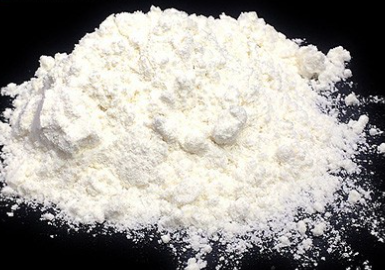
Nitrocellulose is produced when natural cellulose fibers are treated with nitric and sulfuric acids. This process introduces nitrate groups, transforming a stable natural material into one that burns rapidly and dissolves in many organic solvents. Depending on how much nitration occurs, nitrocellulose may be suitable for explosives or for coatings and finishes. Lower nitration grades are the ones that have found widespread industrial and consumer uses.
It is best known for drying fast, forming tough and glossy films, and blending well with other ingredients in lacquers or polishes. These chemical traits explain why nitrocellulose uses in film and industrial applications became so widespread in the late 19th and 20th centuries.
Nitrocellulose Uses in Film and Industrial Applications
Early cinema relied on nitrocellulose film stock. Its clarity, strength, and flexibility made it a perfect base for photographic emulsions. However, history records many tragic fires in theaters and archives, a consequence of its unstable and combustible nature. By the mid-20th century, safer alternatives such as acetate and polyester had replaced it.
In industrial and consumer goods, nitrocellulose earned a more lasting role. It has been central to wood finishes, quick-drying paints, and printing inks. The cosmetics industry still depends on it: in nail polish, nitrocellulose is the film former that provides shine and durability. In furniture or automotive coatings, it adds protection while allowing fast production cycles. These cases show how one compound linked entertainment, fashion, and heavy industry.
Safety and Handling
The main drawback is safety. Nitrocellulose ignites easily and can self-decompose if stored under poor conditions. Agencies such as OSHA highlight the need for cool, ventilated storage and restrictions on how much can be stored in one place. Industrial facilities also add stabilizers to reduce decomposition and follow strict fire prevention measures.
For consumers, the risk is much smaller. In nail polish, for instance, nitrocellulose is diluted with solvents and additives, making it safe for daily use. Still, it should be kept away from open flames or high heat. Professionals handling large amounts of nitrocellulose must respect safety guidelines to avoid repeating the disasters of early film storage.
Key Applications at a Glance
| Field | Main Advantage | Challenge |
|---|---|---|
| Film (historical) | Clear, flexible, durable film base | Highly flammable, unstable in storage |
| Nail Polish | Glossy finish, chip resistance | Flammable during use |
| Industrial Coatings | Fast drying, protective finish | Requires solvent safety control |
Conclusion
Nitrocellulose has a dual legacy. It made cinema possible, gave consumer products their finish, and boosted efficiency in coatings. At the same time, it caused fires and shaped strict safety regulations. Understanding nitrocellulose uses in film and industrial applications helps balance appreciation for its contributions with awareness of its risks. When managed carefully, it continues to serve as a reliable and versatile material.
Looking for chemical products? Let suppliers reach out to you!
You May Interested In


Glow70/KLOW80 99% China Peptides Warehouse Direct Delivery Lyophilized Powder in Stock
$169/UNIT FOB


2026-10-23
Trade Alert
Delivering the latest product trends and industry news straight to your inbox.
(We'll never share your email address with a third-party.)

Related News
-
Uses and Properties of 3-Methyl-1-Butanol
-
Key Reactions and Uses of Lithium Aluminum Hydride
-
Calcium Sulfate: Properties, Uses, and Applications
-
Phosphoric Acid: Uses in Cola, Rust Removal, and Fertilizers Explained
-
Silver Nitrate: Medical Uses, Photography History, and Staining Properties
-
A New Weapon Against Spider Mites: Canada Moves to Approve Novel Miticide for Greenhouse Growers
-
What is Sodium Hipoklorit? (Definition, Uses & Safety)
-
Sodium Nitrate: Fertilizer, Food Preservative, and Chemical Properties
-
Understanding PCl5: Compound Name and Uses
-
Methanol Methyl Alcohol vs Ethanol: Toxicity, Fuel Uses, and Industrial Solvent Safety
Recommend Reading
-
![Glycopyrronium: Pharmaceutical Applications, Mechanism, and Chemical Specs]()
Glycopyrronium: Pharmaceutical Applications, Mechanism, and Chemical Specs
-
![Isoascorbic Acid: Uses and Safety]()
Isoascorbic Acid: Uses and Safety
-
![Applications of Caesium Iodide]()
Applications of Caesium Iodide
-
![Uses and Properties of Copper Acetate]()
Uses and Properties of Copper Acetate
-
![Chemical Properties and Uses of Tetraetil]()
Chemical Properties and Uses of Tetraetil
-
![This Week's Styrene Market Narrowly Declined (9.14-9.18)]()
This Week's Styrene Market Narrowly Declined (9.14-9.18)
-
![Business Society’s Market Outlook for Phthalic Anhydride on September 2, 2026: Volatile and Bearish]()
Business Society’s Market Outlook for Phthalic Anhydride on September 2, 2026: Volatile and Bearish
-
![This Week's Polymeric MDI Market Narrowly Consolidated in China (9.14-9.18)]()
This Week's Polymeric MDI Market Narrowly Consolidated in China (9.14-9.18)
-
![Business Society’s Market Outlook for Propylene Oxide on September 2, 2026: Volatile (Bullish Bias)]()
Business Society’s Market Outlook for Propylene Oxide on September 2, 2026: Volatile (Bullish Bias)
-
![Coking Coal Market Generally Stable with Minor Fluctuations, Five Consecutive Rounds of Price Increases Implemented in China]()
Coking Coal Market Generally Stable with Minor Fluctuations, Five Consecutive Rounds of Price Increases Implemented in China