Cocamidopropyl Betaine: Uses, Benefits, and Safety
Understanding Cocamidopropyl Betaine
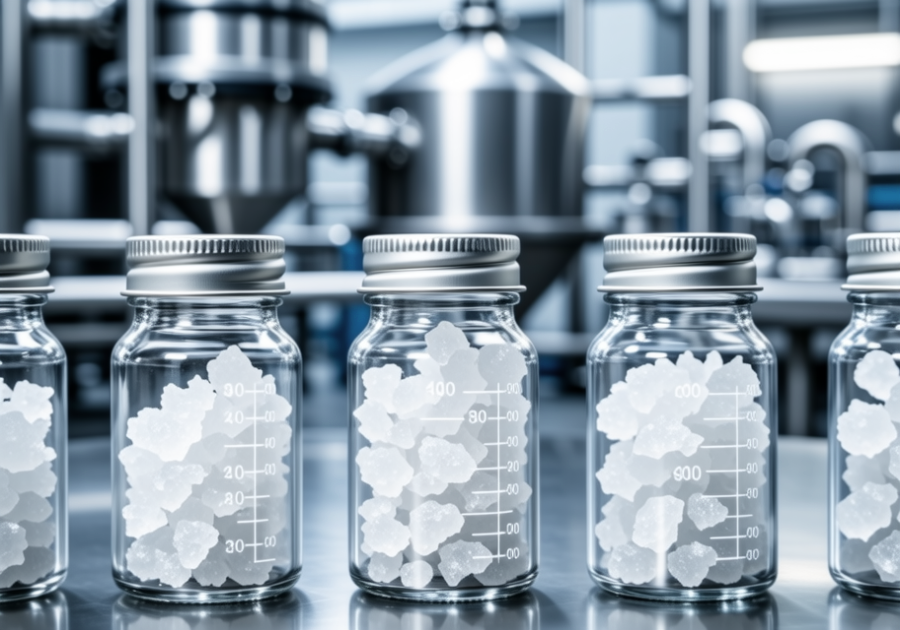
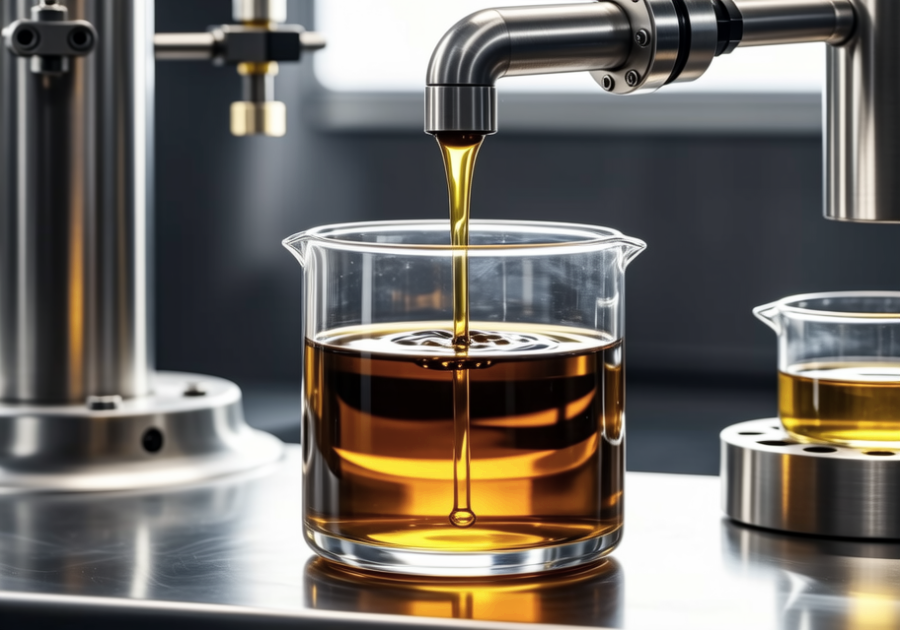
Cocamidopropyl Betaine (CAPB) is a mild, coconut oil–derived surfactant that helps cleansers and shampoos create rich, stable foam while remaining gentle on skin and hair. Its amphoteric nature allows it to balance between cleaning power and skin compatibility, making it a common choice in both premium and everyday personal care products.
Chemical Characteristics and Functional Role
At the molecular level, Cocamidopropyl Betaine combines a fatty acid chain from coconut oil with a betaine group, giving it both hydrophilic and lipophilic properties. This structure enables it to remove oil and dirt effectively without stripping the skin’s natural moisture barrier. Its versatility is one reason it blends well with anionic and nonionic surfactants in multi-phase formulations.
Below is a summary of the key Cocamidopropyl Betaine chemical properties relevant to formulators and quality control professionals:
| Property | Detail |
|---|---|
| Chemical Formula | C19H38N2O3 |
| Form | Clear to pale yellow viscous liquid |
| Solubility | Fully soluble in water |
| Typical pH (10%) | Between 5.0 and 7.0 |
| Main Function | Mild foaming agent, co-surfactant, viscosity enhancer |
Cocamidopropyl Betaine Uses in Shampoo and Cosmetics
One of the most common Cocamidopropyl Betaine uses in shampoo is to soften the overall formula. When combined with stronger cleansers such as Sodium Lauryl Sulfate, CAPB reduces irritation and adds creaminess to the foam. It also helps increase product viscosity, improving texture and stability. In facial cleansers and body washes, Cocamidopropyl Betaine in cosmetics supports gentle cleansing while maintaining moisture and a pleasant afterfeel on skin.
Cocamidopropyl Betaine vs SLS: What’s the Difference?
The comparison between Cocamidopropyl Betaine vs SLS (Sodium Lauryl Sulfate) highlights a key trend in personal care: balancing performance with gentleness. While SLS is powerful at breaking down oil and buildup, it can be harsh on the skin barrier. CAPB, on the other hand, offers moderate cleansing strength and helps neutralize the harshness of primary surfactants. This makes it ideal for “low-irritation” or “sensitive skin” product lines. Many brands now rely on CAPB as part of sulfate-free or mild cleansing systems.
Functional and Sensory Benefits
Formulators appreciate Cocamidopropyl Betaine not only for its cleansing properties but also for its ability to enhance foam stability and improve hair manageability. In hair care, it helps reduce static and tangling, leaving hair smoother after washing. For skincare applications, it produces a luxurious, cushiony lather and rinses clean without residue. Its compatibility across a broad pH range also allows it to be used in both acidic and neutral formulations.
Safety and Toxicological Assessment
Cocamidopropyl Betaine safety has been reviewed by multiple authorities, including the Cosmetic Ingredient Review (CIR) and the European Chemicals Agency (ECHA). Their findings confirm that CAPB is safe for use in rinse-off products at conventional concentrations. Historically, reports of irritation were linked to residual impurities—mainly amidoamines—formed during synthesis. With today’s purification technologies, these impurities are effectively controlled, minimizing allergenic potential. Most dermatologists consider it one of the safer surfactants available for daily use.
Environmental Impact and Sustainability
CAPB’s partly bio-based origin and biodegradability align with growing sustainability goals within the personal care industry. Manufacturers are investing in improved production routes that reduce energy use and carbon emissions. Because it originates from coconut oil, a renewable resource, CAPB fits into the broader trend toward naturally derived and environmentally responsible ingredients. According to industry analyses, the demand for mild, eco-conscious surfactants continues to rise across Asia-Pacific, Europe, and North America.
Market Outlook and Consumer Trends
The global market for Cocamidopropyl Betaine is expanding steadily as consumers seek gentler formulations without compromising on cleansing effectiveness. Demand growth is especially strong in sulfate-free shampoos, sensitive-skin cleansers, and baby care products. Industry data suggest that CAPB-based formulations will continue to replace harsher agents, supported by consumer preference for “mild yet effective” solutions.
Conclusion
Cocamidopropyl Betaine has become a cornerstone ingredient in the formulation of gentle cleansers and personal care products. Its balance of effectiveness, mildness, and environmental compatibility makes it an essential surfactant for the next generation of cosmetic and hygiene innovations. As the industry evolves toward safer and greener chemistry, CAPB’s relevance will only continue to grow.
Looking for chemical products? Let suppliers reach out to you!
You May Interested In


Glow70/KLOW80 99% China Peptides Warehouse Direct Delivery Lyophilized Powder in Stock
$169/UNIT FOB


2026-10-24
Trade Alert
Delivering the latest product trends and industry news straight to your inbox.
(We'll never share your email address with a third-party.)

Related News
-
From “Made in China” to “Created in China”
-
COSMOPROF WORLDWIDE BOLOGNA PRESENTS “THE INVISIBLE BEAUTY”, THE PROJECT REVEALING WHAT MAKES BEAUTY POSSIBLE
-
Skin longevity, biotech, fragrance and sensory beauty take centre stage as in-cosmetics Asia returns to Bangkok
-
Skin longevity, biotech, fragrance and sensory beauty take centre stage as in-cosmetics Asia returns to Bangkok
-
COSMOPROF WORLDWIDE BOLOGNA ANNOUNCES 2027 DATES AND UNVEILS A NEW LAYOUT FOR ITS 60TH ANNIVERSARY EDITION
-
in-cosmetics Global launches the first Nutricosmetics Ingredient Index
-
in-cosmetics Global reveals line-up for 2026 programme curated for innovation
-
IN-COSMETICS GLOBAL TO LAUNCH FIRST DEDICATED INNER BEAUTY ZONE FOR NUTRICOSMETIC INNOVATIONS IN 2026
-
What is a Surfactant? (Definition, Types, and How They Work)
-
COSMOPROF WORLDWIDE BOLOGNA 2026: A GLOBAL BEAUTY ECOSYSTEM IN CONTINUOUS EVOLUTION
Recommend Reading
-
![Potassium Carbonate: Properties, Uses, and Applications]()
Potassium Carbonate: Properties, Uses, and Applications
-
![Uses and Properties of Copper Acetate]()
Uses and Properties of Copper Acetate
-
![A New Weapon Against Spider Mites: Canada Moves to Approve Novel Miticide for Greenhouse Growers]()
A New Weapon Against Spider Mites: Canada Moves to Approve Novel Miticide for Greenhouse Growers
-
![Understanding PCl5: Compound Name and Uses]()
Understanding PCl5: Compound Name and Uses
-
![Isoascorbic Acid: Uses and Safety]()
Isoascorbic Acid: Uses and Safety
-
![Business Society’s Maleic Anhydride Trend Analysis for September 16, 2026: Fluctuating]()
Business Society’s Maleic Anhydride Trend Analysis for September 16, 2026: Fluctuating
-
![Business Society’s Palm Oil Trend Analysis for September 17, 2026: Volatile]()
Business Society’s Palm Oil Trend Analysis for September 17, 2026: Volatile
-
![Business Society’s Acrylonitrile Trend Analysis for September 17, 2026: Strong Rebound]()
Business Society’s Acrylonitrile Trend Analysis for September 17, 2026: Strong Rebound
-
![This week, the coke market in China showed a narrow and weak trend (10.17-10.24)]()
This week, the coke market in China showed a narrow and weak trend (10.17-10.24)
-
![Business Society’s Market Outlook for Polyester Staple Fiber on September 4, 2026: Clearly Upward]()
Business Society’s Market Outlook for Polyester Staple Fiber on September 4, 2026: Clearly Upward