Uses of Sodium Citrate Dihydrate in Food Industry
In food manufacturing, few ingredients are valued for both their technical reliability and regulatory acceptance. Sodium citrate dihydrate belongs to this small group. Rather than serving a single purpose, it supports multiple formulation goals at once, which explains its long-standing use across dairy, beverages, and processed foods.
From a production standpoint, the question is rarely whether sodium citrate dihydrate works, but how it can be applied efficiently without altering the intended sensory profile. This article focuses on real-world food industry use, explaining what the compound does, why it is trusted, and where it offers the most functional value.
Understanding Sodium Citrate Dihydrate
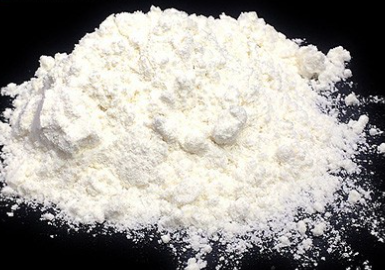
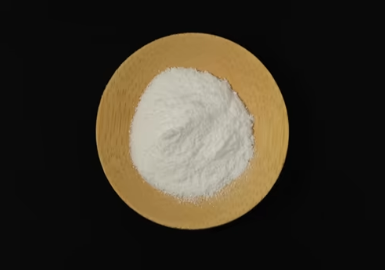
Sodium citrate dihydrate is a sodium salt of citric acid containing two molecules of bound water. It is supplied as a free-flowing white crystalline powder, easily soluble in water and neutral to mildly saline in taste. These characteristics make it simple to handle during large-scale production.
Its performance in food systems is closely linked to sodium citrate dihydrate chemical properties. Most notably, it acts as a buffering agent, helping maintain a stable pH range even when other acidic or alkaline ingredients are present. For manufacturers, this predictability reduces formulation risk.
Why Food Technologists Rely on It
Consistency is a major concern in commercial food production. Variations in raw materials, storage conditions, or processing temperatures can all influence final product quality. Sodium citrate dihydrate helps minimize these variations by stabilizing acidity and supporting uniform reactions.
Its widespread acceptance by authorities such as the U.S. Food and Drug Administration and the European Food Safety Authority further reinforces confidence. Being well-documented and clearly regulated allows companies to scale production without unexpected compliance issues.
Applications of Sodium Citrate Dihydrate in Food Products
The practical uses of sodium citrate dihydrate in food extend across many categories. Instead of focusing on theoretical functions, the table below summarizes how it is applied in everyday manufacturing environments.
| Product Type | Function in Formulation | Result in Finished Product |
|---|---|---|
| Dairy and Cheese | Emulsification and buffering | Improved meltability and uniform texture |
| Carbonated & Non-carbonated Beverages | Acidity adjustment | Smoother taste and controlled tartness |
| Processed Meat Products | pH stabilization | Better color retention and shelf stability |
| Baked Goods | Leavening system support | Consistent rise and structure |
| Confectionery | Flavor balancing | Reduced sharp acidity without masking sweetness |
Sodium Citrate Dihydrate as an Additive
When used as additive, sodium citrate dihydrate offers a practical advantage over stronger acids or bases. It allows gradual pH adjustment rather than abrupt changes, which is particularly important in sensitive systems like dairy emulsions or fruit-based drinks.
Another often overlooked benefit is its chelating ability. By binding trace metal ions, sodium citrate dihydrate helps slow oxidation reactions. This contributes to longer shelf life and reduces the likelihood of off-flavors developing during storage.
Importance in Cheese and Dairy Processing
In cheese manufacturing, sodium citrate dihydrate functions as an emulsifying salt. It enables fats and proteins to interact evenly, preventing separation when the product is heated or melted. Without this interaction, processed cheese would lack the smooth consistency consumers expect.
Industry experience shows that even small dosage adjustments can influence texture and melt behavior. This level of control explains why sodium citrate remains a standard component in processed cheese formulations worldwide.
Use in Beverage Formulations
Beverage producers often use sodium citrate dihydrate to fine-tune acidity without introducing harsh sour notes. In sports and functional drinks, it also contributes to electrolyte balance, supporting both taste and performance expectations.
Organizations such as the World Health Organization have long recognized citrate salts as suitable components in oral rehydration solutions, reinforcing their credibility in beverage systems.
Safety Profile and Regulatory Perspective
From a safety perspective, sodium citrate dihydrate is metabolized naturally as part of the citric acid cycle. When applied according to good manufacturing practices, it does not present accumulation or toxicity concerns.
Usage limits are clearly defined across major markets, allowing manufacturers to formulate products confidently while meeting labeling and compliance requirements.
Final Thoughts
Sodium citrate dihydrate continues to play a quiet but essential role in the food industry. Its ability to stabilize, balance, and protect food systems makes it more than a simple acidity regulator. Backed by chemistry, regulatory approval, and decades of use, it remains a dependable choice for modern food production.
Looking for chemical products? Let suppliers reach out to you!
You May Interested In


2026-09-30
Trade Alert
Delivering the latest product trends and industry news straight to your inbox.
(We'll never share your email address with a third-party.)

Related News
-
Acidity regulator, do you know all these knowledge points?
-
Microcrystalline Cellulose: Applications in Pharmaceuticals
-
Sodium Hydroxide (Caustic Soda): Soap Making, Cleaning, and pH Control Guide
-
Paraffin Wax vs. Beeswax: Candles, Cosmetics, and Industrial Applications
-
Lanolin: Benefits for Skin, Cosmetic Uses, and Allergy Risks
-
Key Reactions and Uses of Allene
-
Uses of Sodium Acetate Trihydrate
-
Applications of Copper Sulfate Pentahydrate
-
Fipronil: Uses, Safety, and Environmental Impact
-
Ethylene Glycol: Production, Uses, and Safety
Recommend Reading
-
![Nature’s Blueprint, Science’s Edge: Corteva Unveils Twin Breakthroughs to Tackle the $70 Billion Insect Threat]()
Nature’s Blueprint, Science’s Edge: Corteva Unveils Twin Breakthroughs to Tackle the $70 Billion Insect Threat
-
![Chemical Properties and Uses of Tetraetil]()
Chemical Properties and Uses of Tetraetil
-
![Applications of Caesium Iodide]()
Applications of Caesium Iodide
-
![Methylamine: Chemical Properties, Synthesis, and Industrial Applications]()
Methylamine: Chemical Properties, Synthesis, and Industrial Applications
-
![Melamine: Toxicity, Industrial Resin Uses, and Food Safety Scandals]()
Melamine: Toxicity, Industrial Resin Uses, and Food Safety Scandals
-
![DMF Primarily in Oscillating Mode; Upside Potential Limited]()
DMF Primarily in Oscillating Mode; Upside Potential Limited
-
![How Geopolitical Conflicts in the Middle East Ignite the Melamine Market with a Monthly Price Increase of Nearly 27% in China!]()
How Geopolitical Conflicts in the Middle East Ignite the Melamine Market with a Monthly Price Increase of Nearly 27% in China!
-
![Business Society’s PTA Trend Analysis for September 14, 2026: Volatile]()
Business Society’s PTA Trend Analysis for September 14, 2026: Volatile
-
![Business Society’s Acrylonitrile Trend Analysis for September 14, 2026: Anti-Depreciation Alert]()
Business Society’s Acrylonitrile Trend Analysis for September 14, 2026: Anti-Depreciation Alert
-
![Business Society PVC Trend Analysis for September 14, 2026: High-Range Fluctuations]()
Business Society PVC Trend Analysis for September 14, 2026: High-Range Fluctuations