Chemical recycling of plastic waste
Plastics do have proven benefits during their use phase – for example preservation of food loss, lightweight construction of vehicles and building insulation. Plastic waste, however, and in particular plastic waste in the context of marine littering, is perceived as a major global challenge. There is also increasing regulatory pressure regarding recycling quota and recyclability on the one hand and strong commitments of our customers towards increasing the share of recycled material in their offerings on the other hand. Solving these challenges requires innovation and joint efforts globally across the value chain. We will contribute to tackling this.
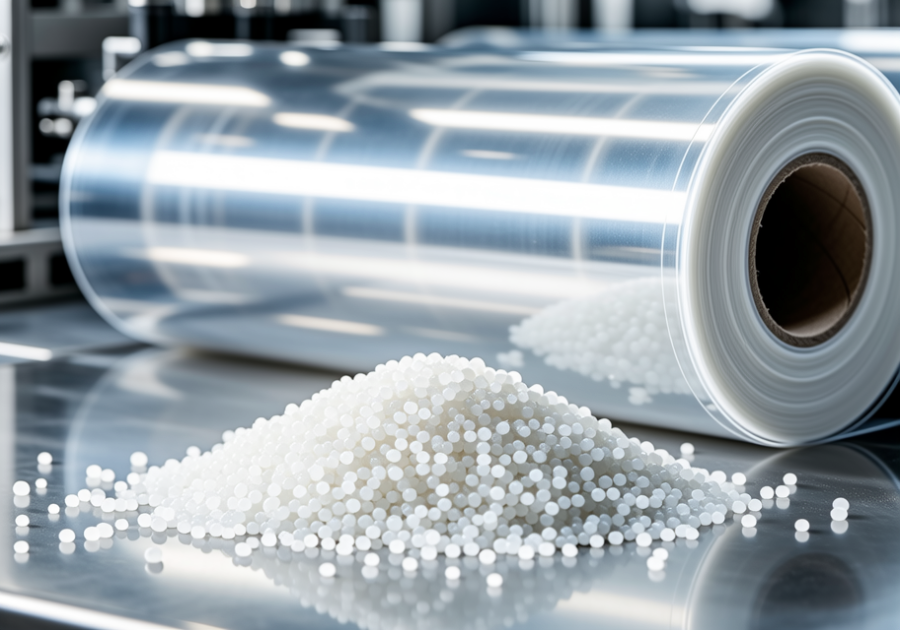
Since mechanical recycling is limited because of an increase of residues in the material in each cycle, a team across BASF has taken up this challenge and developed the ChemCycling project. With chemical recycling, fossil resources for chemical production can be replaced with recycled material from plastic waste. How does it work? Plastic waste will be transformed into a raw material using thermochemical processes. The raw material can be fed into the Verbund to create new chemical products with excellent product performance based on recycled plastic waste.
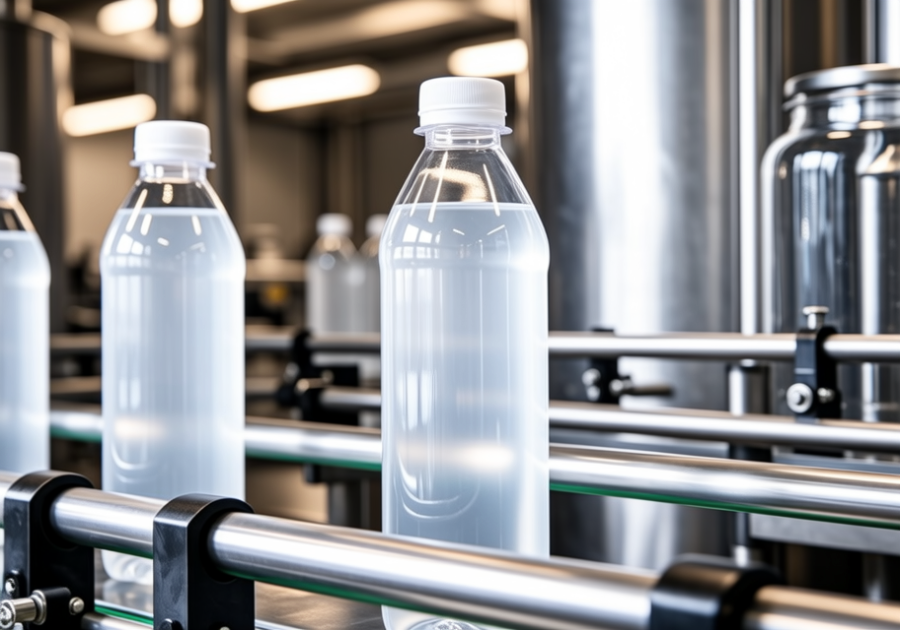
We help the market to make materials recyclable which could not be recycled so far – for example, multi-layer or plastics with residues. This contributes to achieving recycling targets efficiently. Chemical recycling can help reduce the proportion of plastic waste which ends up in landfill or incineration. However, thermochemical recycling needs acceptance as recycling from market and regulators. There are many open questions with regards to technology, economy and regulation. We closely engage with the relevant stakeholders to tackle these challenges.
With eco-efficiency analysis we ensure that the innovative approach creates value for the environment. Moreover, chemical recycling represents an exciting business opportunity for us and our customers, as the resulting products are of equal quality to the products derived from fossil feedstock. We are currently working with customers to produce the first prototypes for customer products with chemically recycled material.

3 Megatrends in the Chemical Industry
You May Interested In


High Quality β-Nicotinamide adenine dinucleotide CAS 53-84-9 NADwith ready stock and best price
$3E+1/UNIT FOB


2026-10-23
Trade Alert
Delivering the latest product trends and industry news straight to your inbox.
(We'll never share your email address with a third-party.)

Related News
-
Purtiso Advances Chemical Recycling of Polyurethane Waste by Recovering Polyols and Isocyanates
-
U.S.-Iran Détente Triggers Oil Price Plunge, Energy and Chemical Sectors Tumble
-
"Zipper-Like" Opening and Closing of Hormuz Coupled with Russian Export Ban Send Energy and Chemical Prices Soaring
-
Global Countries Impose Tariffs on Chinese Chemical Products
-
AUTOMA Chem 2026: Powering Industry 4.0 in Chemistry
-
Chemical Raw Materials: How to Source Quality Suppliers & Understand Grades
-
Big adjustment! Basf quietly closed 11 factories in Germany and transferred to China for plant investment!
-
Fluorine chemical: profit generally declined, under the pressure to expand profit space
-
Chemical production in the 27 EU countries has continued to recover, and the market recovery is still cautious
-
China: The development of green agricultural is the trend, and the future focus is on innovation and quality
Recommend Reading
-
![Global Biologicals M&A Storm: How 2025 Redrew the Agricultural Innovation Map]()
Global Biologicals M&A Storm: How 2025 Redrew the Agricultural Innovation Map
-
![Deméter Enters China with a Stress-Focused Pitch]()
Deméter Enters China with a Stress-Focused Pitch
-
![ANVISA Updates Additive Rules]()
ANVISA Updates Additive Rules
-
![He Spent 40 Years at Nestlé—Then Was “Cleared Out” Days After Becoming CEO: This Isn’t a Scandal, It’s Capital’s Coldest Face]()
He Spent 40 Years at Nestlé—Then Was “Cleared Out” Days After Becoming CEO: This Isn’t a Scandal, It’s Capital’s Coldest Face
-
![Fertilizer Prices Put U.S. Farmers Under Pressure]()
Fertilizer Prices Put U.S. Farmers Under Pressure
-
![Syngenta Caught in Trade Crossfire]()
Syngenta Caught in Trade Crossfire
-
![FDA Orders Removal of “Suicidality Warning”: Are Weight-Loss Blockbusters Finally Cleared—or Is Regulators Giving the Market a Reality Check?]()
FDA Orders Removal of “Suicidality Warning”: Are Weight-Loss Blockbusters Finally Cleared—or Is Regulators Giving the Market a Reality Check?
-
![Supportive Factors Drive Recent Polyethylene Price Increases in China]()
Supportive Factors Drive Recent Polyethylene Price Increases in China
-
![India Prepares New Seed and Pesticide Laws]()
India Prepares New Seed and Pesticide Laws
-
![Polyester bottle flakes this week showed an initial rise followed by a decline, but remained generally stable.]()
Polyester bottle flakes this week showed an initial rise followed by a decline, but remained generally stable.