The Growth Rate Of Automobile Foam Materials Is Amazing
Automotive foams provide cushioning and sound management and are commonly used in windscreens, instrument panels, door panels and headliners. These foams consist of solid and gaseous phases that are mixed together to form plastic foam.
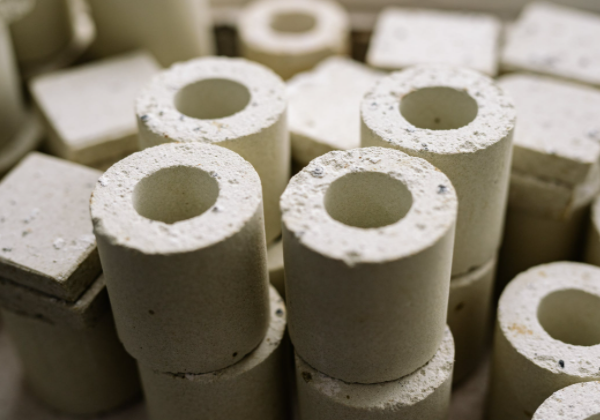
FOAM MATERIAL
The main types of common automotive foams are PU foam, EPP foam, PE foam, EPDM foam and CR foam.
PU (polyurethane) foam materials are divided into four main categories: flexible polyurethane foam, rigid polyurethane foam, semi-rigid polyurethane foam and self-crusting polyurethane foam, which are widely used in the automotive field because of their light weight, thermal insulation, good resilience, comfort, low temperature performance, durability, safety and good vibration absorption.
Flexible polyurethane foam is characterized by good toughness, small permanent deformation in compression and quick rebound. It is generally used for automotive sound insulation cushions, roof linings, carpet backings, cushions, backrests, headrests, etc.
In recent years, dual or multi-hardness foam formed by multi-head extrusion moulds or MDI cold moulding process has been favoured as a material for car cushions to better enhance the comfort of cushions.
Semi-rigid polyurethane foam has a high compression load, outstanding vibration damping properties and is ideally suited to the manufacture of protective cushioning materials for automotive dashboards, armrests, door pillars and other components. Among these, semi-rigid polyurethane foam + skin dashboards are popular as an alternative to traditional rigid PP dashboards for better safety and comfort.
Rigid polyurethane foam has excellent insulation properties, high strength, flame retardancy, dimensional stability and chemical resistance, and is used as insulation material for engine hoods and in the compartments of luxury buses and refrigerated vehicles.
Self-skinned polyurethane foam, also known as integral skin moulded foam, relies on the foam component to form the surface material and foam core at once during foaming and forming, and has good physical and mechanical properties. It is widely used for steering wheels, armrests, headrests, door handles, etc.
EPP (polypropylene) foam is a foam material formed by foaming with polypropylene resin as the base. In addition to its high heat resistance, high impact energy absorption capacity, good resilience and thermoformability, it also has the advantage of being recyclable. It is widely used for interior and exterior parts of cars such as bumpers, floor guards and sun visors.
Cross-linked PE (polyethylene) foam has good flexibility and thermal insulation, high mechanical strength, low water absorption, high chemical resistance and weather resistance, and superior buffering properties. It is used in automotive interior finishes, luggage compartments, floor mats, side panels, heat insulation mats, sealing strips, door inner guards, door waterproof curtains, sun visors and other parts of the car.
EPDM foam, also known as EPDM foam, is a foam material with EPDM rubber as the base. EPDM foam is mainly used as a filling and sealing material for door panels, dashboards, headliners, sunroofs and other parts of the vehicle.
CR foam is a neoprene-based foam material with excellent resistance to oxidation, non-flammability, acid and alkali resistance and ageing resistance. However, its cold resistance is poor, insulation is not good, and the application cost is relatively high. Generally, CR is mostly used to mix with EPDM rubber to produce foamed products.
In automotive lightweight materials, microcellular foams are one of the main topics of competing research in the industry. Microfoam is a physical foaming method that has received much attention in recent years. It uses CO2, N2 and other inert gases as foaming agents to produce foams with micron-sized pore diameters and 109-1015 pore densities/cm3.
Microfoam can meet the strength requirements of parts based on the effect of lightweight, in the automotive field is also increasingly used. Such as automotive interiors, exteriors and electronic appliances. Compared to conventional injection moulded materials, microcellular foams are lighter, more energy efficient and less costly.
Compared to unfoamed materials, the specific weight of the material can be reduced by up to 35% and the weight of the product can even be reduced by up to 45%. The overall cost of the product can be reduced by more than 10%. In addition, the emission of potentially harmful substances, such as VOCs, fogging, etc., can be effectively reduced.
Asahi Kasei has developed polyamide foams that can be processed in a steam moulding process on standard polystyrene moulding equipment. They have the typical heat, chemical and oil resistance of polyamides, and at the same time offer excellent rigidity or noise reduction, making them a very promising alternative for automotive applications, as well as for insulators, pipes, gaskets or other lightweight components for electric vehicle batteries.
Moreover, polyamide foam also has sound insulation properties and has potential for use in all parts of the vehicle. In particular, it is used in engine hoods to help reduce weight and noise. The material also helps to enhance interior comfort and can be used in roof, seat and floor structures.
Crestron and the Swiss company produce foam from CO2 that can be used in car interiors. The foams used in the automotive industry can now be made partly from CO2 as a polyol feedstock, replacing fossil feedstocks such as crude oil. The share of sustainable components in the final foam product is more than 13 percent.
In addition, the VOC (Volatile Organic Compounds) and FOG (Non-Volatile Hydrocarbons) values of OBoNature foams are well below the current relevant limit values. These foams have been tested to FMVSS 302 for flame retardancy.
Furthermore, the material has excellent lamination properties, is suitable for rapid processing, can be used for durable lightweight components in electric and hybrid vehicles and offers good hydrolytic stability. FoamPartner's OBoNature range of foams currently comprises three versions, all targeted at specific automotive interior applications, and is available worldwide.
For domestic enterprises, IXPE materials, IXPP materials and other new-generation green foams excel over traditional plastics in terms of waterproof sealing, sound insulation and noise reduction, cushioning and shock absorption, and the production process is green and environmentally friendly.
In the automotive field, Xiangyuan New Material's current IXPE and IXPP products are mainly used in automotive air ducts, waterproof films for automotive panels and other automotive interior parts, as well as soft packaging and protective materials for lithium batteries in new energy vehicles.
As sound insulation, flame retardant, heat insulation and shock absorption materials, RUNYANG Technology's special series of IXPE products are used in automobile engines, doors, roofs and trunks, and the interior of centre consoles.
Regionally, the fastest growing market for automotive foams is Asia Pacific. The growing production and sales of electric vehicles in developing economies, particularly in China, India and South East Asia, are expected to increase demand for automotive foams significantly in the coming years.
Incentives and subsidies from the Chinese government for electric vehicle manufacturers and buyers have increased the demand for automotive foams to meet the target of approximately 35 million electric vehicles by 2025.
FOAM EXPO China, the exhibition platform dedicated to bringing together China's foam industry chain and promoting the upgrading and reinvention of the industry, will certainly contribute itself to the achievement of this goal and the lightweighting, low-carbon and intelligentisation of automobiles, and provide further opportunities for the development of the industry.
In the Middle East and Africa, retail and tourism in the UAE and Saudi Arabia are expected to grow significantly, increasing the demand for light and heavy commercial trucks for the transport of products. In Latin America, the main producers and exporters of vehicles and components are Brazil and Mexico.
The region's economic stability and increasing modernisation are driving the automotive industry and thus the growth of the regional market. Increased research and development into various automotive materials to improve fuel efficiency is driving the North American automotive foams market.
It is worth noting that the FOAM EXPO brand was launched in North America five years ago and FOAM EXPO North America is now the world's leading exhibition and conference for the industrial foaming industry. The fifth edition of FOAM EXPO North America will also take place in Michigan, USA, from 28-30 June 2022.

You May Interested In


High Quality β-Nicotinamide adenine dinucleotide CAS 53-84-9 NADwith ready stock and best price
$3/UNIT FOB


2026-10-03
Trade Alert
Delivering the latest product trends and industry news straight to your inbox.
(We'll never share your email address with a third-party.)

Related News
-
What Are the Differences Between PU and TPU?
-
Interfoam Vietnam 2023
-
Wanhua chemical polyurethane hard foam recovery pilot plant started successfully
-
Redefine Foams' The 2nd Foams and Applications International Forum
-
New Energy Vehicles Explode The Market
-
Foam Expo China 2022
-
How Much do You Know about Foaming Materials?
-
Adhesives and Foam Industry Sector Meets at This Exhibition
-
Putech Eurasia 2021
-
Foam Eurasia
Recommend Reading
-
![]()
"No available slots" returns as global shipping rates skyrocket amid multiple factors
-
Japanese Plastics Market Accelerates its Shifts to Recycled Materials and Bioplastics
-
![German Chemical Sentiment Hits a Three-Year Low: Supply Disruption Amplifies Pressure on European Manufacturing]()
German Chemical Sentiment Hits a Three-Year Low: Supply Disruption Amplifies Pressure on European Manufacturing
-
![Asia’s Plastics Chain Faces a Shock: Tight Naphtha Supply Drives Up Polymer Costs]()
Asia’s Plastics Chain Faces a Shock: Tight Naphtha Supply Drives Up Polymer Costs
-
![Libya’s Largest Refinery Faces Full Shutdown After Five Rounds of Airstrikes]()
Libya’s Largest Refinery Faces Full Shutdown After Five Rounds of Airstrikes
-
![Business Society’s Market Outlook for Acetic Acid on August 11, 2026: Volatile and Tending to Weaken]()
Business Society’s Market Outlook for Acetic Acid on August 11, 2026: Volatile and Tending to Weaken
-
![August 10, 2026—Xinol Market Outlook]()
August 10, 2026—Xinol Market Outlook
-
![Business Society’s Market Outlook for Epichlorohydrin on August 10, 2026: Overall, a Correction Signal After Strong Consolidation]()
Business Society’s Market Outlook for Epichlorohydrin on August 10, 2026: Overall, a Correction Signal After Strong Consolidation
-
![Business Society’s Market Outlook for Aniline on August 12, 2026: Volatile Trend]()
Business Society’s Market Outlook for Aniline on August 12, 2026: Volatile Trend
-
![August 10, 2026 DOP Market Outlook]()
August 10, 2026 DOP Market Outlook