Everything You Need To Know How to Separate Water and Vinegar
How to Separate Water and Vinegar
One of the questions we often ask ourselves is: how to separate water and vinegar?
Vinegar is considered a liquid since it is composed of water and acetic acid. Acetic acid is a weak organic acid that has a sour taste. Water, on the other hand, is a tasteless and odorless substance.
This article will talk about separating water and vinegar, the processes involved, and why we need to do that.
How Should You Separate Water and Vinegar?
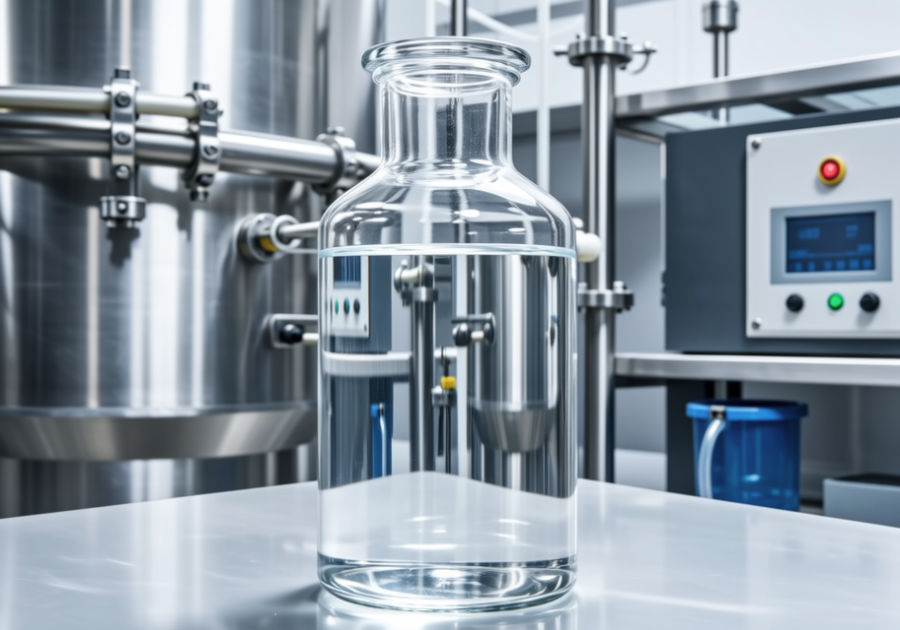
There are many different ways how to separate water and vinegar. One of those is to use a separatory funnel. This type of glassware is used to separate two immiscible liquids. You need to pour the vinegar and water mixture into the separatory funnel and then let it sit for a few minutes. After that, you can open the stopcock and allow the vinegar to flow out. The water will stay behind in the separatory funnel.
Another way to separate water and vinegar is by using a coffee filter. This is a very simple process, and all you need is a coffee filter and a container. First, you need to pour the vinegar and water mixture into the container. Then, you need to put the coffee filter over the top of the container. After that, you can let it sit for a few minutes so that the liquid can filter through. The coffee filter will catch the vinegar, and the water will be left behind in the container.
You can also use a cloth or cheesecloth to separate the water and vinegar. This is a very simple process, and all you need is a piece of cloth or cheesecloth and a container. First, you need to pour the vinegar and water mixture into the container. Next, you need to put the cloth or cheesecloth over the top of the container. Let it sit for a few minutes so that the liquid can filter through. Then you can easily separate the two liquids.
Why Do We Need to Separate Water and Vinegar?
There are many reasons why we need to separate water and vinegar. One of those is because vinegar is a weak acid, and it can slowly eat away at things like metal. If you leave metal in vinegar for too long, it will start to erode. This is why it's important to separate the two liquids if you're storing metal in vinegar.
Another reason why we need to separate water and vinegar is that they have different densities. This means that they will separate over time if they are left undisturbed. This can be a problem if you're trying to use both liquids for something.
What Happens if We Don't Separate Water and Vinegar?
If we don't separate water and vinegar, the vinegar will slowly eat away at the metal. This results in rust. It can also cause the water to become contaminated with metal.
In addition, if we don't separate water and vinegar, then the two liquids will eventually separate on their own. This can be a problem if you're trying to use both liquids for something.
So, it's important to separate water and vinegar if you don't want the vinegar to eat away at the metal or if you want to use both liquids for something. Otherwise, you might end up in a mess.
Can Chemicals Be Helpful?
Can chemicals help you how to separate water and vinegar? In some cases, they can. If you have a very difficult time separating the two liquids, you might want to try using https://www.echemi.com/produce/pr1906101031-sodium-hydroxide.html. This is a base that can help to neutralize the vinegar.
To use this chemical, you need to add a small amount to the vinegar and water mixture. Then, it would be best if you let it sit for a few minutes. After that, you can try to separate the liquids again.
If you still have difficulty separating the water and vinegar, you might want to try using another chemical called https://www.echemi.com/produce/pr22040618706-calcium-chloride.html. This is a salt that can help to separate the two liquids.
You need to add a small amount of it to the vinegar and water mixture. Then, it would help if you let it sit for a few minutes, and after that, you can try separating the liquids again.
Conclusion
Separating water and vinegar can be a difficult task, but it's important to do if you don't want the vinegar to eat away at the metal or if you want to use both liquids for something. You can do it by yourself using simple tools such as a coffee filter or enlist the help of chemicals if you're having a difficult time. Either way, it's important to get the job done to avoid any problems later on.
Looking for chemical products? Let suppliers reach out to you!
You May Interested In


2026-10-09
Trade Alert
Delivering the latest product trends and industry news straight to your inbox.
(We'll never share your email address with a third-party.)

Related News
Recommend Reading
-
![Middle East Geopolitical Tensions Intensify, China's SC Crude Oil Futures See Significant Premium Over Brent and WTI]()
Middle East Geopolitical Tensions Intensify, China's SC Crude Oil Futures See Significant Premium Over Brent and WTI
-
![Business Society’s BDO Market Outlook on September 1, 2026: High-Range Fluctuations]()
Business Society’s BDO Market Outlook on September 1, 2026: High-Range Fluctuations
-
![Business Society’s Market Outlook for Acrylic Acid on September 2, 2026: Fluctuating Trend]()
Business Society’s Market Outlook for Acrylic Acid on September 2, 2026: Fluctuating Trend
-
![Chemical Properties and Uses of Tetraetil]()
Chemical Properties and Uses of Tetraetil
-
![Business Society’s Market Outlook for Ethanol on September 1, 2026: Volatile Consolidation]()
Business Society’s Market Outlook for Ethanol on September 1, 2026: Volatile Consolidation