
What is the uses of organic citric acid bulk
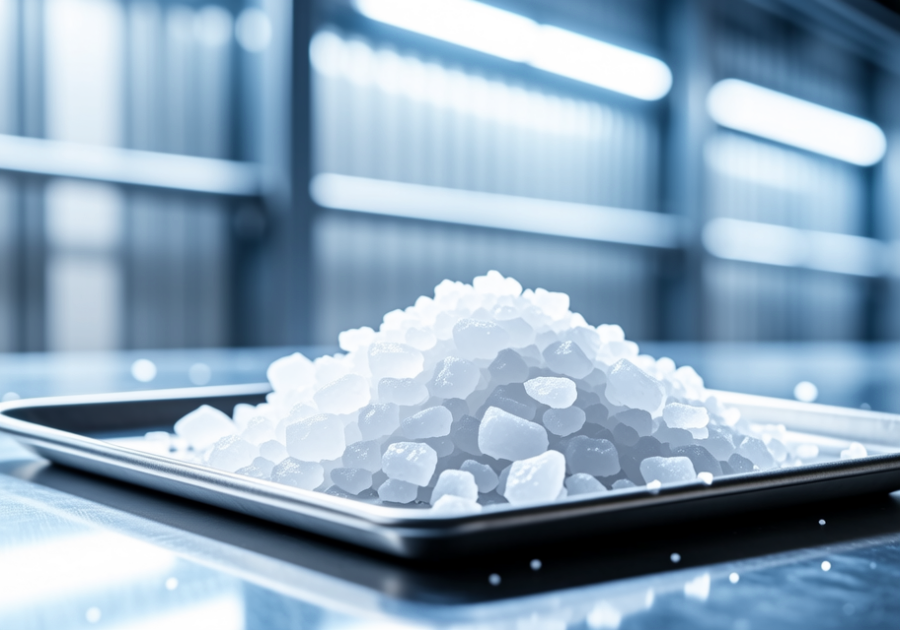
Organic citric acid bulk is an excellent compound for food processing as it has many functionalities and is eco-friendly. It is used to process a number of things such as beverage, dairy products, animal feeds, oils and fats, fruit juices, sorbets, breads and pastries. A number of major companies and plants in the US have started using it due to its effectiveness and safety.
Uses of organic citric acid bulk
1. It is used in the production of vitamin C.
This compound is used as a flavor enhancer and preservative in a number of products. It is also used in soft drinks and juices due to its preserving properties. This compound has been known to prevent the growth of bacteria and molds. It is also used as a preservative in bakery products and meat products.
2. It is used for curing fish.
Due to its antioxidant properties, it aids in keeping fish fresh longer. It is used to preserve food in the market and reduce the changes of oxidation. The health benefits of using this compound are more than what we can imagine as it has many advantages over other compounds such as sodium citrate and calcium citrate.
3. It is an important component of bread.
This compound is used as a replacement for sodium citrate and calcium citrate which are not good for the food in that it can cause undesirable side effects such as precipitation and decrease in quality. Organic citric acid is used to replace these compounds because it has many advantages over them. Using this compound makes bread soft, moist and milder compared to the use of other compounds such as sodium citrate and calcium citrate
4. It is used in contact lenses cleaning solution.
This compound is used as a major component in contact lens cleaning solution. It has been used for such purpose since the beginning of the production of this type of product.
5. It is used to prevent oxidation in the food industry.
Oxidation is the main cause of fats and oils turning rancid. Organic citric acid is used to reduce this change due to its antioxidant properties. It keeps these products from going bad and gives them a good taste and appearance, thereby retaining its good quality for a longer period of time. This compound has been known for many years due to its effectiveness in preserving food products from going bad as well as giving them better taste, color, aroma and texture.
6. It is used to preserve and enhance the taste of food products.
Organic citric acid has been around since the 1960's and has been used in a number of food products since then. It prevents food from going bad while maintaining its taste, color and texture which is why it has become popular. Due to its preservation ability, it can be used in a number of products such as meat, cheese, beverages among others. A number of major companies have started using this compound due to its effectiveness in preventing food from going bad while enhancing the texture, color and smell of the product thus making it more economical for these companies.
7. It is used in a number of household cleaning products.
Organic citric acid is used by many cleaners and detergents as it contributes to product effectiveness especially in removing stains due to its ability to absorb oils. This property has made it popular as an ingredient in household cleaning products.
8. It is used as a food additive.
This compound has many benefits other than the ones stated above as it can also be used to add flavor and enhance the taste of food products; hence, enhancing their quality and appearance thus increasing the sales of these companies producing these food products. Some examples include ice cream, beverages, jam and syrups among others.
9. It is used in leather products.
Organic citric acid is added to leather products as a buffering agent to protect them from extreme pH changes and make them last longer.
10. It is used to improve the taste of products such as meat and fish.
Organic citric acid bulk is added to the food products where these are processed. This compound affects the taste and appearance of food products by maintaining them from going bad, making it look good and giving it a better taste. By adding this compound to meat or fish, it lowers their pH which makes them more tender as well as improving their flavor and appearance. A number of companies are using this compound for such purpose due to its ability to preserve these foods from going bad thus enhancing its quality and its commercial value which increases the sales of the company producing them.
In conclusions, organic citric acid bulk is used in a number of food products precisely because of its many advantages over other compounds such as sodium citrate, calcium citrate and maltodextrin. It is used in a number of food products where it can help increase the quality and commercial value of these companies thus making them economical.
Looking for chemical products? Let suppliers reach out to you!
You May Interested In

Mercaptosuccinic Acid - A Versatile Thiol-Containing Organic Acid and Key Chemical Intermediate.
$11/KG FOB


2026-11-24
Trade Alert
Delivering the latest product trends and industry news straight to your inbox.
(We'll never share your email address with a third-party.)

Related News
-
What is Amylum Starch? (Old Terminology & Modern Equivalent)
-
What is Element Stibium? (Antimony Facts & Uses)
-
Sodium Metabisulfite: Properties, Uses, and Safety
-
Phosphoric Acid: Uses in Cola, Rust Removal, and Fertilizers Explained
-
Silver Nitrate: Medical Uses, Photography History, and Staining Properties
-
What is a Surfactant? (Definition, Types, and How They Work)
-
Oxalic Acid: Acidity (pKa), Sources, and Kidney Stone Risk
-
Sulfuric Acid (H2SO4): Properties, Battery Uses, and Extreme Safety Hazards
-
What is Trametenolic Acid? (Structure, Sources & Research)
-
Ammonia Chemical Formula: NH3 Structure & Properties
Recommend Reading
-
![Benzyl Alcohol: Uses in Cosmetics, Preservative Efficacy, and Safety]()
Benzyl Alcohol: Uses in Cosmetics, Preservative Efficacy, and Safety
-
![Sodium Hypochlorite: Uses, Concentration Guide, and Critical Safety Hazards]()
Sodium Hypochlorite: Uses, Concentration Guide, and Critical Safety Hazards
-
![Isopropyl Alcohol (IPA) vs Ethanol: Which Solvent or Disinfectant is Better?]()
Isopropyl Alcohol (IPA) vs Ethanol: Which Solvent or Disinfectant is Better?
-
![How to Source Tirzepatide API: Beyond the Quote]()
How to Source Tirzepatide API: Beyond the Quote
-
![How to Choose a Semaglutide API Supplier: 7 Checks Before You Pay]()
How to Choose a Semaglutide API Supplier: 7 Checks Before You Pay
-
![October 30, 2026 LLDPE Trend Analysis: Strong Consolidation]()
October 30, 2026 LLDPE Trend Analysis: Strong Consolidation
-
![rket Outlook for Lithium Carbonate on September 8, 2026: Decline]()
rket Outlook for Lithium Carbonate on September 8, 2026: Decline
-
![October 30, 2026 Acrylonitrile Trend Analysis: Rebound]()
October 30, 2026 Acrylonitrile Trend Analysis: Rebound
-
![rket Outlook for Caustic Soda on September 7, 2026: Fluctuating Trends]()
rket Outlook for Caustic Soda on September 7, 2026: Fluctuating Trends
-
![November 10, 2026 Polyester Staple Fiber Trend Analysis: Fluctuation]()
November 10, 2026 Polyester Staple Fiber Trend Analysis: Fluctuation