What is the Process of Oxidizing O Xylene to Phthalic Acid?
You may wonder how the process of oxidation of o xylene to Phthalic Acid happens? Some chemicals undergo selective industrial processes to create a new formula. One of the examples is the oxidation of o xylene to chemical phthalic acid to create a new chemical. Usually, the commercial form of phthalic acid is called phthalic anhydride, a white and solid industrial chemical used to produce plastics and other chemicals used in perfumes, dyes, and saccharin.
What is o Xylene?
Also called ortho-xylene, is an oily liquid that is flammable and is usually used on aromatic compounds. The chemical is a hydrocarbon used mostly in the production of oxidizing o xylene to phthalic acid and phthalic anhydride used in perfumes, dyes, and plastic production. The o xylene has a stable structure and is incompatible with other strong oxidizers.
O xylene usually comes in a colorless liquid with a sweet odor and is insoluble in water. It is also naturally found in guavas and black walnuts.
The chemical is harmful and irritant to the skin and eyes. Considering its properties and toxicity, it is required to use safety glasses, work in a ventilated space, and remove possible ignition sources when handling the chemical. Once it penetrates the eyes and skin, an immediate washing is required as first aid. Once inhaled and swallowed, a medical professional should be consulted immediately. It also creates smoke and fumes which are hazardous to human health when heated to decompose.
What is Phthalic Acid?
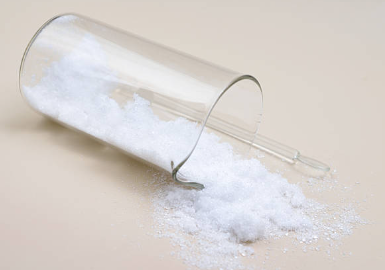
Phthalic acid belongs to an organic compound that appears as solid, fine, and white powder when produced. It is known to be a weak acid that reacts on strong bases. It is produced by oxidizing an o xylene directly to phthalic anhydride. Its commercial name, phthalic anhydride is used in large-scale production of phthalic acids used in producing plasticizers for polymers, while small-scale production was used in the production of dyes and perfumes.
Phthalic acid is also flammable and may irritate the eyes, skin, mucous membrane, and respiratory tracts. It also has the hazard of having narcosis when high concentrations enter the body. Since it is highly flammable, it can create a large explosion when decomposed into dust. However, it can be controlled with a dry chemical when a small fire starts.
When handling this chemical, it is required to wear protective clothing. Once it enters the eyes, flushing of water can be a first-aid solution while waiting for medical personnel to arrive. The affected skin can be washed with water and soap. However, it is recommended to get medical help once the affected area showed redness or irritation. If the phthalic acid is inhaled, you must leave the contaminated area immediately to get fresh air. If ingested and the victim is responsive and conscious, do not induce vomiting and call a medical professional or a poison center immediately.
Process of Oxidation of o xylene to Phthalic Acid
In producing phthalic acid, raw materials such as air and o xylene are used. Both raw materials are mixed on a packed bed reactor using a compressor, vaporizer, fired heater, and a reactor as equipment.
The process of oxidizing o xylene to phthalic acid was first done by Auguste Laurent, a French Chemist in 1836. He oxidized a naphthalene tetrachloride and called the result "naPhthalic Acid". When Jean Charles Galissard de Marignac got the right formula, it became a popular manufacturing process during the 19th century and Laurent gave the name "Phthalic Acid".
Suppliers of o Xylene and Phthalic Acid
Most of the suppliers of these chemicals are based in China. There are different classes of o xylene such as industrial grade and cosmetics grade. Usually, o xylene is sold on a 99.9% colorless liquid.
Phthalic acid also comes in different classifications such as industrial and pharmacy grades. The chemical can be bought in various choices of packaging such as by grams, kilograms, per bag, per drum, or bottle. Most of its suppliers are based in Japan, the United States, China, and India.
The phthalic anhydride, an anhydride of the phthalic acid can also be brought on the market. Its suppliers are mostly based in the Netherlands, China, India, United Arab Emirates, Switzerland, and South Africa. It also comes in different packaging choices such as barrels, standard packaging, or whatever the customer preference is.
Looking for chemical products? Let suppliers reach out to you!
You May Interested In


Glow70/KLOW80 99% China Peptides Warehouse Direct Delivery Lyophilized Powder in Stock
$169/UNIT FOB


2026-10-17
Trade Alert
Delivering the latest product trends and industry news straight to your inbox.
(We'll never share your email address with a third-party.)

Related News
-
Hydrogen Peroxide Formula: H2O2 Concentration & Safety
-
Imidazole: Heterocyclic Chemistry, Antifungal Drugs, and Buffer Systems
-
Cocamidopropyl Betaine: Uses, Benefits, and Safety
-
Potassium Carbonate: Properties, Uses, and Applications
-
Silver Nitrate: Medical Uses, Photography History, and Staining Properties
-
Phosphoric Acid: Uses in Cola, Rust Removal, and Fertilizers Explained
-
Hydrobromic Acid: Properties, Uses, and Safety
-
Dimethyl Carbonate: Properties and Industrial Applications
-
Key Reactions and Uses of Lithium Aluminum Hydride
-
Uses and Properties of 3-Methyl-1-Butanol
Recommend Reading
-
![Uses of Sodium Acetate Trihydrate]()
Uses of Sodium Acetate Trihydrate
-
![Key Reactions and Uses of Allene]()
Key Reactions and Uses of Allene
-
![Applications of Copper Sulfate Pentahydrate]()
Applications of Copper Sulfate Pentahydrate
-
Barium Sulfide: Properties, Uses, and Safety
-
![What is Amylum Starch? (Old Terminology & Modern Equivalent)]()
What is Amylum Starch? (Old Terminology & Modern Equivalent)
-
![Crude oil prices fall, retail prices of refined oil products in China continue to decrease]()
Crude oil prices fall, retail prices of refined oil products in China continue to decrease
-
![MTBE Market Prices Continue to Decline]()
MTBE Market Prices Continue to Decline
-
![Multiple Negative Factors Weigh on Styrene, Driving Prices Lower]()
Multiple Negative Factors Weigh on Styrene, Driving Prices Lower
-
![This week, the Chinese hydrofluoric acid market mainly operated with consolidation (6.15-6.18)]()
This week, the Chinese hydrofluoric acid market mainly operated with consolidation (6.15-6.18)
-
![This Week's Caustic Soda Prices Rise (6.15-6.18)]()
This Week's Caustic Soda Prices Rise (6.15-6.18)