What is chemical formula for magnesium nitrate and its uses
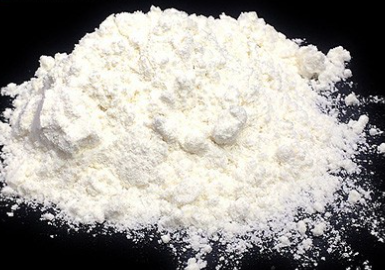
Magnesium nitrate, written chemically as Mg(NO₃)₂, is a nitrate salt made from magnesium and nitrogen. It can form through exothermic reactions—meaning heat is released as the compound develops. In its pure form, it usually appears as a white, crystalline solid. When exposed to high heat or fire, it can break down and release toxic gases, so handling and storage require care. Excess exposure, especially through inhalation, may be harmful to humans and animals.
Where Magnesium Nitrate Shows Up in Practice
Magnesium nitrate’s ability to attract and hold moisture makes it useful in settings where humidity control is needed. It can draw water from the air and change in texture as it absorbs moisture, which is why it has been included in certain drying agents. Although it is not ideal for long-term moisture control, it can serve as a temporary option in small-scale environments.
Chemists often rely on magnesium nitrate as a reagent because it can help form other materials, including magnesium chloride used in products such as paper coatings, paints, and adhesives. In textile work, related compounds have acted as mordants—substances that help dyes adhere to fabric—supporting color fastness in cloth like cotton, silk, or wool.
Magnesium nitrate also plays a role in agriculture. Farmers and growers value the nitrate form of magnesium because both nutrients support plant growth. It enriches the soil and helps crops develop healthier foliage, especially in soils that lack magnesium or nitrogen.
In industrial cleaning, water filtration, and waste management systems, magnesium nitrate helps adjust water hardness and pH. This improves cleaning efficiency and assists in removing unwanted contaminants from wastewater streams. Some sanitation products have included it for this reason.
Certain disinfecting formulas have used magnesium nitrate as well. It can interfere with the internal processes of microorganisms, slowing or stopping their ability to multiply. By interrupting cellular energy production, it can help reduce the spread of bacteria in controlled environments.
There has also been interest in magnesium-based compounds in medicine. Although magnesium nitrate itself is not a common front-line treatment, magnesium compounds have been studied for heart health and for balancing certain electrolyte conditions. Any medical use should always fall under professional supervision because nitrate salts must be used with caution.
In highly specialized fields, magnesium nitrate has been explored as a material to help absorb radiation in emergency scenarios, offering temporary protection until safer shelter is available. Its ability to interact with moisture and other substances has also led to experiments with paper preservation, where it can limit water absorption and improve paper strength.
Final Thoughts
Magnesium nitrate has a wide range of applications—spanning chemistry, agriculture, industrial processing, and some specialized medical and safety uses—but due to its toxicity at high exposure levels, it should be handled responsibly and only when there is a clear need.
Looking for chemical products? Let suppliers reach out to you!
You May Interested In


Glow70/KLOW80 99% China Peptides Warehouse Direct Delivery Lyophilized Powder in Stock
$169/UNIT FOB


2026-10-15
Trade Alert
Delivering the latest product trends and industry news straight to your inbox.
(We'll never share your email address with a third-party.)

Related News
-
What is the formula for magnesium nitrate and its physical features
-
What are the magnesium nitrate function in cosmetics?
-
What Does Magnesium Nitrate Do? Key Uses and Benefits
-
Uses and Properties of 3-Methyl-1-Butanol
-
Key Reactions and Uses of Lithium Aluminum Hydride
-
Isobutyl: Properties, Uses, and Industrial Applications
-
Iohexol: Properties, Uses, and Safety
-
Applications of Copper Sulfate Pentahydrate
-
Uses of Sodium Acetate Trihydrate
-
Key Reactions and Uses of Allene
Recommend Reading
-
![Chemical Properties and Uses of Tetraetil]()
Chemical Properties and Uses of Tetraetil
-
![Permanganate: Properties, Uses, and Safety]()
Permanganate: Properties, Uses, and Safety
-
![Nature’s Blueprint, Science’s Edge: Corteva Unveils Twin Breakthroughs to Tackle the $70 Billion Insect Threat]()
Nature’s Blueprint, Science’s Edge: Corteva Unveils Twin Breakthroughs to Tackle the $70 Billion Insect Threat
-
![Applications of Caesium Iodide]()
Applications of Caesium Iodide
-
![Tert Butylate: Properties and Applications]()
Tert Butylate: Properties and Applications
-
![In November, China's propylene oxide market first rose then fell]()
In November, China's propylene oxide market first rose then fell
-
![Both Cost and Demand Weaken, PTA Prices Slightly Decline]()
Both Cost and Demand Weaken, PTA Prices Slightly Decline
-
![Styrene-butadiene rubber market conditions remain weak]()
Styrene-butadiene rubber market conditions remain weak
-
![The domestic butadiene rubber market shows a slight weakening]()
The domestic butadiene rubber market shows a slight weakening
-
![Strong Supply and Weak Demand Continues, PP Fluctuates and Falls in November]()
Strong Supply and Weak Demand Continues, PP Fluctuates and Falls in November