What is industrial distillation uses
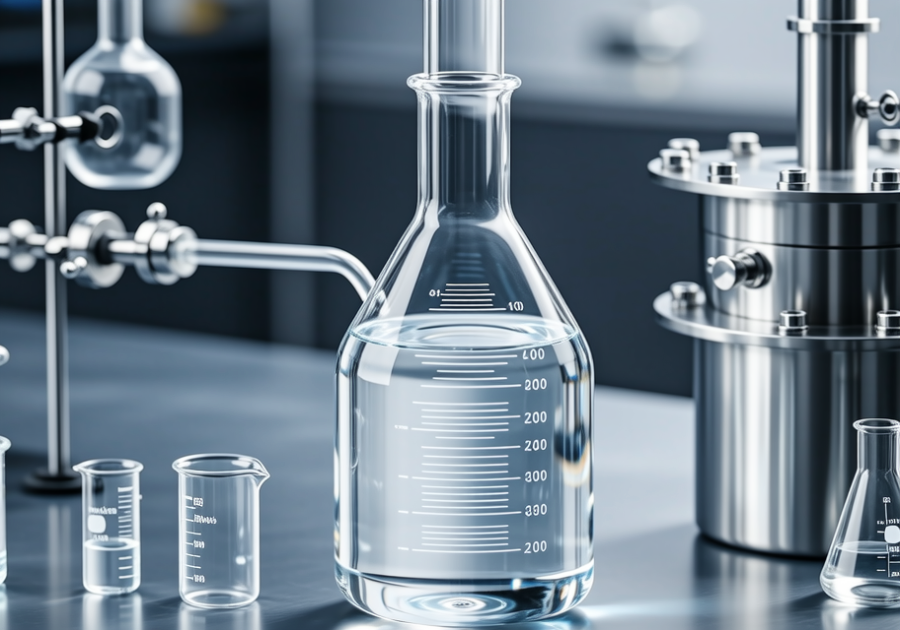
What is industrial distillation is question that many people have asked and are still asking. The answer will depend on who is answering the question, but using the definition of distillation. Distillation is a process used to separate liquids or solids through boiling them and condensing the vapor that rises from the boiling liquid. The key to industrial distillation is in determining which molecules are desired to be separated from the ones that are not desired. In this case, the molecules that need to be separated would be separating by different boiling points.
What Are the Uses of Distillation in Industry?
1. Production of Methanol and Other Biofuels
This process involves the use of an alcohol to separate water as a liquid and a salt. Usually, the alcohol that is used is ethanol or methanol and the salt would be potassium chloride. This process generates many different products such as ammonia, monochloroacetic acid, and other solids that are usually associated with other chemicals such as sodium chloride or magnesium chloride. It is important to note that the majority of these products are sold commercially and are not used in drinking water because they can be corrosive to pipes.
2. Remediation of Water Contaminated with Heavy Metals
Industrial distillation can be used in removing heavy metals like mercury from industrial effluents. Also, the process is used in remediating water contaminated with heavy metals. The first step to remediating the water is boiling off the solids and distilling off small quantities of heavy metals that have been adsorbed. If undistilled water is added after this process, the mercury will immediately go into solution and will be difficult to remove.
3. Removing Acetone From Ethanol
The industrial distillation of acetone is commonly done in drug manufacturing plants. This process heats ethanol in a still to facilitate evaporation. The ethanol vapor is then cooled and the acetone is distilled off. Usually, these plants will have to use acetone filters to remove any impurities.
4. Distillation of Benzene
Benzene is an industrial chemical that is used to make synthetic fibers, detergents, and other products. However, this chemical can cause cancer if it enters into a living organism at high concentrations. It is important to note that all companies that manufacture benzene are required to remove any benzene from their products before they leave their facility because they do not want employees handling their products or having contact with them if there are benzene residue leftovers on the product.
5. Purification of Alcohol
Industrial distillation of alcohol is done by distilling off impurities from ethyl and methyl alcohol. The main impurity that needs to be removed is the water that was used in making the alcohol. Ethyl alcohol can be made in plants through various fermentation processes, but it will have a high water content. Methyl alcohol does not have as many bacteria, spores, and molds because it goes through a more rigorous purification process than ethyl alcohol does. This explains what is industrial distillation.
6. Purification of Milk and Dairy Products
Distillation is used as a method for separating dairy fats from milk. This way, the fats will not be present in the milk that is being sold. This process is also used to remove bacteria from condensed milk. This process involves adding heat to milk in a still and separating the condensed water from the impurities like fat, albumin, and lactose.
7. Fruit Juice Distillation for Wine Making
A very common use of industrial distillation is for wine making. One way the process works is by pouring the fruit juice into a still that boils it and collects the vapor in a condenser. The vapor condenses and releases distilled alcohol into a container that can be placed back into fermentation tanks so yeast can make it into wine through fermentation processes. These processes are most commonly done in large facilities that produce thousands of gallons of wine per day.
8. Industrial Distillation of Ketchup
Industrial distillation is used to purify ketchup and other condiments by removing water and impurities from tomato concentrate. It usually involves using steam or a hot plate to heat the tomato concentrate so it can boil off all of the water. In addition, heating the concentrate in a condenser allows the remaining components to separate from each other. The reason that this process does not use refrigeration is because it would cause bacteria growth if it was placed in a cold environment for an extended time period.
In conclusion, when looking at the uses of industrial distillation, it can be used as a way to separate ingredients that are unique to the specific material that is being isolated. Also, it can help remove impurities and even toxic chemicals from water and other chemicals that are found in products. The process is also used in the production of many different foods like ketchup for condiments because it helps remove impurities from other ingredients before putting them into the product. This will explain what is industrial distillation.
Looking for chemical products? Let suppliers reach out to you!
You May Interested In


Glow70/KLOW80 99% China Peptides Warehouse Direct Delivery Lyophilized Powder in Stock
$169/UNIT FOB


2026-10-14
Trade Alert
Delivering the latest product trends and industry news straight to your inbox.
(We'll never share your email address with a third-party.)

Related News
Recommend Reading
-
![Game Theory Does Not Change Stability, China's Acrylic Acid Market Operates with Balanced Supply and Demand]()
Game Theory Does Not Change Stability, China's Acrylic Acid Market Operates with Balanced Supply and Demand
-
![Premium Global Chemical Sourcing Requests (15-19 Nov 2025)]()
Premium Global Chemical Sourcing Requests (15-19 Nov 2025)
-
![Weak Demand Leads to a Decline in n-Butanol Prices in China]()
Weak Demand Leads to a Decline in n-Butanol Prices in China
-
![This Week's Activated Carbon Prices Rise (11.17-11.21)]()
This Week's Activated Carbon Prices Rise (11.17-11.21)
-
![Colombia Makes Preliminary Ruling in Anti-Dumping Investigation into Chinese DOP Imports]()
Colombia Makes Preliminary Ruling in Anti-Dumping Investigation into Chinese DOP Imports