The Calcium Connection: Calcium Chloride And Sodium Carbonat
What are calcium chloride and sodium carbonate? A common mineral found in both plants and animals is calcium. Calcium plays a vital role in bodily functions such as muscle contraction, heart function, and nerve transmission. In the body, calcium can be found in two primary forms: calcium carbonate and calcium chloride.
Calcium carbonate is found mainly in the teeth and bones, while calcium chloride is most abundant outside of the body. Both forms of calcium are essential for good health, but each has different properties that can affect health. For example, calcium carbonate helps form strong bones while calcium chloride helps regulate water balance and blood pressure.
These two minerals are also used together to create products such as antacids and laxatives, where they work synergistically to relieve constipation or diarrhea, respectively. However, too much of either form of calcium can negatively affect health.
A lack of calcium can lead to many health problems, but it's not just older people who need to be aware of the mineral's importance. Recent studies have shown that calcium and sodium carbonate are crucial in keeping bones strong and healthy.
Calcium is an essential nutrient for human survival. It helps regulate blood pressure, keeps the heart pumping, and plays a role in nerve function. Calcium ions are also necessary for muscle contractions and other vital body processes.
It's essential to get enough calcium from food sources, but many people don't get enough because most dairy products contain a low amount of the mineral. Calcium chloride can help make up for this shortfall by providing the body with a hefty dose of the mineral at once.
There is a longstanding connection between calcium and sodium carbonate. Calcium is necessary for the body to create carbonate ions, which are essential in controlling pH levels in the blood. Sodium carbonate is also necessary for the body to produce hydrochloric acid, which helps digest food. When these two minerals are not balanced, it can lead to problems such as heart disease, high blood pressure, and conditions in the stomach and large intestine.
The good news is that calcium and sodium carbonate are both excellent sources of calcium. One teaspoon of either compound provides almost half of the recommended daily intake for adults. Furthermore, these forms of calcium are easily absorbed by the body and don't cause constipation or other gastrointestinal problems.
What are calcium chloride and sodium carbonate?
Calcium chloride is often used as a bleaching agent and can also be used in detergents and textiles. Sodium carbonate is often used as a pH adjuster or to make the water acidic. These salts are used to remove grease, oil, and other types of build-up from surfaces. Calcium chloride is also used as a food preservative. Sodium carbonate is often used in baking as it helps to create a more rigid crust.
Properties of calcium chloride:
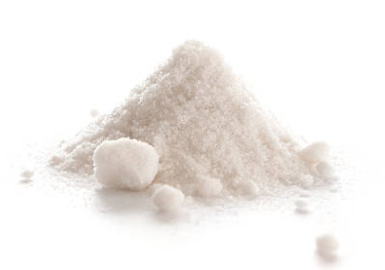
Calcium chloride is a white, crystalline powder soluble in water and most other organic solvents. It is widely used in industrial and domestic applications as a cleaning agent, antacid, and fertilizer. Calcium chloride has various properties that make it useful in multiple applications.
Some of the critical properties of calcium chloride include its ability to dissolve metals, oils, and other compounds, its high pH, and low toxicity. Furthermore, calcium chloride is resistant to corrosion and can be used in hostile environments with other cleaning agents.
1. Calcium chloride is a white crystalline powder soluble in water and most other organic solvents.
2. The chemical formula for calcium chloride is CaCl2.
3. Calcium chloride can be used as a strong mineral acid or base, depending on the recipe.
4. It can also be used in various industries, such as food processing, paper manufacturing, and petroleum refining.
5. Calcium chloride has various properties that make it useful in multiple applications, such as its ability to react with other substances to form new compounds or its capacitive charging ability.
Properties of sodium carbonate:
Sodium carbonate is a mineral that is composed of sodium and carbon. It is a white powder often used in beauty products because it helps keep skin looking moisturized. It can also be used as a deodorant, antiperspirant, and toothpaste. Sodium carbonate can also be used for cleaning products. It can remove dirt, makeup, and oil stains from surfaces. Sodium carbonate is a white, odorless powder that is the main constituent of baking soda. It has a Mohs hardness of 7.5-8 and a melting point of 1100 degrees F. Sodium carbonate is soluble in water, alcohol, and most oils. It forms double or triple salt crystals when it comes in contact with other substances. Sodium carbonate is used as a food preservative, bleaching agent, pH adjuster, and deodorizer. It is used as an antacid in pharmaceutical applications and counterstain drugs such as penicillin.
Uses for calcium and sodium:
1. Calcium chloride is often used as a deicer on roads and sidewalks. It helps prevent ice from forming and can help keep roads and sidewalks clear during winter weather.
2. Sodium carbonate is also often used as a deicer. It works differently than calcium chloride, though, and it doesn't cause as much damage to surfaces when it melts ice. This is because sodium carbonate breaks down the water molecules into their parts (hydrogen and oxygen), making it less effective at freezing things down.
3. Calcium chloride can also be used to clean floors and walls. It's an effective cleaner because it can break down oil, grease, and other dirt particles.
The following are some ways in which they can be used:
-To remove rust from iron and steel objects
-To clean concrete and masonry
-To remove limescale from water pipes and other metal surfaces
-To remove oil, grease, tar, and other contaminants from water surfaces
-As a deicer for roads, parking lots, and sidewalks
Side effects of calcium and sodium carbonate:
Side effects of calcium chloride and sodium carbonate can vary depending on the dosage but may include: vomiting, diarrhea, stomach pain, cramps, bloating, and constipation. These side effects are usually mild and should go away after a few days. However, if they continue to occur or become severe, you should see a doctor.
1. Gastrointestinal problems such as nausea, vomiting, and diarrhea.
2. Deafness or other hearing problems.
3. Acid burns to the skin and eyes.
4. Kidney problems if large amounts are ingested.
5. Severe allergic reactions, including anaphylactic shock.
6. Inconsistent results when these chemicals are used for dental work or bone grafts.
Conclusion
In conclusion, calcium chloride and sodium carbonate are two common ingredients used in many household products. Both components are essential for keeping your water safe to drink, but they also have other potential benefits. For example, calcium chloride can remove rust from metal surfaces, while sodium carbonate can help reduce acidity and make water more alkaline. So be sure to keep both of these ingredients on hand if you need to fix a water problem in your home!
Looking for chemical products? Let suppliers reach out to you!
You May Interested In


Glow70/KLOW80 99% China Peptides Warehouse Direct Delivery Lyophilized Powder in Stock
$169/UNIT FOB


2026-10-16
Trade Alert
Delivering the latest product trends and industry news straight to your inbox.
(We'll never share your email address with a third-party.)

Related News
-
This is How Calcium Carbonate Reacts with Hydrogen Chloride
-
Calcium Chloride Uses in Food, De-Icing, and Safety Concerns
-
How to Use Calcium Chloride in Food: A Practical Guide with Tips and Real-Life Uses
-
How to make sodium carbonate solution and its uses
-
Get to know the process of making sodium carbonate solution
-
Applications of Caesium Iodide
-
Potassium Carbonate: Properties, Uses, and Applications
-
Cocamidopropyl Betaine: Uses, Benefits, and Safety
-
A New Weapon Against Spider Mites: Canada Moves to Approve Novel Miticide for Greenhouse Growers
-
Calcium Acetate: Medical and Industrial Applications
Recommend Reading
-
![Carbon Tetrachloride: Uses, Hazards, and Industrial Applications]()
Carbon Tetrachloride: Uses, Hazards, and Industrial Applications
-
![Microcrystalline Cellulose: Applications in Pharmaceuticals]()
Microcrystalline Cellulose: Applications in Pharmaceuticals
-
![Oxalic Acid: Acidity (pKa), Sources, and Kidney Stone Risk]()
Oxalic Acid: Acidity (pKa), Sources, and Kidney Stone Risk
-
![What is a Surfactant? (Definition, Types, and How They Work)]()
What is a Surfactant? (Definition, Types, and How They Work)
-
![Benzyl Alcohol: Uses in Cosmetics, Preservative Efficacy, and Safety]()
Benzyl Alcohol: Uses in Cosmetics, Preservative Efficacy, and Safety
-
![This Week, China's Acetone Market Hits Bottom and Rebounds Slightly]()
This Week, China's Acetone Market Hits Bottom and Rebounds Slightly
-
![Business Society September 18, 2026 Lithium Carbonate Trend Analysis: Strong Rebound]()
Business Society September 18, 2026 Lithium Carbonate Trend Analysis: Strong Rebound
-
![Ethylene Glycol Prices Stabilize After Falling, Market Expected to Bottom Out and Recover]()
Ethylene Glycol Prices Stabilize After Falling, Market Expected to Bottom Out and Recover
-
![This week, China's anhydrous hydrogen fluoride market continues to operate at a high level (9.14-9.17)]()
This week, China's anhydrous hydrogen fluoride market continues to operate at a high level (9.14-9.17)
-
![Cost Advantages Support, Polyester Staple Fiber Prices Remain on an Upward Trend]()
Cost Advantages Support, Polyester Staple Fiber Prices Remain on an Upward Trend