Soya bean residue is the new hot spot in Singapore's plant-based cheese market development
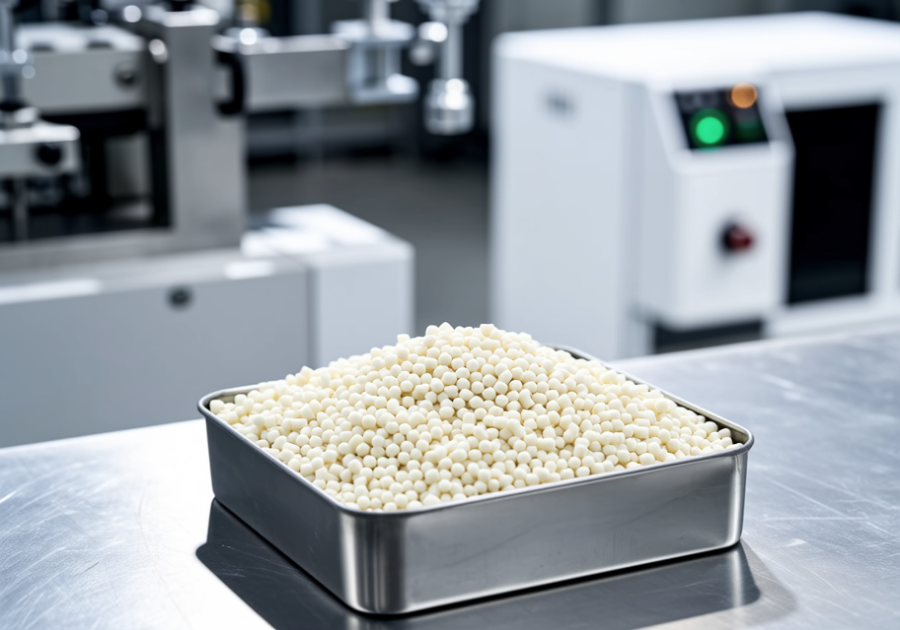
Republic Polytechnic (RP) of Singapore and SoiLabs, a subsidiary of investment firm Hafnium Hafaway, recently formed a partnership to upgrade soybean by-product soybean residue into a plant-based cheese product using proprietary technology, with the former having recently secured $144,000 in seed capital.
Singapore produces 30 tons of wet soybean residue every day, most of which is discarded as food waste or recycled as animal feed.
Soybean residue contains high levels of dietary fiber, protein and phytonutrients, but its use as human food is limited due to the high content of indigestible fiber. Therefore, RP developed and designed proprietary technology to convert soybean residue into functional food ingredients to produce soy cheese.
Based on animal-friendly, environment-friendly, sustainable, and health-conscious factors, more and more consumers are trying plant-based products, among which the plant-based milk market is growing rapidly. Relevant market data shows that the market size of plant-based dairy products reaches USD 2.5 billion in 2022 and is expected to grow at a CAGR of 12.6% during 2022-2030, with the entire market in a fast-growing development trend.
Francis Tan, partner and managing director of Hafnium Hafaway, which focuses on the areas of "food technology, natural ingredients and specialty chemicals," said that plant-based cheeses account for a very small percentage of the overall cheese market, but there is potential for growth, especially in Asia and Europe. Among these, plant-based cheeses of soy origin have a unique position in the fast-growing global cheese market.
Compared to commercial cheese products, soy cheese contains higher levels of protein, dietary fiber and antioxidants. Studies have shown that soy cheese is a healthier alternative, containing significantly lower levels of sodium and sucrose than other commercially available products, as well as higher levels of potassium and calcium.
Soy derivatives are more popular in Europe, where interest in vegetarian products with low or zero saturated fatty acids is high. RP is currently in contact with several European producers, customers and partners to advance the project to commercialization.
Sustainable recycling of feedstock has become a focus for companies at all stages, and RP researchers are working on other upcycling projects for a variety of applications, such as insect protein, coffee grounds, fruit peels, bagasse, tea and coffee pulp, and corn cobs. These by-products are produced and processed by proprietary technologies for diverse application directions including fish feed, water treatment, organic liquid nutrients for hydroponic agriculture, biocomposites, fungal composites and anti-microbial agent products.

You May Interested In


High Quality β-Nicotinamide adenine dinucleotide CAS 53-84-9 NADwith ready stock and best price
$3E+1/UNIT FOB


2026-10-25
Trade Alert
Delivering the latest product trends and industry news straight to your inbox.
(We'll never share your email address with a third-party.)

Related News
-
Private Equity Firm Acquires Lyons Magnus for About $1 Billion as Beverage and Nutrition Ingredients Consolidate
-
Food & Hospitality Asia 2026 Returns as the Biggest Event in a Decade
-
Hi & Fi Asia-China 2024
-
Hi & Fi Asia-China concluded successfully, and ECHEMI gained a lot from participating in the exhibition!
-
Hi & Fi Asia-China 2024: ECHEMI's customized digital solutions for the food industry attract countless attention
-
Hi & Fi Asia-China 2024: See how innovative ingredients lead the development of the food industry!
-
New EU Regulations for Wine Ingredients and Nutritional Labeling Come Into Effect December 8
-
Canadian Requirements for Supplemented Food Facts Label Coming Into Effect
-
Recreating Willy Wonka flavours with food science: 'In principle, we could simulate any flavour'
-
Japan Unveils Draft Guidelines to Enhance Safety and Quality Control of Food Ingredients
Recommend Reading
-
![Iran Closes Strait of Hormuz to All Vessels: Global Chemical Trade Gets Choked]()
Iran Closes Strait of Hormuz to All Vessels: Global Chemical Trade Gets Choked
-
![25 Companies Raise Prices Three Times Within a Month: China’s Titanium Dioxide Industry Shifts from “Price Wars” to a “Pricing Alliance”]()
25 Companies Raise Prices Three Times Within a Month: China’s Titanium Dioxide Industry Shifts from “Price Wars” to a “Pricing Alliance”
-
![Three Major Indian Chemical Investments Target China's PC Exports]()
Three Major Indian Chemical Investments Target China's PC Exports
-
![Brazil Expands Chemical Tax Breaks as India’s Crop Protection Industry Warns of a 25% Cost Increase]()
Brazil Expands Chemical Tax Breaks as India’s Crop Protection Industry Warns of a 25% Cost Increase
-
![German Chemical Industry Posts Q2 Rebound but Capacity Utilization Remains at 73.2%]()
German Chemical Industry Posts Q2 Rebound but Capacity Utilization Remains at 73.2%
-
![Business Society’s Market Outlook for Phenol on August 10, 2026: Slight Decline]()
Business Society’s Market Outlook for Phenol on August 10, 2026: Slight Decline
-
![Business Society’s Market Outlook for DOP on September 3, 2026: Strong Rebound with a Bullish Bias]()
Business Society’s Market Outlook for DOP on September 3, 2026: Strong Rebound with a Bullish Bias
-
![Ethanol Market Prices Slightly Decline]()
Ethanol Market Prices Slightly Decline
-
![Restocking Boosts Short-term Consumption, ABS Stabilizes and Rebounds in the First Half of July in China]()
Restocking Boosts Short-term Consumption, ABS Stabilizes and Rebounds in the First Half of July in China
-
![Raw Material Strength and Weak Demand Lead to PC Fluctuations in January in China]()
Raw Material Strength and Weak Demand Lead to PC Fluctuations in January in China