
Sodium dithionite CAS NO.: 7775-14-6 99% Dideu-1-73875 Dideu
52 Inquiries
7775-14-6
Industrial Grade
99%
Dideu
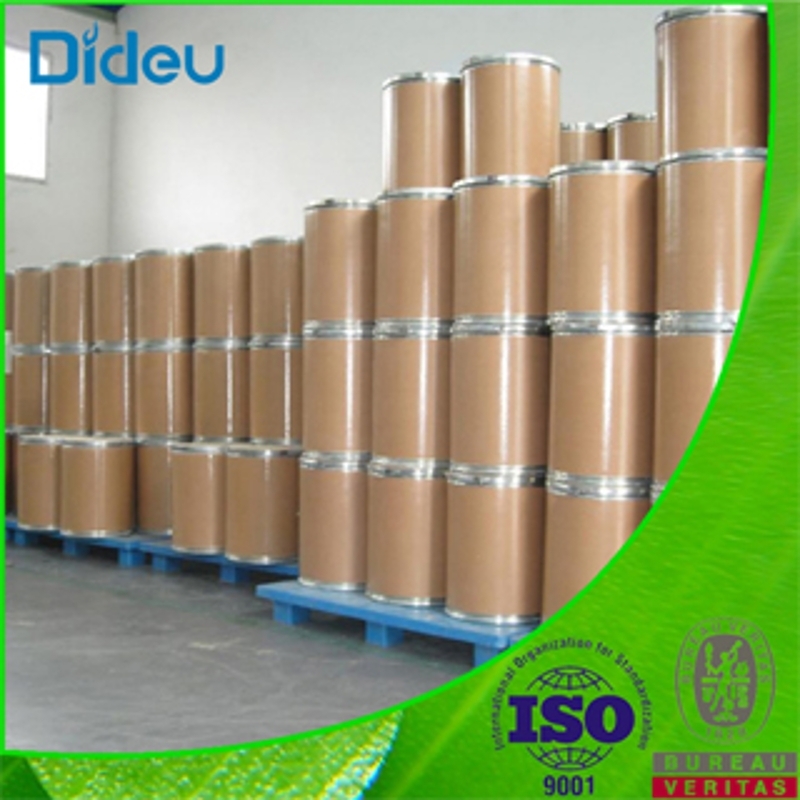
25kg/Cardboard Drum
2022-12-31

Chemical Pesticides,Food Additives,Agrochemicals,Active Pharm Ingredients,Flavors and Fragrances,Chemical Catalyst
-
Product Description
-
Seller Information
-
Inquiry History
-
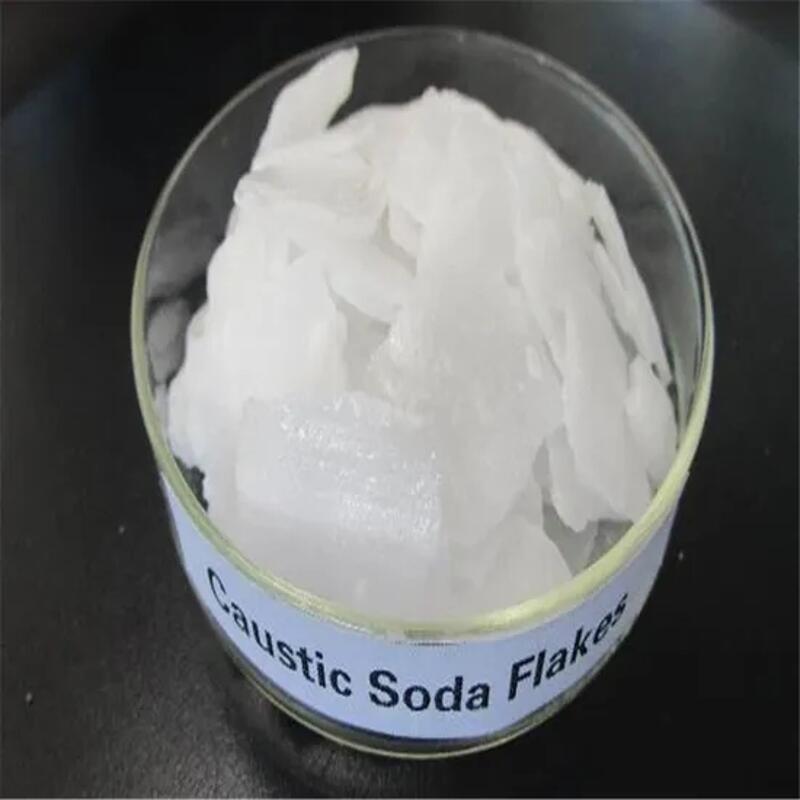
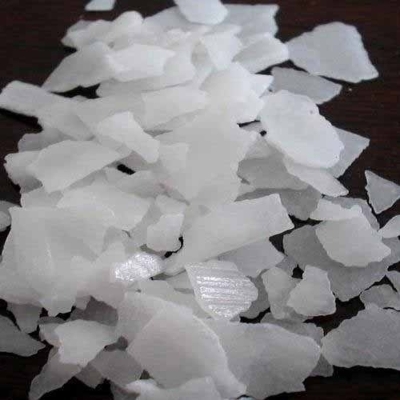
DescriptionECHEMI Editorial ReferenceSodium dithionite is commonly known as insurance powder, also known as sodium hyposulfite, white crystalline powder or slightly yellow flaky crystals, odorless or with a slight smell of sulfur dioxide. It is very soluble in water and insoluble in alcohol. Its aqueous solution is unstable and belongs to a strong reducing agent. It is easy to absorb oxygen and oxidize when exposed to air, and it is also easy to absorb moisture and heat and deteriorate, and it can seize oxygen in the air to form agglomerates and emit a pungent sour smell. Sodium dithionite has two forms: dihydrate and anhydrous salt. Dihydrate is a slightly yellow flaky crystal with extremely unstable properties. It only exists in alkaline solution. When heated to a certain temperature, it will dehydrate and transform into anhydrous salt; anhydrous salt is a white crystalline powder and exists stably under room temperature drying. Heating sodium dithionite or contact with open flame will cause combustion, and the autoignition point is 250℃. Contact with water can release a large amount of hot sulfur dioxide gas and flammable sulfur vapor, causing violent combustion. When it encounters an oxidant, a small amount of water or absorbs humid air, it can generate heat, causing yellow smoke combustion, and even explosion. Sodium dithionite is toxic and irritating to the eyes and respiratory mucosa. Due to its properties, sodium dithionite can be used as an oxygen absorber in analysis, or as a dye intermediate and bleaching agent. It is also a strong reducing agent that can reduce many metal salts to metals.Basic Info
-
Product Name:
Sodium dithionite
Other Name:Dithionous acid,sodium salt (1:2);Dithionous acid,disodium salt;Sodium dithionite;Vatrolite;Hydros;Blankit;Sodium dithionite (Na2(S2O4));Disodium dithionite;Disodium hydrosulfite;Sodium hydrosulfite;Sodium hyposulfite;Burmol;Sodium hydrosulfite (Na2S2O4);V-Brite B;Blankit IN;Hydrosulfite R Conc;Cyclanon ARC;Blankit S;Hydrosulfite F;Oxygen Scavenger SHS;Albite F;1340-77-8
CAS No.:7775-14-6
Molecular Formula:H2O4S2.2Na
InChIKeys:InChIKey=PEXMEGQPKTWBOJ-UHFFFAOYSA-N
Molecular Weight:174.1071
Exact Mass:173.903
EC Number:231-890-0
UNII:2K5B8F6ES1
ICSC Number:1717
UN Number:1384
DSSTox ID:DTXSID9029697
Color/Form:White or grayish-white crystalline powder|Light-lemon-colored solid in powder or flake form|White, colorless or yellow-white crystals
HScode:28311010
Categories:
Characteristics-
PSA:
118.68
XLogP3:0.391
Appearance:White to grayish-white granular powder
Density:2.19
Melting Point:166-168 °C
Boiling Point:1390°C
Flash Point:>100°C o.c.
Water Solubility:H2O: 250 g/L (20 °C)
Storage Conditions:Materials to avoid: strong oxidizing agents, acids.
Toxicity:LD50 orally in Rabbit: 2500 mg/kg
Explosive limit:Closed containers may rupture violently when heated.
Odor:Faint sulfurous
Experimental Properties:Strong reducing agent; also available in liquid form|Decomposes violently when heated to 190 °C and emits toxic fumes of SOx and Na2O.
Air and Water Reactions:Sodium dithionite is a combustible solid which slowly decomposes when in contact with water or water vapor, forming thiosulfates and bisulfites. This reaction evolves heat, which can further accelerate the reaction or cause surrounding materials to burn. If the mixture is confined, the decomposition reaction can result in pressurization of the container which may then rupture forcefully. Upon standing in air it slowly oxidizes, generating toxic sulfur dioxide gas. (NFPA, 2010)
Reactive Group:Anhydrides
Reactivity Alerts:Strong Reducing Agent
Reactivity Profile:Sodium dithionite is a combustible solid which slowly decomposes when in contact with water or water vapor, forming thiosulfates and bisulfites. This reaction evolves heat, which can further accelerate the reaction or cause surrounding materials to burn. If the mixture is confined, the decomposition reaction can result in pressurization of the container which may then rupture forcefully. Upon standing in air it slowly oxidizes, generating toxic sulfur dioxide gas. (NFPA, 2010)
Autoignition Temperature:about 190 °C
Hazard IdentificationClassification of the substance or mixture
Self- heating substances and mixtures, Category 1
Acute toxicity - Category 4, Oral
GHS label elements, including precautionary statements
Pictogram(s) 

Signal word Danger
Hazard statement(s) H251 Self-heating; may catch fire
H302 Harmful if swallowed
Precautionary statement(s) Prevention P235 Keep cool.
P280 Wear protective gloves/protective clothing/eye protection/face protection/hearing protection/...
P264 Wash ... thoroughly after handling.
P270 Do not eat, drink or smoke when using this product.
Response P301+P317 IF SWALLOWED: Get medical help.
P330 Rinse mouth.
Storage P407 Maintain air gap between stacks or pallets.
P410 Protect from sunlight.
P413 Store bulk masses greater than ⦠kg/â¦lbs at temperatures not exceeding â¦Â°C/â¦Â°F.
P420 Store separately.
Disposal P501 Dispose of contents/container to an appropriate treatment and disposal facility in accordance with applicable laws and regulations, and product characteristics at time of disposal.
Other hazards which do not result in classification
no data available
Handling and StoragePrecautions for safe handling
NO open flames. NO contact with combustible substances or water. Handling in a well ventilated place. Wear suitable protective clothing. Avoid contact with skin and eyes. Avoid formation of dust and aerosols. Use non-sparking tools. Prevent fire caused by electrostatic discharge steam.
Conditions for safe storage, including any incompatibilities
Dry. Well closed. Separated from strong oxidants and acids. Store in an area without drain or sewer access.
-
-
Seller Information
-
Business Type:
Manufactory
-
Main Products:
Chemical Pesticides,Food Additives,Agrochemicals,Active Pharm Ingredients,Flavors and Fragrances,Chemical Catalyst
-
Location:
https://www.dideu.com/en/
-
Payment Terms:
TT against copy of documents,D/P,L/C,D/A,O/A,TT against B/L draft before shipment,100% TT in advance
-
Average lead Time:
7
-
Total Annual Revenue:
Above $100 million
-
Total Employees:
Above 1000
-
Year of Establishment:
2016
-
Certifications:
ISO Certificate,REACH
"> -
-
Inquiry History52 Inquiries
Country Product Purchase Quantity Date Posted  Turkmenistan
Sodium Hydrosulfite 88%
20 MT Apr 10, 2026  Germany
Sodium Hydrosulfite
10 MT Jun 18, 2026  Kenya
Kenya
Sodium Hydrosulfite
20 20' Fcl Feb 27, 2026  Nigeria
sodium hydrosulfite
1 KG Feb 3, 2026
Nigeria
sodium hydrosulphite
1 KG Feb 2, 2026  India
India
Sodium hydrosulphite
1.00 KG Jan 22, 2026  Egypt
Egypt
sodium hydrosulfite 90 %
22000 KG Jan 13, 2026  Guinea
Sodium Hydrosulfite
20 40' Fcl Jan 5, 2026  Pakistan
Sodium Hydrosulfite
2.00 20' Fcl Dec 30, 2025  Malaysia
Sodium Hydrosulphite
1 20' Fcl Dec 3, 2025
Malaysia
Sodium Hydrosulphite 90%
1 KG Dec 2, 2025
Pakistan
Sodium Hydrosulfite 90%
10 20' Fcl Nov 4, 2025  Vietnam
Sodium Hydrosulfite
1 20' Fcl Oct 16, 2025  South Africa
Sodium Hydrosulfite
86400 KG Sep 23, 2025  Australia
Sodium Hydrosulfite 88%
1 BOU Aug 11, 2025
Nigeria
Hydrosulfite Sodium
270 TON Aug 1, 2025  Ivory Coast
Sodium hydrosulfite
1 20' Fcl Jul 17, 2025  Ireland
Sodium Hydrosulfite
1.5 TON May 26, 2025  Myanmar
Yl -3 (Sodium Hydrosulphite)
3 KG Mar 24, 2025
Pakistan
sodium dithionite
1 MT Oct 20, 2024 Post an enquiry for this product