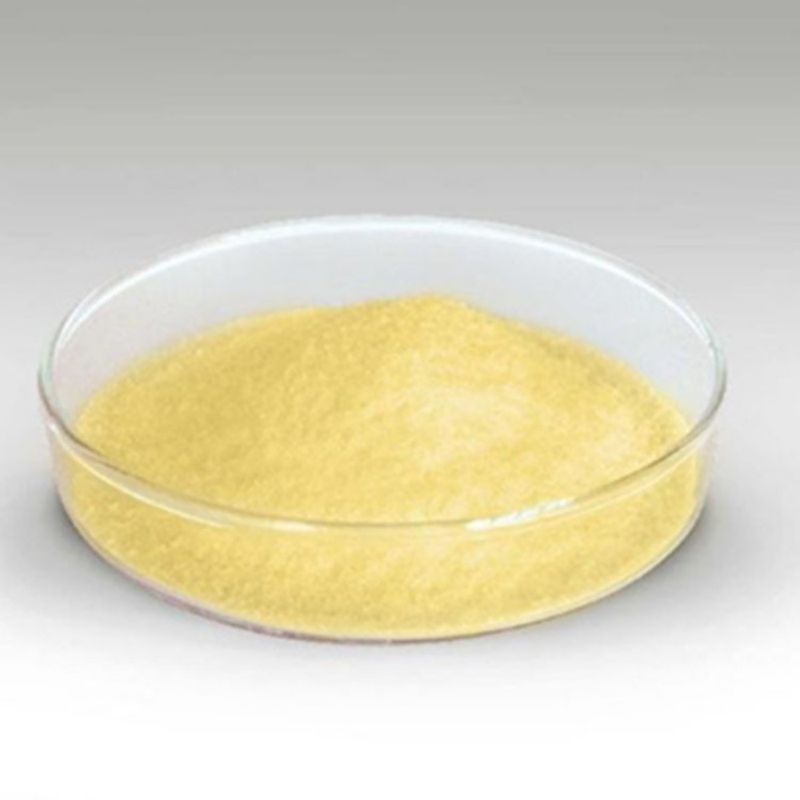
CAS 50-78-2 Acetylsalicylic Acid , Popular Products C9H8O4 cas 50-78-2 Acetylsalicylic acid
15 Inquiries
50-78-2
Industrial Grade
99%
Mersin Port
25kg/fiber drum
Yes
2024-12-31
Phosphoric Acid,Caustic Soda,Urea 46,Soda Ash,Chlorine,Acetate
-
Product Description
-
Seller Information
-
Inquiry History
-
DescriptionECHEMI Editorial ReferenceAspirin is a non-selective and irreversible inhibitor of COX-1 and COX-2 with IC50s of 5 and 210 μg/mL.
Aspirin can cause developmental toxicity and female reproductive toxicity according to an independent committee of scientific and health experts. Acetylsalicylic acid appears as odorless white crystals or crystalline powder with a slightly bitter taste. (NTP, 1992) Acetylsalicylic acid is a member of the class of benzoic acids that is salicylic acid in which the hydrogen that is attached to the phenolic hydroxy group has been replaced by an acetoxy group. A non-steroidal anti-inflammatory drug with cyclooxygenase inhibitor activity. It has a role as a geroprotector, a non-steroidal anti-inflammatory drug, a non-narcotic analgesic, an antipyretic, a prostaglandin antagonist, an anticoagulant, a platelet aggregation inhibitor, a cyclooxygenase 2 inhibitor, a cyclooxygenase 1 inhibitor, a teratogenic agent, a plant activator, an EC 1.1.1.188 (prostaglandin-F synthase) inhibitor and a drug allergen. It is a member of phenyl acetates, a member of benzoic acids and a member of salicylates. It is functionally related to a salicylic acid. It is a conjugate acid of an acetylsalicylate. Also known as Aspirin, acetylsalicylic acid (ASA) is a commonly used drug for the treatment of pain and fever due to various causes. Acetylsalicylic acid has both anti-inflammatory and antipyretic effects. This drug also inhibits platelet aggregation and is used in the prevention of blood clots stroke, and myocardial infarction (MI). Interestingly, the results of various studies have demonstrated that long-term use of acetylsalicylic acid may decrease the risk of various cancers, including colorectal, esophageal, breast, lung, prostate, liver and skin cancer. Aspirin is classified as a non-selective cyclooxygenase (COX) inhibitor and is available in many doses and forms, including chewable tablets, suppositories, extended release formulations, and others. Acetylsalicylic acid is a very common cause of accidental poisoning in young children. It should be kept out of reach from young children, toddlers, and infants. Aspirin is a Nonsteroidal Anti-inflammatory Drug and Platelet Aggregation Inhibitor. The mechanism of action of aspirin is as a Cyclooxygenase Inhibitor. The physiologic effect of aspirin is by means of Decreased Prostaglandin Production and Decreased Platelet Aggregation. Aspirin or acetylsalicylic acid is perhaps the most commonly used analgesic and antipyretic medication worldwide, having been in clinical use for over 100 years. Aspirin can cause several forms of liver injury: in high doses, aspirin can cause moderate to marked serum aminotransferase elevations occasionally with jaundice or signs of liver dysfunction, and in lower doses in susceptible children with a febrile illness aspirin can lead to Reye syndrome. aspirin has been reported in Glycyrrhiza glabra with data available. Aspirin is an orally administered non-steroidal antiinflammatory agent. Acetylsalicylic acid binds to and acetylates serine residues in cyclooxygenases, resulting in decreased synthesis of prostaglandin, platelet aggregation, and inflammation. This agent exhibits analgesic, antipyretic, and anticoagulant properties. Acetylsalicylic acid (acetosal) or aspirin is only found in individuals who have consumed this drug. Acetylsalicylic acid is a drug in the family of salicylates, often used as an analgesic (against minor pains and aches), antipyretic (against fever), and anti-inflammatory. It has also an anticoagulant effect and is used in long-term low-doses to prevent heart attacks and cancer. It was isolated from meadowsweet (Filipendula ulmaria, formerly classified as Spiraea ulmaria) by German researchers in 1839. While their extract was somewhat effective, it also caused digestive problems such as irritated stomach and diarrhoea, and even death when consumed in high doses. In 1853, a French chemist named Charles Frederic Gerhardt neutralized salicylic acid by buffering it with sodium (sodium salicylate) and acetyl chloride, creating acetosalicylic anhydride. Gerhardt's product worked, but he had no desire to market it and abandoned his discovery. In 1897, researcher Arthur Eichengrun and Felix Hoffmann, a research assistant at Friedrich Bayer & Co. in Germany, derivatized one of the hydroxyl functional groups in salicylic acid with an acetyl group (forming the acetyl ester), which greatly reduced the negative effects. This was the first synthetic drug, not a copy of something that existed in nature, and the start of the pharmaceuticals industry. The name 'aspirin' is composed of a- (from the acetyl group) -spir- (from the plant genus Spiraea) and -in (a common ending for drugs at the time). It has also been stated that the name originated by another means. As referring to AcetylSalicylic and 'pir' in reference to one of the scientists who was able to isolate it in crystalline form, Raffaele Piria. Finally 'in' due to the same reasons as stated above. Salicylic acid (which is a naturally occurring substance found in many plants) can be acetylated using acetic anhydride, yielding aspirin and acetic acid as a byproduct. It is a common experiment performed in organic chemistry labs, and generally tends to produce low yields due to the relative difficulty of its extraction from an aqueous state. The trick to getting the reaction to work is to acidify with phosphoric acid and heat the reagents under reflux with a boiling water bath for between 40 minutes and an hour. Aspirin acts as an inhibitor of cyclooxygenase which results in the inhibition of the biosynthesis of prostaglandins. Aspirin also inhibits platelet aggregation and is used in the prevention of arterial and venous thrombosis. (From Martindale, The Extra Pharmacopoeia, 30th ed, p5). The prototypical analgesic used in the treatment of mild to moderate pain. It has anti-inflammatory and antipyretic properties and acts as an inhibitor of cyclooxygenase which results in the inhibition of the biosynthesis of prostaglandins. Aspirin also inhibits platelet aggregation and is used in the prevention of arterial and venous thrombosis. (From Martindale, The Extra Pharmacopoeia, 30th ed, p5) See also: Acetaminophen; Aspirin; Caffeine (component of); Aspirin; caffeine; orphenadrine citrate (component of); Aspirin; Omeprazole (component of) ... View More ...Basic Info-
Product Name:
Aspirin
Other Name:Benzoic acid,2-(acetyloxy)-;Rhodine;Salicylic acid acetate;2-(Acetyloxy)benzoic acid;Aceticyl;Acetilum acidulatum;Acetophen;Acetosal;Acetosalic acid;Acetosalin;o-Acetoxybenzoic acid;2-Acetoxybenzoic acid;Acetylin;Acetylsal;Acidum acetylsalicylicum;Acylpyrin;Aspirin;Aspirine;Aspro;Asteric;A.S.A. Empirin;Helicon;Measurin;Salacetin;Salcetogen;Saletin;Xaxa;Acetylsalicylic acid;Asagran;Rhonal;Acenterine;SP 189;ASA;Duramax;Ecotrin;Entrophen;Enterosarine;Neuronika;Endydol;Acetisal;Colfarit;Acisal;Dolean pH 8;AC 5230;Acesal;Polopiryna;o-Carboxyphenyl acetate;Triple-sal;Rheumintabletten;Idragin;Yasta;Benaspir;Temperal;Bialpirina;2-Carboxyphenyl acetate;Globentyl;Novid;Globoid;O-Acetylsalicylic acid;Micristin;Acetysal;Acetard;Medisyl;Caprin;ECM;Empirin;Istopirin;o-(Acetyloxy)benzoic acid;Endosprin;Aspro Clear;Kapsazal;Aspropharm;Zorprin;Aspirina 03;Rhodine NC RP;Acesan;Miniasal;Aspirin Protect 100;Aspirin Protect 300;Melhoral;Claradin;Coricidin;Contrheuma Retard;Aspalon;Aspergum;Bialpirinia;Enterophen;Solpyron;Easprin;Darvon Compound;Extren;Gelprin;Nu-seals;Supac;Acetyonyl;Persistin;Acimetten;Coricidin D;Aspirdrops;Salycylacetylsalicylic acid;Ascriptin;Crystar;Ascoden 30;Asatard;Entericin;Albyl E;Adiro;Cardioaspirina;Ewin;Dominal;Toldex;NSC 27223;NSC 406186;Ascolong;Aspirin-Direkt;Asaflow;Trombyl;Magnecyl;Lysoprin (pharmaceutical);Salospir;Rhodine 2312;Astrix;Mycropyrin;Colsprin;Ecosprin;2349-94-2;11126-35-5;11126-37-7;26914-13-6;98201-60-6;2087491-38-9
CAS No.:50-78-2
Molecular Formula:C9H8O4
InChIKeys:BSYNRYMUTXBXSQ-UHFFFAOYSA-N
Molecular Weight:180.16
Exact Mass:180.16
EC Number:200-064-1
Color/Form:Monoclinic tablets or needle-like crystals; Colorless to white, crystalline powder.
HScode:3004909090
Categories:
Characteristics-
PSA:
63.60000
Physical Properties:Acetylsalicylic acid appears as odorless white crystals or crystalline powder with a slightly bitter taste. (NTP, 1992); Odorless, colorless to white, crystal-line powder. [aspirin] [Note: Develops the vinegar-like odor of acetic acid on contact with moisture.]; Solid; COLOURLESS-TO-WHITE CRYSTALS OR WHITE CRYSTALLINE POWDER WITH CHARACTERISTIC ODOUR.; Odorless, colorless to white, crystal-line powder.
XLogP3:1.18
Appearance:Acetylsalicylic acid appears as odorless white crystals or crystalline powder with a slightly bitter taste. (NTP, 1992)
Density:1.4 (NTP, 1992) - Denser than water; will sink; 1.40; 1.4 g/cm³; 1.35
Melting Point:275 °F (NTP, 1992); 138-140; 135 °C (rapid heating); 135 °C; 275 °F
Boiling Point:284 °F at 760 mmHg (decomposes) (NTP, 1992); 140; 284 °F (decomposes); 284 °F (Decomposes)
Flash Point:250ºC
Refractive Index:1.551
Water Solubility:less than 1 mg/mL at 73 °F (NTP, 1992); 10; 1 g sol in: 300 mL water at 25 °C, 100 mL water at 37 °C, 5 mL alcohol, 17 mL chloroform, 10-15 mL ether; less sol in anhydrous ether; In water, 4,600 mg/L at 25 °C; Solubility in water, g/100ml at 15 °C: 0.25 (poor); (77 °F): 0.3%
Storage Conditions:Chewable aspirin tablets containing 81 mg of the drug should be stored in child-resistant containers holding not more than 36 tablets each in order to limit the potential toxicity associated with accidental ingestion in children. Aspirin suppositories should be stored at 2-15 °C.
Vapor Pressure:0 mmHg (approx) (NIOSH, 2024); 2.52X10⁻⁵ mm Hg at 25 °C (calc); Vapor pressure, Pa at 25 °C: ~ 0.004; 0 mmHg (approx)
Toxicity:100 mg/kg) and with salicylate levels of greater than 25 mg/dL, but mild-to-moderate ALT elevations occur with even lower doses and lower serum levels. These abnormalities resolve rapidly with discontinuation of aspirin, but instances of resolution despite continuation of aspirin in the same or lower doses (adaptation) have also been described. The hepatotoxicity of aspirin is usually mild and asymptomatic, although with higher doses symptoms of nausea, anorexia and abdominal pain and even encephalopathy with signs of hepatic dysfunction (hyperammonemia and coagulopathy) can occur. Bilirubin elevations are usually mild or absent. Mild eosinophilia may accompany the enzyme elevations, but rash, fever and other allergic manifestations are rare. Liver biopsy histology generally shows minimal injury despite the height of the enzyme elevations; electron microscopy may reveal fat and mitochondrial abnormalities. Aspirin can often be continued in lower doses safely. Likelihood score: A[HD] (well known cause of clinically apparent liver injury when given in high doses). Drug Induced Liver Injury Rank (DILIrank 2.0) Aspirin vLess-DILI-concern 0 No match DOI:10.1016/j.drudis.2016.02.015 Drug-Induced Liver Injury Severity and Toxicity (DILIst) aspirin DILI Positive Oral DOI:10.1016/j.drudis.2019.09.022 No indication of carcinogenicity to humans (not listed by IARC). Might i">IDENTIFICATION: Acetylsalicylic acid is colorless or white crystals or white crystalline powder or granules; odorless or almost odorless with a slight acid taste. It is soluble in water. Indications: It is used as an analgesic for the treatment of mild to moderate pain, as an anti-inflammatory agent for the treatment of soft tissue and joint inflammation, and as an antipyretic drug. In low doses salicylate is used for the prevention of thrombosis. HUMAN EXPOSURE: The toxic effects of salicylate are complex. The following appear to be the principal primary effects of salicylate in overdose: Stimulation of the respiratory center; inhibition of citric acid cycle (carbohydrate metabolism); stimulation of lipid metabolism; inhibition of amino acid metabolism; and uncoupling of oxidative phosphorylation. Respiratory alkalosis, metabolic acidosis, water and electrolyte loss occur as the principal secondary consequences of salicylate intoxication. Central nervous system toxicity (including tinnitus, hearing-loss, convulsions and coma), hypoprothrombinemia and non-cardiogenic pulmonary edema may also occur, though for some the mechanism remains uncertain. Target organs: The target organs are: all tissues (whose cellular metabolism is affected), but in particular the liver, kidneys, lungs and the VIIIth cranial nerve. Summary of clinical effects: the following are symptoms of intoxication: Nausea, vomiting, epigastric discomfort, gastrointestinal bleeding (typically with chronic and rarely with acute intoxication); tachypnea and hyperpnea; tinnitus, deafness, sweating, vasodilatation, hyperpyrexia (rare), dehydration; irritability, tremor, blurring of vision, subconjunctival haemorrhages. The following are the effects on blood glucose: hyper- or hypoglycemia; effects on blood: hypoprothrombinemia; effects on liver: increased serum aminotransferase activities (SGOT and SGPT). Non-cardiogenic pulmonary edema; confusion, delirium, stupor, asterixis, coma, cerebral edema (with severe intoxication only); acute renal failure; cardio-respiratory arrest (with severe intoxication only). Absorption by route of exposure: After oral administration, 80 - 100% will be absorbed in the stomach and in the small intestine. However, bioavailability is lower because partial hydrolysis occurs during absorption and there is a "first-pass" effect in the liver. The non-protein bound fraction of salicylate increases with the total plasma concentration, and the binding capacity of albumin is partially saturated at therapeutic concentrations of salicylate. The greater proportion of unbound drug found at high concentrations will mean that greater toxicity will result than would be expected from the total salicylate concentration. Absorption after rectal administration is slow and unpredictable. Timed-release preparations are therapeutically of limited value because of the prolonged half-life of elimination of salicylate. Contraindications: Acetylsalicylic acid is contraindicated for the following: Absorption of enteric-coated tablets is sometimes incomplete. Active peptic ulcer, febrile/post-febrile illness in children, hemostatic disorders, including anticoagulant and thrombolytic treatment, hypoproteinemia; hypersensitivity; and asthma induced by acetylsalicylic acid or other non-steroidal anti-inflammatory drugs. Caution is indicated in patients with: a history of peptic ulceration or gastro-intestinal hemorrhage, hepatic or renal insufficiency, asthma, children < 2 years, especially in those who are dehydrated Routes of entry: The route of entry is oral. Distribution by route of exposure: Salicylic acid is a weak acid; following oral administration, almost all salicylate is found in the unionized form in the stomach. About 50 - 80% of salicylate in the blood is bound by protein while the rest remain in the active, ionized state; protein binding is concentration-dependent. Saturation of binding sites leads to more free salicylate and increased toxicity. Metabolism: approximately 80% of small doses of salicylic acid is metabolised in the liver. Conjugation with glycine forms salicyluric acid and with glucuronic acid forms salicyl acyl and phenolic glucuronide. These metabolic pathways have only a limited capacity. Small amounts of salicylic acid are also hydroxylated to gentisic acid. With large salicylate doses the kinetics switch from first order to zero order. Elimination by route of exposure: salicylates are excreted mainly by the kidney as salicyluric acid, free salicylic acid, salicylic phenol and acyl glucuronides, and gentisic acid. The analgesic, antipyretic, and anti-inflammatory effects of acetylsalicylic acid are due to actions by both the acetyl and the salicylate portions of the intact molecule as well as by the active salicylate metabolite. Acetylsalicylic acid directly and irreversibly inhibits the activity of both types of cyclooxygenase (COX-1 and COX-2) to decrease the formation of precursors of prostaglandins and thromboxanes from arachidonic acid. This makes acetylsalicylic acid different from other NSAIDS (such as diclofenac and ibuprofen) which are reversible inhibitors. Salicylate may competitively inhibit prostaglandin formation. Acetylsalicylic acid's antirheumatic (nonsteroidal anti-inflammatory) actions are a result of its analgesic and anti-inflammatory mechanisms; the therapeutic effects are not due to pituitary-adrenal stimulation. The platelet aggregation-inhibiting effect of acetylsalicylic acid specifically involves the compound's ability to act as an acetyl donor to cyclooxygenase; the nonacetylated salicylates have no clinically significant effect on platelet aggregation. Irreversible acetylation renders cyclooxygenase inactive, thereby preventing the formation of the aggregating agent thromboxane A2 in platelets. Since platelets lack the ability to synthesize new proteins, the effects persist for the life of the exposed platelets (7-10 days). Acetylsalicylic acid may also inhibit production of the platelet aggregation inhibitor, prostacyclin (prostaglandin I2), by blood vessel endothelial cells; however, inhibition prostacyclin production is not permanent as endothelial cells can produce more cyclooxygenase to replace the non-functional enzyme. Patients on long term, moderate-to-high dose aspirin therapy frequently have elevations in serum ALT levels. With high doses, ALT elevations are common and can be marked and associated with mild increases in alkaline phosphatase and bilirubin. The more dramatic examples of aspirin hepatotoxicity usually occur with doses of 1,800 to 3,200 mg daily (>100 mg/kg) and with salicylate levels of greater than 25 mg/dL, but mild-to-moderate ALT elevations occur with even lower doses and lower serum levels. These abnormalities resolve rapidly with discontinuation of aspirin, but instances of resolution despite continuation of aspirin in the same or lower doses (adaptation) have also been described. The hepatotoxicity of aspirin is usually mild and asymptomatic, although with higher doses symptoms of nausea, anorexia and abdominal pain and even encephalopathy with signs of hepatic dysfunction (hyperammonemia and coagulopathy) can occur. Bilirubin elevations are usually mild or absent. Mild eosinophilia may accompany the enzyme elevations, but rash, fever and other allergic manifestations are rare. Liver biopsy histology generally shows minimal injury despite the height of the enzyme elevations; electron microscopy may reveal fat and mitochondrial abnormalities. Aspirin can often be continued in lower doses safely. Likelihood score: A[HD] (well known cause of clinically apparent liver injury when given in high doses). Drug Induced Liver Injury Rank (DILIrank 2.0) Aspirin vLess-DILI-concern 0 No match DOI:10.1016/j.drudis.2016.02.015 Drug-Induced Liver Injury Severity and Toxicity (DILIst) aspirin DILI Positive Oral DOI:10.1016/j.drudis.2019.09.022 No indication of carcinogenicity to humans (not listed by IARC). Might i
Flammability characteristics:Combustible Powder; explosion hazard if dispersed in air.
Odor:Odorless, but in moist air it is gradually hydrolyzed and acquires odor of acetic acid; Odorless [Note: Develops the vinegar-like odor of acetic acid on contact with moisture].
PKA:3.5None
Dissociation Constants:3.47; 3.5; pKa = 3.49 at 25 °C
Air and Water Reactions:Slowly hydrolyzes in moist air. Has been involved in dust cloud explosions. Water insoluble. Solution in water is acid to methyl red indicator.
Reactivity Profile:The active ingredient in common aspirin. Incompatible with oxidizers and strong acids. Also incompatible with strong bases. May react with water or nucleophiles (e.g. amines and hydroxy groups). May also react with acetanilide, amidopyrine, phenazone, hexamine, iron salts, phenobarbitone sodium, quinine salts, potassium and sodium iodides, alkali hydroxides, carbonates, stearates and paracetanol. (NTP, 1992)
Flammable Limits:Combustible Powder; explosion hazard if dispersed in air.
Physical Dangers:Dust explosion possible if in powder or granular form, mixed with air.
Hazard IdentificationClassification of the substance or mixture
Acute toxicity - Category 4, Oral
GHS label elements, including precautionary statements
Pictogram(s) 
Signal word Warning
Hazard statement(s) H302 Harmful if swallowed
Precautionary statement(s) Prevention P264 Wash ... thoroughly after handling.
P270 Do not eat, drink or smoke when using this product.
Response P301+P317 IF SWALLOWED: Get medical help.
P330 Rinse mouth.
Storage none
Disposal P501 Dispose of contents/container to an appropriate treatment and disposal facility in accordance with applicable laws and regulations, and product characteristics at time of disposal.
Other hazards which do not result in classification
no data available
Handling and StoragePrecautions for safe handling
NO open flames. Closed system, dust explosion-proof electrical equipment and lighting. Prevent deposition of dust. Handling in a well ventilated place. Wear suitable protective clothing. Avoid contact with skin and eyes. Avoid formation of dust and aerosols. Use non-sparking tools. Prevent fire caused by electrostatic discharge steam.
Conditions for safe storage, including any incompatibilities
Well closed.Chewable aspirin tablets containing 81 mg of the drug should be stored in child-resistant containers holding not more than 36 tablets each in order to limit the potential toxicity associated with accidental ingestion in children. Aspirin suppositories should be stored at 2-15 deg C.
-
-
Seller Information
-
Business Type:
Distributor
-
Main Products:
Phosphoric Acid,Caustic Soda,Urea 46,Soda Ash,Chlorine,Acetate
-
Location:
Amber Court, William Armstrong Drive, Newcastle Business Park, Newcastle Upon Tyne, United Kingdom, NE4 7YA
-
Payment Terms:
TT against copy of documents,TT against B/L draft before shipment,100% TT in advance
-
Average lead Time:
5 days
-
Total Annual Revenue:
$2.5 million-$5 million
-
Total Employees:
11-50
-
Year of Establishment:
2020
-
-
Inquiry History15 Inquiries
Country Product Purchase Quantity Date Posted  India
India
High Quality Aspirin Powder Raw Material 99% Powder CAS 50-78-2 EGC-Aspirin Powder Raw Material
1 KG Oct 28, 2023
India
Aspirin
200 KG Aug 5, 2025  Egypt
Egypt
aspirin
100 MT Sep 23, 2026  Pakistan
Aspirin powder
250 G Apr 8, 2026
Pakistan
Aspirin
100 KG Jan 17, 2025
Pakistan
Aspirin
1000 KG Jul 19, 2024  Bangladesh
Aspirin USP pharma grade
100 KG Jan 24, 2024
Bangladesh
Aspirin BP
700.00 KG Dec 1, 2023
Egypt
Aspirin
100000 KG Sep 23, 2026
Pakistan
ASPIRIN
100 KG Feb 4, 2024
Pakistan
ASPIRIN
5000 KG Dec 8, 2023
Bangladesh
Aspirin API BP
500 KG Aug 19, 2026
India
Acetylsalicylic Acid
25 KG Apr 10, 2026
Pakistan
Aspirin
1000 KG Jul 12, 2024  United Arab Emirates
Acetylsalicylic acid
1 MT Nov 22, 2023 Post an enquiry for this product
More from this Seller
-
-

-
BEST QUALITY Polyacrylamide & C13-14 Isoparaffin & Laureth-7
Industrial Grade / 50%
-
-
-
-phenylacetylcarbinol (1798-60-3)")
-
(R)-phenylacetylcarbinol (1798-60-3)
Industrial Grade / 99%
-
-
-
")
-
Selank(129954-34-3)
Reagent Grade / 98.5%
-
-
-

-
Top Q uality DYKDDDDK Peptide 95% cas
Pharmaceutical Grade / 95%
-
-
-

-
1 4 B Liquid Fast delivery 14 b CAS 110 64 5 Colorless for Australia USA New Zealand
Industrial Grade / 99%
-


Hot Related Products
-
 Azithromycine
 -
 Chinese high-quality acetic acid supplier
 -
 Industrial Grade 99.8% Glacial Acetic Acid for Multiple Industrial Manufacturing
$382.24-421.44/MT FOB
-
 Fully Run-OEM Nutritiona Supplement Capsules
 -
 Glacial Acetic Acid 99.9%
 -
 Folic Acid best price high purity food additives hot sale
 -
 Ivermectin 99% colorless brown liquid JINGHUI
 -
 121-33-5,Vanillin,99,Vanillin, 4-Hydroxy-3-methoxybenzaldehyde, 3-Methoxy-4-hydroxybenzaldehyde, 2-Methoxy-4-formylphenol
 -
 Paracetamol MANUFACTURER
 -
 HOPE-Azithromycin