




Aspirin

-
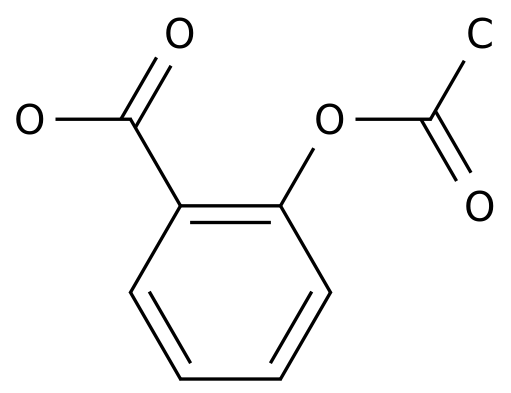
Aspirin
structure -
-
CAS No:
50-78-2
-
Formula:
C9H8O4
-
Chemical Name:
Aspirin
-
Synonyms:
Benzoic acid,2-(acetyloxy)-;Rhodine;Salicylic acid acetate;2-(Acetyloxy)benzoic acid;Aceticyl;Acetilum acidulatum;Acetophen;Acetosal;Acetosalic acid;Acetosalin;o-Acetoxybenzoic acid;2-Acetoxybenzoic acid;Acetylin;Acetylsal;Acidum acetylsalicylicum;Acylpyrin;Aspirin;Aspirine;Aspro;Asteric;A.S.A. Empirin;Helicon;Measurin;Salacetin;Salcetogen;Saletin;Xaxa;Acetylsalicylic acid;Asagran;Rhonal;Acenterine;SP 189;ASA;Duramax;Ecotrin;Entrophen;Enterosarine;Neuronika;Endydol;Acetisal;Colfarit;Acisal;Dolean pH 8;AC 5230;Acesal;Polopiryna;o-Carboxyphenyl acetate;Triple-sal;Rheumintabletten;Idragin;Yasta;Benaspir;Temperal;Bialpirina;2-Carboxyphenyl acetate;Globentyl;Novid;Globoid;O-Acetylsalicylic acid;Micristin;Acetysal;Acetard;Medisyl;Caprin;ECM;Empirin;Istopirin;o-(Acetyloxy)benzoic acid;Endosprin;Aspro Clear;Kapsazal;Aspropharm;Zorprin;Aspirina 03;Rhodine NC RP;Acesan;Miniasal;Aspirin Protect 100;Aspirin Protect 300;Melhoral;Claradin;Coricidin;Contrheuma Retard;Aspalon;Aspergum;Bialpirinia;Enterophen;Solpyron;Easprin;Darvon Compound;Extren;Gelprin;Nu-seals;Supac;Acetyonyl;Persistin;Acimetten;Coricidin D;Aspirdrops;Salycylacetylsalicylic acid;Ascriptin;Crystar;Ascoden 30;Asatard;Entericin;Albyl E;Adiro;Cardioaspirina;Ewin;Dominal;Toldex;NSC 27223;NSC 406186;Ascolong;Aspirin-Direkt;Asaflow;Trombyl;Magnecyl;Lysoprin (pharmaceutical);Salospir;Rhodine 2312;Astrix;Mycropyrin;Colsprin;Ecosprin;2349-94-2;11126-35-5;11126-37-7;26914-13-6;98201-60-6;2087491-38-9
- Categories:
-
CAS No:
Description
Aspirin is a non-selective and irreversible inhibitor of COX-1 and COX-2 with IC50s of 5 and 210 μg/mL.
Aspirin can cause developmental toxicity and female reproductive toxicity according to an independent committee of scientific and health experts. Acetylsalicylic acid appears as odorless white crystals or crystalline powder with a slightly bitter taste. (NTP, 1992) Acetylsalicylic acid is a member of the class of benzoic acids that is salicylic acid in which the hydrogen that is attached to the phenolic hydroxy group has been replaced by an acetoxy group. A non-steroidal anti-inflammatory drug with cyclooxygenase inhibitor activity. It has a role as a geroprotector, a non-steroidal anti-inflammatory drug, a non-narcotic analgesic, an antipyretic, a prostaglandin antagonist, an anticoagulant, a platelet aggregation inhibitor, a cyclooxygenase 2 inhibitor, a cyclooxygenase 1 inhibitor, a teratogenic agent, a plant activator, an EC 1.1.1.188 (prostaglandin-F synthase) inhibitor and a drug allergen. It is a member of phenyl acetates, a member of benzoic acids and a member of salicylates. It is functionally related to a salicylic acid. It is a conjugate acid of an acetylsalicylate. Also known as Aspirin, acetylsalicylic acid (ASA) is a commonly used drug for the treatment of pain and fever due to various causes. Acetylsalicylic acid has both anti-inflammatory and antipyretic effects. This drug also inhibits platelet aggregation and is used in the prevention of blood clots stroke, and myocardial infarction (MI). Interestingly, the results of various studies have demonstrated that long-term use of acetylsalicylic acid may decrease the risk of various cancers, including colorectal, esophageal, breast, lung, prostate, liver and skin cancer. Aspirin is classified as a non-selective cyclooxygenase (COX) inhibitor and is available in many doses and forms, including chewable tablets, suppositories, extended release formulations, and others. Acetylsalicylic acid is a very common cause of accidental poisoning in young children. It should be kept out of reach from young children, toddlers, and infants. Aspirin is a Nonsteroidal Anti-inflammatory Drug and Platelet Aggregation Inhibitor. The mechanism of action of aspirin is as a Cyclooxygenase Inhibitor. The physiologic effect of aspirin is by means of Decreased Prostaglandin Production and Decreased Platelet Aggregation. Aspirin or acetylsalicylic acid is perhaps the most commonly used analgesic and antipyretic medication worldwide, having been in clinical use for over 100 years. Aspirin can cause several forms of liver injury: in high doses, aspirin can cause moderate to marked serum aminotransferase elevations occasionally with jaundice or signs of liver dysfunction, and in lower doses in susceptible children with a febrile illness aspirin can lead to Reye syndrome. aspirin has been reported in Glycyrrhiza glabra with data available. Aspirin is an orally administered non-steroidal antiinflammatory agent. Acetylsalicylic acid binds to and acetylates serine residues in cyclooxygenases, resulting in decreased synthesis of prostaglandin, platelet aggregation, and inflammation. This agent exhibits analgesic, antipyretic, and anticoagulant properties. Acetylsalicylic acid (acetosal) or aspirin is only found in individuals who have consumed this drug. Acetylsalicylic acid is a drug in the family of salicylates, often used as an analgesic (against minor pains and aches), antipyretic (against fever), and anti-inflammatory. It has also an anticoagulant effect and is used in long-term low-doses to prevent heart attacks and cancer. It was isolated from meadowsweet (Filipendula ulmaria, formerly classified as Spiraea ulmaria) by German researchers in 1839. While their extract was somewhat effective, it also caused digestive problems such as irritated stomach and diarrhoea, and even death when consumed in high doses. In 1853, a French chemist named Charles Frederic Gerhardt neutralized salicylic acid by buffering it with sodium (sodium salicylate) and acetyl chloride, creating acetosalicylic anhydride. Gerhardt's product worked, but he had no desire to market it and abandoned his discovery. In 1897, researcher Arthur Eichengrun and Felix Hoffmann, a research assistant at Friedrich Bayer & Co. in Germany, derivatized one of the hydroxyl functional groups in salicylic acid with an acetyl group (forming the acetyl ester), which greatly reduced the negative effects. This was the first synthetic drug, not a copy of something that existed in nature, and the start of the pharmaceuticals industry. The name 'aspirin' is composed of a- (from the acetyl group) -spir- (from the plant genus Spiraea) and -in (a common ending for drugs at the time). It has also been stated that the name originated by another means. As referring to AcetylSalicylic and 'pir' in reference to one of the scientists who was able to isolate it in crystalline form, Raffaele Piria. Finally 'in' due to the same reasons as stated above. Salicylic acid (which is a naturally occurring substance found in many plants) can be acetylated using acetic anhydride, yielding aspirin and acetic acid as a byproduct. It is a common experiment performed in organic chemistry labs, and generally tends to produce low yields due to the relative difficulty of its extraction from an aqueous state. The trick to getting the reaction to work is to acidify with phosphoric acid and heat the reagents under reflux with a boiling water bath for between 40 minutes and an hour. Aspirin acts as an inhibitor of cyclooxygenase which results in the inhibition of the biosynthesis of prostaglandins. Aspirin also inhibits platelet aggregation and is used in the prevention of arterial and venous thrombosis. (From Martindale, The Extra Pharmacopoeia, 30th ed, p5). The prototypical analgesic used in the treatment of mild to moderate pain. It has anti-inflammatory and antipyretic properties and acts as an inhibitor of cyclooxygenase which results in the inhibition of the biosynthesis of prostaglandins. Aspirin also inhibits platelet aggregation and is used in the prevention of arterial and venous thrombosis. (From Martindale, The Extra Pharmacopoeia, 30th ed, p5) See also: Acetaminophen; Aspirin; Caffeine (component of); Aspirin; caffeine; orphenadrine citrate (component of); Aspirin; Omeprazole (component of) ... View More ...
Aspirin Basic Attributes
180.16
180.16
200-064-1
Monoclinic tablets or needle-like crystals; Colorless to white, crystalline powder.
3004909090
Characteristics
63.60000
Acetylsalicylic acid appears as odorless white crystals or crystalline powder with a slightly bitter taste. (NTP, 1992); Odorless, colorless to white, crystal-line powder. [aspirin] [Note: Develops the vinegar-like odor of acetic acid on contact with moisture.]; Solid; COLOURLESS-TO-WHITE CRYSTALS OR WHITE CRYSTALLINE POWDER WITH CHARACTERISTIC ODOUR.; Odorless, colorless to white, crystal-line powder.
1.18
Acetylsalicylic acid appears as odorless white crystals or crystalline powder with a slightly bitter taste. (NTP, 1992)
1.4 (NTP, 1992) - Denser than water; will sink; 1.40; 1.4 g/cm³; 1.35
275 °F (NTP, 1992); 138-140; 135 °C (rapid heating); 135 °C; 275 °F
284 °F at 760 mmHg (decomposes) (NTP, 1992); 140; 284 °F (decomposes); 284 °F (Decomposes)
250ºC
1.551
less than 1 mg/mL at 73 °F (NTP, 1992); 10; 1 g sol in: 300 mL water at 25 °C, 100 mL water at 37 °C, 5 mL alcohol, 17 mL chloroform, 10-15 mL ether; less sol in anhydrous ether; In water, 4,600 mg/L at 25 °C; Solubility in water, g/100ml at 15 °C: 0.25 (poor); (77 °F): 0.3%
Chewable aspirin tablets containing 81 mg of the drug should be stored in child-resistant containers holding not more than 36 tablets each in order to limit the potential toxicity associated with accidental ingestion in children. Aspirin suppositories should be stored at 2-15 °C.
0 mmHg (approx) (NIOSH, 2024); 2.52X10⁻⁵ mm Hg at 25 °C (calc); Vapor pressure, Pa at 25 °C: ~ 0.004; 0 mmHg (approx)
IDENTIFICATION: Acetylsalicylic acid is colorless or white crystals or white crystalline powder or granules; odorless or almost odorless with a slight acid taste. It is soluble in water. Indications: It is used as an analgesic for the treatment of mild to moderate pain, as an anti-inflammatory agent for the treatment of soft tissue and joint inflammation, and as an antipyretic drug. In low doses salicylate is used for the prevention of thrombosis. HUMAN EXPOSURE: The toxic effects of salicylate are complex. The following appear to be the principal primary effects of salicylate in overdose: Stimulation of the respiratory center; inhibition of citric acid cycle (carbohydrate metabolism); stimulation of lipid metabolism; inhibition of amino acid metabolism; and uncoupling of oxidative phosphorylation. Respiratory alkalosis, metabolic acidosis, water and electrolyte loss occur as the principal secondary consequences of salicylate intoxication. Central nervous system toxicity (including tinnitus, hearing-loss, convulsions and coma), hypoprothrombinemia and non-cardiogenic pulmonary edema may also occur, though for some the mechanism remains uncertain. Target organs: The target organs are: all tissues (whose cellular metabolism is affected), but in particular the liver, kidneys, lungs and the VIIIth cranial nerve. Summary of clinical effects: the following are symptoms of intoxication: Nausea, vomiting, epigastric discomfort, gastrointestinal bleeding (typically with chronic and rarely with acute intoxication); tachypnea and hyperpnea; tinnitus, deafness, sweating, vasodilatation, hyperpyrexia (rare), dehydration; irritability, tremor, blurring of vision, subconjunctival haemorrhages. The following are the effects on blood glucose: hyper- or hypoglycemia; effects on blood: hypoprothrombinemia; effects on liver: increased serum aminotransferase activities (SGOT and SGPT). Non-cardiogenic pulmonary edema; confusion, delirium, stupor, asterixis, coma, cerebral edema (with severe intoxication only); acute renal failure; cardio-respiratory arrest (with severe intoxication only). Absorption by route of exposure: After oral administration, 80 - 100% will be absorbed in the stomach and in the small intestine. However, bioavailability is lower because partial hydrolysis occurs during absorption and there is a "first-pass" effect in the liver. The non-protein bound fraction of salicylate increases with the total plasma concentration, and the binding capacity of albumin is partially saturated at therapeutic concentrations of salicylate. The greater proportion of unbound drug found at high concentrations will mean that greater toxicity will result than would be expected from the total salicylate concentration. Absorption after rectal administration is slow and unpredictable. Timed-release preparations are therapeutically of limited value because of the prolonged half-life of elimination of salicylate. Contraindications: Acetylsalicylic acid is contraindicated for the following: Absorption of enteric-coated tablets is sometimes incomplete. Active peptic ulcer, febrile/post-febrile illness in children, hemostatic disorders, including anticoagulant and thrombolytic treatment, hypoproteinemia; hypersensitivity; and asthma induced by acetylsalicylic acid or other non-steroidal anti-inflammatory drugs. Caution is indicated in patients with: a history of peptic ulceration or gastro-intestinal hemorrhage, hepatic or renal insufficiency, asthma, children < 2 years, especially in those who are dehydrated Routes of entry: The route of entry is oral. Distribution by route of exposure: Salicylic acid is a weak acid; following oral administration, almost all salicylate is found in the unionized form in the stomach. About 50 - 80% of salicylate in the blood is bound by protein while the rest remain in the active, ionized state; protein binding is concentration-dependent. Saturation of binding sites leads to more free salicylate and increased toxicity. Metabolism: approximately 80% of small doses of salicylic acid is metabolised in the liver. Conjugation with glycine forms salicyluric acid and with glucuronic acid forms salicyl acyl and phenolic glucuronide. These metabolic pathways have only a limited capacity. Small amounts of salicylic acid are also hydroxylated to gentisic acid. With large salicylate doses the kinetics switch from first order to zero order. Elimination by route of exposure: salicylates are excreted mainly by the kidney as salicyluric acid, free salicylic acid, salicylic phenol and acyl glucuronides, and gentisic acid. The analgesic, antipyretic, and anti-inflammatory effects of acetylsalicylic acid are due to actions by both the acetyl and the salicylate portions of the intact molecule as well as by the active salicylate metabolite. Acetylsalicylic acid directly and irreversibly inhibits the activity of both types of cyclooxygenase (COX-1 and COX-2) to decrease the formation of precursors of prostaglandins and thromboxanes from arachidonic acid. This makes acetylsalicylic acid different from other NSAIDS (such as diclofenac and ibuprofen) which are reversible inhibitors. Salicylate may competitively inhibit prostaglandin formation. Acetylsalicylic acid's antirheumatic (nonsteroidal anti-inflammatory) actions are a result of its analgesic and anti-inflammatory mechanisms; the therapeutic effects are not due to pituitary-adrenal stimulation. The platelet aggregation-inhibiting effect of acetylsalicylic acid specifically involves the compound's ability to act as an acetyl donor to cyclooxygenase; the nonacetylated salicylates have no clinically significant effect on platelet aggregation. Irreversible acetylation renders cyclooxygenase inactive, thereby preventing the formation of the aggregating agent thromboxane A2 in platelets. Since platelets lack the ability to synthesize new proteins, the effects persist for the life of the exposed platelets (7-10 days). Acetylsalicylic acid may also inhibit production of the platelet aggregation inhibitor, prostacyclin (prostaglandin I2), by blood vessel endothelial cells; however, inhibition prostacyclin production is not permanent as endothelial cells can produce more cyclooxygenase to replace the non-functional enzyme. Patients on long term, moderate-to-high dose aspirin therapy frequently have elevations in serum ALT levels. With high doses, ALT elevations are common and can be marked and associated with mild increases in alkaline phosphatase and bilirubin. The more dramatic examples of aspirin hepatotoxicity usually occur with doses of 1,800 to 3,200 mg daily (>100 mg/kg) and with salicylate levels of greater than 25 mg/dL, but mild-to-moderate ALT elevations occur with even lower doses and lower serum levels. These abnormalities resolve rapidly with discontinuation of aspirin, but instances of resolution despite continuation of aspirin in the same or lower doses (adaptation) have also been described. The hepatotoxicity of aspirin is usually mild and asymptomatic, although with higher doses symptoms of nausea, anorexia and abdominal pain and even encephalopathy with signs of hepatic dysfunction (hyperammonemia and coagulopathy) can occur. Bilirubin elevations are usually mild or absent. Mild eosinophilia may accompany the enzyme elevations, but rash, fever and other allergic manifestations are rare. Liver biopsy histology generally shows minimal injury despite the height of the enzyme elevations; electron microscopy may reveal fat and mitochondrial abnormalities. Aspirin can often be continued in lower doses safely. Likelihood score: A[HD] (well known cause of clinically apparent liver injury when given in high doses). Drug Induced Liver Injury Rank (DILIrank 2.0) Aspirin vLess-DILI-concern 0 No match DOI:10.1016/j.drudis.2016.02.015 Drug-Induced Liver Injury Severity and Toxicity (DILIst) aspirin DILI Positive Oral DOI:10.1016/j.drudis.2019.09.022 No indication of carcinogenicity to humans (not listed by IARC). Might i
Combustible Powder; explosion hazard if dispersed in air.
Odorless, but in moist air it is gradually hydrolyzed and acquires odor of acetic acid; Odorless [Note: Develops the vinegar-like odor of acetic acid on contact with moisture].
3.5None
3.47; 3.5; pKa = 3.49 at 25 °C
Slowly hydrolyzes in moist air. Has been involved in dust cloud explosions. Water insoluble. Solution in water is acid to methyl red indicator.
The active ingredient in common aspirin. Incompatible with oxidizers and strong acids. Also incompatible with strong bases. May react with water or nucleophiles (e.g. amines and hydroxy groups). May also react with acetanilide, amidopyrine, phenazone, hexamine, iron salts, phenobarbitone sodium, quinine salts, potassium and sodium iodides, alkali hydroxides, carbonates, stearates and paracetanol. (NTP, 1992)
Combustible Powder; explosion hazard if dispersed in air.
Dust explosion possible if in powder or granular form, mixed with air.
Safety Information
III
Acute Tox. 4 (95.6%); Skin Irrit. 2 (20.6%); Eye Irrit. 2 (22.2%); STOT SE 3 (20%); Acute toxicity (Oral) - Category 4; Skin corrosion/irritation - Category 3; Serious eye damage/eye irritation - Category 2A; Respiratory sensitization - Category 1; Reproductive toxicity - Category 1A; Specific target organ toxicity - Single exposure - Category 2 (lung, kidney, stomach); Specific target organ toxicity - Repeated exposure - Category 2 (liver, auditory organ, blood system, central nervous system); Reproductive toxicity - Category 1B, Additional category: Effects on or via lactation; Specific target organ toxicity - Single exposure - Category 1 (central nervous system, stomach, liver, lung, ); Specific target organ toxicity - Repeated exposure - Category 1 (blood system, central nervous system, stomach, liver, kidney, lung, ); Hazardous to the aquatic environment (Long-term) - Category 3
UN 1851
1
Poison
IMAP assessments - Benzoic acid, 2-(acetyloxy)-: Environment tier I assessment; IMAP assessments - Benzoic acid, 2-(acetyloxy)-: Human health tier I assessment; International Programme on Chemical Safety; Poisons Information Monograph: Acetylsalicylic Acid (PIM 006) (1991) Available from http://www.inchem.org/pages/pims.html as of March 10, 2008
VO0700000
Xn
Well closed.
The solution in water is a weak acid.
Stable. Keep dry. Incompatible with strong oxidizing agents, strong bases, strong acids, various other compounds such as iodides, iron salts, quinine salts, etc.
P261-P305 + P351 + P338
H302-H315-H319-H335
SRP: At the time of review, criteria for land treatment or burial (sanitary landfill) disposal practices are subject to significant revision. Prior to implementing land disposal of waste residue (including waste sludge), consult with environmental regulatory agencies for guidance on acceptable disposal practices.
Solutions of alkali hydroxides or carbonates, strong oxidizers, moisture [Note: Slowly hydrolyzes in moist air to salicyclic & acetic acids].; Solutions of alkali hydroxides or carbonates, strong oxidizers, moisture [Note: Slowly hydrolyzes in moist air to salicyclic & acetic acids.]
2811
This chemical is combustible. (NTP, 1992); Combustible. Finely dispersed particles form explosive mixtures in air.
This chemical does not meet GHS hazard criteria for 0.3% (1 of 315) of reports. Warning H302 (95.6%): Harmful if swallowed [Warning Acute toxicity, oral] H315 (20.6%): Causes skin irritation [Warning Skin corrosion/irritation] H319 (22.2%): Causes serious eye irritation [Warning Serious eye damage/eye irritation] H335 (20%): May cause respiratory irritation [Warning Specific target organ toxicity, single exposure; Respiratory tract irritation] P261, P264, P264+P265, P270, P271, P280, P301+P317, P302+P352, P304+P340, P305+P351+P338, P319, P321, P330, P332+P317, P337+P317, P362+P364, P403+P233, P405, and P501 (click each P-code to see the statement) Aggregated GHS information provided per 315 reports by companies from 23 notifications to the ECHA C&L Inventory. Each notification may be associated with multiple companies. Reported as not meeting GHS hazard criteria per 1 of 315 reports by companies. There are 22 notifications provided by 314 of 315 reports by companies with hazard statement code(s). Information may vary between notifications depending on impurities, additives, and other factors. The percentage value in parenthesis indicates the notified classification ratio from companies that provide hazard codes. Only hazard codes with percentage values above 10% are shown. For more detailed information, please visit ECHA C&L website. Danger H334: May cause allergy or asthma symptoms or breathing difficulties if inhaled [Danger Sensitization, respiratory] H412: Harmful to aquatic life with long lasting effects [Hazardous to the aquatic environment, long-term hazard] P233, P260, P271, P273, P284, P304+P340, P342+P316, P403, and P501 (click each P-code to see the statement) H302: Harmful if swallowed [Warning Acute toxicity, oral] H319: Causes serious eye irritation [Warning Serious eye damage/eye irritation] H360: May damage fertility or the unborn child [Danger Reproductive toxicity] H370: Causes damage to organs [Danger Specific target organ toxicity, single exposure] H372: Causes damage to organs through prolonged or repeated exposure [Danger Specific target organ toxicity, repeated exposure] P203, P233, P260, P264, P264+P265, P270, P271, P280, P284, P301+P317, P304+P340, P305+P351+P338, P308+P316, P318, P319, P321, P330, P337+P317, P342+P316, P403, P405, and P501 (click each P-code to see the statement) H316: Causes mild skin irritation [Warning Skin corrosion/irritation] H371: May cause damage to organs [Warning Specific target organ toxicity, single exposure] H373: May causes damage to organs through prolonged or repeated exposure [Warning Specific target organ toxicity, repeated exposure] P203, P233, P260, P264, P264+P265, P270, P271, P280, P284, P301+P317, P304+P340, P305+P351+P338, P308+P316, P318, P319, P330, P332+P317, P337+P317, P342+P316, P403, P405, and P501 (click each P-code to see the statement)
Excerpt from NIOSH Pocket Guide for Acetylsalicylic acid:; Skin: PREVENT SKIN CONTACT - Wear appropriate personal protective clothing to prevent skin contact.; Eyes: PREVENT EYE CONTACT - Wear appropriate eye protection to prevent eye contact.; Wash skin: WHEN CONTAMINATED - The worker should immediately wash the skin when it becomes contaminated.; Remove: No recommendation is made specifying the need for removing clothing that becomes wet or contaminated.; Change: DAILY - Workers whose clothing may have become contaminated should change into uncontaminated clothing before leaving the work premises.; Provide:; ⢠EYEWASH - Eyewash fountains should be provided in areas where there is any possibility that workers could be exposed to the substances; this is irrespective of the recommendation involving the wearing of eye protection.; ⢠QUICK DRENCH - Facilities for quickly drenching the body should be provided within the immediate work area for emergency use where there is a possibility of exposure. [Note: It is intended that these facilities provide a sufficient quantity or flow of water to quickly remove the substance from any body areas likely to be exposed. The actual determination of what constitutes an adequate quick drench facility depends on the specific circumstances. In certain instances, a deluge shower should be readily available, whereas in others, the availability of water from a sink or hose could be considered adequate.] (NIOSH, 2024); Wear appropriate personal protective clothing to prevent skin contact.; Wear appropriate eye protection to prevent eye contact.; Eyewash fountains should be provided in areas where there is any possbility that workers could be exposed to the substance; this is irrespective of the recommendation involving the wearing of eye protection.; Facilities for quickly drenching the body should be provided within the immediate work area for emergency use where there is a possibility of exposure. [Note: It is intended that these facilities should provide a sufficient quantity or flow of water to quickly remove the substance from any body areas likely to be exposed. The actual determination of what constitutes an adequate quick drench facility depends on the specific circumstances. In certain instances, a deluge shower should be readily available, whereas in others, the availability of water from a sink or hose could be considered adequate.]
SLIGHT WHEN EXPOSED TO HEAT OR FLAME
Contact lenses should not be worn when working with this chemical.; The worker should immediately wash the skin when it becomes contaminated.; Workers whose clothing may have become contaminated should change into uncontaminated clothing before leaving the work premises.; SRP: The scientific literature for the use of contact lenses in industry is conflicting. The benefit or detrimental effects of wearing contact lenses depend not only upon the substance, but also on factors including the form of the substance, characteristics and duration of the exposure, the uses of other eye protection equipment, and the hygiene of the lenses. However, there may be individual substances whose irritating or corrosive properties are such that the wearing of contact lenses would be harmful to the eye. In those specific cases, contact lenses should not be worn. In any event, the usual eye protection equipment should be worn even when contact lenses are in place.; SRP: Contaminated protective clothing should be segregated in such a manner so that there is no direct personal contact by personnel who handle, dispose, or clean the clothing. Quality assurance to ascertain the completeness of the cleaning procedures should be implemented before the decontaminated protective clothing is returned for reuse by the workers. Contaminated clothing should not be taken home at end of shift, but should remain at employee's place of work for cleaning.
Well closed.
PREVENT DISPERSION OF DUST!
Use ventilation (not if powder).
Protective gloves.
Wear safety goggles.
Aspirin poisoning was one of the leading causes of accidental death in children until child-proof bottles were developed; After ingestion, causes stimulation of respiratory center in brain and metabolic acidosis; Prolongs prothrombin time and complicated by cerebral and pulmonary edema; 1 aspirin tablet = 325-650 mg acetylsalicylic acid; 1 teaspoon concentrated oil of wintergreen = 5 g of methyl salicylate (equivalent to 7.5 g of acetylsalicylic acid); Acute ingestion of 150-200 mg/kg aspirin = mild intoxication; Acute ingestion of 300-500 mg/kg aspirin = severe intoxication; [Olson, p. 410-11] TLV Basis = Bleeding and respiratory sensitization. An oral dose of 30mg/person of ASA (0.45 mg/kg per day) given daily for 3 weeks resulted in a significant prolongation of bleeding time (1.6 times control values) . . . ASA is a known respiratory and systemic allergen in humans, which may result in an anaphylactic phenomenon known as aspirin-exacerbated respiratory disease (AERD). It can occur at oral doses as low as 81 mg daily. [ACGIH TLVs and BEIs]
Do not eat, drink, or smoke during work.
Scientific References
PTGS1 - prostaglandin-endoperoxide synthase 1 (human): 350 nM
Prostaglandin G/H synthase 1 (human): 1.7 µM
PTGS2 - prostaglandin-endoperoxide synthase 2 (human): 2.4 µM
ITGA2B - integrin subunit alpha 2b (human): 5 µM
ITGB3 - integrin subunit beta 3 (human): 5 µM
• NCT01924325 — Phase 2 (ADANCE)
• NCT02239120 — Phase 3 (Dabigatran Etexilate for Secondary Stroke Prevention in Pati)
• NCT07164859 — Phase 3 (SOLOPCI)
• NCT06522113 — Phase 4 (Cilostazol and Aspirin in Stroke and TIA)
• NCT00129038 — Phase 4 (Modified-release Dipyridamole/Aspirin (200mg/25mg bd) Versus)
• NCT01661322 — Phase 3 (TARDIS)
• NCT03699293 — Phase 4 (NSAIDs vs. Coxibs in the Presence of Aspirin)
• NCT01815008 — Phase 4 (PARes-I)
• NCT00129805 — Phase 3 (Sarpogrelate-Aspirin Comparative Clinical Study for Efficacy)
• NCT05077683 — Phase 3 (APERITIF)
Approved (Phase 4). FDA/EMA approved.
ACETYLSALICYLIC ACID, Hazardous Substances Data Bank (HSDB).
Toxicity
IDENTIFICATION: Acetylsalicylic acid is colorless or white crystals or white crystalline powder or granules; odorless or almost odorless with a slight acid taste. It is soluble in water. Indications: It is used as an analgesic for the treatment of mild to moderate pain, as an anti-inflammatory agent for the treatment of soft tissue and joint inflammation, and as an antipyretic drug. In low doses salicylate is used for the prevention of thrombosis. HUMAN EXPOSURE: The toxic effects of salicylate are complex. The following appear to be the principal primary effects of salicylate in overdose: Stimulation of the respiratory center; inhibition of citric acid cycle (carbohydrate metabolism); stimulation of lipid metabolism; inhibition of amino acid metabolism; and uncoupling of oxidative phosphorylation. Respiratory alkalosis, metabolic acidosis, water and electrolyte loss occur as the principal secondary consequences of salicylate intoxication. Central nervous system toxicity (including tinnitus, hearing-loss, convulsions and coma), hypoprothrombinemia and non-cardiogenic pulmonary edema may also occur, though for some the mechanism remains uncertain. Target organs: The target organs are: all tissues (whose cellular metabolism is affected), but in particular the liver, kidneys, lungs and the VIIIth cranial nerve. Summary of clinical effects: the following are symptoms of intoxication: Nausea, vomiting, epigastric discomfort, gastrointestinal bleeding (typically with chronic and rarely with acute intoxication); tachypnea and hyperpnea; tinnitus, deafness, sweating, vasodilatation, hyperpyrexia (rare), dehydration; irritability, tremor, blurring of vision, subconjunctival haemorrhages. The following are the effects on blood glucose: hyper- or hypoglycemia; effects on blood: hypoprothrombinemia; effects on liver: increased serum aminotransferase activities (SGOT and SGPT). Non-cardiogenic pulmonary edema; confusion, delirium, stupor, asterixis, coma, cerebral edema (with severe intoxication only); acute renal failure; cardio-respiratory arrest (with severe intoxication only). Absorption by route of exposure: After oral administration, 80 - 100% will be absorbed in the stomach and in the small intestine. However, bioavailability is lower because partial hydrolysis occurs during absorption and there is a "first-pass" effect in the liver. The non-protein bound fraction of salicylate increases with the total plasma concentration, and the binding capacity of albumin is partially saturated at therapeutic concentrations of salicylate. The greater proportion of unbound drug found at high concentrations will mean that greater toxicity will result than would be expected from the total salicylate concentration. Absorption after rectal administration is slow and unpredictable. Timed-release preparations are therapeutically of limited value because of the prolonged half-life of elimination of salicylate. Contraindications: Acetylsalicylic acid is contraindicated for the following: Absorption of enteric-coated tablets is sometimes incomplete. Active peptic ulcer, febrile/post-febrile illness in children, hemostatic disorders, including anticoagulant and thrombolytic treatment, hypoproteinemia; hypersensitivity; and asthma induced by acetylsalicylic acid or other non-steroidal anti-inflammatory drugs. Caution is indicated in patients with: a history of peptic ulceration or gastro-intestinal hemorrhage, hepatic or renal insufficiency, asthma, children < 2 years, especially in those who are dehydrated Routes of entry: The route of entry is oral. Distribution by route of exposure: Salicylic acid is a weak acid; following oral administration, almost all salicylate is found in the unionized form in the stomach. About 50 - 80% of salicylate in the blood is bound by protein while the rest remain in the active, ionized state; protein binding is concentration-dependent. Saturation of binding sites leads to more free salicylate and increased toxicity. Metabolism: approximately 80% of small doses of salicylic acid is metabolised in the liver. Conjugation with glycine forms salicyluric acid and with glucuronic acid forms salicyl acyl and phenolic glucuronide. These metabolic pathways have only a limited capacity. Small amounts of salicylic acid are also hydroxylated to gentisic acid. With large salicylate doses the kinetics switch from first order to zero order. Elimination by route of exposure: salicylates are excreted mainly by the kidney as salicyluric acid, free salicylic acid, salicylic phenol and acyl glucuronides, and gentisic acid. The analgesic, antipyretic, and anti-inflammatory effects of acetylsalicylic acid are due to actions by both the acetyl and the salicylate portions of the intact molecule as well as by the active salicylate metabolite. Acetylsalicylic acid directly and irreversibly inhibits the activity of both types of cyclooxygenase (COX-1 and COX-2) to decrease the formation of precursors of prostaglandins and thromboxanes from arachidonic acid. This makes acetylsalicylic acid different from other NSAIDS (such as diclofenac and ibuprofen) which are reversible inhibitors. Salicylate may competitively inhibit prostaglandin formation. Acetylsalicylic acid's antirheumatic (nonsteroidal anti-inflammatory) actions are a result of its analgesic and anti-inflammatory mechanisms; the therapeutic effects are not due to pituitary-adrenal stimulation. The platelet aggregation-inhibiting effect of acetylsalicylic acid specifically involves the compound's ability to act as an acetyl donor to cyclooxygenase; the nonacetylated salicylates have no clinically significant effect on platelet aggregation. Irreversible acetylation renders cyclooxygenase inactive, thereby preventing the formation of the aggregating agent thromboxane A2 in platelets. Since platelets lack the ability to synthesize new proteins, the effects persist for the life of the exposed platelets (7-10 days). Acetylsalicylic acid may also inhibit production of the platelet aggregation inhibitor, prostacyclin (prostaglandin I2), by blood vessel endothelial cells; however, inhibition prostacyclin production is not permanent as endothelial cells can produce more cyclooxygenase to replace the non-functional enzyme.
TERRESTRIAL FATE: Based on a classification scheme(1), an estimated Koc value of 100(SRC), determined from a log Kow of 1.19(2) and a regression-derived equation(3), indicates that acetylsalicylic acid is expected to have high mobility in soil(SRC). The pKa of acetylsalicylic acid is 3.49(4), indicating that this compound will almost entirely exist in anion form in the environment and anions generally do not adsorb as strongly to soils containing organic carbon and clay than their neutral counterparts(4). Volatilization of acetylsalicylic acid from moist soil surfaces will not be an important fate process(SRC) since anions do not volatilize. Acetylsalicylic acid is not expected to volatilize from dry soil surfaces(SRC) based upon a vapor pressure of 2.5X10⁻⁵ mm Hg(6). No biodegradation studies were located for acetylsalicylic acid in soil(SRC, 2008); however, acetylsalicylic acid was classified as readily biodegradable in screening tests(7,8). An aqueous hydrolysis half-life of 6.3 days at pH 7.4 and 17 °C(9), suggests hydrolysis may occur in moist soils(SRC).; AQUATIC FATE: Based on a classification scheme(1), an estimated Koc value of 100(SRC), determined from a log Kow of 1.19(2) and a regression-derived equation(3), indicates that acetylsalicylic acid is not expected to adsorb to suspended solids and sediment(SRC). A pKa of 3.49(4) indicates acetylsalicylic acid will exist almost entirely in the anion form at pH values of 5 to 9 and therefore volatilization from water surfaces is not expected to be an important fate process. According to a classification scheme(5), an estimated BCF of 3(SRC), from its log Kow(2) and a regression-derived equation(6), suggests the potential for bioconcentration in aquatic organisms is low(SRC). A hydrolysis half-life of 6.3 days at pH 7.4 and 17 °C was calculated for acetylsalicylic acid(7). No biodegradation studies were located for acetylsalicylic acid in water(SRC, 2008); however, acetylsalicylic acid was classified as readily biodegradable in screening tests(8,9).; ATMOSPHERIC FATE: According to a model of gas/particle partitioning of semivolatile organic compounds in the atmosphere(1), acetylsalicylic acid, which has a vapor pressure of 2.5X10⁻⁵ mm Hg at 25 °C(2) is expected to exist in both the vapor and particulate phases in the ambient atmosphere. Vapor-phase acetylsalicylic acid is degraded in the atmosphere by reaction with photochemically-produced hydroxyl radicals(SRC); the half-life for this reaction in air is estimated to be 12 days(SRC), calculated from its rate constant of 1.3X10⁻¹² cu cm/molecule-sec at 25 °C(SRC) that was derived using a structure estimation method(3). Particulate-phase acetylsalicylic acid may be removed from the air by wet or dry deposition(SRC). Acetylsalicylic acid contains chromophores that absorb at wavelengths >290 nm(4) and therefore may be susceptible to direct photolysis by sunlight(SRC).
Drug Information
**Pain, fever, and inflammation** Acetylsalicylic acid (ASA), in the regular tablet form (immediate-release), is indicated to relieve pain, fever, and inflammation associated with many conditions, including the flu, the common cold, neck and back pain, dysmenorrhea, headache, tooth pain, sprains, fractures, myositis, neuralgia, synovitis, arthritis, bursitis, burns, and various injuries. It is also used for symptomatic pain relief after surgical and dental procedures. The _extra strength_ formulation of acetylsalicylic acid is also indicated for the management migraine pain with photophobia (sensitivity to light) and phonophobia (sensitivity to sound). **Other indications** ASA is also indicated for various other purposes, due to its ability to inhibit platelet aggregation. These include: Reducing the risk of cardiovascular death in suspected cases of myocardial infarction (MI). Reducing the risk of a first non-fatal myocardial infarction in patients, and for reducing the risk of morbidity and mortality in cases of unstable angina and in those who have had a prior myocardial infarction. For reducing the risk of transient ischemic attacks (TIA) and to prevent atherothrombotic cerebral infarction (in conjunction with other treatments). For the prevention of thromboembolism after hip replacement surgery. For decreasing platelet to platelet adhesion following carotid endarterectomy, aiding in the prevention of transient ischemic attacks (TIA). Used for patients undergoing hemodialysis with a silicone rubber arteriovenous cannula inserted to prevent thrombosis at the insertion site. **Important note regarding use of the extended-release formulation** In the setting of acute myocardial infarction, or before percutaneous interventions, the extended-release form of acetylsalicylic acid should not be used. Use immediate-release formulations in scenarios requiring rapid onset of action. The extended-release form is taken to decrease the incidence of mortality and myocardial infarction (MI) for individuals diagnosed with chronic coronary artery disease (CAD), including patients with previous myocardial infarction (MI) or unstable angina or with chronic stable angina. Additionally, the extended-release form is used to decrease the risk of death and recurrent episodes of stroke in patients with a history of stroke or TIA.; FDA Label
Breast Feeding; Lactation; Milk, Human; Analgesic Agents; Anti-Inflammatory Agents, Non-Steroidal; Platelet Aggregation Inhibitors; Antithrombotic Agents, Antiinflammatory Agents, Salicylates
Aspirin use may be associated with the development of Reye's syndrome in children and teenagers with acute febrile illnesses, especially influenza and varicella. It is recommended that salicylate therapy not be initiated in febrile pediatric or adolescent patients until after the presence of such an illness has been ruled out. Also, it is recommended that chronic salicylate therapy in these patients be discontinued if a fever occurs, and not resumed until it has been determined that an illness that may predispose to Reye's syndrome is not present or has run its course. Other forms of salicylate toxicity may also be more prevalent in pediatric patients, especially children who have a fever or are dehydrated. Especially careful monitoring of the serum salicylate concentration is recommended in pediatric patients with Kawasaki disease. Absorption of aspirin is impaired during the early febrile stage of the disease; therapeutic anti-inflammatory plasma salicylate concentrations may be extremely difficult to achieve. Also, as the febrile stage passes, absorption is improved; salicylate toxicity may occur if dosage is not readjusted. Requirements of Vitamin K may be increased in patients receiving high doses of salicylate. /Salicylate/ IF RENAL FUNCTION IS COMPROMISED IN SALICYLATE INTOXICATION, POTASSIUM LOST FROM CELLS ACCUMULATES IN EXTRACELLULAR FLUID & POTASSIUM INTOXICATION MAY OCCUR. For more Drug Warnings (Complete) data for ACETYLSALICYLIC ACID (21 total), please visit the HSDB record page.
Aspirin acetylates prostaglandin endoperoxide synthase (prostaglandin G/H-synthase) and irreversibly inhibits its cyclooxygenase (COX) activity. The enzyme catalyzes the conversion of arachidonic acid to PGH2, the first committed step in prostanoid biosynthesis. Two isoforms of prostaglandin endoperoxide synthase exist, PGHS-1 and PGHS-2 (also referred to as COX-1 and COX-2, respectively). PGHS-1 (COX-1) is expressed constitutively in most cell types, including platelets. PGHS-2 (COX-2) is undetectable in most mammalian cells, but its expression can be induced rapidly in response to mitogenic and inflammatory stimuli. Aspirin is a relatively selective inhibitor of platelet PGHS-1 (cyclooxygenase-1, COX-1). The existence of 2 isoenzymes with different aspirin sensitivities, coupled with extremely different recovery rates of their cyclooxygenase (COX) activity following inactivation by aspirin, at least partially explains the different dosage requirements and durations of aspirin effects on platelet function versus the drug's analgesic and anti-inflammatory effects. Human platelets and vascular endothelial cells process PGH2 to produce thromboxane A2 and prostacyclin (epoprostenol, PGI2), respectively. Thromboxane A2 induces platelet aggregation and vasoconstriction, while prostacyclin inhibits platelet aggregation and induces vasodilation. Aspirin is antithrombotic in a wide range of doses inhibiting thromboxane A2 and prostacyclin.
Excerpt from NIOSH Pocket Guide for Acetylsalicylic acid:; Exposure Routes: Inhalation, ingestion, skin and/or eye contact; Symptoms: Irritation eyes, skin, upper respiratory system; increased blood clotting time; nausea, vomiting; liver, kidney injury; Target Organs: Eyes, skin, respiratory system, blood, liver, kidneys (NIOSH, 2024)
Aspirin Use and Manufacturing
Acetylsalicylic acid is prepared by reacting acetic anhydride with salicylic acid at a temperature of <90 °C either in a solvent (e.g., acetic acid or aromatic, acyclic, or chlorinated hydrocarbons) or by the addition of catalysts such as acids or tertiary amines.; Manufacture from salicylic acid and acetic anhydride. ... Crystallization from acetone..
1. Antifungal
2. Axepim Cephalosporin antibiotic
3. Analgesic; antipyretic; anti-inflammatory; antithrombotic
Anti-Inflammatory Agents, Non-Steroidal; Cyclooxygenase Inhibitors; Fibrinolytic Agents; Platelet Aggregation Inhibitors Salicylates are indicated to relieve myalgia, musculoskeletal pain, and other symptoms of nonrheumatic inflammatory conditions such as athletic injuries, bursitis, capsulitis, tendinitis, and nonspecific acute tenosynovitis. /Included in US product labeling/ Salicylates are indicated for the symptomatic relief of acute and chronic rheumatoid arthritis, juvenile arthritis, osteoarthritis, and related rheumatic diseases. Aspirin is usually the first agent to be used and may be the drug of choice in patients able to tolerate prolonged therapy with high doses. These agents do not affect the progressive course of rheumatoid arthritis. Concurrent treatment with a glucocorticoid or a disease-modifying antirheumatic agent may be needed, depending on the condition being treated and patient response. /Included in US product labeling/ Salicylates are also used to reduce arthritic complications associated with systemic lupus erythematosus. /Salicylates; NOT included in US product labeling/ For more Therapeutic Uses (Complete) data for ACETYLSALICYLIC ACID (12 total), please visit the HSDB record page. Used in manufacturing and health care; [ACGIH TLVs and BEIs] Therapeutic Category: Analgesic; antipyretic; anti-inflammatory; antithrombotic. Therapeutic Category (Vet): Analgesic; antipyretic; anti-inflammatory; antithrombotic. MEDICATION CHEMICAL PROFILE: Virtually all aspirin is used in pharmaceutical products in aspirin tablets or in concert with other ingredients (1981) For more Uses (Complete) data for ACETYLSALICYLIC ACID (7 total), please visit the HSDB record page. Use (kg) in Switzerland (2009): >50000 Use (kg; approx.) in Germany (2009): >500000 Use (kg; exact) in Germany (2009): 621516 Use (kg) in USA (2002): 795000 Use (kg) in France (2004): 396212 Consumption (g per capita) in Switzerland (2009): 6.4 Consumption (g per capita; approx.) in Germany (2009): 6.1 Consumption (g per capita; exact) in Germany (2009): 7.6 Consumption (g per capita) in the USA (2002): 2.8 Consumption (g per capita) in France (2004): 6.6 Excretion rate: 0.1 Calculated removal (%): 92.1 For use in the temporary relief of various forms of pain, inflammation associated with various conditions (including rheumatoid arthritis, juvenile rheumatoid arthritis, systemic lupus erythematosus, osteoarthritis, and ankylosing spondylitis), and is also used to reduce the risk of death and/or nonfatal myocardial infarction in patients with a previous infarction or unstable angina pectoris. Animal Drugs -> FDA Approved Animal Drug Products (Green Book) -> Active Ingredients Pharmaceuticals -> Animal Drugs -> Approved in Taiwan Cosmetics product ingredient: Aspirin (Acetylsalicylic acid) Source: Aspirin is a non-steroidal anti-inflammatory over-the-counter drug. Aspirin relieves pain and reduces fever. Aspirin prevents blood from clotting quickly. Aspirin is added to cosmetics in order to reduce irritation and inflammation. Potential health impacts: The major routes of exposure to aspirin in cosmetics are through the skin or by ingestion. Some people are sensitive to aspirin and can have severe reactions to small amounts. In high doses, aspirin can affect the liver. Aspirin is not recommended for children because of a link to Reye Syndrome, a serious liver disease. Aspirin is generally not recommended for use as a pain reliever during pregnancy, because it can cause changes in the heart of the unborn child and may delay or prolong labor. It also increases the risk of bleeding. The U.S. Food and Drug Administration (FDA) classifies aspirin as FDA Pregnancy Category D; there is a known risk to the fetus when the drug is used during pregnancy, but potential benefits may sometimes outweigh the risk. California Proposition 65 lists aspirin as a chemical known to cause developmental effects and reproductive harm. Product count: 11
(1972) 1.59X10+10 GRAMS; (1975) 1.16X10+10 GRAMS; (1984) 1.54X10+10 g; Production volumes for non-confidential chemicals reported under the Inventory Update Rule. [Table#1911]; For more U.S. Production (Complete) data for ACETYLSALICYLIC ACID (7 total), please visit the HSDB record page.
54% AS AN ANALGESIC IN COMBINATION WITH OTHER ACTIVE OR INERT INGREDIENTS; 46% AS AN ANALGESIC IN SINGLE INGREDIENT ASPIRIN TABLETS (1973); CHEMICAL PROFILE: Aspirin. Almost all aspirin manufactured in the US is used in aspirin tablets, pharmaceutical products or in conjunction with other ingredients for its analgesic and antipyretic properties. Approx 10% of US production is exported in bulk.; CHEMICAL PROFILE: Aspirin. Demand: 1986: 29.5 million lb; 1987: 30.0 million lb; 1991 /projected/: 31.8 million lb.; CHEMICAL PROFILE: Aspirin. Almost all aspirin manufactured in the US is used in aspirin tablets, pharmaceutical products or in conjunction with other ingredients for its analgesic and antipyretic properties. Approximately 5% of US production is exported in bulk.; For more Consumption Patterns (Complete) data for ACETYLSALICYLIC ACID (8 total), please visit the HSDB record page.
Computed Properties
Molecular Weight: 180.16 XLogP3: 1.2 Hydrogen Bond Donor Count: 1 Hydrogen Bond Acceptor Count: 4 Rotatable Bond Count: 3 Exact Mass: 180.04225873 Monoisotopic Mass: 180.04225873 Topological Polar Surface Area: 63.6 Heavy Atom Count: 13 Formal Charge: 0 Complexity: 212 Isotope Atom Count: 0 Defined Atom Stereocenter Count: 0 Undefined Atom Stereocenter Count: 0 Defined Bond Stereocenter Count: 0 Undefined Bond Stereocenter Count: 0 Covalently-Bonded Unit Count: 1 Compound Is Canonicalized: Yes
Price Analysis
Recommended Suppliers of Aspirin
-
![China]() CN
YRS
Business licensedTrader Supplier of Intermediates,Building blocks,API,Silicones,Peptides,Lab chemicals,Biochemicals,Pharmaceuticals,Screening Compounds,Food Additives -
![China]() CN
YRS
Business licensedTrader Supplier of API,nutrition supplements,plant extract,peptide,HCGInquiryUnit Price: nullnull /null nullCAS No.: 50-78-2Grade: Pharmaceutical GradeContent: 98% -
![China]() CN
YRS
Business licensedTrader Supplier of CHEMICALS,REAGENTSInquiryCAS No.: 50-78-2Grade: Pharmaceutical GradeContent: 99% -
![China]() CN
YRS
Business licensedTrader Supplier of API,Pharmaceutical intermediates,Fine chemicals,Custom compound synthesis -
![China]() CN
YRS
Business licensed Certified factoryManufactory Supplier of nullInquiryUnit Price: nullnull /null nullCAS No.: 50-78-2Grade: Pharmaceutical GradeContent: 99%

Learn More Other Chemicals
-
Aspirin arginine salt
37466-21-0
-
Calcium aspirin
69-46-5
-
Aspirin aluminum
23413-80-1
-
Birch, Betulaalba, ext. Formula
84012-15-7
-
Elder, Sambucusnigra, ext. Formula
84603-58-7
-
Star anise, Illiciumverum, ext. Formula
84650-59-9
-
Tea extract Structure
84650-60-2
-
Clove, ext. Structure
84961-50-2
-
What is Clover, Trifoliumpratense, ext.
85085-25-2
-
What is DL-HOMOCYSTEIC ACID
504-33-6