Product
Supplier
Encyclopedia
Inquiry
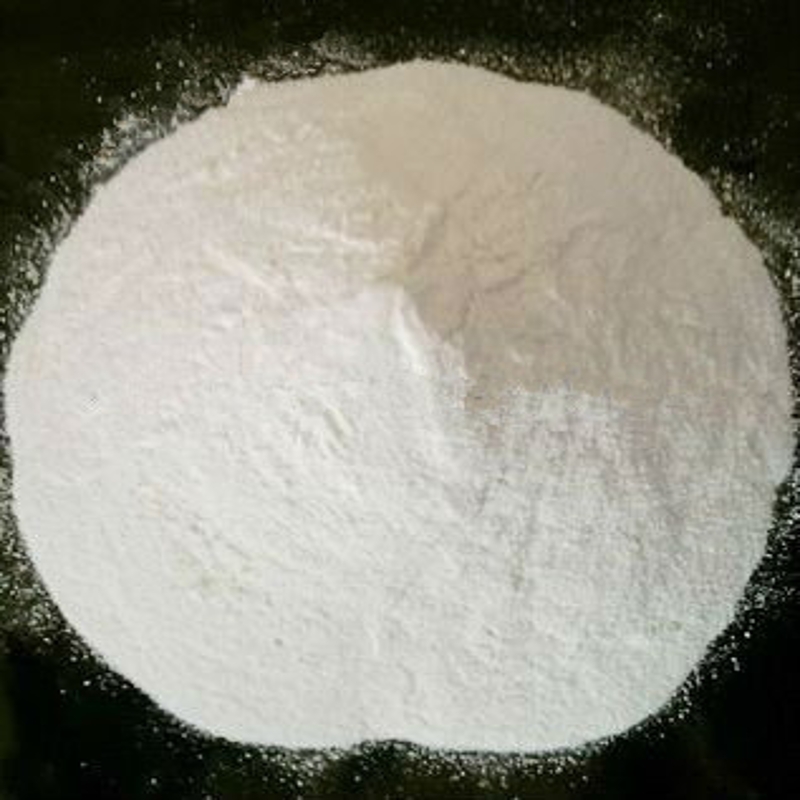
Glcyine tech grade buy - large image1
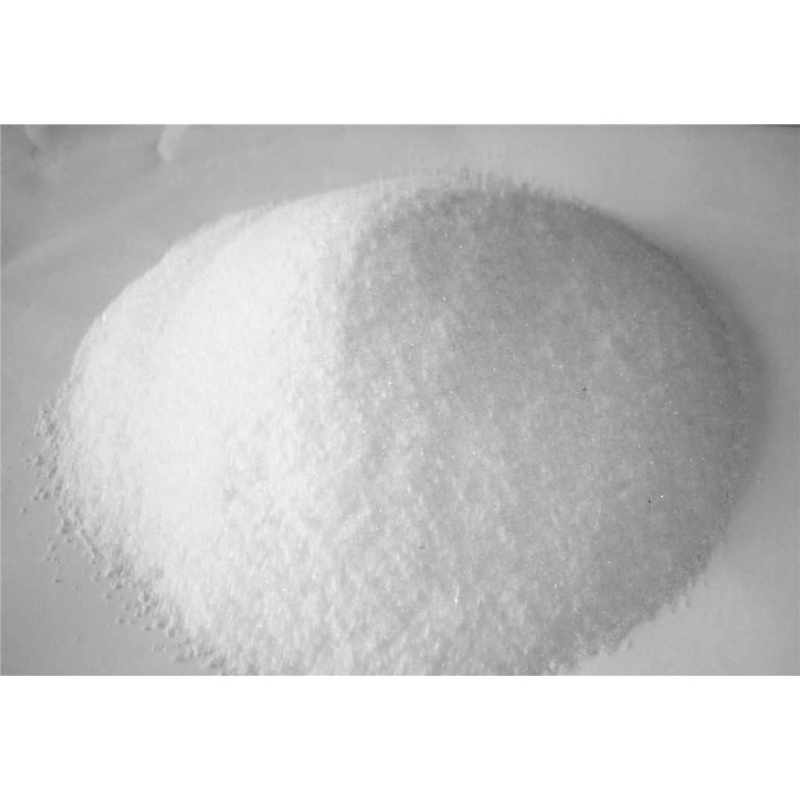
Glcyine tech grade buy - image1

Glcyine tech grade

69 Inquiries

Unit Price: Get Latest Price
CAS No.:

56-40-6

Content:

99.8%

Port:

QINGDAO

Brand:

EAST CHEMSOURCES LIMITED

Packaging:

25kg/bag

Sample Available:

Yes

Price valid (until):

2024-02-23

Company Type:
Trader
Location:
China
Payment Terms:
TT against copy of documents,TT against B/L draft before shipment,100% TT in advance
Average Lead Time:
10 days
Qualification:
Main Products:

Food additives,Pharmaceutical raw materials,Chemicals,Comestic raw materials

  • Product Description

  • Seller Information

  • Inquiry History

  • Description

    Glycine (Glycine, abbreviation Gly), also known as amino acetic acid, its chemical formula is C2H5NO2, at room temperature and atmospheric pressure is a white solid, is the most simple structure of the amino acid series, the human body is not essential to an amino acid, in the molecule has both acidic and basic functional groups, can be ionized in water, has a strong hydrophilic acid, but belongs to the non-polar amino acid. It is soluble in polar solvents, but insoluble in non-polar solvents, and has a high boiling point and melting point. Glycine can show different molecular forms by adjusting the acid-base of aqueous solution.


    Physicochemical property
    White monoclinic or hexagonal crystal, or white crystalline powder. Odorless, with a special sweet taste. The relative density is 1.1607. Melting point 248℃(decomposition). pK'1(COOH) is 2.34 and pK'2(N+H3) is 9.60. Easily soluble in water, solubility in water: 25g/100ml at 25℃; At 50℃, it is 39.1g/100ml; 54.4g/100ml at 75℃; At 100℃, it is 67.2g/100 mL. Extremely insoluble in ethanol, about 0.06g dissolved in 100g anhydrous ethanol. Almost insoluble in acetone and ether. Reacts with hydrochloric acid to form a hydrochloride. pH(50g/L solution, 25℃)= 5.8 ~ 6.4

    Quality standard HGB 3075-79

    Molecular weight 75.07


    use
    Folding food
    【 Use 1 】

    Used as biochemical reagent, used in medicine, feed and food additives, nitrogen fertilizer industry as non-toxic decarburization agent

    【 Use 2 】

    Used in pharmaceutical industry, biochemical test and organic synthesis

    【 Use 3 】

    Glycine is mainly used as a nutritional additive in chicken feed.

    【 Use 4 】

    Glycine, also known as aminoacetic acid, is an intermediate glycine ethyl ester hydrochloride used in pesticide production to synthesize pyrethroid insecticides, and can also synthesize fungicide isocuron and herbicide solid glyphosate. In addition, it is also used in fertilizer, medicine, food additives, condiment and other industries.

    【 Application 5 】

    A nutritional supplement. Mainly used for seasoning and other aspects.

    Flavoring combined with alanine for alcoholic beverages, added amount: wine 0.4%, whiskey 0.2%, Champagne 1.0%. Other ingredients such as powder soup add about 2%; Lees cured food 1%. Because it can be shrimp, cuttlefish taste to a certain extent, can be used for sauces.

    It can inhibit the reproduction of Bacillus subtilis and Escherichia coli. Therefore, it can be used as a preservative for surimi products, peanut butter, etc., adding 1% to 2%.

    Because glycine is a zwitterion with amino and carboxyl groups, it has a strong buffering property. It can buffer the taste of salt and vinegar. The added amount is 0.3%~0.7% for salt and 0.05%~0.5% for acid.

    Antioxidant effect (using its metal chelates) added to cream, cheese, margarine can extend the shelf life of 3 to 4 times. To stabilize lard in baked goods, glucose 2.5% and glycine 0.5% can be added. Add 0.1%~0.5% to wheat flour for instant cooking noodles, and can play a seasoning role. In medicine, it is used as an antacid (hyperacidosis), a therapeutic agent for muscular dystrophy, and an antidote. It is also the raw material for synthesis of amino acids such as threonine.

    According to GB 2760-2013, it can be used as a spice.

    【 Application 6 】

    It is used as a buffer, for the preparation of tissue medium, for the examination of copper, gold and silver, and medically for the treatment of myasthenia gravis and progressive muscular atrophy, hyperacidity, chronic enteritis, hyperprolinemia in children and other diseases.

    【 Application 7 】

    Treatment of myasthenia gravis and progressive muscular atrophy; Treatment of gastrolisterosis, chronic enteritis (often combined with antacids); Combined with aspirin, can reduce its irritation to the stomach; Treatment of hyperprolinemia in children; As a nitrogen source for the formation of non-essential amino acids, it is added to mixed amino acid injection.

    【 Purpose 8 】

    It is used as a solvent to remove carbon dioxide in the fertilizer industry. In the pharmaceutical industry, it can be used as an amino acid preparation, a buffer of aureomycin and as a synthetic raw material of L-dopa, an anti-Parkinson's disease drug, and an intermediate of ethyl imidazolate, which is itself an auxiliary therapeutic drug, can treat neurogenic hyperacid, and is effective in inhibiting hyperacid of gastric ulcer. In the food industry, it is used as a formula for synthetic wine, brewing products, meat processing and refreshing drinks and saccharin debase agent, as a food additive, glycine can be used as a seasoning alone, or can be used in combination with glutamate, DL-alanine, citric acid, etc. In other industries, it can be used as a pH regulator, added to electroplating solution, or used as a raw material for other amino acids. It is used as a biochemical reagent and solvent in organic synthesis and biochemistry.

    【 Application 9 】

    Complexometric indicator, solvent.

    Folding medicine
    A. Used as a drug for the study of medical microorganisms and biochemical amino acid metabolism;

    ⒉ Used as raw materials for the synthesis of chloromycin buffer, anti-Parkinson's disease drug L-Dopa, vitamin B6, and threonine and other amino acids;

    ⒊ Used for amino acid nutrition infusion;

    It is used as a raw material of cephalosporin. Sulfoxamycin intermediate; Synthesis of imidazole acetic acid intermediates, etc.;

    ⒌ used as a cosmetic raw material.

    Folding feed
    It is mainly used as an additive and attractant to increase amino acids in feed for poultry, livestock, especially pets. Used as a hydrolyzed protein additive, as a hydrolyzed protein synergist.

    Folding industry
    As a pesticide intermediate, such as as the main raw material of herbicide glyphosate; Plating solution additive; PH regulator, etc.

    Folding reagent
    A. For polypeptide synthesis, used as amino acid protection monomer;

    It is used in the preparation of tissue medium and the examination of copper, gold and silver;

    Because glycine is a zwitterionic with amino and carboxylic groups, it has a strong buffer and is commonly used as a buffer.

    Pls input...

    Items Specifications

    Appearance

    White crystals crystalline powder

    White crystals crystalline powder


    Positive

    Loss on drying,%


    ≤0.2MAX

    Heavy metals (as Pb),%

    ≤0.002MAX

    Residue on ignition(as sulphated ash),%

    ≤0.1MAX

    Assay (C2H5NO2),%(on dried matter)

    98.5~101.5

    Packing, storage and transportation
    [Packing]

    Food grade: kraft paper bag or cardboard bucket, one package net weight 25KG.

    Pharmaceutical grade: Cardboard drum, net weight 25KG per barrel.

    Feed grade and industrial grade: woven bags, net weight 25KG per bag.

    [Transportation]: prevent the sun and rain, can not be transported with toxic and harmful things. Storage and transportation in accordance with general chemical regulations.

    [Storage]: sealed storage, using plastic bags, outer polypropylene woven bags, sacks or wooden drum packaging, 25kg per package. Store in cool, ventilated and dry place.

    ECHEMI Editorial Reference
    Glycine is an inhibitory neurotransmitter in the CNS and also acts as a co-agonist along with glutamate, facilitating an excitatory potential at the glutaminergic N-methyl-D-aspartic acid (NMDA) receptors.
    Glycine appears as white crystals. (NTP, 1992)|DryPowder|Solid|White crystalline powder; odourless
    Glycine appears as white crystals. (NTP, 1992)|Glycine is the simplest (and the only achiral) proteinogenic amino acid, with a hydrogen atom as its side chain. It has a role as a nutraceutical, a hepatoprotective agent, an EC 2.1.2.1 (glycine hydroxymethyltransferase) inhibitor, a NMDA receptor agonist, a micronutrient, a fundamental metabolite and a neurotransmitter. It is an alpha-amino acid, a serine family amino acid and a proteinogenic amino acid. It is a conjugate base of a glycinium. It is a conjugate acid of a glycinate. It is a tautomer of a glycine zwitterion.|A non-essential amino acid. It is found primarily in gelatin and silk fibroin and used therapeutically as a nutrient. It is also a fast inhibitory neurotransmitter.|Glycine is a non-essential, non-polar, non-optical, glucogenic amino acid. Glycine, an inhibitory neurotransmitter in the CNS, triggers chloride ion influx via ionotropic receptors, thereby creating an inhibitory post-synaptic potential. In contrast, this agent also acts as a co-agonist, along with glutamate, facilitating an excitatory potential at the glutaminergic N-methyl-D-aspartic acid (NMDA) receptors. Glycine is an important component and precursor for many macromolecules in the cells.

    Basic Info
    Product Name:

    Glycine

    Other Name:

    Glycine;Acetic acid,amino-;Aminoacetic acid;Aminoethanoic acid;Glycocoll;Glycolixir;Glycosthene;Aciport;Glicoamin;Padil;2-Aminoacetic acid;Gyn-Hydralin;NSC 25936;NSC 2916;NSC 54188;H 1;Aminomethanecarboxylic acid;12: PN: WO2019231175 SEQID: 18 claimed protein;33: PN: WO2020048525 SEQID: 41 claimed protein;1: PN: WO2020113403 TABLE: L1 claimed sequence;1: PN: WO2020135804 PAGE: 42 claimed sequence;1: PN: WO2020191289 PAGE: 118 claimed sequence;AZD 4282;AZD4282;AZD-4282;5: PN: CN112442493 PAGE: 2 claimed sequence;52955-63-2;57678-19-0;87867-94-5;848646-45-7;1119449-36-3;1153953-88-8;1173020-11-5;1196157-78-4

    CAS No.:

    56-40-6

    InChIKeys:

    InChIKey=DHMQDGOQFOQNFH-UHFFFAOYSA-N

    Molecular Weight:

    75.07

    Exact Mass:

    75.07

    BRN:

    635782

    EC Number:

    200-272-2

    UNII:

    TE7660XO1C

    NSC Number:

    760120|25936

    DSSTox ID:

    DTXSID9020667

    NCI Thesaurus Code:

    C524

    Color/Form:

    White crystals|MONOCLINIC OR TRIGONAL PRISMS FROM DILUTE ALCOHOL|Monoclinic prisms from alc

    ATC Code:

    B - Blood and blood forming organs

    HScode:

    29224910

    Categories:

    Nutrition Supplements

    Characteristics
    PSA:

    63.3

    XLogP3:

    -3.2

    Appearance:

    <5 (200 mg/mL)(APHA) powder

    Density:

    1.161 g/cm3 @ Temp: 20 °C

    Melting Point:

    290 °C (decomp)

    Boiling Point:

    233°C

    Flash Point:

    176.67°C

    Refractive Index:

    1.461

    Water Solubility:

    H2O: 25 g/100 mL (25 ºC)

    Storage Conditions:

    2-8°C

    Vapor Pressure:

    0.0000171 Pa (25 °C)

    Toxicity:

    LD50 orally in Rabbit: 7930 mg/kg

    Odor:

    Odorless

    Taste:

    Sweet

    PH:

    0.2 molar soln in water: 4.0

    PKA:

    2.37(at 20 °C)

    Dissociation Constants:

    2.37 (at 20 °C)|pKa = 2.37 @ 20 °C|pK1': 2.34; pK2': 9.60

    Experimental Properties:

    Starts to dec at 233 °C, completely sintered at 290 °C|Hygroscopic prisms from HCl, mp 182 °C.|EXISTS IN 3 POLYMORPHIC FORMS, ALPHA, BETA, GAMMA|BROWNS AT 228 °C & IS COMPLETELY SINTERED @ 290 °C|ISOELECTRIC POINT: 5.97

    Air and Water Reactions:

    Water soluble.

    Reactive Group:

    Salts, Acidic

    Reactivity Profile:

    An amino acid. A 0.2M aqueous solution has a pH of 4.0., so acts as a weak acid. Has characteristics of both acid and base.

    Hazard Identification

    Classification of the substance or mixture

    Not classified.

    GHS label elements, including precautionary statements

    Pictogram(s) No symbol.
    Signal word

    No signal word

    Hazard statement(s)

    none

    Precautionary statement(s)
    Prevention

    none

    Response

    none

    Storage

    none

    Disposal

    none

    Other hazards which do not result in classification

    no data available

    Handling and Storage

    Precautions for safe handling

    Handling in a well ventilated place. Wear suitable protective clothing. Avoid contact with skin and eyes. Avoid formation of dust and aerosols. Use non-sparking tools. Prevent fire caused by electrostatic discharge steam.

    Conditions for safe storage, including any incompatibilities

    Glycine irrigation should be stored at a temperature of 40 degrees C or less; freezing should be avoided. Glycine irrigation should not be heated to temperatures > 66 degrees C.

  • Seller Information
    Business Type:

    Trader

    Main Products:

    Food additives,Pharmaceutical raw materials,Chemicals,Comestic raw materials

    Location:

    Room 501, Unit 6, No. 40, hushan road,Licang,Qingdao

    Payment Terms:

    TT against copy of documents,TT against B/L draft before shipment,100% TT in advance

    Average lead Time:

    10 days

    Total Annual Revenue:

    $1 million-$2.5 million

    Total Employees:

    11-50

    Year of Establishment:

    2017

    QINGDAO EASTCHEMSORCES TRADE LIMITED is a leading Manufactory supplier of Sorbitol, Citric acid, Sodium hypochlorite based in Qingdao, Shandong, China. With a commitment to quality and customer satisfaction, QINGDAO EASTCHEMSORCES TRADE LIMITED has become a trusted name in the industry. Our product line includes a range of high-quality Sorbitol, Citric acid, Sodium hypochlorite, which are available at competitive prices. QINGDAO EASTCHEMSORCES TRADE LIMITED has established itself as a reliable supplier of chemical products on the echemi.com.

  • Inquiry History
    69 Inquiries
    Country Product Purchase Quantity Date Posted
    India

    Glycine

    25 KG Apr 21, 2025
    India

    Glycine

    15.00 MT Dec 8, 2023
    India

    Glycine

    1.00 20' Fcl Nov 2, 2023
    India

    Glycine

    10.00 MT Nov 9, 2023
    India

    Glycine

    15.00 MT Nov 10, 2023
    India

    Glycine

    25.00 MT Nov 8, 2023
    India

    Glycine

    2.4 MT Aug 21, 2026
    Brazil

    Glycine

    44 MT Jun 9, 2026
    United States

    Glycine

    1 MT Aug 5, 2026
    India

    Glycine

    2250 KG Jul 8, 2026
    United States

    Glycine

    6000 G Jun 6, 2026
    Egypt

    glycine

    2.00 MT Apr 30, 2026
    China

    Glycin

    4000 KG Apr 25, 2026
    Malaysia

    Amino acids

    1.00 KG Apr 16, 2026
    India

    Glycine

    500 KG Jan 14, 2026
    Bangladesh

    Glycine BP/ USP grade

    1.00 20' Fcl Dec 31, 2025
    Bangladesh

    glycine BP/ USP grade

    1.00 20' Fcl Nov 24, 2025
    India

    Glycine

    500.00 KG Sep 26, 2025
    Nigeria

    Glycine

    1 MT Feb 26, 2025
    Mexico

    Glycine

    1  Jan 17, 2025
    Post an enquiry for this product
pic ×

Scan the QR Code to Share

All products displayed on this website are only for non-medical purposes such as industrial applications or scientific research, and cannot be used for clinical diagnosis or treatment of humans or animals. They are not medicinal or edible.

According to relevant laws and regulations and the regulations of this website, units or individuals who purchase hazardous materials should obtain valid qualifications and qualification conditions.

The information shown above is provided by the enterprise itself, and the authenticity, accuracy and legitimacy of the content are the responsibility of the publishing company. ECHEMI does not bear any guarantee responsibility for this. Please be aware that risks in internet transactions objectively exist.

Feedback & Suggestions
Send Message

Thank you for your feedback. If you require further assistance, please contact us by email at info@echemi.com or call us at +86-532-55729510.