Product name: Glycolic Acid
Synonyms: Glycolic Acid, 70%, solution; Hydroxyacetic Acid
Supplier: East Chemsources Limited
****SECTION 2 – COMPOSITION /INFORMATION ON INGREDIENT ****
Components | CAS# | % by Weight |
Glycolic Acid | 79-14-1 | 70 |
Water | 7732-18-5 | 30 |
****SECTION 3 –HEALTH HAZARDS****
Potential Acute Health Effects:
Very hazardous in case of skin contact (irritant), of eye contact (irritant), of ingestion, . Hazardous in case of skin contact (corrosive), of eye contact (corrosive). Slightly hazardous in case of inhalation (lung sensitizer).
Inflammation of the eye is characterized by redness, watering, and itching. Skin inflammation is characterized by itching, scaling, reddening, or, occasionally, blistering.
Potential Chronic Health Effects:
CARCINOGENIC EFFECTS: Not available.
MUTAGENIC EFFECTS: Not available.
TERATOGENIC EFFECTS: Not available.
DEVELOPMENTAL TOXICITY: Classified Development toxin [POSSIBLE]
[Glycolic acid, 70%].
The substance is toxic to lungs.
**** SECTION 4 –FIRST AID MEASURES****
Eye Contact:
Check for and remove any contact lenses. In case of contact, immediately flush eyes with plenty of water for at least 15 minutes. Cold water may be used. Get medical attention immediately.
Skin Contact:
In case of contact, immediately flush skin with plenty of water for at least 15 minutes while removing contaminated clothing and shoes. Cover the irritated skin with an emollient. Cold water may be used.Wash clothing before reuse. Thoroughly clean shoes before reuse. Get medical attention immediately.
Serious Skin Contact:
Wash with a disinfectant soap and cover the contaminated skin with an anti-bacterial cream. Seek immediate medical attention.
Inhalation:
If inhaled, remove to fresh air. If not breathing, give artificial respiration. If breathing is difficult, give oxygen. Get medical attention immediately.
Serious Inhalation:
Evacuate the victim to a safe area as soon as possible. Loosen tight clothing such as a collar, tie, belt or waistband. If breathing is difficult, administer oxygen. If the victim is not breathing, perform mouth-to-mouth resuscitation. Seek medical attention.
Ingestion:
Do NOT induce vomiting unless directed to do so by medical personnel. Never give anything by mouth to an unconscious person. If large quantities of this material are swallowed, call a physician immediately. Loosen tight clothing such as a collar, tie, belt or waistband.
Serious Ingestion: Not available.
****5. FIRE AND EXPLOSION DATA****
Flammability of the Product: Non-flammable.
Auto-Ignition Temperature: Not applicable.
Flash Points: Not applicable.
Flammable Limits: Not applicable.
Products of Combustion: Not available.
Fire Hazards in Presence of Various Substances: Not applicable.
Explosion Hazards in Presence of Various Substances:
Risks of explosion of the product in presence of mechanical impact: Not available.
Risks of explosion of the product in presence of static discharge: Not available.
Fire Fighting Media and Instructions: Not applicable.
Special Remarks on Fire Hazards: Not available.
Special Remarks on Explosion Hazards: Not available.
****6. ACCIDENTAL RELEASE MEASURES*****
Small Spill:
Dilute with water and mop up, or absorb with an inert dry material and place in an appropriate waste disposal container. If necessary: Neutralize the residue with a dilute solution of sodium carbonate.
Large Spill:
Absorb with an inert material and put the spilled material in an appropriate waste disposal. Neutralize the residue with a dilute solution of sodium carbonate.
*****7. HANDLING AND STORAGE********
Precautions:
Keep locked up.. Keep container dry. Do not ingest. Do not breathe gas/fumes/ vapor/spray.
Never add water to this product. In case of insufficient ventilation, wear suitable respiratory equipment. If ingested, seek medical advice immediately and show the container or the label. Avoid contact with skin and eyes. Keep away from incompatibles such as oxidizing agents, alkalis, moisture.
Storage: Keep container tightly closed. Keep container in a cool, well-ventilated area.
*****8. EXPOSURE CONTROLS / PERSONAL PROTECTION*****
Engineering Controls:
Provide exhaust ventilation or other engineering controls to keep the airborne concentrations of vapors below their respective threshold limit value.
Personal Protection:
Splash goggles. Lab coat. Vapor respirator. Be sure to use an approved/certified respirator or equivalent. Gloves.
Personal Protection in Case of a Large Spill:
Splash goggles. Full suit. Vapor respirator. Boots. Gloves. A self contained breathing apparatus should be used to avoid inhalation of the product. Suggested protective clothing might not be sufficient; consult a specialist BEFORE handling this product.
Exposure Limits: Not available.
******9. PHYSICAL AND CHEMICAL PROPERTIES*******
Physical state and appearance: Liquid. (Clear to slightly hazy liquid.)
Odor: Odorless.
Taste: Not available.
Molecular Weight: Not applicable.
Color: Colorless to light yellow.
pH (1% soln/water): 2.33 [Acidic.]
Boiling Point: 100°C (212°F)
Melting Point: Not available.
Critical Temperature: Not available.
Specific Gravity: 1.27 (Water = 1)
Vapor Pressure: The highest known value is 2.3 kPa (@ 20°C) (Water).
Vapor Density: The highest known value is 0.62 (Air = 1) (Water).
Volatility: Not available.
Odor Threshold: Not available.
Water/Oil Dist. Coeff.: Not available.
Ionicity (in Water): Not available.
Dispersion Properties: See solubility in water, methanol, diethyl ether, acetone.
Solubility: Easily soluble in cold water. Soluble in methanol, diethyl ether, acetone.
*****10. STABILITY AND REACTIVITY DATE*****
Stability: The product is stable.
Instability Temperature: Not available.
Conditions of Instability: Incompatible materials
Incompatibility with various substances: Reactive with oxidizing agents, alkalis.
Corrosivity: Non-corrosive in presence of glass.
Special Remarks on Reactivity: Aliphatic amines, isocyanates, alkylene oxides, epichlorohydrin, caustics, ammonia, sulfuric acid
Special Remarks on Corrosivity: Not available.
Polymerization: Will not occur
*****11. TOXICOLOGICAL INFORMATION*****
Routes of Entry: Absorbed through skin. Eye contact. Ingestion.
Toxicity to Animals: Acute oral toxicity (LD50): 2743 mg/kg (Guinea pig) (Calculated value for the mixture).
Chronic Effects on Humans: DEVELOPMENTAL TOXICITY: Classified Development toxin [POSSIBLE] [Glycolic acid, 70%].
Other Toxic Effects on Humans:
Very hazardous in case of skin contact (irritant), of ingestion, . Hazardous in case of skin contact (corrosive), of eye contact (corrosive), of inhalation (lung corrosive).
Special Remarks on Toxicity to Animals: Not available.
Special Remarks on Chronic Effects on Humans:
May cause adverse reproductive effects (fetotoxicity and developmental abnormalities) according to
animal studies. No human studies information for humans was found.
Special Remarks on other Toxic Effects on Humans:
Acute Potential Health Effects:
Skin: Causes severe skin irritation and skin burns. May be harmful if absorbed through skin.
Eyes: Causes severe eye irritation and eye burns.
Inhalation: May be harmful if inhaled. Causes severe irritation of the respiratory tract and mucous membranes. May cause chemical burns to the respiratory tract. May affect respiration (dyspnea), sense organs, and metabolism (weight loss, metabolic acidosis)).
Ingestion: May be harmful if swallowed. Causes irritation of the digestive tract. May cause digestive (gastrointestinal) tract burns. May affect behavior (somnolence or general depressed activity), urinary system (kidneys -oxalate crystals present in renal tubules), metabolism (weight loss, metabolic acidosis), and blood. Chronic Potential Health Effects: No information found
*****12. ECOLOGICAL INFORMATION*****
Ecotoxicity: Not available.
BOD5 and COD: Not available.
Products of Biodegradation:
Possibly hazardous short term degradation products are not likely. However, long term degradation products may arise.
Toxicity of the Products of Biodegradation: The products of degradation are less toxic than the product itself.
Special Remarks on the Products of Biodegradation: Not available.
*****13. DISPOSAL CONSIDERATIONS*****
Waste Disposal:
Waste must be disposed of in accordance with federal, state and local environmental
control regulations.
*****14. TRANSPORT INFORMATION*****
DOT Classification: Class 8: Corrosive material
Identification: Corrosive liquid, acidic, organic, n.o.s. (Glycolic acid, solution) (Glycolic acid) UNNA: 3265 PG: II
Special Provisions for Transport: Not available.
******15 OTHER REGULATORY INFORMATION******
Federal and State Regulations: TSCA 8(b) inventory: Glycolic acid
Other Regulations:
OSHA: Hazardous by definition of Hazard Communication Standard (29 CFR 1910.1200).
EINECS: This product is on the European Inventory of Existing Commercial Chemical Substances.
Other Classifications:
WHMIS (Canada): CLASS E: Corrosive liquid.
DSCL (EEC):
R22-Harmful if swallowed.
R34-Causes burns.
S25-Avoid contact with eyes.
S26-In case of contact with eyes, rinse immediately with plenty of water and seek medical advice.
S28-After contact with skin, wash immediately with plenty of [***]
S36/37/39-Wear suitable protective clothing, gloves and eye/face protection.
S45-In case of accident or if you feel unwell, seek medical advice immediately (show the
label where possible).
HMIS (U.S.A.):
Health Hazard: 3
Fire Hazard: 0
Reactivity: 0
Personal Protection: h
National Fire Protection Association (U.S.A.):
Health: 3
Flammability: 0
Reactivity: 0
Specific hazard:
Protective Equipment:
Gloves.
Lab coat.
Vapor respirator. Be sure to use an approved/certified respirator or equivalent. Wear appropriate respirator when ventilation is inadequate.
Splash goggles.
******16 OTHER INFORMATION******
Prepared by: Health & Safety
Disclaimer: The information and recommendations contained herein are based upon tests believed to be reliable.However, supplier does not guarantee the accuracy or completeness NOR SHALL ANY OF THIS INFORMATION CONSTITUTE A WARRANTY, WHETHER EXPRESSED OR IMPLIED, AS TO THE SAFETY OF THE GOODS, THE MERCHANTABILITY OF THE GOODS, OR THE FITNESS OF THE GOODS FOR A PARTICULAR PURPOSE. Adjustment to conform to actual conditions of usage maybe required. supplier assumes no responsibility for results obtained or for incidental or consequential damages, including lost profits arising from the use of
these data. No warranty against infringement of any patent, copyright or trademark is made or implied.







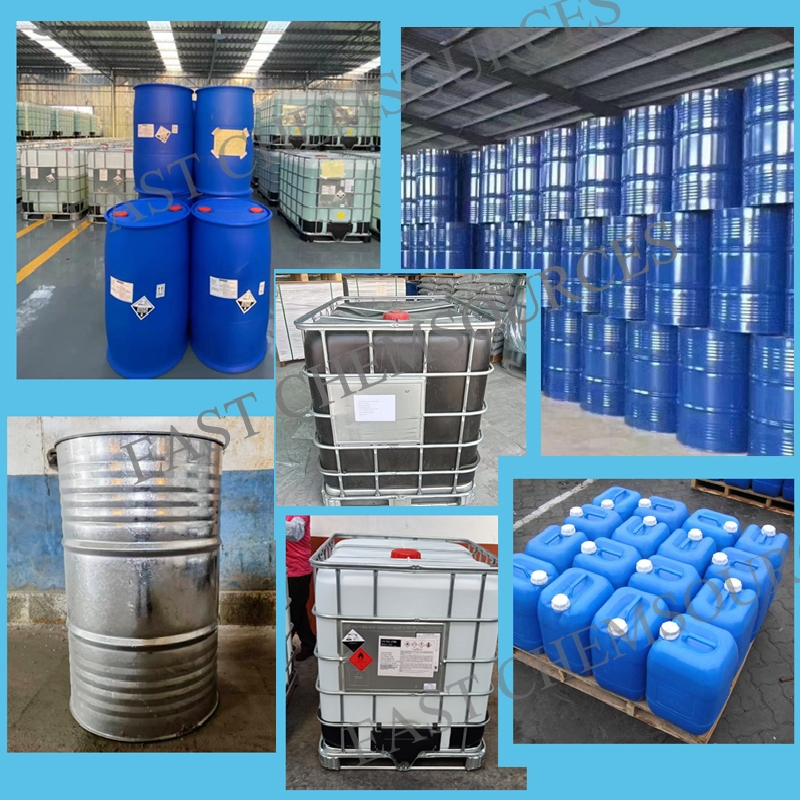



 United Arab Emirates
 Jamaica
 United States
 Uganda
 Mexico
 Egypt
Egypt
 India
India