Product
Supplier
Encyclopedia
Inquiry
Home > Food Additives > Sweeteners > Aspartame for Sale > Aspartame POWDER
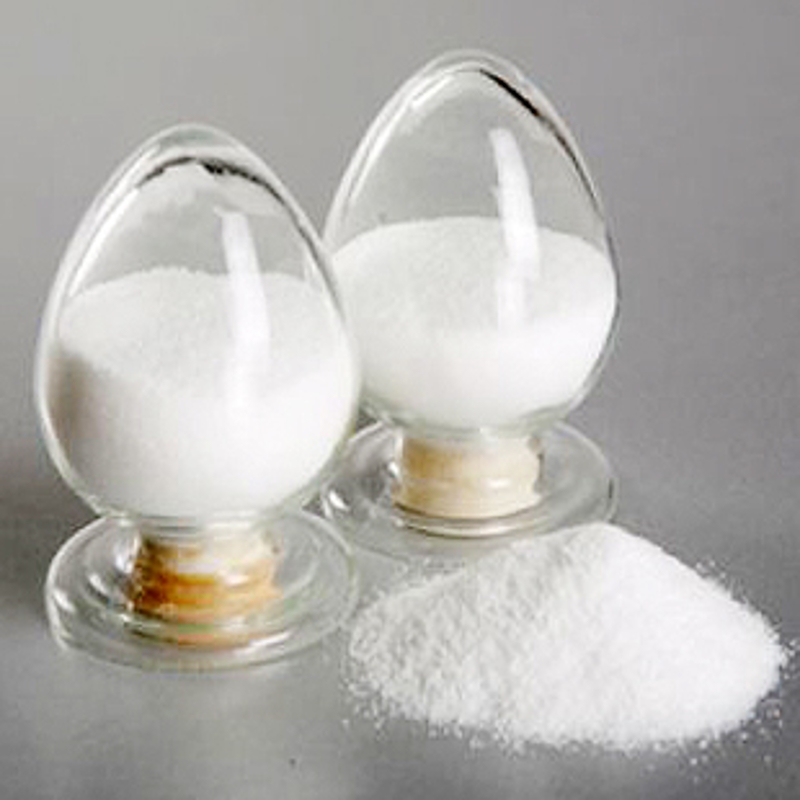
Aspartame POWDER buy - large image1
Aspartame POWDER buy - image1

Aspartame POWDER

TDS 41 Inquiries

Unit Price: Get Latest Price
CAS No.:

22839-47-0

Grade:

Food Grade

Content:

99%

Port:

QINGDAO

Brand:

EAST CHEMSOURCES

Packaging:

25KG BAGS

Price valid (until):

2024-03-04

Company Type:
Trader
Location:
China
Qualification:
Main Products:

Food additives,Pharmaceutical raw materials,Chemicals,Comestic raw materials

  • Product Description

  • Seller Information

  • Inquiry History

  • Description

    Shop Aspartame POWDER-Detailed Image 1

    MATERIAL SAFETY DATA SHEET

    1, IDENTIFICATION OF THE SUBSTANCES/PREPARATION AND OF THE COMPANY/UNDERTAKING:

    Product name: aspartame

    Chemical name: aspartame

    Synonyms: L-Phenylalanine, N-L-α-aspartyl-1-methyl-ester

    Molecular formula: C14H18N2O5

    Molecular weight: 294.31

    Substance/preparation: This product is a pure substance.

    Use of the substance/preparation: This substance is used as a sweetener and a flavor enhancer (food ingredient).

    2. COMPOSITION/INFORMATION ON INGREDIENTS

       Chemical name            CAS no.

       Aspartame                22839-47-0

    3. HAZARD INDENTIFICATION

      Physical/chemical hazards: Finely dispersed particles are sensitive to dust explosion.

      Environment hazards: Generally no water pollutant.

      Human health hazards: This substance is not toxic.

      Symptoms of exposure: See section 4.

    4. FIRST AID MEASURES:

      Inhalation:

          Effects: Exposure to high concentrations may result in irritation.

          Symptoms: No specific symptoms are known.

          First aid: Remove victim to fresh air. Keep victim at rest. Consult a doctor in event of any complaints.

      Skin:

          Effects: Aspartame is hygroscopic and its drying character is believed to be responsible for most reported skin irritation.

                  Repeated or prolonged exposure may in rare case cause allergic reactions, these persons must receive medical attention from occupational health specialist.

          Symptoms: No specific symptoms are known.

          First aid: Remove contaminated clothing. Wash off affected skin with plenty of water and soap. Consult a doctor in event of any complaints.

    Eyes:

          Effects: Exposure to high exposure may result in irritation.

          Symptoms: Redness.

          First aid: Wash out with plenty of water with the eyelid held wide open. Consult with a doctor in event of any complaints.

    Ingestion:

          Effects: Is unlikely to be dangerous. (Aspartame is a food ingredient). Excessive ingestion is unlikely (Aspartame is intensely sweet), however, if this is suspected contact a medical doctor as a precaution.

          Symptoms: No specific symptoms are known.

          First aid: Wash out mouth with water. Consult a doctor.

    5. FIRE-FIGHTING MEASURES

      Extinguishing measures

          Suitable:    Water spray, carbon dioxide snow (CO2), foam, dry chemicals.

          Not suitable: -

      Thermal de (composition) products: Aspartame can emit toxic fumes under fire conditions.

      Protective equipment: Self-contained breathing apparatus.

      Specific hazards: Finely dispersed particles are sensitive to dust explosion. Aspartame dust deposits can not be ignited by hot surfaces (the aspartame melts and will not continue to burn or smoulder).

    6. ACCIDENTAL RELEASE MEASURES

      Personal precautions: Use appropriate personal protection. Prevent forming of dust clouds.

      Environmental precautions: Do not allow to enter natural water or oil.

      Methods for cleaning up: Use appropriate personal protection. Collect spilled material. Remove all kinds of dust layers. Prevent forming of dust clouds. Finely dispersed particles are sensitive to dust explosion. Clean up affected area with water.

      See section 8 and 13.

    7. HANDLING AND STORAGE

      Handling: Use appropriate personal protection. Appropriate measures should be taken to minimize dust generation (potential hazard of hazard explosion). Local exhaust recommended.

      Storage:  Keep in a cool, dry place. Store away from other chemicals. Storage temperature <20. Keep unused product sealed. Do not leave unsealed product exposed to relative humidity greater than 45%.

      Packaging materials: Well sealed moisture-barrier packaging.

      Specific use(s): See section 1: use of the substance/preparation.

    8. EXPOSURE CONTROLS/PERSONAL PROTECTION

       Avoid exposure first of all by technical and/or organizational measures

       Occupational exposure limits

          MAC value: Not established.

          Other exposure limits: No specific exposure limit has been established for aspartame.

       Respiratory protection: although not a substitute for effective dust control measures, dust masks should be worn during short-term operations where dust control by other means is not possible. Type to be selected depends on local circumstances and degree of exposure. See expert advice.

      Hand protection: Rubber gloves.

          Breakthrough time: Replace damaged gloves.

      Eye protection: Safety goggles.

      Skin protection: No special requirements, but avoid prolonged exposure of unprotected skin to aspartame, as the powder is hygroscopic and can cause skin irritation.

      Environmental exposure controls: Avoid release to the environment.

    9. PHYSICAL AND CHEMICAL PROPERTIES

       Appearance: Powder.

       Color:  White.

       Odor:  Odorless.

       pH:  Between 4.5 and 6.0 (0.8%(w/w)in water).

       Boiling point/range: Not applicable.

       Melting point/range: NO reproducible melting point. Aspartame cyclizes to produce diketopiperazine (DKP) and methanol before melting. DKP melts at 246.

       Flash point:: Information not available.

       Flammability: BZ 1 (Brennzahl or burn value)

       Explosive properties:

       Min. ignition temperature: 400

       Min. ignition energy: 10mJ/20 for fine powder. Higher for coarser powders.

       Lower explosion limit: 13g/m3 in air.

       Upper explosion limit: Information not available.

       Auto ignition temperature: Information not available.

       Oxidizing properties: Information not available.

       Vapour pressure: Not applicable.

       Relative density: 1.33(water=1)

       Bulk density: 200-650kg/ m3

       Solubility in water: 1%(weight/weight)(20)

       Soluble in : Information not available.

       Partition coefficient: Log Pow=0.07(calculated)

       Viscosity: Not applicable.

       Vapour density(air=1): Not applicable.

       Conductivity: specific resistance 3.7*1013 ohm.m

       Critical pressure: Not applicable.

       Critical temperature: Not applicable.

       Evaporation heat: Not applicable.

       Specific heat: Not applicable.

    10. STABILITY AND REACTIVITY

    General : Stable under storage conditions (see section 7)

    Condition to avoid: Exposure to sources of heat. Prevent forming of dust clouds.

    Materials to avoid: Information not available.

    Hazardous decomposition: Normally none, can emit toxic fumes under fire conditions.

    11. TOXICOLOGICAL INFORMATION

       Irritation

         Eyes: Exposure to large amounts may be irritating.

         Skin: Exposure to large amounts may be irritating.

         Respiratory system: Exposure to large amounts may be irritating.

       Acute toxicity

         Oral : LD50 rat:>4000mg/kg. The substance is not toxic.

         Dermal: LD50 rabbit: >5000mg/kg.

         Inhalation: LC50 4hours rat: >5mg/l (dust)

       Chronic toxicity

         Oral: Regulatory authorities all over the world, including the EC Scientific Committee on Food (SCF), the Joint Expert Committee on Food Additives(JECFA) of the FA)/WHO, as well as the US Food and Drug Administration(FDA) and the Health Protection Branch(HPB) in Canada, have concluded that aspartames usage as a high intensity sweetener is safe. Aspartame has been assigned as ADI of 50 mg/kg body weight by the US FDA and of 40 mg/kg body weight by the WHO and regulatory authorities in Europe and Canada.

         Dermal: Information not available.

         Inhalation: Information not available.

         Other information: Long term exposure may be irritating to respiratory tract, eyes and skin. The substance is not sensitizing (see section 4).

         Carcinogenicity: Not carcinogenic.

         Mutagenicity: Not mutagenic.

         Reproduction toxicity: No reprotoxicity.

    12. ECOLOGICAL INFORMATION:

         Eco-toxicity: None; aspartame lacks specific toxicity since it consists of amino acids. When Aspartame enters the aquatic environment in high amounts due to an accident, it may cause oxygen depletion due to fast oxygen consumption by microbial biodegradation like any other food component.

         Mobility: Information not available.

         Persistence degradability: The substance is readily biodegradable.

         Bio accumulative potential: Bioaccumulation in aquatic organisms is not expected.

         Other adverse effects: Information not available.

    13. DISPOSAL CONSIDERATONS

         Please check the consequences of national regulations on this product yourself

         Methods of disposal: Wash into approved sewage system (aspartame is biodegradable) or, in compliance with local laws, incinerate or place in approved landfill.

         Contaminated packaging: Treat as industrial garbage.

         Danger(s): Finely dispersed particles are sensitive to dust explosion.

    14. TRANSPORT INFORMATION

         Special precautions: -

         Proper shipping name: No dangerous good according to transport regulations.

    IATA:

    Non-Hazardous for Air Transport: Non-hazardous for air transport.

    15. REGULATORY INFORMATION

       Please check the consequences of national regulations on this product yourself.

       Contains: aspartame

    16. OTHER INFORMATION:

        Aspartame contains phenylalanine, therefore phenylketonurics should control their intake.


    Items Specifications


    Certificates

    Basic Info
    Product Name:

    Aspartame

    Other Name:

    L-Phenylalanine,L-α-aspartyl-,2-methyl ester;Succinamic acid,3-amino-N-(α-carboxyphenethyl)-,N-methyl ester,stereoisomer;L-Phenylalanine,N-L-α-aspartyl-,1-methyl ester;L-Aspartyl-L-phenylalanine methyl ester;Aspartylphenylalanine methyl ester;L-α-Aspartyl-L-phenylalanine methyl ester;L-Aspartyl-L-3-phenylalanine methyl ester;α-L-Aspartyl-L-phenylalanine methyl ester;Methyl aspartylphenylalanate;Sweet dipeptide;Aspartame;L-Aspartyl-L-phenylalanyl methyl ester;Canderel;Dipeptide sweetener;α-Sweet;NutraSweet;Palsweet Diet;E 951;Pal Sweet;Equal;α-Aspartame;L-Aspartame;Finn;Zero-Cal;Sladex;Pal Sweet Diet G 100;7421-84-3;53906-69-7;172964-81-7

    CAS No.:

    22839-47-0

    Molecular Formula:

    C14H18N2O5

    InChIKeys:

    InChIKey=IAOZJIPTCAWIRG-QWRGUYRKSA-N

    Molecular Weight:

    294.30300

    Exact Mass:

    294.30

    EC Number:

    616-062-2

    UNII:

    Z0H242BBR1

    NSC Number:

    758953

    DSSTox ID:

    DTXSID0020107

    Color/Form:

    Colorless needles from water|White crystalline powder from water or alcohol

    HScode:

    2924299090

    Categories:

    Sweeteners

    Characteristics
    PSA:

    118.72000

    XLogP3:

    -2.7

    Appearance:

    White powder or flake

    Density:

    1.28 g/cm3

    Melting Point:

    246-247 °C

    Boiling Point:

    535.8ºC at 760 mmHg

    Flash Point:

    277.8ºC

    Refractive Index:

    14.5 ° (C=4, 15mol/L Formic Acid)

    Water Solubility:

    The solubility of aspartame in water is dependent on pH and temperature, the maximum solubility is reached at pH 2.2 (20 mg/mL at 25 °C) and the minimum solubility at pH 5.2 (pHi) is 13.5 mg/mL at 25 °C.

    Storage Conditions:

    Ventilated low temperature drying

    Vapor Pressure:

    2.6E-12mmHg at 25°C

    Toxicity:

    TDLo orl-wmn: 3710 mg/kg:SKN AIMEAS 104,207,86

    Specific rotation:

    [α]D/20: + 14,5° to + 16,5°; Determine in a 4 in 100/15 N formic acid solution within 30 minutes after preparation of the sample solution

    Odor:

    Odorless

    Taste:

    Sweet

    PH:

    Between 4,5 and 6,0 (1 in 125 solution)

    Henrys Law Constant:

    Henry's Law constant = 2.53X10⁻¹⁸ atm-cu m/mol at 25 °C (est)

    Dissociation Constants:

    pKa1 = 2.96 (carboxyl); pKa2 = 7.30 (amine) (est)

    Collision Cross Section:

    169.6 Ų [M+H]+ [CCS Type: DT, Method: single field calibrated with Agilent tune mix (Agilent)]|166.71 Ų [M-H]- [CCS Type: DT, Method: single field calibrated with Agilent tune mix (Agilent)]|167.6 Ų [M+H]+ [CCS Type: TW, Method: calibrated with polyalanine and drug standards]|126.6 Ų [M-H]-

    Experimental Properties:

    Dipeptide ester about 160 times sweeter than sucrose in aqueous solution

    Hazard Identification

    Classification of the substance or mixture

    Not classified.

    GHS label elements, including precautionary statements

    Pictogram(s) No symbol.
    Signal word

    No signal word

    Hazard statement(s)

    none

    Precautionary statement(s)
    Prevention

    none

    Response

    none

    Storage

    none

    Disposal

    none

    Other hazards which do not result in classification

    no data available

    Handling and Storage

    Precautions for safe handling

    Handling in a well ventilated place. Wear suitable protective clothing. Avoid contact with skin and eyes. Avoid formation of dust and aerosols. Use non-sparking tools. Prevent fire caused by electrostatic discharge steam.

    Conditions for safe storage, including any incompatibilities

    The bulk material should be stored in a well-closed container, in a cool, dry place.

  • Seller Information
    Business Type:

    Trader

    Main Products:

    Food additives,Pharmaceutical raw materials,Chemicals,Comestic raw materials

    Location:

    Room 501, Unit 6, No. 40, hushan road,Licang,Qingdao

    Payment Terms:

    TT against copy of documents,TT against B/L draft before shipment,100% TT in advance

    Average lead Time:

    10

    Total Annual Revenue:

    $1 million-$2.5 million

    Total Employees:

    11-50

    Year of Establishment:

    2017

    QINGDAO EASTCHEMSORCES TRADE LIMITED is a leading Manufactory supplier of Sorbitol, Citric acid, Sodium hypochlorite based in Qingdao, Shandong, China. With a commitment to quality and customer satisfaction, QINGDAO EASTCHEMSORCES TRADE LIMITED has become a trusted name in the industry. Our product line includes a range of high-quality Sorbitol, Citric acid, Sodium hypochlorite, which are available at competitive prices. QINGDAO EASTCHEMSORCES TRADE LIMITED has established itself as a reliable supplier of chemical products on the echemi.com.

  • Inquiry History
    41 Inquiries
    Country Product Purchase Quantity Date Posted
    India

    Aspartame factory price 99% White powder 22839-47-0 ShandongDeShang

    2 MT Oct 7, 2023
    Canada

    Aspartame

    3 20' Fcl Mar 15, 2024
    United Kingdom

    Aspartame

    6 20' Fcl Jul 16, 2024
    United Kingdom

    Aspartame

    2 20' Fcl Aug 1, 2024
    United Kingdom

    Aspartame

    40 MT Aug 1, 2024
    Bangladesh

    Aspartame

    500 KG Nov 27, 2023
    Bangladesh

    Aspartame BP

    500 KG Nov 26, 2023
    Portugal

    Aspartame

    100 MT Mar 5, 2025
    Portugal

    Aspartame

    100 MT Feb 7, 2025
    United Arab Emirates

    Aspartame

    300 MT Apr 8, 2026
    United Arab Emirates

    Aspartame

    300 MT Mar 27, 2026
    Bangladesh

    Aspartame

    5 MT Mar 20, 2026
    Bangladesh

    Aspartame

    3 MT Oct 22, 2025
    United States

    ASPARTAME

    18 MT Jul 11, 2025
    India

    Aspartame

    1000 KG Jun 4, 2025
    India

    Aspartame G Sweet

    50.00 KG Nov 5, 2024
    United States

    ASPARTAME

    1500 KG Jun 26, 2024
    United States

    ASPARTAME

    2000 KG Apr 24, 2024
    Jordan

    Aspartame

    300 KG Mar 18, 2024
    India

    Aspartame Granular (PSD 150 Micron)

    2 MT Jan 16, 2024
    Post an enquiry for this product
pic ×

Scan the QR Code to Share

All products displayed on this website are only for non-medical purposes such as industrial applications or scientific research, and cannot be used for clinical diagnosis or treatment of humans or animals. They are not medicinal or edible.

According to relevant laws and regulations and the regulations of this website, units or individuals who purchase hazardous materials should obtain valid qualifications and qualification conditions.

The information shown above is provided by the enterprise itself, and the authenticity, accuracy and legitimacy of the content are the responsibility of the publishing company. ECHEMI does not bear any guarantee responsibility for this. Please be aware that risks in internet transactions objectively exist.

Feedback & Suggestions
Send Message

Thank you for your feedback. If you require further assistance, please contact us by email at info@echemi.com or call us at +86-532-55729510.