Product
Supplier
Encyclopedia
Inquiry
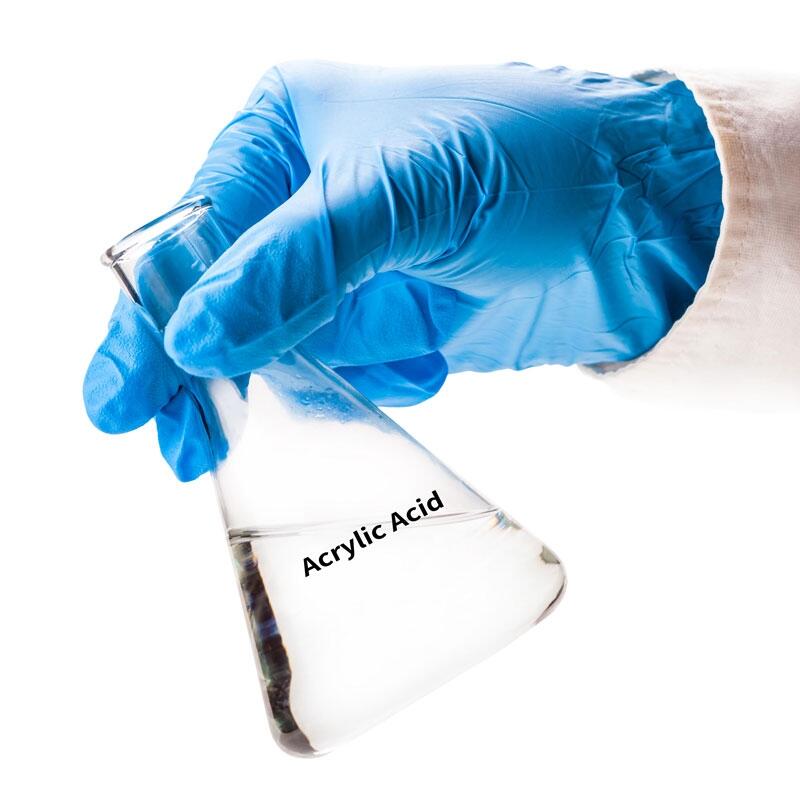
Butyl acrylate 99% buy - large image1
Butyl acrylate 99% buy - image1
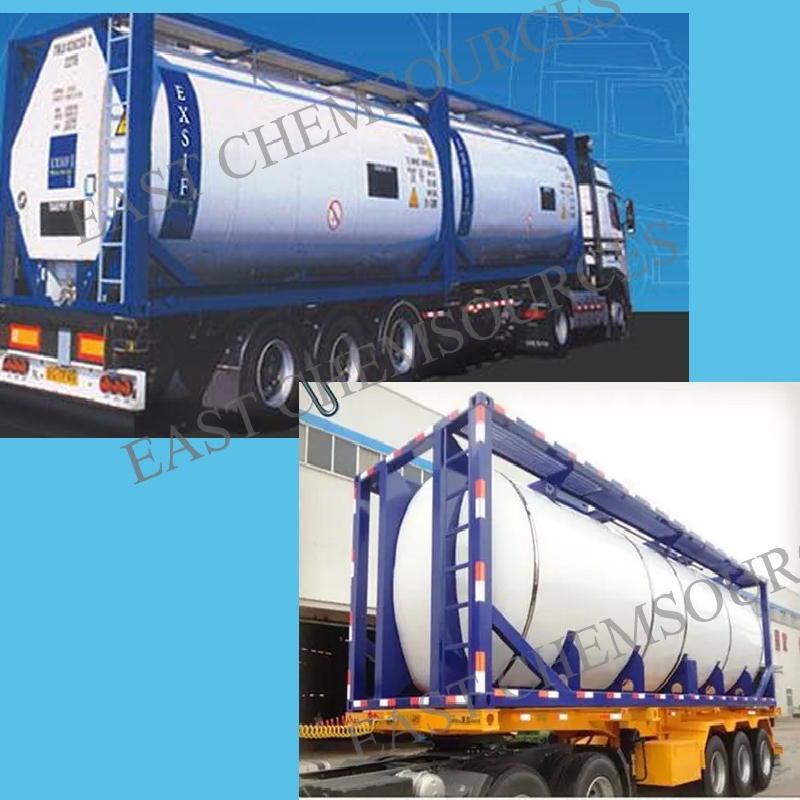
Butyl acrylate 99% buy - image2
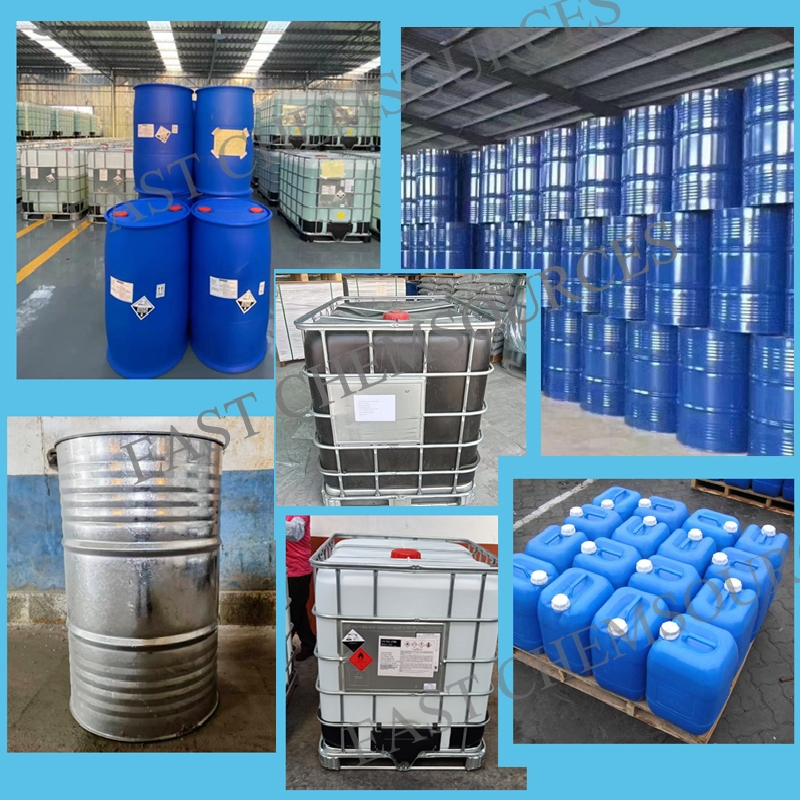
Butyl acrylate 99% buy - image3

Butyl acrylate 99%

TDS 59 Inquiries

Unit Price: Get Latest Price
CAS No.:

141-32-2

Grade:

Industrial Grade

Content:

99.5%

Port:

QINGDAO

Brand:

EAST CHEMSOURCES

Packaging:

200kg DRUM

Price valid (until):

2024-03-05

Company Type:
Trader
Location:
China
Qualification:
Main Products:

Food additives,Pharmaceutical raw materials,Chemicals,Comestic raw materials

  • Product Description

  • Seller Information

  • Inquiry History

  • Description

    Shop Butyl acrylate 99%-Detailed Image 1

    2. Composition/information on ingredients
    CAS Number          Content (W/W)            Chemical name
    141‐32‐2               99.5 %                    n‐butyl acrylate
    3. Hazard identification
    Emergency overview
    DANGER: FLAMMABLE LIQUID. CAUSES EYE BURNS.
    CAUSES SKIN BURNS.
    TOXIC IF ABSORBED THROUGH SKIN.
    CONTAINS MATERIAL THAT MAY CAUSE ADVERSE REPRODUCTIVE EFFECTS IN
    FEMALES.
    SENSITIZER.
    CAN CAUSE LIVER DAMAGE.
    Use with local exhaust ventilation.
    Wear a NIOSH‐certified (or equivalent) organic vapour/particulate respirator.
    Wear NIOSH‐certified chemical goggles.
    Wear protective clothing.
    Eye wash fountains and safety showers must be easily accessible.
    Wear full face shield if splashing hazard exists.
    Potential health effects
    Primary routes of exposure
    Routes of entry for solids and liquids include eye and skin contact, ingestion and
    inhalation. Routes of entry
    for gases include inhalation and eye contact. Skin contact may be a route of entry for
    liquified gases.
    Acute toxicity:Harmful by inhalation. Virtually nontoxic after a single ingestion. Virtually nontoxic
    after a single skin contact.
    Inhalation‐risk test (IRT): Mortality within 8 hours as shown in animal studies. The
    inhalation of a highly
    saturated vapor‐air mixture may represent a hazard.
    Irritation:
    Irritating to eyes, respiratory system and skin.
    Sensitization:
    Caused sensitization in animal studies.
    Medical conditions aggravated by overexposure:
    Data available do not indicate that there are medical conditions that are generally
    recognized as being
    aggravated by exposure to this substance/product.
    See MSDS section 11 ‐ Toxicological information.
    Potential environmental effects
    Aquatic toxicity:
    Acutely toxic for aquatic organisms.
    The inhibition of the degradation activity of activated sludge is not anticipated when
    introduced to biological
    treatment plants in appropriate low concentrations.
    4. First‐aid measures
    General advice:
    Remove contaminated clothing.
    If inhaled:
    Keep patient calm, remove to fresh air, seek medical attention.
    If on skin:
    Flush with copious amounts of water for at least 15 minutes. Sterile protective
    dressing. Immediate medical
    attention required.
    If in eyes:
    Immediately wash affected eyes for at least 15 minutes under running water with
    eyelids held open, consult
    an eye specialist.
    If swallowed:
    Immediately rinse mouth and then drink plenty of water, do not induce vomiting,
    seek medical attention.
    Never induce vomiting or give anything by mouth if the victim is unconscious or
    having convulsions.
    Note to physician
    Treatment: Treat according to symptoms (decontamination, vital functions), no
    known
    specific antidote, administer corticosteroid dose aerosol to prevent pulmonary
    odema.5. Fire‐fighting measures
    Flash point:                       41℃(close cup),
    Lower explosion limit:               1.0 %(V)               
    Upper explosion limit:               10 %(V)               
    Suitable extinguishing media:
    carbon dioxide, dry extinguishing media, water spray, foam
    Hazards during fire‐fighting:
    Risk of violent self‐polymerization if overheated in a container.
    Protective equipment for fire‐fighting :
    Firefighters should be equipped with self‐contained breathing apparatus and turn‐ 
    out gear.
    Further information :
    Vapours are heavier than air and may accumulate in low areas and travel a
    considerable distance up to the
    source of ignition. Fight fire from maximum distance.
    NFPA Hazard codes:
    Health : 2 Fire: 2 Reactivity: 2 Special:
    6. Accidental release measures
    Personal precautions:
    Take appropriate protective measures.
    Ensure adequate ventilation. Use personal protective clothing. Breathing protection
    required.
    Environmental precautions:
    Substance/product is RCRA hazardous due to its properties.
    Cleanup :
    Spills should be contained, solidified, and placed in suitable containers for disposal.
    7. Handling and storage
    Precautions:
    Keep away from heat. Keep away from sources of ignition. Keep away from direct sunlight or
    strong incandescent light.
    Ground all equipment containing material. Do not ingest. Do not breathe gas/fumes/
    vapor/spray. Avoid shock and friction.
    Wear suitable protective clothing. In case of insufficient ventilation, wear suitable respiratory
    equipment. If ingested,
    seek medical advice immediately and show the container or the label. Avoid contact with skin
    and eyes. Keep away from
    incompatibles such as oxidizing agents, acids, alkalis.
    General advice:
    Risk of polymerization. Protect against heat. Protect from direct sunlight. Protect
    contents from the effects of
    light. Avoid UV ‐light and other radiation with high energy. Protect againstcontamination.
    Even if the product is stored and handled as prescribed/indicated it should be used
    up within the indicated
    duration of storage.
    Risk of polymerization. Protect from direct sunlight.
    Storage stability:
    Ensure adequate inhibitor and dissolved oxygen level. The product is stabilized, the
    shelf life should be noted.
    8. Exposure controls and personal protection
    Engineering Controls:
    Provide exhaust ventilation or other engineering controls to keep the airborne
    concentrations of vapors below their respective
    threshold limit value. Ensure that eyewash stations and safety showers are proximal
    to the work‐station location.
    Personal Protection:
    Splash goggles. Lab coat. Vapor respirator. Be sure to use an approved/certified
    respirator or equivalent. Gloves.
    Personal Protection in Case of a Large Spill:
    Splash goggles. Full suit. Vapor respirator. Boots. Gloves. A self contained breathing
    apparatus should be used to avoid
    inhalation of the product. Suggested protective clothing might not be sufficient;
    consult a specialist BEFORE handling this
    product.
    Exposure Limits: Not available.
    9. Physical and chemical properties
    Physical state and appearance: Liquid.
    Odor: Fruity. Sharp, fragrant (Strong.)
    Taste: Not available.
    Color: Clear Colorless.
    pH (1% soln/water): Not available.
    Boiling Point: 145.7°C   
    Melting Point: ‐64.6   
    Specific Gravity: 0.8956 (Water = 1)
    Vapor Density: Not available.
    Volatility: Not available.
    Odor Threshold: Not available.
    Water/Oil Dist. Coeff.: The product is more soluble in oil; log(oil/water) = 2.4
    Ionicity (in Water): Not available.
    Dispersion Properties: See solubility in water, diethyl ether, acetone.
    Solubility:
    Soluble in diethyl ether, acetone. Very slightly soluble in cold water. Practically
    insoluble in water. Solubility in Water: 0.14g/100 ml water @ 20 deg. C.; 0.12 g/100 ml water @ 40 deg. C; 2,000 mg/l water @
    23 deg. C
    10. Stability and reactivity
    Stability:
    The product is stable since it is stabilized or inhibited with Hydroquinone
    monomethyl ether (MEHQ). However, it may undergo
    explosive polymerization if unhibited. It may polymerize on exposure to light.
    Polymerization may occur upon heating. It is
    stable only if stored and handled under recommended conditions. The stability of
    the product depends upon the availability
    of both dissolved oxygen and MEHQ. inhibitor. The presence of oxygen is necessary
    for the MEHQ to function effectively.
    The product should never be stored under an inert gas atmosphere, but it should
    always be stored under an atmosphere
    containing 5‐21% oxygen by volume. Also, temperatures must be kept low to
    minimize formation of peroxides and other
    products. This material is a monomer and may polymerize under certain conditions if
    the stabilizer/inhibitor is lost. Again,
    hazardous polymerization may be caused elevated temperature, oxidizers, peroxides,
    or sunlight.
    Instability Temperature: Not available.
    Conditions of Instability: Heat, ignition sources, incompatible materials, light.
    Incompatibility with various substances:
    Reactive with oxidizing agents, acids, alkalis. The product may undergo hazardous
    decomposition, condensation or
    polymerization.
    Corrosivity: Not available.
    Special Remarks on Reactivity: Incompatible with amines, halogens, peroxides.
    Sensitive to light.
    Special Remarks on Corrosivity: Not available.
    Polymerization: Yes, it may occur under certain conditions. Read special remarks
    under the section titled "Stability."
    11. Toxicological information
    Routes of Entry: Absorbed through skin. Dermal contact. Eye contact. Inhalation.
    Ingestion.
    Toxicity to Animals:
    Acute oral toxicity (LD50): 900 mg/kg [Rat]. Acute dermal toxicity (LD50): 1780 mg/kg
    [Rabbit]. Acute toxicity of the vapor
    (LC50): 7800 mg/m 2 hours [Mouse]. 3
    Chronic Effects on Humans:
    CARCINOGENIC EFFECTS: 3 (Not classifiable for human.) by IARC. May cause damage
    to the following organs: kidneys,lungs, liver, upper respiratory tract, skin, eyes.
    Other Toxic Effects on Humans:
    Hazardous in case of skin contact (sensitizer, permeator), of ingestion, of inhalation
    (lung irritant). Slightly hazardous in case
    of skin contact (irritant).
    Special Remarks on Toxicity to Animals:
    Lethal Dose/Conc 50% Kill: LD50 [Rabbit] ‐ Route: Skin; Dose: 2 ml/kg
    Special Remarks on Chronic Effects on Humans: May cause adverse reproductive
    effects based on animal test data
    Special Remarks on other Toxic Effects on Humans:
    Acute Potential Health Effects: Causes skin irritation. It can be absorbed through the
    skin. It may be harmful if absorbed
    through the skin. Eyes: Causes eye irritation. Inhalation: It causes respiratory tract
    (nose, throat) irritation causing coughing
    and wheezing. Inhalation may affect respiration (dyspnea, pulmonary edema,
    suffocation). Very high exposures may
    damage the lungs. It may also cause central nervous system effects such as
    headache, nausea, drowsiness, dizziness,
    CNS depression. Ingestion: It causes gastrointestinal tract irritation with nausea,
    vomiting, and diarrhea. It may be harmful
    of swallowed. It may affect respiration (respiratory stimulation), and
    behavior/central nervous system(convulsions, and other
    symptoms similar to inhalation) Chronic Potential Health Effects: Prolonged or
    repeated inhalation or ingestion may affect the
    liver, kidneys. It may also affect behavior/central nervous system(drowsiness,
    changes in memory, concentration, or sleeping
    patterns, and mood(especially irritability and social withdrawl), as well as fatigue and
    headaches), peripherial and autonomic
    nervous systems. Prolonged inhalation may affect metabolism (weight loss). Very
    high exposures may result in pulmonary
    congestion or damage the lungs. Prolonged or repeated skin contact may cause
    sensistization an allergic reaction.
    12. Ecological information
    Ecotoxicity: Not available.
    BOD5 and COD: Not available.
    Products of Biodegradation:
    Possibly hazardous short term degradation products are not likely. However, long
    term degradation products may arise.
    Toxicity of the Products of Biodegradation: The products of degradation are less
    toxic than the product itself.
    Special Remarks on the Products of Biodegradation: Not available.
    13. Disposal considerationsWaste Disposal:
    Waste must be disposed of in accordance with federal, state and local environmental
    control regulations.
    14. Transport information
    DOT Classification: CLASS 3: Flammable liquid.
    Identification: : Butyl Acrylate, stabilized UNNA: 2348 PG: III
    Special Provisions for Transport: Not available.
    Section 15:
    R
    e
    la
    t
    e
    d
    L
    a
    w
    a
    n
    d
    R
    e
    g
    u
    la
    t
    io
    n
    s
    Law and Regulations
    The law and regulations include Safety Management Regulation for Hazardous
    Chemical Articles, Rules for Implementation of Safety Management
    Regulation for Hazardous Chemical Articles, and Regulation for Safety
    Use of Chemical Articles at Workplace    etc.. We have made related
    regulations on all factors on safety use, production, storage,
    transportation, loading and unloading of hazardous chemical articles.
    According to the Category and Marks of Common Hazardous Chemical
    Articles, this material is categorized as Kind 8.1 acid corrosives. The
    Sanitary Standard of Butyl Acryalate in Workshop Airhas regulated the
    maximum permissible concentration and testing method of the material
    in workshop air.
    16. Other informationR
    e
    f
    e
    r
    e
    n
    c
    e
    :
    1
    .
    K
    in
    d
    a
    n
    d
    N
    a
    m
    e
    C
    o
    d
    e
    o
    f
    H
    a
    z
    a
    r
    d
    o
    u
    s
    G
    o
    d
    s
    (
    G
    B
    1
    2
    6
    8
    9
    0
    )

    Reference: 1. Kind and Name Code of Hazardous Goods (GB/T17529.4‐1998)
    2. Kinds and Marks of Common Hazardous Chemical Articles
    Items Specifications


    Certificates

    Basic Info
    Product Name:

    Butyl acrylate

    Other Name:

    2-Propenoic acid,butyl ester;Acrylic acid butyl ester;Acrylic acid n-butyl ester;n-Butyl acrylate;Butyl 2-propenoate;Butyl acrylate;NSC 5163;BA 100PPM;DL 325;Butyl propenoate;EM 24;YDCN 330-607P;Z 1104;126492-54-4;220713-31-5;1361383-41-6;1453490-09-9

    CAS No.:

    141-32-2

    Molecular Formula:

    C7H12O2

    InChIKeys:

    InChIKey=CQEYYJKEWSMYFG-UHFFFAOYSA-N

    Molecular Weight:

    128.16900

    Exact Mass:

    128.17

    EC Number:

    205-480-7

    HScode:

    2916129000

    Categories:

    Inorganic Acid Esters

    Characteristics
    PSA:

    26.30000

    XLogP3:

    1.5157

    Appearance:

    Transparent colorless liquid

    Density:

    0.8898 g/cm3 @ Temp: 20 °C

    Melting Point:

    -64.6 °C

    Boiling Point:

    145-149 °C

    Flash Point:

    63 °F

    Refractive Index:

    n20/D 1.410(lit.)

    Water Solubility:

    H2O: 1.4 g/L (20 ºC)

    Storage Conditions:

    Packing intact、handling with care,Warehouse ventilation、Keep away from open flames、 high temperature、Separate storage with oxidizing agen

    Vapor Pressure:

    0.039mmHg at 25°C

    Vapor Density:

    >1 (vs air)

    Flammability characteristics:

    Class II Combustible Liquid: Fl.P. at or above 100°F and below 140°F.

    Explosive limit:

    vol% in air: 1.3.9

    Odor:

    Sharp, fragrant

    Hazard Identification

    Classification of the substance or mixture

    Flammable liquids, Category 3

    Skin irritation, Category 2

    Eye irritation, Category 2

    Skin sensitization, Category 1

    Specific target organ toxicity – single exposure, Category 3

    GHS label elements, including precautionary statements

    Pictogram(s)
    Signal word

    Warning

    Hazard statement(s)

    H226 Flammable liquid and vapour

    H315 Causes skin irritation

    H319 Causes serious eye irritation

    H317 May cause an allergic skin reaction

    H335 May cause respiratory irritation

    Precautionary statement(s)
    Prevention

    P210 Keep away from heat, hot surfaces, sparks, open flames and other ignition sources. No smoking.

    P233 Keep container tightly closed.

    P240 Ground and bond container and receiving equipment.

    P241 Use explosion-proof [electrical/ventilating/lighting/...] equipment.

    P242 Use non-sparking tools.

    P243 Take action to prevent static discharges.

    P280 Wear protective gloves/protective clothing/eye protection/face protection/hearing protection/...

    P264 Wash ... thoroughly after handling.

    P261 Avoid breathing dust/fume/gas/mist/vapours/spray.

    P272 Contaminated work clothing should not be allowed out of the workplace.

    P271 Use only outdoors or in a well-ventilated area.

    Response

    P303+P361+P353 IF ON SKIN (or hair): Take off immediately all contaminated clothing. Rinse affected areas with water [or shower].

    P370+P378 In case of fire: Use ... to extinguish.

    P302+P352 IF ON SKIN: Wash with plenty of water/...

    P321 Specific treatment (see ... on this label).

    P332+P317 If skin irritation occurs: Get medical help.

    P362+P364 Take off contaminated clothing and wash it before reuse.

    P305+P351+P338 IF IN EYES: Rinse cautiously with water for several minutes. Remove contact lenses, if present and easy to do. Continue rinsing.

    P333+P317 If skin irritation or rash occurs: Get medical help.

    P304+P340 IF INHALED: Remove person to fresh air and keep comfortable for breathing.

    P319 Get medical help if you feel unwell.

    Storage

    P403+P235 Store in a well-ventilated place. Keep cool.

    P403+P233 Store in a well-ventilated place. Keep container tightly closed.

    P405 Store locked up.

    Disposal

    P501 Dispose of contents/container to an appropriate treatment and disposal facility in accordance with applicable laws and regulations, and product characteristics at time of disposal.

    Other hazards which do not result in classification

    no data available

    Handling and Storage

    Precautions for safe handling

    NO open flames, NO sparks and NO smoking. NO contact with strong oxidizing agents. Above 36°C use a closed system, ventilation and explosion-proof electrical equipment. NO contact with strong oxidizing agents. Handling in a well ventilated place. Wear suitable protective clothing. Avoid contact with skin and eyes. Avoid formation of dust and aerosols. Use non-sparking tools. Prevent fire caused by electrostatic discharge steam.

    Conditions for safe storage, including any incompatibilities

    Fireproof. Cool. Keep in the dark. Separated from strong oxidants. Store only if stabilized.Do not store unless stabilized. Before entering a confined space where butyl acrylate may be present, check to make sure that an explosive concentration does not exist. Store in tightly closed containers in a cool, well ventilated, fireproof area. Metal containers involving the transfer of this chemical should be grounded and bonded. Where possible, automatically pump liquid from drums or other storage containers to process containers. Drums must be equipped with self-closing valves, pressure vacuum bungs, and flame arresters. Use only nonsparking tools and equipment, especially when opening and closing containers of this chemical. Sources of ignition, such as smoking and open flames, are prohibited where this chemical is used, handled, or stored in a manner that could create a potential fire or explosion hazard.

  • Seller Information
    Business Type:

    Trader

    Main Products:

    Food additives,Pharmaceutical raw materials,Chemicals,Comestic raw materials

    Location:

    Room 501, Unit 6, No. 40, hushan road,Licang,Qingdao

    Payment Terms:

    TT against copy of documents,TT against B/L draft before shipment,100% TT in advance

    Average lead Time:

    10

    Total Annual Revenue:

    $1 million-$2.5 million

    Total Employees:

    11-50

    Year of Establishment:

    2017

    QINGDAO EASTCHEMSORCES TRADE LIMITED is a leading Manufactory supplier of Sorbitol, Citric acid, Sodium hypochlorite based in Qingdao, Shandong, China. With a commitment to quality and customer satisfaction, QINGDAO EASTCHEMSORCES TRADE LIMITED has become a trusted name in the industry. Our product line includes a range of high-quality Sorbitol, Citric acid, Sodium hypochlorite, which are available at competitive prices. QINGDAO EASTCHEMSORCES TRADE LIMITED has established itself as a reliable supplier of chemical products on the echemi.com.

  • Inquiry History
    59 Inquiries
    Country Product Purchase Quantity Date Posted
    Turkey

    99%Min Butyl Acrylate CAS 141-32-2 with 180kg/Drum 99.5%

    28 MT Oct 28, 2023
    Pakistan

    Butyl Acrylate

    200 MT Nov 21, 2023
    Germany

    n-Butyl Acrylate

    300 MT Jun 17, 2024
    United States

    Butyl Acrylate

    20 MT Jan 26, 2026
    Egypt

    Butyl Acrylate

    1 40' Fcl Jun 8, 2026
    United Arab Emirates

    Butyl Acrylate

    1.00 KG Apr 29, 2026
    Pakistan

    butyl acrylate

    1.00 KG Apr 3, 2026
    United Arab Emirates

    Butyl Acrylate

    1.00 KG Mar 16, 2026
    India

    Butyl Acrylate

    1 KG Jan 27, 2026
    United Arab Emirates

    Butyl Acrylate

    1.00 KG Jan 26, 2026
    Qatar

    Butyl Acrylate

    8100.00 KG Dec 29, 2025
    Pakistan

    Butyl Acrylate

    100 MT Nov 20, 2025
    Pakistan

    Butyl Acrylate

    1 20' Fcl Sep 28, 2025
    India

    BUTYL ACRYLATE

    100 MT Jul 31, 2025
    India

    Butyl Acrylate

    25 MT Jun 12, 2025
    India

    Butyl acrylate

    1 20' Fcl Mar 12, 2025
    India

    Butyl acrylate

    25 MT Mar 11, 2025
    Pakistan

    Butyl Acrylate

    100.00 MT Nov 12, 2024
    Sri Lanka

    Butyl Acrylate monomer

    1.00 MT Nov 8, 2024
    India

    Butyl Acrylate Monomer

    200 MT Sep 14, 2024
    Post an enquiry for this product
pic ×

Scan the QR Code to Share

All products displayed on this website are only for non-medical purposes such as industrial applications or scientific research, and cannot be used for clinical diagnosis or treatment of humans or animals. They are not medicinal or edible.

According to relevant laws and regulations and the regulations of this website, units or individuals who purchase hazardous materials should obtain valid qualifications and qualification conditions.

The information shown above is provided by the enterprise itself, and the authenticity, accuracy and legitimacy of the content are the responsibility of the publishing company. ECHEMI does not bear any guarantee responsibility for this. Please be aware that risks in internet transactions objectively exist.

Feedback & Suggestions
Send Message

Thank you for your feedback. If you require further assistance, please contact us by email at info@echemi.com or call us at +86-532-55729510.