Product
Supplier
Encyclopedia
Inquiry
Home > Biochemical Engineering > Enzymes and Coenzymes Drugs > 1,4-Dioxane for Sale > High Quality 99% Purity of 1,4-Dioxane CAS NO 123-91-1 ISO 9001:2005 REACH Verified Producer
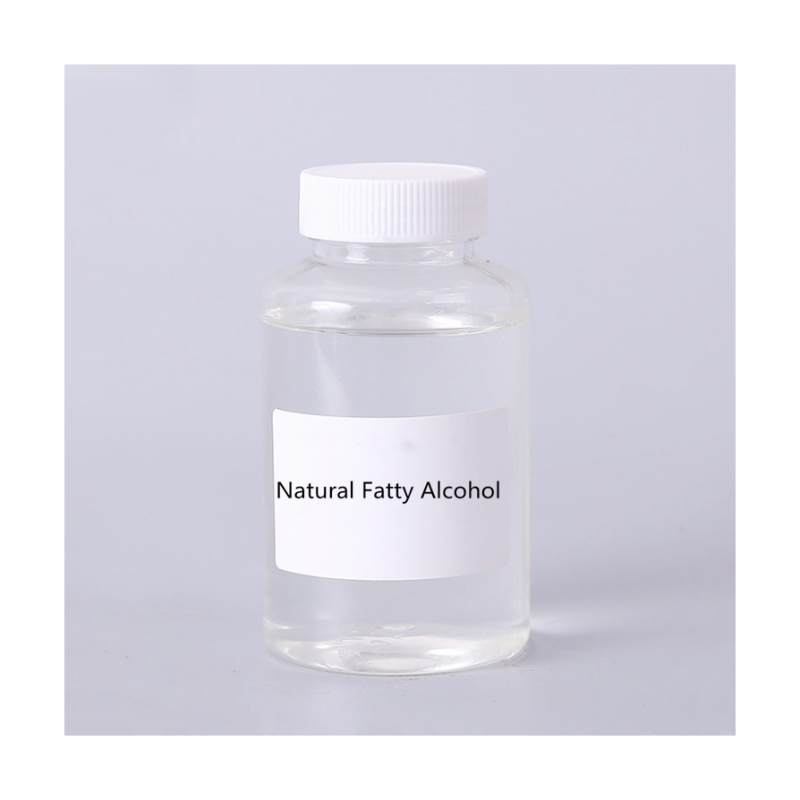
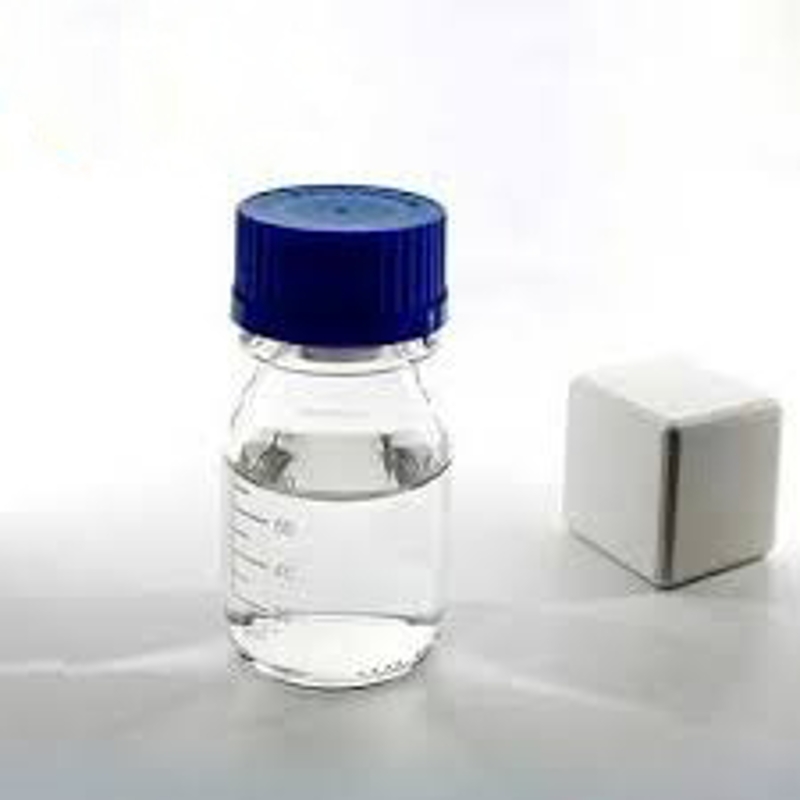
High Quality 99% Purity of 1,4-Dioxane CAS NO 123-91-1 ISO 9001:2005 REACH Verified Producer buy - large image1
High Quality 99% Purity of 1,4-Dioxane CAS NO 123-91-1 ISO 9001:2005 REACH Verified Producer buy - image1
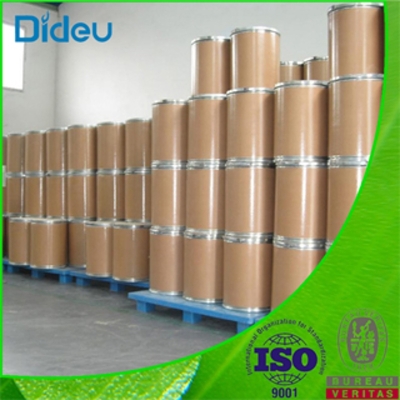
High Quality 99% Purity of 1,4-Dioxane CAS NO 123-91-1 ISO 9001:2005 REACH Verified Producer buy - image2
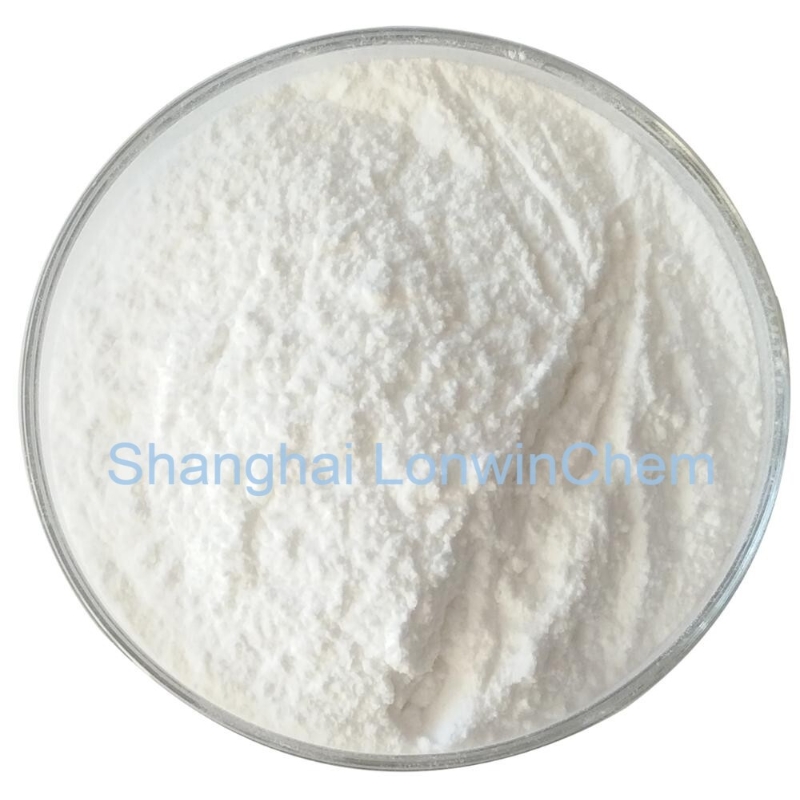
High Quality 99% Purity of 1,4-Dioxane CAS NO 123-91-1 ISO 9001:2005 REACH Verified Producer buy - image3
High Quality 99% Purity of 1,4-Dioxane CAS NO 123-91-1 ISO 9001:2005 REACH Verified Producer buy - image4
High Quality 99% Purity of 1,4-Dioxane CAS NO 123-91-1 ISO 9001:2005 REACH Verified Producer buy - image5
High Quality 99% Purity of 1,4-Dioxane CAS NO 123-91-1 ISO 9001:2005 REACH Verified Producer buy - image6

High Quality 99% Purity of 1,4-Dioxane CAS NO 123-91-1 ISO 9001:2005 REACH Verified Producer

2 Inquiries

Unit Price: Get Latest Price
CAS No.:

123-91-1

Grade:

Industrial Grade

Content:

99%

Port:

Durban

Brand:

Custom

Packaging:

As per customer requirement

Price valid (until):

2024-05-18

Company Type:
Distributor
Location:
South Africa
Qualification:
Main Products:

Sodium Lauryl Ether Sulfate,Caustic Soda,Soda Ash,Citric Acid,Calcium Hypochlorite,Oxalic Acid

  • Product Description

  • Seller Information

  • Inquiry History

  • Description


      Product Detail  


                          1. Chemical Structure: 1,4-Dioxane is a cyclic ether molecule consisting of a six-membered ring containing two oxygen atoms (-O-) and two carbon atoms (-C-) at positions 1 and 4, respectively. Its molecular formula is C4H8O2.

                          2. Physical Properties: 1,4-Dioxane is a clear, colorless liquid with a faint ether-like odor. It is highly soluble in water and miscible with many organic solvents. It has a relatively low boiling point (about 101°C) and is flammable.

                          3. Industrial Uses: 1,4-Dioxane is primarily used as a solvent for a variety of applications, including in the manufacture of paints, varnishes, adhesives, coatings, and cleaning products. It is also used as a stabilizer for chlorinated solvents and as a solvent in chemical synthesis.

                          4. Chemical Properties: 1,4-Dioxane is chemically stable under normal conditions but can react with oxidizing agents or undergo acid-catalyzed hydrolysis to form compounds such as ethylene glycol and formaldehyde. It is relatively inert and does not readily undergo other chemical reactions.

                          5. Contaminant Concerns: 1,4-Dioxane is considered a potential environmental and human health hazard due to its widespread use and persistence in the environment. It can contaminate groundwater, surface water, and soil through industrial discharge, waste disposal, and improper handling.

                          6. Health Effects: Exposure to 1,4-Dioxane can occur through inhalation, ingestion, or dermal contact with contaminated air, water, or products. It is classified as a probable human carcinogen by the International Agency for Research on Cancer (IARC) based on animal studies showing carcinogenic effects. Long-term exposure to high levels of 1,4-Dioxane has been associated with liver and kidney damage, as well as respiratory and nervous system effects.

                          7. Regulatory Standards: Regulatory agencies, such as the United States Environmental Protection Agency (EPA) and the European Chemicals Agency (ECHA), have established guidelines and standards for the permissible levels of 1,4-Dioxane in drinking water, air, and consumer products to protect public health and the environment.

                          8. Detection and Analysis: Analytical methods, such as gas chromatography (GC) and high-performance liquid chromatography (HPLC), are commonly used to detect and quantify 1,4-Dioxane in environmental samples, industrial products, and consumer goods. These methods can provide accurate measurements of 1,4-Dioxane concentrations at trace levels.

                          9. Remediation and Mitigation: Various techniques, including activated carbon adsorption, advanced oxidation processes, and bioremediation, have been employed to remove or mitigate 1,4-Dioxane contamination in soil and groundwater. These methods can effectively reduce 1,4-Dioxane levels and minimize environmental risks.

                          10. Consumer Product Safety: Regulatory agencies and consumer advocacy groups have raised concerns about the presence of 1,4-Dioxane in personal care and household products, such as shampoos, soaps, detergents, and cosmetics. Manufacturers are encouraged to monitor and reduce 1,4-Dioxane levels in their products to minimize exposure risks to consumers.

                          11. Substitute Chemicals: Efforts are underway to develop safer alternative solvents and stabilizers to replace 1,4-Dioxane in industrial processes and consumer products. Green chemistry principles emphasize the use of non-toxic, biodegradable, and sustainable alternatives to hazardous chemicals like 1,4-Dioxane.

                          12. Environmental Fate: 1,4-Dioxane is resistant to biodegradation in the environment and can persist for long periods in soil and groundwater. Its mobility and persistence make it difficult to remediate contaminated sites and prevent further environmental contamination.

                          13. Risk Assessment: Environmental and health risk assessments are conducted to evaluate the potential risks associated with exposure to 1,4-Dioxane and develop risk management strategies to protect human health and the environment. These assessments consider factors such as exposure pathways, toxicity data, and environmental fate.

                          14. International Collaboration: International organizations, such as the Organisation for Economic Co-operation and Development (OECD) and the United Nations Environment Programme (UNEP), collaborate on initiatives to address the global challenges posed by hazardous chemicals like 1,4-Dioxane and promote sustainable chemical management practices.

                          15. Public Awareness and Education: Public awareness campaigns and educational initiatives aim to inform the public, policymakers, and industry stakeholders about the risks associated with 1,4-Dioxane exposure and encourage responsible chemical management practices, pollution prevention, and regulatory compliance.

    o. Property/Function Description
    1 Chemical Formula C4H8O2
    2 Molecular Weight 88.11 g/mol
    3 CAS Number 123-91-1
    4 Appearance Clear colorless liquid
    5 Odor Slight ether-like odor
    6 Melting Point 11.8°C
    7 Boiling Point 101.1°C
    8 Density 1.0336 g/cm3 at 20°C
    9 Solubility Miscible with water and many organic solvents
    10 Stability Stable under normal conditions
    11 Hazardous Properties Classified as a probable human carcinogen by the International Agency for Research on Cancer (IARC)
    12 Uses Used primarily as a solvent in various industrial applications, such as in the manufacture of paints, varnishes, and adhesives
    13 Health Hazards Can cause irritation to the eyes, skin, and respiratory system; prolonged exposure may lead to central nervous system depression
    14 Environmental Impact Persistent in the environment and can contaminate groundwater; considered a hazardous air pollutant by the U.S. Environmental Protection Agency (EPA)
    15 Safety Precautions Handle in well-ventilated areas; wear appropriate personal protective equipment (PPE) when handling; dispose of properly according to regulations


      Product Detail  


    Shop High Quality 99% Purity of 1,4-Dioxane CAS NO 123-91-1 ISO 9001:2005 REACH Verified Producer-Detailed Image 1Shop High Quality 99% Purity of 1,4-Dioxane CAS NO 123-91-1 ISO 9001:2005 REACH Verified Producer-Detailed Image 2Shop High Quality 99% Purity of 1,4-Dioxane CAS NO 123-91-1 ISO 9001:2005 REACH Verified Producer-Detailed Image 3

    Basic Info
    Product Name:

    1,4-Dioxane

    Other Name:

    1,4-Dioxane;p-Dioxane;Diethylene dioxide;Diethylene ether;Diethylene oxide;1,4-Dioxacyclohexane;1,4-Diethylene dioxide;Dioxyethylene ether;1,4-Dioxin,tetrahydro-;Dioxane;p-Dioxan;Dioxan;1,4-Dioxan;NE 220;NSC 8728;28347-88-8;28347-91-3;39449-24-6;54841-74-6

    CAS No.:

    123-91-1

    Molecular Formula:

    C4H8O2

    InChIKeys:

    InChIKey=RYHBNJHYFVUHQT-UHFFFAOYSA-N

    Molecular Weight:

    88.10510

    Exact Mass:

    88.11

    EC Number:

    204-661-8

    HScode:

    2942000000

    Characteristics
    PSA:

    18.46000

    XLogP3:

    0.03320

    Appearance:

    Dioxane appears as a clear colorless liquid with a faint ethereal odor. Flash point 55°F. Slightly denser than water and soluble in water. Vapors heavier than air. Susceptible to autooxidation to form peroxides.

    Density:

    1.0337 g/cm3 @ Temp: 20 °C

    Melting Point:

    11.80 °C

    Boiling Point:

    101.1 °C @ Press: 760 Torr

    Flash Point:

    12ºC

    Refractive Index:

    1.4205-1.422

    Water Solubility:

    H2O: soluble

    Storage Conditions:

    Flammables area

    Vapor Pressure:

    27 mm Hg ( 20 °C)

    Vapor Density:

    3 (vs air)

    Flammability characteristics:

    Class IB Flammable Liquid: Fl.P. below 73°F and BP at or above 100°F.

    Explosive limit:

    vol% in air: 22.0

    Odor:

    Faint pleasant odor

    Hazard Identification

    Classification of the substance or mixture

    Flammable liquids, Category 2

    Eye irritation, Category 2

    Specific target organ toxicity – single exposure, Category 3

    Carcinogenicity, Category 2

    GHS label elements, including precautionary statements

    Pictogram(s)
    Signal word

    Danger

    Hazard statement(s)

    H225 Highly flammable liquid and vapour

    H319 Causes serious eye irritation

    H335 May cause respiratory irritation

    H351 Suspected of causing cancer

    Precautionary statement(s)
    Prevention

    P210 Keep away from heat, hot surfaces, sparks, open flames and other ignition sources. No smoking.

    P233 Keep container tightly closed.

    P240 Ground and bond container and receiving equipment.

    P241 Use explosion-proof [electrical/ventilating/lighting/...] equipment.

    P242 Use non-sparking tools.

    P243 Take action to prevent static discharges.

    P280 Wear protective gloves/protective clothing/eye protection/face protection/hearing protection/...

    P264 Wash ... thoroughly after handling.

    P261 Avoid breathing dust/fume/gas/mist/vapours/spray.

    P271 Use only outdoors or in a well-ventilated area.

    P203 Obtain, read and follow all safety instructions before use.

    Response

    P303+P361+P353 IF ON SKIN (or hair): Take off immediately all contaminated clothing. Rinse affected areas with water [or shower].

    P370+P378 In case of fire: Use ... to extinguish.

    P305+P351+P338 IF IN EYES: Rinse cautiously with water for several minutes. Remove contact lenses, if present and easy to do. Continue rinsing.

    P304+P340 IF INHALED: Remove person to fresh air and keep comfortable for breathing.

    P319 Get medical help if you feel unwell.

    P318 IF exposed or concerned, get medical advice.

    Storage

    P403+P235 Store in a well-ventilated place. Keep cool.

    P403+P233 Store in a well-ventilated place. Keep container tightly closed.

    P405 Store locked up.

    Disposal

    P501 Dispose of contents/container to an appropriate treatment and disposal facility in accordance with applicable laws and regulations, and product characteristics at time of disposal.

    Other hazards which do not result in classification

    no data available

    Handling and Storage

    Precautions for safe handling

    NO open flames, NO sparks and NO smoking. NO contact with strong oxidizing agents. NO contact with hot surfaces. Closed system, ventilation, explosion-proof electrical equipment and lighting. Prevent build-up of electrostatic charges (e.g., by grounding). Do NOT use compressed air for filling, discharging, or handling. Use non-sparking handtools. Handling in a well ventilated place. Wear suitable protective clothing. Avoid contact with skin and eyes. Avoid formation of dust and aerosols. Use non-sparking tools. Prevent fire caused by electrostatic discharge steam.

    Conditions for safe storage, including any incompatibilities

    Fireproof. Separated from strong oxidants, strong acids and incompatible materials. Cool. Dry. Well closed. Keep in the dark. Store only if stabilized. Store in an area without drain or sewer access.Store in a cool, dry, well-ventilated location. Store away from heat, oxidizing materials, and sunlight. Outside or detached storage is preferred. Inside storage should be in a standard flammable liquids storage warehouse, room, or cabinet.

  • Seller Information
    Business Type:

    Distributor

    Main Products:

    Sodium Lauryl Ether Sulfate,Caustic Soda,Soda Ash,Citric Acid,Calcium Hypochlorite,Oxalic Acid

    Location:

    13 PROTEA PARK MILKWOOD STREET RANGEVIEW GAUTENG 1739

    Payment Terms:

    TT against copy of documents,TT against B/L draft before shipment

    Average lead Time:

    60

    Total Annual Revenue:

    $1 million-$2.5 million

    Total Employees:

    11-50

    Year of Establishment:

    2012

  • Inquiry History
    2 Inquiries
    Country Product Purchase Quantity Date Posted
    United States

    1,4-dioxane

    25 KG May 14, 2024
    Belgium

    1,4-dioxane

    1 MT Oct 22, 2025
    Post an enquiry for this product
pic ×

Scan the QR Code to Share

All products displayed on this website are only for non-medical purposes such as industrial applications or scientific research, and cannot be used for clinical diagnosis or treatment of humans or animals. They are not medicinal or edible.

According to relevant laws and regulations and the regulations of this website, units or individuals who purchase hazardous materials should obtain valid qualifications and qualification conditions.

The information shown above is provided by the enterprise itself, and the authenticity, accuracy and legitimacy of the content are the responsibility of the publishing company. ECHEMI does not bear any guarantee responsibility for this. Please be aware that risks in internet transactions objectively exist.

Feedback & Suggestions
Send Message

Thank you for your feedback. If you require further assistance, please contact us by email at info@echemi.com or call us at +86-532-55729510.