Product
Supplier
Encyclopedia
Inquiry
Home > Biochemical Engineering > Amino Acids and Derivatives > (S)-2-Aminobutanedioic acid for Sale > Best Factory Supply L-ASPARTIC ACID / L-ASPARGINE / ATG5 CAS NO 6899-03-2
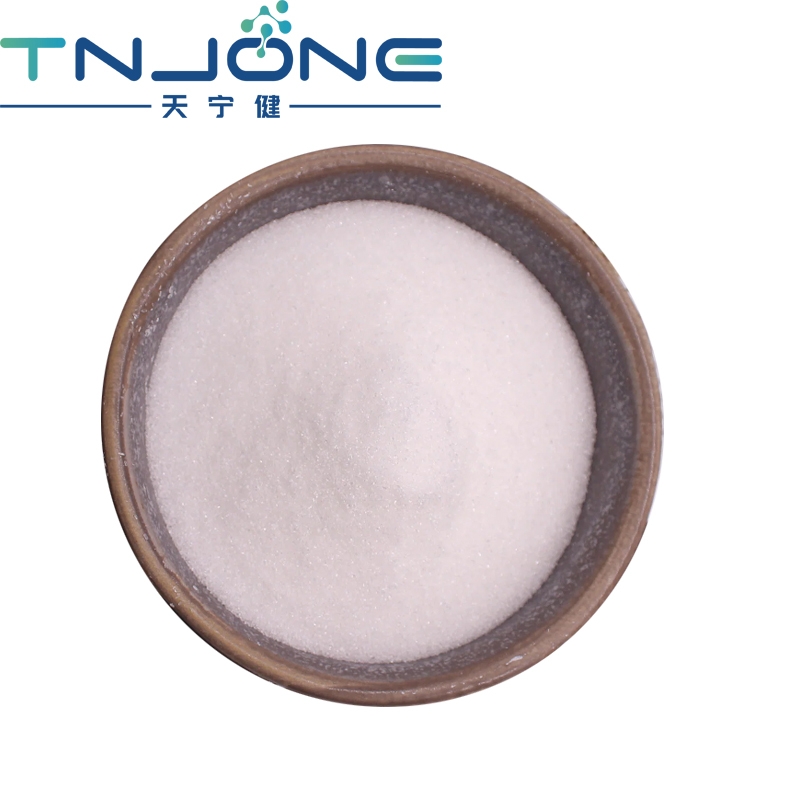
Best Factory Supply L-ASPARTIC ACID / L-ASPARGINE / ATG5 CAS NO 6899-03-2 buy - large image1
Best Factory Supply L-ASPARTIC ACID / L-ASPARGINE / ATG5 CAS NO 6899-03-2 buy - image1
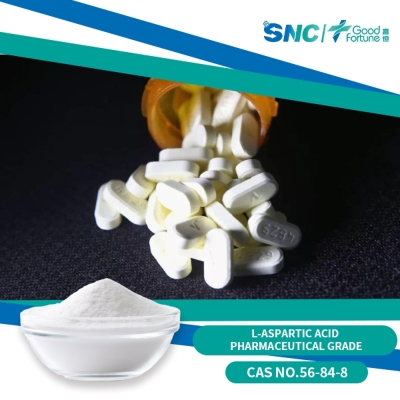
Best Factory Supply L-ASPARTIC ACID / L-ASPARGINE / ATG5 CAS NO 6899-03-2 buy - image2
Best Factory Supply L-ASPARTIC ACID / L-ASPARGINE / ATG5 CAS NO 6899-03-2 buy - image3
Best Factory Supply L-ASPARTIC ACID / L-ASPARGINE / ATG5 CAS NO 6899-03-2 buy - image4
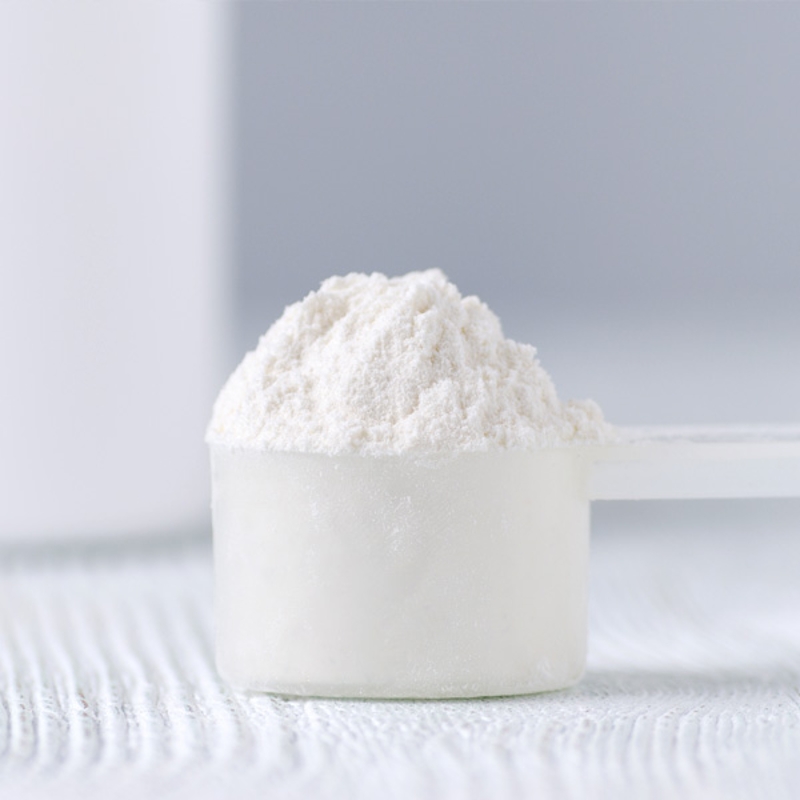
Best Factory Supply L-ASPARTIC ACID / L-ASPARGINE / ATG5 CAS NO 6899-03-2 buy - image5

Best Factory Supply L-ASPARTIC ACID / L-ASPARGINE / ATG5 CAS NO 6899-03-2

Unit Price: Get Latest Price
CAS No.:

6899-03-2

Grade:

Industrial Grade

Content:

99%

Port:

Durban

Brand:

Custom

Packaging:

As per customer requirement

Price valid (until):

2024-05-19

Company Type:
Distributor
Location:
South Africa
Qualification:
Main Products:

Sodium Lauryl Ether Sulfate,Caustic Soda,Soda Ash,Citric Acid,Calcium Hypochlorite,Oxalic Acid

  • Product Description

  • Seller Information

  • Description


      Product Detail  


    L-Aspartic Acid (56-84-8): Unveiling the Role of a Key Amino Acid in Physiology and Biomedicine

    L-Aspartic acid, with the chemical identifier 56-84-8, stands as a fundamental amino acid with diverse functions and significant implications in biological systems. Its structural versatility and physiological roles underscore its importance in various biochemical processes, making it a subject of extensive research in physiology, nutrition, and medicine.

    1. Amino Acid Foundation: L-Aspartic acid serves as one of the building blocks of proteins and peptides, contributing to their structural diversity and functional properties. Its presence in polypeptide chains influences protein folding, stability, and interaction with other molecules, thus dictating cellular function and signaling pathways.

    2. Neurotransmitter Precursor: In the central nervous system, L-aspartic acid serves as a precursor for the synthesis of excitatory neurotransmitters, including NMDA (N-methyl-D-aspartate) and AMPA (α-amino-3-hydroxy-5-methyl-4-isoxazolepropionic acid) receptors. These neurotransmitters play critical roles in synaptic transmission, synaptic plasticity, and neuronal excitability, thereby influencing cognitive function, learning, and memory processes.

    3. Energy Metabolism: L-Aspartic acid contributes to energy metabolism as an intermediate in the tricarboxylic acid (TCA) cycle, also known as the citric acid cycle or Krebs cycle. Through its conversion to oxaloacetate, L-aspartic acid participates in the production of ATP (adenosine triphosphate), the primary energy currency of cells, thereby fueling cellular activities and metabolic processes.

    4. Biomedical Implications: Beyond its roles in protein synthesis and energy metabolism, L-aspartic acid has garnered attention for its potential therapeutic applications and biomedical relevance. Research suggests its involvement in various physiological and pathological conditions, including neurological disorders, metabolic diseases, and cancer progression, highlighting its multifaceted nature and clinical significance.

    5. Nutritional Importance: L-Aspartic acid is classified as a non-essential amino acid, meaning it can be synthesized by the human body under normal physiological conditions. However, its availability from dietary sources, such as proteins derived from animal and plant sources, contributes to overall amino acid balance and nutritional adequacy, supporting cellular functions and metabolic processes.

    6. Regulation and Homeostasis: The metabolism and cellular uptake of L-aspartic acid are tightly regulated to maintain physiological homeostasis and prevent imbalances that could lead to metabolic disorders or neurological dysfunction. Enzymes involved in L-aspartic acid synthesis, degradation, and transport play crucial roles in modulating its intracellular concentrations and metabolic fate.

    7. Future Directions: Continued research into the physiological roles, regulatory mechanisms, and therapeutic potential of L-aspartic acid holds promise for advancing our understanding of its biological significance and clinical applications. Exploration of novel therapeutic strategies targeting L-aspartic acid metabolism may offer insights into disease mechanisms and facilitate the development of targeted interventions for various medical conditions.

    Conclusion: L-Aspartic acid emerges as a pivotal molecule with diverse functions and biomedical implications spanning neurotransmission, energy metabolism, and cellular physiology. Its multifaceted roles in health and disease underscore its significance as a subject of scientific inquiry and a potential target for therapeutic intervention in various medical disciplines.


      Specifications  


    Items Specifications
    1. Chemical Structure L-Aspartic acid is an α-amino acid with the chemical formula C4H7NO4. It is one of the 20 proteinogenic amino acids.
    2. Function It plays a crucial role in protein synthesis and is involved in various metabolic pathways in the human body.
    3. Neurotransmitter Aspartic acid acts as an excitatory neurotransmitter in the central nervous system, influencing synaptic transmission.
    4. Brain Function It is involved in processes related to memory, cognition, and learning, making it essential for proper brain function.
    5. Biosynthesis L-Aspartic acid can be synthesized in the body from oxaloacetate, a key intermediate in the citric acid cycle.
    6. Sweetness Enhancer Aspartic acid and its salts, such as aspartame, are used as artificial sweeteners in low-calorie and sugar-free products.
    7. Dietary Sources Dietary sources of L-aspartic acid include protein-rich foods such as meat, fish, poultry, eggs, dairy products, and legumes.
    8. Protein Structure Aspartic acid contributes to the three-dimensional structure of proteins and plays a role in protein folding and stability.
    9. Metal Chelation It can chelate with certain metal ions, influencing metal ion transport and metabolism in biological systems.
    10. Acidic Properties L-Aspartic acid is acidic in nature and contributes to the sour taste of foods. It is often used as a flavoring agent.
    11. Medical Applications Aspartic acid is used in medical formulations and supplements for its potential health benefits and therapeutic properties.
    12. Skin Care It is sometimes used in skincare products for its hydrating properties and its ability to improve skin texture and appearance.
    13. Enzyme Regulation Aspartic acid plays a role in enzyme regulation and can function as a coenzyme or cofactor in various enzymatic reactions.
    14. Genetic Disorders Mutations in genes encoding enzymes involved in aspartic acid metabolism can lead to rare metabolic disorders.
    15. Safety Considerations While L-aspartic acid is generally recognized as safe for most people when consumed in dietary amounts, excessive intake may have adverse effects.


      Product Detail  


    Shop Most Professional Factory Supply High Qulity PHYTOHEMAGGLUTININ PHA-M CAS 9008-97-3-Detailed Image 1Shop High Quality CAS 63-91-2 L Phenylalanine Powder Best Price L Phenylalanine Raw Material L Phenylalanine-Detailed Image 2

    Basic Info
    Product Name:

    (S)-2-Aminobutanedioic acid

    Other Name:

    L-Aspartic acid;Aspartic acid,L-;L-Aminosuccinic acid;Asparagic acid;Asparaginic acid;Butanedioic acid,amino-,(S)-;Aspartic acid;L-Asparaginic acid;(S)-Aspartic acid;L-Asparagic acid;L-(+)-Aspartic acid;(S)-Aminobutanedioic acid;(+)-Aspartic acid;H-Asp-OH;NSC 3973;NSC 79553;(S)-2-Aminobutanedioic acid;(+)-L-Aspartic acid;6899-03-2;181119-33-5;2139279-07-3

    CAS No.:

    6899-03-2

    Molecular Formula:

    C4H7NO4

    InChIKeys:

    InChIKey=CKLJMWTZIZZHCS-REOHCLBHSA-N

    Molecular Weight:

    133.1

    Exact Mass:

    133.10

    EC Number:

    254-327-0

    Characteristics
    PSA:

    101

    XLogP3:

    -2.8

    Appearance:

    Liquid

    Density:

    1.661 g/cm3 @ Temp: 12.5 °C

    Melting Point:

    270-271 °C

    Water Solubility:

    Solubility in water, g/100ml: 0.45

    Vapor Pressure:

    2.6X10⁻⁷ mm Hg at 25 deg C (est)

    Specific rotation:

    Specific optical rotation: +25.0 deg (c= 1.97 g in 100 ml 6 N hydrochloric acid) at 20 °C/D

    Taste:

    Acidic/neutral

    PKA:

    2.01(at 0 °C)

    Hazard Identification

    Classification of the substance or mixture

    no data available

    GHS label elements, including precautionary statements

    Pictogram(s) no data available
    Signal word

    no data available

    Hazard statement(s)

    no data available

    Precautionary statement(s)
    Prevention

    no data available

    Response

    no data available

    Storage

    no data available

    Disposal

    no data available

    Other hazards which do not result in classification

    no data available

    Handling and Storage

    Precautions for safe handling

    Handling in a well ventilated place. Wear suitable protective clothing. Avoid contact with skin and eyes. Avoid formation of dust and aerosols. Use non-sparking tools. Prevent fire caused by electrostatic discharge steam.

    Conditions for safe storage, including any incompatibilities

    Store the container tightly closed in a dry, cool and well-ventilated place. Store apart from foodstuff containers or incompatible materials.

  • Seller Information
    Business Type:

    Distributor

    Main Products:

    Sodium Lauryl Ether Sulfate,Caustic Soda,Soda Ash,Citric Acid,Calcium Hypochlorite,Oxalic Acid

    Location:

    13 PROTEA PARK MILKWOOD STREET RANGEVIEW GAUTENG 1739

    Payment Terms:

    TT against copy of documents,TT against B/L draft before shipment

    Average lead Time:

    60

    Total Annual Revenue:

    $1 million-$2.5 million

    Total Employees:

    11-50

    Year of Establishment:

    2012

  • Country Product Purchase Quantity Date Posted
    Post an enquiry for this product
pic ×

Scan the QR Code to Share

All products displayed on this website are only for non-medical purposes such as industrial applications or scientific research, and cannot be used for clinical diagnosis or treatment of humans or animals. They are not medicinal or edible.

According to relevant laws and regulations and the regulations of this website, units or individuals who purchase hazardous materials should obtain valid qualifications and qualification conditions.

The information shown above is provided by the enterprise itself, and the authenticity, accuracy and legitimacy of the content are the responsibility of the publishing company. ECHEMI does not bear any guarantee responsibility for this. Please be aware that risks in internet transactions objectively exist.

Feedback & Suggestions
Send Message

Thank you for your feedback. If you require further assistance, please contact us by email at info@echemi.com or call us at +86-532-55729510.