Product
Supplier
Encyclopedia
Inquiry
Home > Biochemical Engineering > Plant Extracts > Ginkgoneolic acid for Sale > Most professional Ginkgoneolic acid (20261-38-5) best quality suplyyer
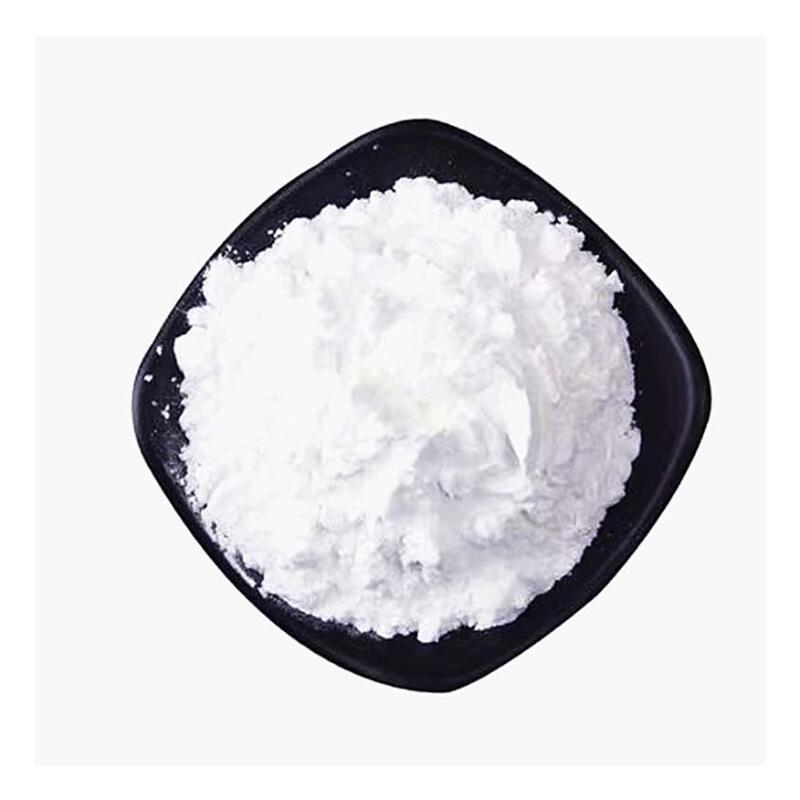
Most professional Ginkgoneolic acid  (20261-38-5) best quality suplyyer buy - large image1
Most professional Ginkgoneolic acid  (20261-38-5) best quality suplyyer buy - image1
Most professional Ginkgoneolic acid  (20261-38-5) best quality suplyyer buy - image2
Most professional Ginkgoneolic acid  (20261-38-5) best quality suplyyer buy - image3
Most professional Ginkgoneolic acid  (20261-38-5) best quality suplyyer buy - image4
Most professional Ginkgoneolic acid  (20261-38-5) best quality suplyyer buy - image5
Most professional Ginkgoneolic acid  (20261-38-5) best quality suplyyer buy - image6

Most professional Ginkgoneolic acid (20261-38-5) best quality suplyyer

Unit Price: Get Latest Price
CAS No.:

20261-38-5

Grade:

Pharmaceutical Grade

Content:

99%

Port:

Durban

Brand:

Custom

Packaging:

As per customer requirement

Price valid (until):

2024-05-27

Company Type:
Distributor
Location:
South Africa
Qualification:
Main Products:

Sodium Lauryl Ether Sulfate,Caustic Soda,Soda Ash,Citric Acid,Calcium Hypochlorite,Oxalic Acid

  • Product Description

  • Seller Information

  • Description


      Product Detail  


                                                                    1. Ginkgoneolic acid is a bioactive compound found in Ginkgo biloba, a tree native to China that has been widely cultivated and used in traditional medicine for centuries. This acid, along with other phytochemicals present in Ginkgo biloba, contributes to the various pharmacological properties associated with the plant. Here are 15 detailed descriptions with headings about Ginkgoneolic acid:

                                                                      Chemical Structure and Composition: Ginkgoneolic acid is a diterpene compound characterized by its unique molecular structure, which includes a bicyclic core with several functional groups. It is one of the major constituents of Ginkgo biloba extract, alongside flavonoids and other terpenoids.

                                                                      Isolation and Extraction: Ginkgoneolic acid can be isolated and extracted from Ginkgo biloba leaves using various techniques, including solvent extraction, chromatography, and crystallization. Purification methods are employed to obtain high-purity samples for research and pharmaceutical purposes.

                                                                      Pharmacological Activities: Ginkgoneolic acid exhibits a range of pharmacological activities, including antioxidant, anti-inflammatory, neuroprotective, and anticancer effects. These bioactivities contribute to the therapeutic potential of Ginkgo biloba in various health conditions.

                                                                      Antioxidant Properties: Ginkgoneolic acid acts as a potent antioxidant, scavenging free radicals and reducing oxidative stress in cells and tissues. This antioxidant activity is thought to underlie many of its health benefits, including its protective effects against age-related diseases and neurodegenerative disorders.

                                                                      Anti-inflammatory Effects: Studies have shown that Ginkgoneolic acid possesses anti-inflammatory properties, inhibiting the production of pro-inflammatory mediators and cytokines. This activity may help alleviate symptoms associated with inflammatory conditions such as arthritis and asthma.

                                                                      Neuroprotective Potential: Ginkgoneolic acid has demonstrated neuroprotective effects in preclinical studies, including protection against neuronal damage and cognitive impairment. It may help support brain health and mitigate the progression of neurodegenerative diseases like Alzheimer's and Parkinson's.

                                                                      Cardioprotective Effects: Some research suggests that Ginkgoneolic acid may have cardioprotective effects, including the ability to improve vascular function, reduce blood pressure, and prevent cardiovascular diseases. These effects may be attributed to its antioxidant and anti-inflammatory actions.

                                                                      Anticancer Activity: Preclinical studies have shown that Ginkgoneolic acid exhibits anticancer activity against various types of cancer cells, including breast, lung, and colon cancer. It may exert its effects through multiple mechanisms, including inhibition of cell proliferation and induction of apoptosis.

                                                                      Metabolic Benefits: Ginkgoneolic acid has been investigated for its potential metabolic benefits, including its ability to regulate lipid metabolism, improve insulin sensitivity, and reduce the risk of metabolic syndrome and type 2 diabetes. These effects could have implications for the prevention and management of metabolic disorders.

                                                                      Skin Health: Due to its antioxidant and anti-inflammatory properties, Ginkgoneolic acid is being explored for its potential applications in skincare products. It may help protect the skin from oxidative damage, reduce inflammation, and promote wound healing and tissue repair.

                                                                      Safety Profile: Ginkgoneolic acid is generally considered safe when consumed in moderate amounts as part of Ginkgo biloba extract. However, high doses may cause adverse effects such as gastrointestinal discomfort, headaches, and allergic reactions in some individuals. Consultation with a healthcare professional is recommended before supplementation.

                                                                      Drug Interactions: Ginkgoneolic acid may interact with certain medications, including blood thinners, antidepressants, and anticonvulsants. It can affect the metabolism and efficacy of these drugs, so caution should be exercised when combining them with Ginkgo biloba supplements.

                                                                      Clinical Applications: Despite promising preclinical findings, further clinical studies are needed to evaluate the efficacy and safety of Ginkgoneolic acid in humans. Clinical trials are underway to investigate its potential therapeutic applications in conditions such as cognitive decline, cardiovascular diseases, and cancer.

                                                                      Regulatory Status: Ginkgoneolic acid is not regulated as a standalone compound but is subject to regulations governing dietary supplements and herbal medicines containing Ginkgo biloba extract. Regulatory agencies such as the FDA and EMA provide guidelines for the quality, safety, and labeling of these products.

                                                                      Future Directions: Continued research into the pharmacology and therapeutic potential of Ginkgoneolic acid and other bioactive compounds in Ginkgo biloba could lead to the development of novel treatments for various health conditions. Emphasis should be placed on elucidating its mechanisms of action, optimizing dosage regimens, and conducting well-designed clinical trials to validate its efficacy and safety.

    Items Specifications
    Chemical Name Ginkgolic acid
    CAS Number 20261-38-5
    Chemical Formula Variable, typically C17H24O7
    Molecular Weight Variable, depending on the specific structure of the ginkgolic acid
    Appearance Typically a pale yellow to brownish-yellow viscous liquid or solid
    Odor Characteristic odor
    Solubility Insoluble in water; soluble in organic solvents such as ethanol, methanol, and acetone
    Melting Point Varies depending on the specific structure of the ginkgolic acid
    Boiling Point Varies depending on the specific structure of the ginkgolic acid
    Chemical Structure Structurally related to alkylphenols, typically containing a long aliphatic chain with a phenolic group
    Source Found in the leaves, seeds, and fruit coat of the Ginkgo biloba tree
    Pharmacological Uses Ginkgolic acid and its derivatives are under investigation for various potential pharmacological activities, including anticancer, antimicrobial, and anti-inflammatory effects.
    Toxicity Known to cause allergic reactions and contact dermatitis; long-term exposure may lead to liver damage
    Storage Conditions Store in a cool, dry place away from heat and light. Keep container tightly closed. Protect from moisture.
    Regulatory Status Subject to regulations due to its toxicity and potential medicinal uses
    Common Name Ginkgolic acid, Ginkgoneolic acid


      Product Detail  


    Shop Ginkgoneolic acid  (20261-38-5) in bulk best quality supplyer-Detailed Image 1Shop Ginkgoneolic acid  (20261-38-5) in bulk best quality supplyer-Detailed Image 2Shop Ginkgoneolic acid  (20261-38-5) in bulk best quality supplyer-Detailed Image 3

    Basic Info
    Product Name:

    Ginkgoneolic acid

    Other Name:

    Benzoic acid,2-hydroxy-6-tridecyl-;Salicylic acid,6-tridecyl-;2-Hydroxy-6-tridecylbenzoic acid;6-n-Tridecylsalicylic acid;6-Tridecylsalicylic acid;Ginkgoneolic acid;Ginkgolic acid C13:0

    CAS No.:

    20261-38-5

    Molecular Formula:

    C20H32O3

    InChIKeys:

    InChIKey=VEPUCZUJLKAVNM-UHFFFAOYSA-N

    Molecular Weight:

    320.47

    Exact Mass:

    320.47

    DSSTox ID:

    DTXSID10174105

    HScode:

    29163990

    Categories:

    Plant Extracts

    Characteristics
    PSA:

    57.5

    XLogP3:

    8.4

    Appearance:

    Solid

    Density:

    1.0±0.1 g/cm3

    Melting Point:

    85 - 86 °C

    Boiling Point:

    449.5°C at 760 mmHg

    Flash Point:

    239.8±21.9 °C

    Refractive Index:

    1.519

    Water Solubility:

    0.006004 mg/L @ 25 °C (est)

    Storage Conditions:

    2-8°C

    Vapor Pressure:

    7.26E-09mmHg at 25°C

    Hazard Identification

    Classification of the substance or mixture

    Skin irritation, Category 2

    Eye irritation, Category 2

    Specific target organ toxicity – single exposure, Category 3

    GHS label elements, including precautionary statements

    Pictogram(s)

    Signal word

    Warning

    Hazard statement(s)

    H315 Causes skin irritation

    H319 Causes serious eye irritation

    H335 May cause respiratory irritation

    Precautionary statement(s)
    Prevention

    P264 Wash ... thoroughly after handling.

    P280 Wear protective gloves/protective clothing/eye protection/face protection/hearing protection/...

    P261 Avoid breathing dust/fume/gas/mist/vapours/spray.

    P271 Use only outdoors or in a well-ventilated area.

    Response

    P302+P352 IF ON SKIN: Wash with plenty of water/...

    P321 Specific treatment (see ... on this label).

    P332+P317 If skin irritation occurs: Get medical help.

    P362+P364 Take off contaminated clothing and wash it before reuse.

    P305+P351+P338 IF IN EYES: Rinse cautiously with water for several minutes. Remove contact lenses, if present and easy to do. Continue rinsing.

    P304+P340 IF INHALED: Remove person to fresh air and keep comfortable for breathing.

    P319 Get medical help if you feel unwell.

    Storage

    P403+P233 Store in a well-ventilated place. Keep container tightly closed.

    P405 Store locked up.

    Disposal

    P501 Dispose of contents/container to an appropriate treatment and disposal facility in accordance with applicable laws and regulations, and product characteristics at time of disposal.

    Other hazards which do not result in classification

    no data available

    Handling and Storage

    Precautions for safe handling

    Handling in a well ventilated place. Wear suitable protective clothing. Avoid contact with skin and eyes. Avoid formation of dust and aerosols. Use non-sparking tools. Prevent fire caused by electrostatic discharge steam.

    Conditions for safe storage, including any incompatibilities

    Store the container tightly closed in a dry, cool and well-ventilated place. Store apart from foodstuff containers or incompatible materials.

  • Seller Information
    Business Type:

    Distributor

    Main Products:

    Sodium Lauryl Ether Sulfate,Caustic Soda,Soda Ash,Citric Acid,Calcium Hypochlorite,Oxalic Acid

    Location:

    13 PROTEA PARK MILKWOOD STREET RANGEVIEW GAUTENG 1739

    Payment Terms:

    TT against copy of documents,TT against B/L draft before shipment

    Average lead Time:

    60

    Total Annual Revenue:

    $1 million-$2.5 million

    Total Employees:

    11-50

    Year of Establishment:

    2012

  • Country Product Purchase Quantity Date Posted
    Post an enquiry for this product
pic ×

Scan the QR Code to Share

All products displayed on this website are only for non-medical purposes such as industrial applications or scientific research, and cannot be used for clinical diagnosis or treatment of humans or animals. They are not medicinal or edible.

According to relevant laws and regulations and the regulations of this website, units or individuals who purchase hazardous materials should obtain valid qualifications and qualification conditions.

The information shown above is provided by the enterprise itself, and the authenticity, accuracy and legitimacy of the content are the responsibility of the publishing company. ECHEMI does not bear any guarantee responsibility for this. Please be aware that risks in internet transactions objectively exist.

Feedback & Suggestions
Send Message

Thank you for your feedback. If you require further assistance, please contact us by email at info@echemi.com or call us at +86-532-55729510.