Product
Supplier
Encyclopedia
Inquiry
Home > Pharmaceutical Intermediates > Bulk Drug Intermediates > Phenyl glycidyl ether for Sale > Phenyl glycidyl ether CAS NO (122-60-1) Available At Best Selling Prices
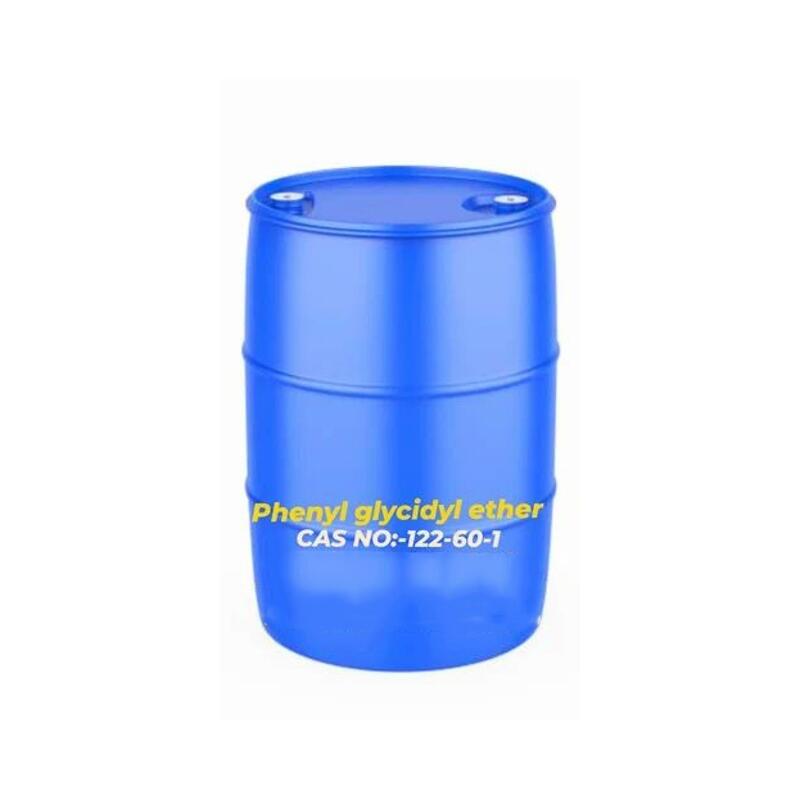
Phenyl glycidyl ether  CAS NO (122-60-1) Available At Best Selling Prices buy - large image1
Phenyl glycidyl ether  CAS NO (122-60-1) Available At Best Selling Prices buy - image1
Phenyl glycidyl ether  CAS NO (122-60-1) Available At Best Selling Prices buy - image2
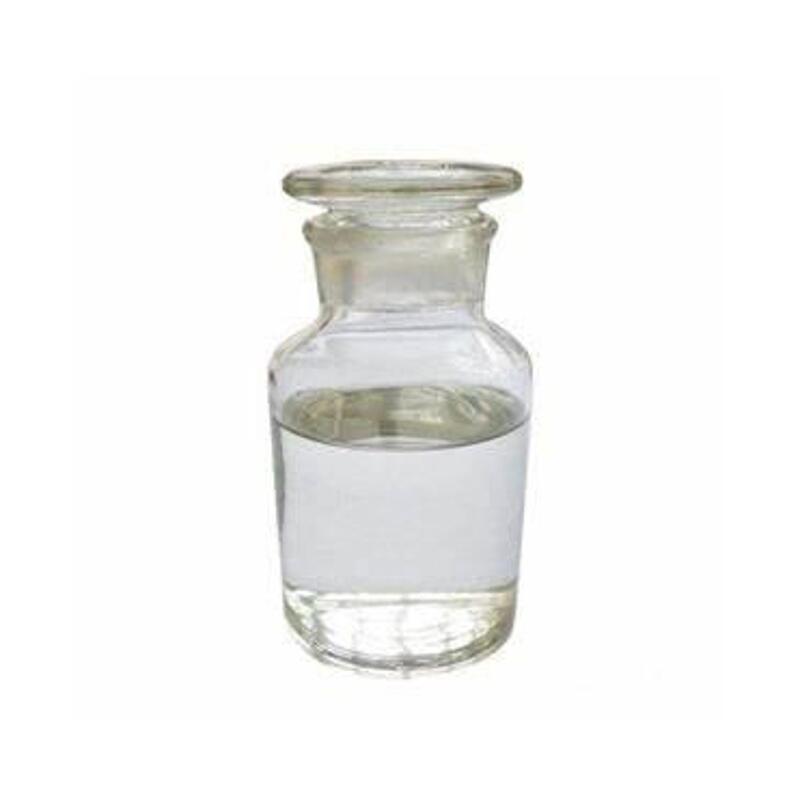
Phenyl glycidyl ether  CAS NO (122-60-1) Available At Best Selling Prices buy - image3
Phenyl glycidyl ether  CAS NO (122-60-1) Available At Best Selling Prices buy - image4
Phenyl glycidyl ether  CAS NO (122-60-1) Available At Best Selling Prices buy - image5
Phenyl glycidyl ether  CAS NO (122-60-1) Available At Best Selling Prices buy - image6

Phenyl glycidyl ether CAS NO (122-60-1) Available At Best Selling Prices

Unit Price: Get Latest Price
CAS No.:

122-60-1

Grade:

Pharmaceutical Grade

Content:

99%

Port:

Durban

Brand:

Custom

Packaging:

As per customer requirement

Price valid (until):

2024-05-29

Company Type:
Distributor
Location:
South Africa
Qualification:
Main Products:

Sodium Lauryl Ether Sulfate,Caustic Soda,Soda Ash,Citric Acid,Calcium Hypochlorite,Oxalic Acid

  • Product Description

  • Seller Information

  • Description


      Product Detail  


                                                                                          1. 1. Introduction to Phenyl Glycidyl Ether (122-60-1)

                                                                                            Phenyl glycidyl ether, also known as 1,2-epoxy-3-phenoxypropane, is an organic compound with the chemical formula C9H10O2. It is a clear, colorless to pale yellow liquid with a faint, characteristic odor. Phenyl glycidyl ether is widely used as a reactive diluent, crosslinking agent, and intermediate in the synthesis of various chemicals and polymers due to its epoxy functional group and phenyl moiety. Its versatility and chemical properties make it valuable in industries such as adhesives, coatings, and pharmaceuticals.

                                                                                            2. Chemical Structure and Composition

                                                                                            Phenyl glycidyl ether is characterized by an epoxy group (oxirane ring) and a phenyl group attached to the same carbon atom, giving it its distinct chemical structure. The epoxy group provides reactivity, allowing phenyl glycidyl ether to participate in polymerization, crosslinking, and other chemical reactions. Its molecular formula indicates nine carbon atoms, ten hydrogen atoms, and two oxygen atoms.

                                                                                            3. Physical Properties of Phenyl Glycidyl Ether

                                                                                            Phenyl glycidyl ether is typically a clear, colorless to pale yellow liquid at room temperature. It has a boiling point of around 245°C and a density of approximately 1.09 g/cm³. The compound is sparingly soluble in water but miscible with many organic solvents such as ethanol, acetone, and ether. Its physical properties influence its handling, storage, and application in various industrial processes.

                                                                                            4. Industrial Applications

                                                                                            Phenyl glycidyl ether finds widespread use in industrial applications as a versatile chemical intermediate and reactive diluent. It serves as a crosslinking agent in epoxy resins, adhesives, and coatings, enhancing their mechanical properties, adhesion, and chemical resistance. Additionally, phenyl glycidyl ether is employed in the synthesis of pharmaceutical intermediates, plasticizers, and specialty chemicals.

                                                                                            5. Epoxy Resins and Polymer Composites

                                                                                            One of the primary applications of phenyl glycidyl ether is in the formulation of epoxy resins and polymer composites. As a reactive diluent, it improves the processability and flexibility of epoxy formulations, allowing for easier handling and application. Phenyl glycidyl ether also contributes to the formation of crosslinked networks within epoxy matrices, resulting in durable, high-performance materials used in construction, aerospace, and electronics.

                                                                                            6. Adhesives and Sealants

                                                                                            Phenyl glycidyl ether is utilized as a reactive diluent and crosslinking agent in the formulation of structural adhesives and sealants. It enhances the bonding strength, toughness, and chemical resistance of adhesive bonds, making them suitable for demanding applications in automotive, aerospace, and industrial assembly. Phenyl glycidyl ether-containing adhesives exhibit excellent adhesion to various substrates, including metals, plastics, and composites.

                                                                                            7. Pharmaceuticals and Fine Chemicals

                                                                                            Phenyl glycidyl ether serves as a valuable intermediate in the synthesis of pharmaceuticals, agrochemicals, and fine chemicals. It undergoes functionalization reactions to introduce specific chemical groups, enabling the production of diverse organic compounds with medicinal, agricultural, or specialty applications. Phenyl glycidyl ether-derived products contribute to advancements in healthcare, agriculture, and materials science.

                                                                                            8. Safety and Handling Considerations

                                                                                            While phenyl glycidyl ether offers numerous industrial benefits, proper handling and safety precautions are essential to minimize risks associated with its use. Exposure to phenyl glycidyl ether vapor, liquid, or aerosols may cause irritation to the skin, eyes, and respiratory tract. Adequate ventilation, personal protective equipment (PPE), and engineering controls should be employed to ensure safe handling and storage of phenyl glycidyl ether-containing products.

                                                                                            9. Environmental Impact and Regulatory Compliance

                                                                                            Efforts to mitigate the environmental impact of phenyl glycidyl ether production and usage focus on minimizing emissions, waste generation, and environmental contamination. Regulatory agencies impose restrictions on the use, handling, and disposal of phenyl glycidyl ether-containing products to protect human health and the environment. Compliance with occupational exposure limits, safety data sheets (SDS), and environmental regulations is essential to ensure responsible manufacturing and usage practices.

                                                                                            10. Research and Development

                                                                                            Ongoing research into the properties, applications, and synthesis of phenyl glycidyl ether contributes to advancements in various fields. Scientists explore new synthetic routes, formulation techniques, and applications to enhance the performance, sustainability, and safety of phenyl glycidyl ether-based products. Research efforts also focus on addressing emerging challenges related to its usage and identifying novel applications in response to evolving market demands.

    Items Specifications
    Chemical Formula C₉H₁₀O₂
    Molecular Weight 150.17 g/mol
    CAS Number 122-60-1
    Appearance Colorless to pale yellow liquid
    Odor Characteristic
    Density ~1.075 g/cm³ at 20°C
    Boiling Point 252-253°C
    Melting Point -20°C
    Flash Point 122°C (closed cup)
    Solubility Insoluble in water, soluble in organic solvents
    pH Neutral
    Vapor Pressure 0.02 mmHg at 20°C
    Purity ≥ 98%
    Storage Store in a cool, well-ventilated area away from incompatible substances. Keep container tightly closed. Protect from heat and light.
    Handling Avoid contact with eyes, skin, and clothing. Use appropriate protective equipment. Avoid ingestion and inhalation. Dispose of according to local regulations.


      Product Detail  


    Shop Top Quality Phenyl glycidyl ether CAS NO (122-60-1) In Bulk-Detailed Image 1Shop Top Quality Phenyl glycidyl ether CAS NO (122-60-1) In Bulk-Detailed Image 2Shop Top Quality Phenyl glycidyl ether CAS NO (122-60-1) In Bulk-Detailed Image 3Shop Top Quality Phenyl glycidyl ether CAS NO (122-60-1) In Bulk-Detailed Image 4Shop Top Quality Phenyl glycidyl ether CAS NO (122-60-1) In Bulk-Detailed Image 5Shop Top Quality Phenyl glycidyl ether CAS NO (122-60-1) In Bulk-Detailed Image 6

    Basic Info
    Product Name:

    Phenyl glycidyl ether

    Other Name:

    Oxirane,2-(phenoxymethyl)-;Propane,1,2-epoxy-3-phenoxy-;Oxirane,(phenoxymethyl)-;2-(Phenoxymethyl)oxirane;1,2-Epoxy-3-phenoxypropane;Glycidyl phenyl ether;Phenol glycidyl ether;Phenyl 2,3-epoxypropyl ether;Phenyl glycidyl ether;3-Phenoxy-1,2-epoxypropane;3-Phenoxy-1,2-propylene oxide;γ-Phenoxypropylene oxide;1-Phenoxy-2,3-epoxypropane;2,3-Epoxypropyl phenyl ether;Glycidol phenyl ether;3-(Phenyloxy)-1,2-epoxypropane;(Phenoxymethyl)oxirane;2,3-Epoxy-1-phenoxypropane;2,3-Epoxypropoxybenzene;3-Phenoxy-1-propene oxide;Oxiranylmethyl phenyl ether;3-Phenoxypropylene oxide;(±)-Phenyl glycidyl ether;(±)-1,2-Epoxy-3-phenoxypropane;(±)-(Phenoxymethyl)oxirane;(±)-Glycidyl phenyl ether;Denacol EX 141;Heloxy 63;Heloxy Modifier 63;NSC 53476;NSC 635;PGE-H;Epoxy 690;(Phenyloxymethyl)oxirane;EX 141;Epiol P;K 103;YS 690;JX 016;O-Phenylglycidol;3-(Phenoxy)propylene epoxide;Diluent 690;Beihe CGE;XY 690;G 830179;66527-93-3

    CAS No.:

    122-60-1

    Molecular Formula:

    C9H10O2

    InChIKeys:

    InChIKey=FQYUMYWMJTYZTK-UHFFFAOYSA-N

    Molecular Weight:

    150.174

    Exact Mass:

    150.17

    EC Number:

    204-557-2

    ICSC Number:

    0188

    NSC Number:

    53476|635

    UN Number:

    2810

    DSSTox ID:

    DTXSID8021145|DTXSID2094134

    Color/Form:

    Colorless liquid (Note: A solid below 38 degrees F)

    HScode:

    2910900090

    Characteristics
    PSA:

    21.76000

    XLogP3:

    1.74

    Appearance:

    Phenyl glycidyl ether is a colorless liquid. (NTP, 1992)

    Density:

    1.1092 g/cm3

    Melting Point:

    3.5 °C

    Boiling Point:

    245 °C @ Press: 760 Torr

    Flash Point:

    94.8±19.4 °C

    Refractive Index:

    1.537

    Water Solubility:

    1 to 5 mg/mL at 64° F (NTP, 1992)

    Storage Conditions:

    Keep container closed when not in use. Store in a cool, dry, well-ventilated area away from incompatible substances.

    Vapor Pressure:

    0.01 mm Hg at 68 °F (NTP, 1992)

    Vapor Density:

    5.2 (vs air)

    Henrys Law Constant:

    Henry's Law constant = 8.2X10⁻⁷ atm-cu m/mol at 25 °C (est)

    Experimental Properties:

    Hydroxyl radical reaction rate constant = 2.9X10⁻¹¹ cu cm/molec-sec at 25 °C (est)

    Air and Water Reactions:

    Ethers tend to form unstable peroxides when exposed to oxygen. Ethyl, isobutyl, ethyl tert-butyl, and ethyl tert-pentyl ether are particularly hazardous in this respect. Ether peroxides can sometimes be observed as clear crystals deposited on containers or along the surface of the liquid. Slightly soluble in water.

    Reactive Group:

    Ethers

    Reactivity Alerts:

    Peroxidizable Compound

    Reactivity Profile:

    PHENYL GLYCIDYL ETHER, an ether, can act as a base. They form salts with strong acids and addition complexes with Lewis acids. The complex between diethyl ether and boron trifluoride is an example. Ethers may react violently with strong oxidizing agents. In other reactions, which typically involve the breaking of the carbon-oxygen bond, ethers are relatively inert.

    Peroxide Forming Chemical:

    1,2-Epoxy-3-phenoxypropane|D: Other compounds that may form peroxides|Kelly

    Flammable Limits:

    Combustible|Class IIIB Combustible Liquid: Fl.P. at or above 200°F.

    Hazard Identification

    Classification of the substance or mixture

    Skin irritation, Category 2

    Skin sensitization, Category 1

    Acute toxicity - Category 4, Inhalation

    Specific target organ toxicity – single exposure, Category 3

    Germ cell mutagenicity, Category 2

    Carcinogenicity, Category 1B

    Hazardous to the aquatic environment, long-term (Chronic) - Category Chronic 3

    GHS label elements, including precautionary statements

    Pictogram(s)

    Signal word

    Danger

    Hazard statement(s)

    H315 Causes skin irritation

    H317 May cause an allergic skin reaction

    H332 Harmful if inhaled

    H335 May cause respiratory irritation

    H341 Suspected of causing genetic defects

    H350 May cause cancer

    H412 Harmful to aquatic life with long lasting effects

    Precautionary statement(s)
    Prevention

    P264 Wash ... thoroughly after handling.

    P280 Wear protective gloves/protective clothing/eye protection/face protection/hearing protection/...

    P261 Avoid breathing dust/fume/gas/mist/vapours/spray.

    P272 Contaminated work clothing should not be allowed out of the workplace.

    P271 Use only outdoors or in a well-ventilated area.

    P203 Obtain, read and follow all safety instructions before use.

    P273 Avoid release to the environment.

    Response

    P302+P352 IF ON SKIN: Wash with plenty of water/...

    P321 Specific treatment (see ... on this label).

    P332+P317 If skin irritation occurs: Get medical help.

    P362+P364 Take off contaminated clothing and wash it before reuse.

    P333+P317 If skin irritation or rash occurs: Get medical help.

    P304+P340 IF INHALED: Remove person to fresh air and keep comfortable for breathing.

    P317 Get medical help.

    P319 Get medical help if you feel unwell.

    P318 IF exposed or concerned, get medical advice.

    Storage

    P403+P233 Store in a well-ventilated place. Keep container tightly closed.

    P405 Store locked up.

    Disposal

    P501 Dispose of contents/container to an appropriate treatment and disposal facility in accordance with applicable laws and regulations, and product characteristics at time of disposal.

    Other hazards which do not result in classification

    no data available

    Handling and Storage

    Precautions for safe handling

    NO open flames. Handling in a well ventilated place. Wear suitable protective clothing. Avoid contact with skin and eyes. Avoid formation of dust and aerosols. Use non-sparking tools. Prevent fire caused by electrostatic discharge steam.

    Conditions for safe storage, including any incompatibilities

    Store in an area without drain or sewer access. Separated from strong oxidants, strong bases, strong acids and amines. Cool. Keep in the dark.Store in an area without drain or sewer access. Seperated from strong oxidants, strong bases, strong acids and amines. Cool. Keep in the dark.

  • Seller Information
    Business Type:

    Distributor

    Main Products:

    Sodium Lauryl Ether Sulfate,Caustic Soda,Soda Ash,Citric Acid,Calcium Hypochlorite,Oxalic Acid

    Location:

    13 PROTEA PARK MILKWOOD STREET RANGEVIEW GAUTENG 1739

    Payment Terms:

    TT against copy of documents,TT against B/L draft before shipment

    Average lead Time:

    60

    Total Annual Revenue:

    $1 million-$2.5 million

    Total Employees:

    11-50

    Year of Establishment:

    2012

  • Country Product Purchase Quantity Date Posted
    Post an enquiry for this product
pic ×

Scan the QR Code to Share

All products displayed on this website are only for non-medical purposes such as industrial applications or scientific research, and cannot be used for clinical diagnosis or treatment of humans or animals. They are not medicinal or edible.

According to relevant laws and regulations and the regulations of this website, units or individuals who purchase hazardous materials should obtain valid qualifications and qualification conditions.

The information shown above is provided by the enterprise itself, and the authenticity, accuracy and legitimacy of the content are the responsibility of the publishing company. ECHEMI does not bear any guarantee responsibility for this. Please be aware that risks in internet transactions objectively exist.

Feedback & Suggestions
Send Message

Thank you for your feedback. If you require further assistance, please contact us by email at info@echemi.com or call us at +86-532-55729510.