Product
Supplier
Encyclopedia
Inquiry
Home > Organic Chemistry > Coordination Complexes > Ammonium thiocyanate for Sale > Best Seller Of Ammonium thiocyanate CAS NO (1762-95-4) Available in bulk quantity
Best Seller Of Ammonium thiocyanate  CAS NO (1762-95-4) Available in bulk quantity buy - large image1
Best Seller Of Ammonium thiocyanate  CAS NO (1762-95-4) Available in bulk quantity buy - image1
Best Seller Of Ammonium thiocyanate  CAS NO (1762-95-4) Available in bulk quantity buy - image2
Best Seller Of Ammonium thiocyanate  CAS NO (1762-95-4) Available in bulk quantity buy - image3
Best Seller Of Ammonium thiocyanate  CAS NO (1762-95-4) Available in bulk quantity buy - image4
Best Seller Of Ammonium thiocyanate  CAS NO (1762-95-4) Available in bulk quantity buy - image5
Best Seller Of Ammonium thiocyanate  CAS NO (1762-95-4) Available in bulk quantity buy - image6

Best Seller Of Ammonium thiocyanate CAS NO (1762-95-4) Available in bulk quantity

11 Inquiries

Unit Price: Get Latest Price
CAS No.:

1762-95-4

Grade:

Industrial Grade

Content:

99%

Port:

Durban

Brand:

Custom

Packaging:

As per customer requirement

Price valid (until):

2024-06-01

Company Type:
Distributor
Location:
South Africa
Qualification:
Main Products:

Sodium Lauryl Ether Sulfate,Caustic Soda,Soda Ash,Citric Acid,Calcium Hypochlorite,Oxalic Acid

  • Product Description

  • Seller Information

  • Inquiry History

  • Description


      Product Detail  


                    1. 1. Chemical Structure and Identity:

                      Ammonium thiocyanate, with the chemical formula NH4SCN, is an inorganic compound. It is composed of ammonium cations (NH4+) and thiocyanate anions (SCN-).

                      2. Synthesis and Production:

                      Ammonium thiocyanate can be synthesized through the reaction between ammonia (NH3) and hydrogen sulfide (H2S) in the presence of carbon disulfide (CS2) to form ammonium thiocarbamate. Subsequent treatment of ammonium thiocarbamate with sulfuric acid (H2SO4) yields ammonium thiocyanate.

                      3. Physical Properties:

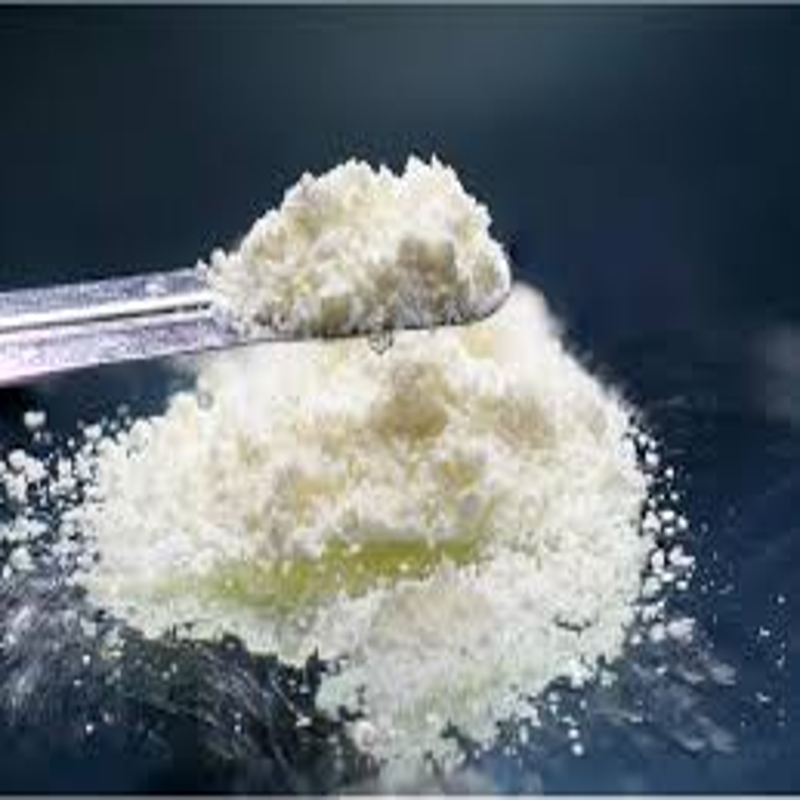
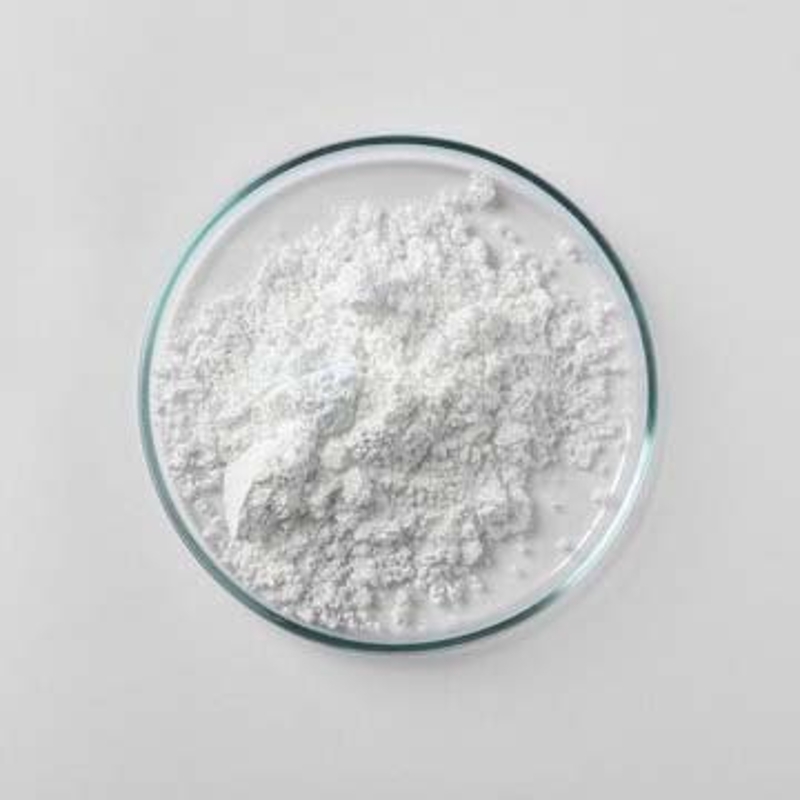
                      • Appearance: Ammonium thiocyanate is commonly found as a colorless to white crystalline solid.
                      • Melting Point: It has a melting point typically around 149°C.
                      • Solubility: It is highly soluble in water and soluble in polar organic solvents such as ethanol and acetone.

                      4. Applications and Uses:

                      Ammonium thiocyanate finds application in various fields, including chemical synthesis, metallurgy, and photography. Some of its uses include:

                      • Chemical Synthesis: It serves as a source of the thiocyanate ion in various organic and inorganic synthesis reactions, such as the synthesis of isothiocyanates, thioureas, and metal thiocyanate complexes.
                      • Metallurgy: Ammonium thiocyanate is used in metallurgical processes, such as metal extraction and purification, particularly for the extraction of silver from ores and the leaching of gold from ores.
                      • Photography: It is utilized in photographic developing solutions as a fixing agent and toner to enhance the contrast and tone of black and white photographs.

                      5. Complex Formation:

                      Ammonium thiocyanate forms complexes with various metal ions, including transition metals such as iron (Fe), copper (Cu), and cobalt (Co). These metal thiocyanate complexes exhibit distinctive colors and are utilized in analytical chemistry for qualitative and quantitative analysis of metal ions.

                      6. Safety and Handling:

                      While ammonium thiocyanate is generally regarded as safe when handled properly, it should be handled with care due to its potential irritant and toxic properties. It is recommended to use appropriate personal protective equipment, such as gloves and safety goggles, when handling this compound. Additionally, proper ventilation should be ensured to minimize exposure to airborne particles and vapors.

                      7. Environmental Impact:

                      The environmental impact of ammonium thiocyanate may depend on factors such as its use, disposal, and potential for release into the environment. As with any chemical compound, it is important to handle and dispose of ammonium thiocyanate in accordance with relevant regulations to minimize adverse effects on the environment.

                      8. Regulatory Considerations:

                      Ammonium thiocyanate may be subject to regulations and guidelines governing its production, handling, transportation, and use, particularly due to its potential environmental and health hazards. Compliance with these regulations is essential to ensure safety, environmental protection, and regulatory compliance.

                      In summary, ammonium thiocyanate is an inorganic compound with diverse applications in chemical synthesis, metallurgy, and photography. Its synthesis, physical properties, uses, complex formation, safety considerations, environmental impact, and regulatory aspects are important factors to consider in its production, handling, and utilization.


      Specifications  


    Items Specifications
    Chemical Formula NH4SCN
    Molecular Weight 76.12 g/mol
    CAS Number 1762-95-4
    Appearance Colorless to white crystalline solid
    Density ~1.31 g/cm³ at 20°C
    Melting Point 149-152°C
    Boiling Point Decomposes at high temperature
    Solubility Soluble in water, ethanol, acetone
    pH Range Neutral
    Storage Conditions Store in a cool, dry place away from heat and moisture
    Hazard Class Corrosive
    Hazard Symbols C, Xi
    Risk Statements R20/21/22, R32, R36/37/38
    Safety Statements S26, S36/37/39, S45
    Synonyms Ammonium sulfocyanate
    Uses Laboratory reagent, metal surface treatment, photography, and organic synthesis


      Product Detail  


    Shop Ammonium thiocyanate  CAS NO (1762-95-4) Available in bulk quantity-Detailed Image 1Shop Ammonium thiocyanate  CAS NO (1762-95-4) Available in bulk quantity-Detailed Image 2Shop Ammonium thiocyanate  CAS NO (1762-95-4) Available in bulk quantity-Detailed Image 3Shop Ammonium thiocyanate  CAS NO (1762-95-4) Available in bulk quantity-Detailed Image 4Shop Ammonium thiocyanate  CAS NO (1762-95-4) Available in bulk quantity-Detailed Image 5

    Basic Info
    Product Name:

    Ammonium thiocyanate

    Other Name:

    Thiocyanic acid,ammonium salt (1:1);Thiocyanic acid,ammonium salt;Ammonium isothiocyanate;Ammonium sulfocyanate;Ammonium thiocyanate;Ammonium rhodanate;Rhodanid;Ammonium cyanide sulfide (NH4CNS);1189-67-9;1674-80-2;14314-30-8;15268-45-8;92568-90-6;101218-28-4;113506-91-5;1147550-11-5

    CAS No.:

    1762-95-4

    Molecular Formula:

    CHNS.H3N

    InChIKeys:

    InChIKey=SOIFLUNRINLCBN-UHFFFAOYSA-N

    Molecular Weight:

    76.12090

    Exact Mass:

    76.00950

    EC Number:

    217-175-6

    UNII:

    YYL9152Z1Y

    UN Number:

    3077

    DSSTox ID:

    DTXSID3029653

    Color/Form:

    Deliquescent crystals|Colorless, hygroscopic crystals

    HScode:

    28380000

    Characteristics
    PSA:

    65.83000

    XLogP3:

    0.72118

    Appearance:

    colourless or white crystals or powder

    Density:

    1.3057 g/cm3

    Melting Point:

    149.6 °C

    Boiling Point:

    40 °C (approx)

    Flash Point:

    190ºC

    Water Solubility:

    H2O: 163 g/100 mL (20 ºC);Freely sol in ethanol; sol in methanol, acetone; practically insol in CHCl3, ethyl acetate

    Storage Conditions:

    Store at RT.

    Vapor Pressure:

    2.86E-06mmHg at 25°C

    Explosive limit:

    Mixtures of thiocyanates with chlorates (or nitrates) are friction- and heat-sensitive, and explode on rubbing, heating to 400 deg C, or initiation by spark or flame. A violent explosion occurred when a little chlorate was ground in a mortar contaminated with ammonium thiocyanate.

    Odor:

    Odorless

    Experimental Properties:

    Decomposes at 170 °C|Heat of Soln: 133 Btu/lb= 74 cal/g= 3.1X10+5 J/kg

    Air and Water Reactions:

    Water soluble.

    Reactive Group:

    Salts, Acidic

    Reactivity Profile:

    AMMONIUM THIOCYANATE can release ammonia vapors if mixed with a chemical base or with an acid. Violent or explosive reactions have occurred when thiocyanates are mixed with oxidizing agents (such as chlorates(potassium chlorate), nitrates, nitric acid, and peroxides). Nitric acid violently oxidized a thiocyanate solution [Bretherick 1979 p. 121]. An explosion of guanidine nitrate demolished an autoclave built to withstand 50 atmospheres, in which it was being made from ammonium thiocyanate and lead nitrate [C. Angew. Chem. 49:23 1936].

    Corrosivity:

    Highly corrosive to iron, copper, and brass.

    Hazard Identification

    Classification of the substance or mixture

    Acute toxicity - Category 4, Oral

    Acute toxicity - Category 4, Dermal

    Acute toxicity - Category 4, Inhalation

    Hazardous to the aquatic environment, long-term (Chronic) - Category Chronic 3

    GHS label elements, including precautionary statements

    Pictogram(s)

    Signal word

    Warning

    Hazard statement(s)

    H302 Harmful if swallowed

    H312 Harmful in contact with skin

    H332 Harmful if inhaled

    H412 Harmful to aquatic life with long lasting effects

    Precautionary statement(s)
    Prevention

    P264 Wash ... thoroughly after handling.

    P270 Do not eat, drink or smoke when using this product.

    P280 Wear protective gloves/protective clothing/eye protection/face protection/hearing protection/...

    P261 Avoid breathing dust/fume/gas/mist/vapours/spray.

    P271 Use only outdoors or in a well-ventilated area.

    P273 Avoid release to the environment.

    Response

    P301+P317 IF SWALLOWED: Get medical help.

    P330 Rinse mouth.

    P302+P352 IF ON SKIN: Wash with plenty of water/...

    P317 Get medical help.

    P321 Specific treatment (see ... on this label).

    P362+P364 Take off contaminated clothing and wash it before reuse.

    P304+P340 IF INHALED: Remove person to fresh air and keep comfortable for breathing.

    Storage

    none

    Disposal

    P501 Dispose of contents/container to an appropriate treatment and disposal facility in accordance with applicable laws and regulations, and product characteristics at time of disposal.

    Other hazards which do not result in classification

    no data available

    Handling and Storage

    Precautions for safe handling

    Handling in a well ventilated place. Wear suitable protective clothing. Avoid contact with skin and eyes. Avoid formation of dust and aerosols. Use non-sparking tools. Prevent fire caused by electrostatic discharge steam.

    Conditions for safe storage, including any incompatibilities

    Keep tightly closed.

  • Seller Information
    Business Type:

    Distributor

    Main Products:

    Sodium Lauryl Ether Sulfate,Caustic Soda,Soda Ash,Citric Acid,Calcium Hypochlorite,Oxalic Acid

    Location:

    13 PROTEA PARK MILKWOOD STREET RANGEVIEW GAUTENG 1739

    Payment Terms:

    TT against copy of documents,TT against B/L draft before shipment

    Average lead Time:

    60

    Total Annual Revenue:

    $1 million-$2.5 million

    Total Employees:

    11-50

    Year of Establishment:

    2012

  • Inquiry History
    11 Inquiries
    Country Product Purchase Quantity Date Posted
    India

    Ammonium Thiocyanate

    60 MT Feb 10, 2026
    India

    DG ENTERPRISES

    2 20' Fcl Dec 29, 2025
    Zambia

    AMMONIUM THIOCYANATE

    1.00 MT Sep 16, 2025
    India

    Ammonium Thiocyanate

    3 20' Fcl Aug 7, 2025
    India

    Ammonium thiocyanate

    100 KG Jul 6, 2024
    India

    Ammonium Thiocyanate

    20 MT Jul 2, 2024
    India

    ammonium thiocyanate

    1 KG Jun 3, 2024
    India

    AMMONIUM THIOCYNATE

    2 20' Fcl Jul 9, 2025
    South Africa

    Ammonium Thiocyanate

    5 KG Oct 10, 2024
    Kuwait

    AMMONIUM THIOCYANATE

    150.00 KG Oct 13, 2023
    United Arab Emirates

    Ammonium thiocyanate

    400 KG Aug 14, 2023
    Post an enquiry for this product
pic ×

Scan the QR Code to Share

All products displayed on this website are only for non-medical purposes such as industrial applications or scientific research, and cannot be used for clinical diagnosis or treatment of humans or animals. They are not medicinal or edible.

According to relevant laws and regulations and the regulations of this website, units or individuals who purchase hazardous materials should obtain valid qualifications and qualification conditions.

The information shown above is provided by the enterprise itself, and the authenticity, accuracy and legitimacy of the content are the responsibility of the publishing company. ECHEMI does not bear any guarantee responsibility for this. Please be aware that risks in internet transactions objectively exist.

Feedback & Suggestions
Send Message

Thank you for your feedback. If you require further assistance, please contact us by email at info@echemi.com or call us at +86-532-55729510.