Product
Supplier
Encyclopedia
Inquiry
D - Glutamic Acid buy - large image1
D - Glutamic Acid buy - image1

D - Glutamic Acid

Unit Price: Get Latest Price
CAS No.:

6893-26-1

Grade:

Pharmaceutical grade / Food grade

Content:

99%

Port:

Qingdao

Brand:

East Chemsources

Packaging:

25kg/Cardboard Drum

Price valid (until):

2025-09-26

Company Type:
Trader
Location:
China
Qualification:
Main Products:

Food additives,Pharmaceutical raw materials,Chemicals,Comestic raw materials

  • Product Description

  • Seller Information

  • Description


      Product Detail  


    I. Introduction

    D - Glutamic Acid, an enantiomer of glutamic acid, has emerged as a molecule of significant interest in various scientific and industrial domains. Glutamic acid, in general, is one of the most abundant amino acids in nature and exists in two stereoisomeric forms: L - glutamic acid and D - glutamic acid. The latter, with its distinct three - dimensional structure and chemical properties, has found unique applications that span from medicine to food and beyond. Its chemical formula is C₅H₉NO₄, and it contains an amino group (-NH₂), a carboxyl group (-COOH), and a characteristic side chain with four carbon atoms.

    II. Physical Properties

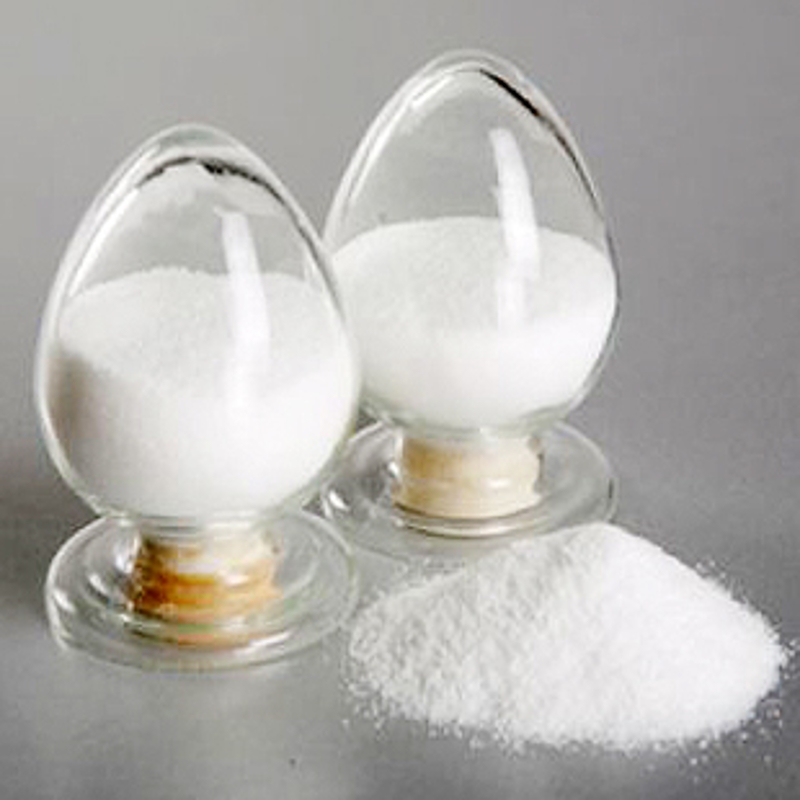
    In its pure form, D - glutamic acid typically presents as a white crystalline powder. It has a characteristic odorless nature, which is an important trait when considering its use in different formulations, especially in the food and pharmaceutical industries where unwanted odors can be a deterrent. The melting point of D - glutamic acid ranges from around 202 - 205 °C, a property that provides stability under normal storage and processing conditions. Regarding solubility, it shows good solubility in water, allowing it to form clear aqueous solutions. This aqueous solubility is vital as it enables its participation in numerous biochemical reactions and industrial processes that occur in a water - based environment. In contrast, its solubility in organic solvents like ethanol and methanol is relatively limited, which can be exploited for purification and separation techniques.

    III. Chemical Properties

    As an amino acid, D - glutamic acid exhibits amphoteric behavior. Its amino group can act as a base, accepting protons in acidic environments, while the carboxyl group can act as an acid, donating protons in alkaline conditions. This dual nature allows it to play a crucial role in buffering systems, helping to maintain the pH stability in biological fluids and chemical reactions. In biochemical reactions, it can participate in peptide bond formation with other amino acids. Although L - glutamic acid is predominantly involved in natural protein synthesis, D - glutamic acid has its own significance. It can be incorporated into synthetic peptides and peptidomimetics, where its unique stereochemistry can confer specific biological activities. For example, in the design of certain bioactive peptides for drug delivery or as enzyme inhibitors, D - glutamic acid can provide enhanced selectivity and stability.

    IV. Biosynthesis and Metabolism

    In nature, the biosynthesis of D - glutamic acid occurs through complex enzymatic pathways. Some microorganisms, such as certain strains of bacteria, possess the ability to produce D - glutamic acid. These organisms utilize precursor molecules, often derived from central metabolic pathways like glycolysis or the tricarboxylic acid cycle. Enzymes within these microorganisms catalyze a series of reactions, including isomerization and amino acid biosynthesis steps, to generate D - glutamic acid. In terms of metabolism, when D - glutamic acid is introduced into higher organisms, it undergoes a different fate compared to L - glutamic acid. The body's metabolic machinery has to deal with its stereochemistry. Some enzymes can recognize and metabolize it, albeit at a different rate and through potentially different pathways than L - glutamic acid. In mammals, for example, D - glutamic acid metabolism is still an area of active research, with evidence suggesting it may have roles in neurotransmitter regulation and other physiological processes.

    V. Applications

    (I) Pharmaceutical Industry

    1. Drug Delivery Systems: D - glutamic acid - based polymers and conjugates have been explored for drug delivery applications. By attaching drugs to D - glutamic acid moieties, scientists can engineer systems that have better control over drug release. The hydrophilic nature of D - glutamic acid helps in solubilizing hydrophobic drugs, and its biodegradability ensures that the drug delivery vehicle can be cleared from the body without causing long - term harm. For instance, in cancer chemotherapy, where targeted and controlled drug release is crucial, D - glutamic acid - based nanoparticles have shown promise in improving treatment efficacy.
    2. Peptide Drugs: In the development of peptide - based drugs, D - glutamic acid can be strategically incorporated. Its unique stereochemistry can enhance the stability of peptides against enzymatic degradation in the body. Peptides containing D - glutamic acid can have longer half - lives, allowing them to reach their target sites more effectively. This is particularly important for peptides that act as hormones, growth factors, or agonists/antagonists of cell receptors.

    (II) Food Industry

    1. Flavor Enhancers: D - glutamic acid, like its L - enantiomer, has flavor - enhancing properties. It can contribute to the umami taste, which is one of the five basic tastes. In the food processing industry, it can be used to intensify the savory flavor of soups, sauces, and savory snacks. However, due to its stereochemistry, its taste perception and interactions with other flavor compounds may differ slightly from L - glutamic acid, leading to unique flavor profiles that food technologists can exploit to create novel food products.
    2. Nutritional Supplements: As an amino acid, D - glutamic acid can play a role in supplement formulations. While the body can synthesize glutamic acid, under certain conditions, such as intense physical activity or stress, supplemental D - glutamic acid may provide an extra boost to support physiological functions. It can be involved in processes like muscle protein synthesis and neurotransmitter production, although more research is needed to fully understand its optimal dosage and efficacy in these contexts.

    (III) Agricultural Field

    1. Plant Growth Promoters: Studies have shown that D - glutamic acid can have beneficial effects on plant growth. When applied to soil or as a foliar spray, it can enhance root development, increase plant resistance to stressors such as drought and salinity, and improve overall crop yield. The mechanism behind this may involve its interaction with plant hormones and its ability to modulate nutrient uptake and assimilation. For example, it may stimulate the production of auxins, which are crucial for plant growth and development.
    2. Biostimulants: In the emerging field of agricultural biostimulants, D - glutamic acid is being considered as a potential ingredient. Biostimulants are substances that, when applied in small amounts, can enhance plant performance beyond what is provided by traditional fertilizers. D - glutamic acid - containing biostimulants could offer a more sustainable approach to agriculture by improving plant health and productivity while reducing the need for excessive chemical fertilizers.

    VI. Research Advances

    In recent years, the research on D - glutamic acid has been burgeoning. In the biotechnological realm, genetic engineering techniques have been employed to optimize the production of D - glutamic acid in microorganisms. By modifying the genes encoding enzymes involved in its biosynthesis, researchers have been able to increase yields and improve the efficiency of production processes. This has significant implications for making D - glutamic acid more accessible and cost - effective for various applications.


    In the field of materials science, D - glutamic acid - based materials are being developed. These range from biodegradable plastics, where D - glutamic acid is copolymerized with other monomers to create polymers that can degrade in the environment, to hydrogels for tissue engineering. The latter use the hydrophilic and biocompatible properties of D - glutamic acid to create scaffolds that can support cell growth and tissue repair.


    Moreover, in pharmacology, the exploration of D - glutamic acid derivatives continues. Scientists are constantly designing and synthesizing new compounds with improved pharmacological properties, such as higher potency, selectivity, and reduced toxicity. These derivatives could potentially lead to breakthroughs in the treatment of diseases like neurodegenerative disorders, cancer, and autoimmune diseases.


    In conclusion, D - glutamic acid is a multifaceted compound with a vast array of applications and a rich research landscape. As our understanding of its properties and potential continues to grow, it is poised to make even greater contributions to diverse industries and improve the quality of life in numerous ways. The future holds exciting prospects for further harnessing the power of D - glutamic acid.
    Shop D - Glutamic Acid-Detailed Image 1

    Company Introduction: East Chemsources Limited was established in 2008, is a professional company engaged in the development of chemical products. In the past of 15 years,through continuous technological innovation and the use of talent introduction advantages, we have achieved rapid development, and has become an international diversified modern chemical enterprise. At present, our products have been exported to more than 80 countries,including food additives, medical raw materials, chemical products and personal care.

    Since the establishment of the company, always adhere to the credibility first, quality first enterprise creed. Our company is committed to creating a customer-centric, customer-demand-oriented, customer value creation and achievement of customer dreams for the purpose of the service concept, with a broad vision and broad mind, committed to creating good benefits and market operation, to build corporate brand.

    Basic Info
    Product Name:

    (-)-Glutamic acid

    Other Name:

    D-Glutamic acid;Glutamic acid,D-;(R)-(-)-Glutamic acid;(R)-Glutamic acid;(2R)-2-Aminopentanedioic acid;(-)-Glutamic acid;D-(-)-Glutamic acid;(2R)-Glutamic acid;NSC 77686;(2R)-2-Aminopentanedioic acid

    CAS No.:

    6893-26-1

    Molecular Formula:

    C5H9NO4

    InChIKeys:

    InChIKey=WHUUTDBJXJRKMK-GSVOUGTGSA-N

    Molecular Weight:

    147.12900

    Exact Mass:

    147.13

    EC Number:

    230-000-8

    UNII:

    Q479989WEA

    DSSTox ID:

    DTXSID1048675

    HScode:

    2918990090

    Characteristics
    PSA:

    100.62000

    XLogP3:

    -3.7

    Appearance:

    white crystals

    Density:

    1.409 g/cm3

    Melting Point:

    201 °C

    Boiling Point:

    333.8ºC at 760 mmHg

    Flash Point:

    155.7ºC

    Refractive Index:

    1.522

    Water Solubility:

    H2O: 8.88 mg/mL at 25 °C

    Storage Conditions:

    Store at RT.

    Vapor Pressure:

    2.55E-05mmHg at 25°C

    Hazard Identification

    Classification of the substance or mixture

    Not classified.

    GHS label elements, including precautionary statements

    Pictogram(s) No symbol.
    Signal word

    No signal word

    Hazard statement(s)

    none

    Precautionary statement(s)
    Prevention

    none

    Response

    none

    Storage

    none

    Disposal

    none

    Other hazards which do not result in classification

    no data available

    Handling and Storage

    Precautions for safe handling

    Handling in a well ventilated place. Wear suitable protective clothing. Avoid contact with skin and eyes. Avoid formation of dust and aerosols. Use non-sparking tools. Prevent fire caused by electrostatic discharge steam.

    Conditions for safe storage, including any incompatibilities

    Keep container tightly closed in a dry and well-ventilated place. L-Glutamic acid hydrochloride

  • Seller Information
    Business Type:

    Trader

    Main Products:

    Food additives,Pharmaceutical raw materials,Chemicals,Comestic raw materials

    Location:

    Room 501, Unit 6, No. 40, hushan road,Licang,Qingdao

    Payment Terms:

    TT against copy of documents,TT against B/L draft before shipment,100% TT in advance

    Average lead Time:

    10

    Total Annual Revenue:

    $1 million-$2.5 million

    Total Employees:

    11-50

    Year of Establishment:

    2017

    QINGDAO EASTCHEMSORCES TRADE LIMITED is a leading Manufactory supplier of Sorbitol, Citric acid, Sodium hypochlorite based in Qingdao, Shandong, China. With a commitment to quality and customer satisfaction, QINGDAO EASTCHEMSORCES TRADE LIMITED has become a trusted name in the industry. Our product line includes a range of high-quality Sorbitol, Citric acid, Sodium hypochlorite, which are available at competitive prices. QINGDAO EASTCHEMSORCES TRADE LIMITED has established itself as a reliable supplier of chemical products on the echemi.com.

  • Country Product Purchase Quantity Date Posted
    Post an enquiry for this product
pic ×

Scan the QR Code to Share

All products displayed on this website are only for non-medical purposes such as industrial applications or scientific research, and cannot be used for clinical diagnosis or treatment of humans or animals. They are not medicinal or edible.

According to relevant laws and regulations and the regulations of this website, units or individuals who purchase hazardous materials should obtain valid qualifications and qualification conditions.

The information shown above is provided by the enterprise itself, and the authenticity, accuracy and legitimacy of the content are the responsibility of the publishing company. ECHEMI does not bear any guarantee responsibility for this. Please be aware that risks in internet transactions objectively exist.

Feedback & Suggestions
Send Message

Thank you for your feedback. If you require further assistance, please contact us by email at info@echemi.com or call us at +86-532-55729510.