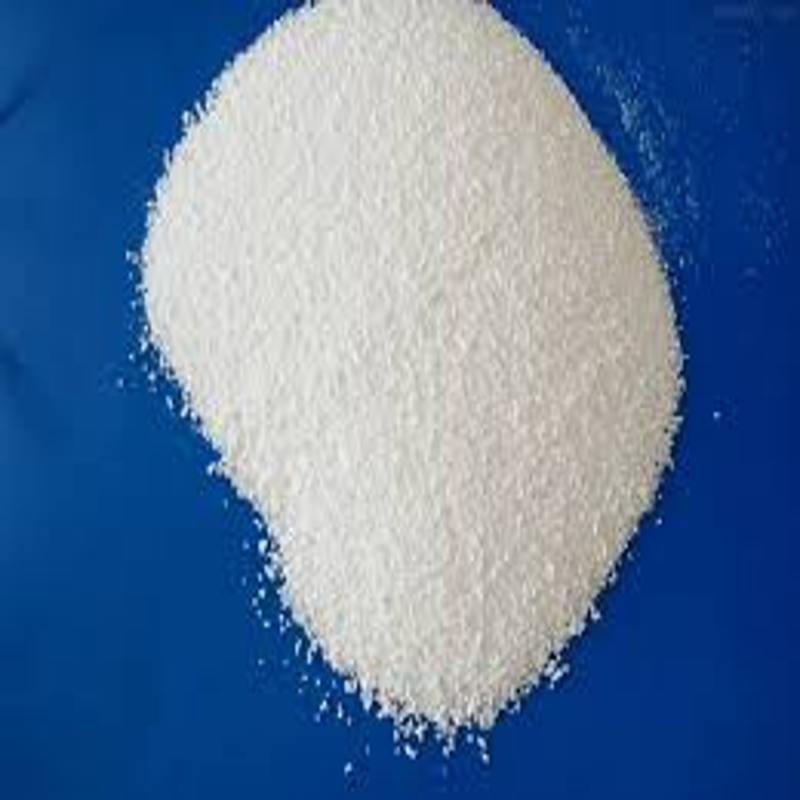
Citric Acid Anhydrous - Product Information
Citric Acid Anhydrous is a highly concentrated form of citric acid that is commonly used in a variety of applications, including food, pharmaceuticals, cosmetics, and industrial processes. It is a white crystalline powder that is anhydrous (lacking water), as opposed to its hydrated form (citric acid monohydrate).
1. Product Overview
- Chemical Name: Citric Acid Anhydrous
- Other Names: 2-Hydroxy-1,2,3-propane-tricarboxylic acid, 2-hydroxypropane-1,2,3-tricarboxylic acid
- Molecular Formula: C₆H₈O₇
- CAS Number: 77-92-9
- Appearance: White crystalline powder
- Purity: 99% (minimum)
- Odor: Odorless or mildly acidic
2. Chemical and Physical Properties
- Molecular Weight: 192.13 g/mol
- Melting Point: 153-159°C (306-318°F)
- Solubility: Highly soluble in water (around 59 g/100 mL at 20°C), but insoluble in ethanol.
- pH (1% Solution): Around 2.2 to 2.5 (acidic).
- Density: 1.665 g/cm³ (solid form)
3. Production Process
Citric Acid Anhydrous is typically produced through fermentation of sugar (such as glucose or sucrose) by strains of Aspergillus niger, a type of fungus. The fermentation process converts the sugars into citric acid, which is then purified and crystallized to produce citric acid. The anhydrous form is obtained by removing the water content from citric acid monohydrate, typically through a heating process under controlled conditions.
4. Applications
Citric Acid Anhydrous is widely used in various industries due to its acidic properties, flavor enhancement, and versatility. Common applications include:
a) Food and Beverage
- Food Preservative: Citric acid is commonly used to preserve foods and beverages by lowering the pH and inhibiting the growth of bacteria and mold.
- Acidity Regulator: It is used to adjust the acidity in a variety of foods like candies, soft drinks, jams, jellies, and sauces.
- Flavoring Agent: Citric acid imparts a tart, sour taste to food products and is often used in flavored candies, sour snacks, and beverages.
- Cheese and Dairy: It is used in the dairy industry to adjust pH levels for processes like cheese making.
- Beverages: Common in carbonated drinks, energy drinks, and flavored water to enhance taste and act as a preservative.
b) Pharmaceuticals and Cosmetics
- pH Adjuster: Citric acid is used to adjust the pH of pharmaceutical formulations, including injectable medications, oral syrups, and topical preparations.
- Antioxidant: It can help stabilize other compounds in formulations, preventing oxidation in both food and pharmaceutical products.
- Cosmetic Products: Citric acid is used in skin care products (like cleansers, moisturizers, and exfoliants) for its ability to adjust pH and act as an exfoliant by promoting the shedding of dead skin cells.
c) Cleaning and Household Products
- Water Softener: In cleaning products, citric acid is used to soften water and improve the efficacy of detergents.
- Descaling Agent: It is effective in removing mineral deposits, such as limescale, from surfaces in kettles, boilers, dishwashers, and appliances.
- General Cleaner: Used in multi-purpose cleaning products for its ability to break down grease and remove stains.
d) Industrial Uses
- Manufacturing: Citric acid is used in the manufacturing of synthetic fibers, resins, and plastics.
- Metal Cleaning: It serves as a chelating agent in industrial processes to clean metals or to prevent corrosion.
- Water Treatment: Citric acid is sometimes used in water treatment to control pH and assist in the removal of metal ions.
5. Advantages
- Mild Acid: Citric acid is a relatively mild acid compared to stronger acids like sulfuric acid or hydrochloric acid, making it safe for use in food, cosmetics, and cleaning products.
- Natural: It is derived from natural sources (fruits, primarily citrus fruits), which makes it a preferred choice in natural or organic formulations.
- Multi-Functional: Citric acid can be used in a wide range of applications, from food preservation to industrial cleaning.
- Biodegradable: Citric acid is biodegradable and considered environmentally friendly compared to many other chemicals.
6. Safety and Handling
Storage Conditions
- Storage: Store in a cool, dry place away from moisture to prevent it from absorbing water from the air and converting to citric acid monohydrate. Keep in tightly sealed containers.
- Packaging: Typically available in 25 kg bags, drums, or bulk containers.
Handling Precautions
- Personal Protective Equipment (PPE): Wear appropriate PPE, including gloves, goggles, and protective clothing when handling large quantities or in concentrated form to avoid irritation.
- Skin Contact: Citric acid is mildly irritating to the skin in concentrated forms. Rinse the affected area with water if contact occurs.
- Eye Contact: In case of eye contact, immediately flush eyes with plenty of water for at least 15 minutes. Seek medical advice if irritation persists.
- Inhalation: Dust from citric acid may irritate the respiratory system. Use proper ventilation to minimize exposure to dust.
- Ingestion: Ingesting large amounts can cause gastrointestinal irritation. If ingested, seek medical attention.
First Aid Measures
- Skin: Rinse with water immediately if it comes into contact with skin.
- Eyes: Flush eyes with water for at least 15 minutes.
- Inhalation: Move to fresh air if inhaled and seek medical attention if necessary.
- Ingestion: If swallowed, rinse the mouth and drink plenty of water. Seek medical attention immediately.
7. Regulatory Information
- GRAS Status: Citric acid is Generally Recognized as Safe (GRAS) by the U.S. Food and Drug Administration (FDA) when used as a food additive within approved limits.
- REACH Compliance: Citric acid is compliant with REACH (Registration, Evaluation, Authorization, and Restriction of Chemicals) regulations in the EU.
- Other Approvals: It is commonly approved for use in cosmetics, food, and pharmaceutical applications by regulatory agencies worldwide (e.g., European Medicines Agency, Health Canada).
8. Environmental Impact
- Biodegradability: Citric acid is biodegradable, meaning it will break down in the environment and pose minimal environmental risk when disposed of properly.
- Non-Toxic: Citric acid has low toxicity to aquatic life and is considered environmentally safe when used and disposed of according to guidelines.