Product
Supplier
Encyclopedia
Inquiry
Home > Active Pharmaceutical Ingredients > Other Chemical Drugs > 2,4-Hexadienoic acid, potassium salt (1:1) for Sale > High Quality Potassium Sorbate CAS 590-00-1 Powder Fast Shipping Good Price
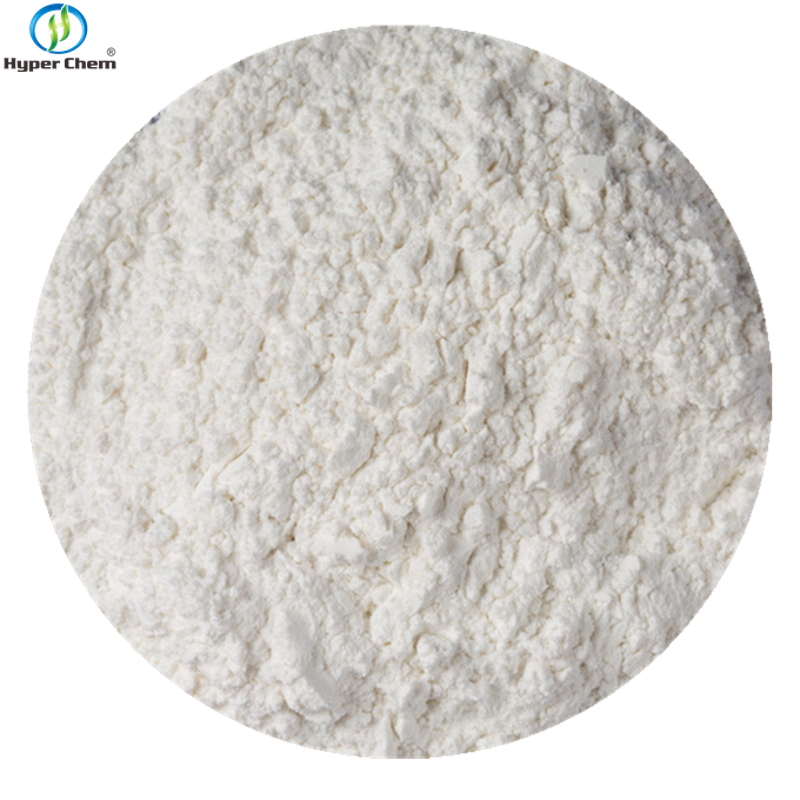
High Quality Potassium Sorbate CAS 590-00-1 Powder Fast Shipping Good Price buy - large image1
High Quality Potassium Sorbate CAS 590-00-1 Powder Fast Shipping Good Price buy - image1
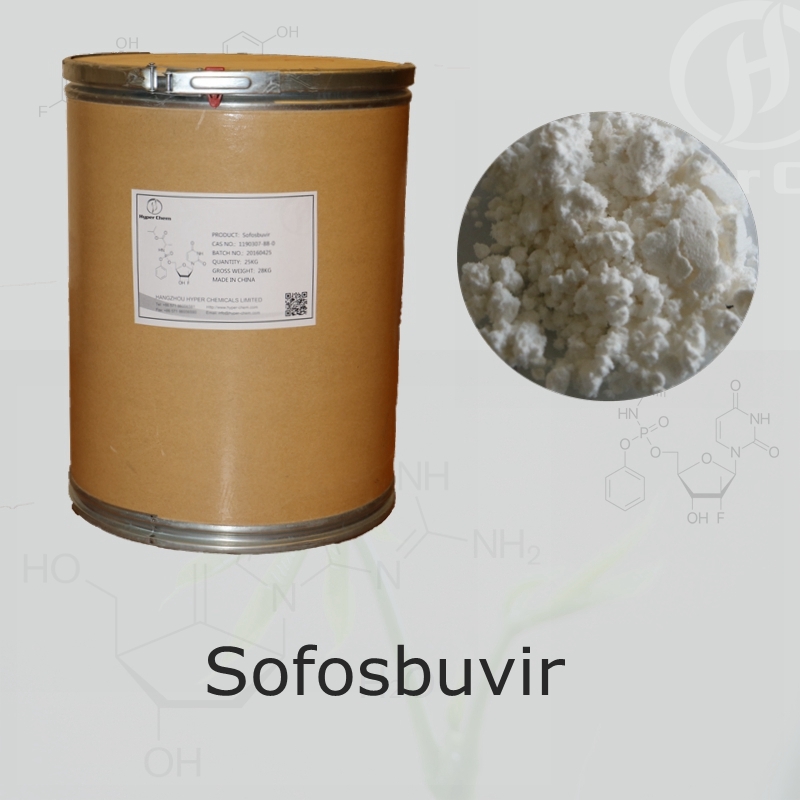
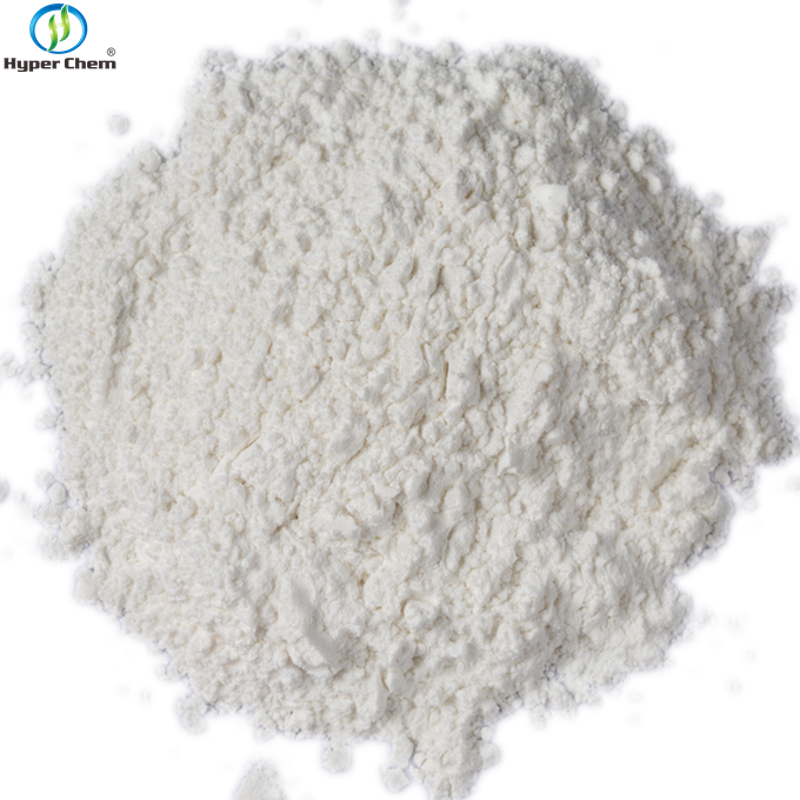
High Quality Potassium Sorbate CAS 590-00-1 Powder Fast Shipping Good Price buy - image2
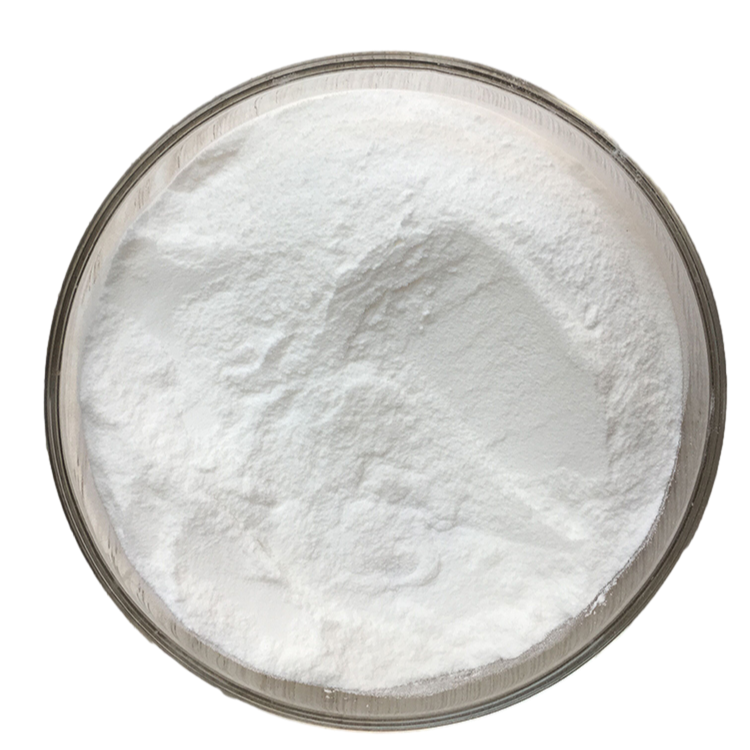
High Quality Potassium Sorbate CAS 590-00-1 Powder Fast Shipping Good Price buy - image3
High Quality Potassium Sorbate CAS 590-00-1 Powder Fast Shipping Good Price buy - image4

High Quality Potassium Sorbate CAS 590-00-1 Powder Fast Shipping Good Price

28 Inquiries

Unit Price: Get Latest Price
CAS No.:

590-00-1

Grade:

Pharmaceutical Grade

Content:

99.5%

Port:

Hangnzhou

Brand:

HyperChem

Packaging:

1kg/Bag

Price valid (until):

2025-06-09

Company Type:
Trader
Location:
China
Qualification:
Main Products:

Pharmaceuticals,Peptide,Cosmetics,Nutritional Supplements

  • Product Description

  • Seller Information

  • Inquiry History

  • Description

    Name

    Potassium sorbate

    CAS number

    93479-97-1

    Synonym

    Glimepiride; Amaryl; Amarel; Glimepirida; Glimepiridum;

    Description

    Glimepiride is a third generation sulfonylurea compound, which increases the release of insulin from pancreatic beta cells. In addition, glimepiride increases the activity of intracellular insulin receptors. Glimepiride increases osteoblast proliferation and differentiation, which is thought to be related to its ability to activate the PI3K and Akt pathway. Furthermore, Glimepiride enhances intrinsic peroxisome proliferator-activated receptor γ activity. 

    Structure

    Shop High Quality Safinamide mesylate CAS 202825-46-5 Powder Fast Shipping-Detailed Image 1

    Molecular Formula

    C6H7KO2

    Molecular Weight

    150.22 g/mol

    Appearance

    White Powder

    Quality Standard

    99%

    Shipping Condition

    Shipped under ambient temperature as non-hazardous chemical. This product is stable enough for a few weeks during ordinary shipping and time spent in Customs.

    Storage Condition

    Dry, dark and at 2~8 for short term (days to weeks) or -20 for long term (months to years).

    Shelf Life

    >2 years if stored properly

    Sample package

    Aluminium foil bag, Bottle

    Commercial package

    Aluminium Tin

    Origin

    China

    Potassium sorbate More Info

    Introduction

    Glimepiride is an oral medication used to manage type 2 diabetes mellitus. It belongs to the second generation of sulfonylureas, a class of drugs that lower blood sugar levels by enhancing insulin secretion. Glimepiride is intended for use in adults and is typically prescribed when lifestyle intervention alone does not achieve sufficient glycemic control. It can be used alone or alongside other antidiabetic agents such as metformin or insulin. Common trade names include Amaryl, Glemis, and Glimy, and it is taken in tablet form by mouth.

    Mechanism of Action

    Glimepiride lowers blood glucose primarily by stimulating the release of insulin from pancreatic β-cells. It binds to ATP-sensitive potassium channels on the membranes of these cells, causing the channels to close. This leads to membrane depolarization and the opening of calcium channels, allowing intracellular calcium levels to rise. The increase in calcium concentration triggers the exocytosis of insulin granules, promoting insulin secretion. In addition to this pancreatic effect, glimepiride is thought to increase insulin sensitivity in peripheral tissues such as skeletal muscle and adipose tissue, thereby enhancing glucose uptake.

    Indications

    This medication is indicated for the treatment of type 2 diabetes mellitus in adults. It is especially appropriate for patients whose blood glucose levels cannot be controlled through diet, exercise, and weight reduction alone. Glimepiride may be prescribed as monotherapy or in combination with other antidiabetic medications. It is not suitable for individuals with type 1 diabetes mellitus or for the treatment of diabetic ketoacidosis.

    Dosage and Administration

    The usual initiation dose for glimepiride is 1 or 2 milligrams taken orally once daily, typically with breakfast or the first substantial meal of the day. The dosage may be increased incrementally every one to two weeks based on the patient’s blood glucose response. Most patients achieve adequate glycemic control with a daily dose ranging from 1 to 4 milligrams, although the maximum recommended dose of glimepiride is 8 milligrams per day. Taking the medication with food helps reduce the risk of hypoglycemia. The dosage must be tailored to individual patient needs, considering factors such as age, renal function, and response to treatment.

    Pharmacokinetics

    Glimepiride is well absorbed after oral administration, and food does not significantly impact its bioavailability. The medication reaches peak plasma concentration approximately two to three hours after ingestion. Its half-life is about five to eight hours, allowing for once-daily dosing in most cases, although the glucose-lowering effect may last up to 24 hours due to its sustained receptor binding. Glimepiride is highly protein-bound in the blood and is metabolized primarily in the liver by the cytochrome P450 enzyme CYP2C9. It is excreted partly in the urine and partly in the feces, primarily as inactive metabolites. Caution is advised in patients with hepatic or renal impairment, as drug clearance may be altered in these populations.

    Side Effects

    The most common adverse effect associated with glimepiride is hypoglycemia, which may present as dizziness, shakiness, sweating, rapid heartbeat, or confusion. Other side effects include headache, nausea, and gastrointestinal discomfort. Some patients may experience weight gain due to increased insulin activity. Occasionally, allergic skin reactions such as rashes or itching may occur, and rare cases of photosensitivity have also been reported.

    Serious or Rare Adverse Reactions

    Severe hypoglycemia requiring medical attention can occur, particularly in elderly individuals, those with renal impairment, or patients who miss meals. Though rare, glimepiride may cause changes in blood cell counts, including thrombocytopenia, leukopenia, or hemolytic anemia. Infrequent liver-related side effects such as hepatitis and cholestatic jaundice have also been noted. Glimepiride may, in rare cases, lead to hyponatremia, resembling the syndrome of inappropriate antidiuretic hormone secretion. Hypersensitivity reactions are extremely rare but potentially serious.

    Contraindications and Precautions

    Glimepiride should not be used in patients with a known allergy to glimepiride itself, other sulfonylureas, or sulfonamide-containing compounds. It is contraindicated in individuals with type 1 diabetes or in those with diabetic ketoacidosis. Caution should be exercised in patients with impaired hepatic or renal function. During periods of stress, such as surgery or severe infection, insulin therapy may be temporarily required. Alcohol use can amplify the hypoglycemic effect or, less commonly, cause a disulfiram-like reaction. Special care should be taken in elderly or debilitated individuals to adjust the dose conservatively and minimize the risk of low blood sugar.

    Drug Interactions

    Glimepiride may interact with a variety of medications. Certain drugs, including nonsteroidal anti-inflammatory drugs, sulfonamides, fluoroquinolones, ACE inhibitors, and other glucose-lowering agents, can heighten the risk of hypoglycemia when taken with glimepiride. Conversely, drugs such as corticosteroids, diuretics, sympathomimetic agents, oral contraceptives, and some antibiotics like rifampin and phenytoin may antagonize the effect of glimepiride and raise blood sugar levels. Since glimepiride is metabolized by the CYP2C9 enzyme, inhibitors or inducers of this pathway may alter its plasma concentration.

    Use in Special Populations

    Glimepiride is classified as a category C drug during pregnancy, meaning that risk to the fetus cannot be ruled out, and insulin is typically preferred to manage blood glucose during pregnancy. It is not recommended for use during breastfeeding, as traces of the drug may be present in breast milk and potentially affect the infant. In elderly patients, renal function should be closely monitored, and conservative initial dosing is advised to prevent hypoglycemia. The safety and efficacy of glimepiride in pediatric populations have not been adequately established and, as such, its use in children is not generally recommended.

    Summary

    Glimepiride is an effective and widely used medication for the treatment of type 2 diabetes. As a once-daily oral agent, it stimulates insulin release and helps improve insulin sensitivity, contributing to better glycemic control. While generally well tolerated, it poses a risk of hypoglycemia, especially in specific populations. Patient education is essential to ensure safe usage, along with routine monitoring of blood glucose and adjustment of dosage based on clinical response. Due to its relatively long action and metabolism through the liver, careful consideration is necessary in individuals with hepatic or renal compromise.

    1. Introduction

    Glimepiride is an oral medication used to manage type 2 diabetes mellitus. It belongs to the second generation of sulfonylureas, a class of drugs that lower blood sugar levels by enhancing insulin secretion. Glimepiride is intended for use in adults and is typically prescribed when lifestyle intervention alone does not achieve sufficient glycemic control. It can be used alone or alongside other antidiabetic agents such as metformin or insulin. Common trade names include Amaryl, Glemis, and Glimy, and it is taken in tablet form by mouth.

    1. Mechanism of Action

    Glimepiride lowers blood glucose primarily by stimulating the release of insulin from pancreatic β-cells. It binds to ATP-sensitive potassium channels on the membranes of these cells, causing the channels to close. This leads to membrane depolarization and the opening of calcium channels, allowing intracellular calcium levels to rise. The increase in calcium concentration triggers the exocytosis of insulin granules, promoting insulin secretion. In addition to this pancreatic effect, glimepiride is thought to increase insulin sensitivity in peripheral tissues such as skeletal muscle and adipose tissue, thereby enhancing glucose uptake.

    1. Indications

    This medication is indicated for the treatment of type 2 diabetes mellitus in adults. It is especially appropriate for patients whose blood glucose levels cannot be controlled through diet, exercise, and weight reduction alone. Glimepiride may be prescribed as monotherapy or in combination with other antidiabetic medications. It is not suitable for individuals with type 1 diabetes mellitus or for the treatment of diabetic ketoacidosis.

    1. Dosage and Administration

    The usual initiation dose for glimepiride is 1 or 2 milligrams taken orally once daily, typically with breakfast or the first substantial meal of the day. The dosage may be increased incrementally every one to two weeks based on the patient’s blood glucose response. Most patients achieve adequate glycemic control with a daily dose ranging from 1 to 4 milligrams, although the maximum recommended dose of glimepiride is 8 milligrams per day. Taking the medication with food helps reduce the risk of hypoglycemia. The dosage must be tailored to individual patient needs, considering factors such as age, renal function, and response to treatment.

    1. Pharmacokinetics

    Glimepiride is well absorbed after oral administration, and food does not significantly impact its bioavailability. The medication reaches peak plasma concentration approximately two to three hours after ingestion. Its half-life is about five to eight hours, allowing for once-daily dosing in most cases, although the glucose-lowering effect may last up to 24 hours due to its sustained receptor binding. Glimepiride is highly protein-bound in the blood and is metabolized primarily in the liver by the cytochrome P450 enzyme CYP2C9. It is excreted partly in the urine and partly in the feces, primarily as inactive metabolites. Caution is advised in patients with hepatic or renal impairment, as drug clearance may be altered in these populations.

    1. Side Effects

    The most common adverse effect associated with glimepiride is hypoglycemia, which may present as dizziness, shakiness, sweating, rapid heartbeat, or confusion. Other side effects include headache, nausea, and gastrointestinal discomfort. Some patients may experience weight gain due to increased insulin activity. Occasionally, allergic skin reactions such as rashes or itching may occur, and rare cases of photosensitivity have also been reported.

    1. Serious or Rare Adverse Reactions

    Severe hypoglycemia requiring medical attention can occur, particularly in elderly individuals, those with renal impairment, or patients who miss meals. Though rare, glimepiride may cause changes in blood cell counts, including thrombocytopenia, leukopenia, or hemolytic anemia. Infrequent liver-related side effects such as hepatitis and cholestatic jaundice have also been noted. Glimepiride may, in rare cases, lead to hyponatremia, resembling the syndrome of inappropriate antidiuretic hormone secretion. Hypersensitivity reactions are extremely rare but potentially serious.

    1. Contraindications and Precautions

    Glimepiride should not be used in patients with a known allergy to glimepiride itself, other sulfonylureas, or sulfonamide-containing compounds. It is contraindicated in individuals with type 1 diabetes or in those with diabetic ketoacidosis. Caution should be exercised in patients with impaired hepatic or renal function. During periods of stress, such as surgery or severe infection, insulin therapy may be temporarily required. Alcohol use can amplify the hypoglycemic effect or, less commonly, cause a disulfiram-like reaction. Special care should be taken in elderly or debilitated individuals to adjust the dose conservatively and minimize the risk of low blood sugar.

    1. Drug Interactions

    Glimepiride may interact with a variety of medications. Certain drugs, including nonsteroidal anti-inflammatory drugs, sulfonamides, fluoroquinolones, ACE inhibitors, and other glucose-lowering agents, can heighten the risk of hypoglycemia when taken with glimepiride. Conversely, drugs such as corticosteroids, diuretics, sympathomimetic agents, oral contraceptives, and some antibiotics like rifampin and phenytoin may antagonize the effect of glimepiride and raise blood sugar levels. Since glimepiride is metabolized by the CYP2C9 enzyme, inhibitors or inducers of this pathway may alter its plasma concentration.

    1. Use in Special Populations

    Glimepiride is classified as a category C drug during pregnancy, meaning that risk to the fetus cannot be ruled out, and insulin is typically preferred to manage blood glucose during pregnancy. It is not recommended for use during breastfeeding, as traces of the drug may be present in breast milk and potentially affect the infant. In elderly patients, renal function should be closely monitored, and conservative initial dosing is advised to prevent hypoglycemia. The safety and efficacy of glimepiride in pediatric populations have not been adequately established and, as such, its use in children is not generally recommended.

    1. Summary

    Glimepiride is an effective and widely used medication for the treatment of type 2 diabetes. As a once-daily oral agent, it stimulates insulin release and helps improve insulin sensitivity, contributing to better glycemic control. While generally well tolerated, it poses a risk of hypoglycemia, especially in specific populations. Patient education is essential to ensure safe usage, along with routine monitoring of blood glucose and adjustment of dosage based on clinical response. Due to its relatively long action and metabolism through the liver, careful consideration is necessary in individuals with hepatic or renal compromise.


    Product Image

    Shop High Quality Oxytocin CAS 50-56-6-Detailed Image 2

    Shop USP Quality Standard API Finasteride Powder with CAS 98319-26-7-Detailed Image 3


    FAQ


    Q1. Can I get a free sample?

    We can send you a samll free sample, and you only need to pay for the shipping cost.


    Q2. What is the HyperChem payment term?

    T/T in advance
    LC at sight
    DP at sight

    Bank transfer

    PayPal

    Bitcoin...


    Q3. What is HyperChem shipment policy?

    Our policy is to strive for the quickest shipment time possible.

    For ready stock samples, they are usually shipped within 3 working days after payment received.
    For non-ready stock, please contact HyperChem sales team to negotiate.


    Q4. What is HyperChem shipment term?

    By Express  
    FedEx  UPS  DHL  EMS                               
    Fast: 3-7 days around, high cost, door to door service

    By Air                                        
    Suitable for more than 50kg 
    Fast: 3-7 days, hight cost, port to port, professional broker needed 

    By Sea
    Suitable for more than 500kg      
    Fast: 7-45 days, low cost, port to port, professional broker needed 


    We will always attempt to utilize the quickest and most affordable way for customers to receive orders. And follow -up with customers via email for all shipment details as well as updated track information until it arrives without damage.


    Q5. What HyperChem will provide after shipment?

    For sample orders: 
    After shipment is done, an timely email including:

    1. Track details (Fedex /TNT/DHL/EMS Track number)
    2. Packaging photo
    3. COA, MSDS, etc
    4. Dispatch date & Estimated arriving time
    5. Shipping invoice

    For commercial orders:
    A full set of shipment documents as well as package photos can be provided in scan-copy and original, to help customers complete the customs clearance process.

    Basic Info
    Product Name:

    2,4-Hexadienoic acid, potassium salt (1:1)

    Other Name:

    2,4-Hexadienoic acid,potassium salt (1:1);2,4-Hexadienoic acid,potassium salt

    CAS No.:

    590-00-1

    Molecular Formula:

    C6H8O2.K

    InChIKeys:

    InChIKey=OXPHNMOARHEBGH-UHFFFAOYSA-N

    Molecular Weight:

    150.21700

    Exact Mass:

    150.00800

    EC Number:

    246-376-1

    UNII:

    1VPU26JZZ4

    DSSTox ID:

    DTXSID7027835

    Color/Form:

    White powder|Crystals|White crystals or powder

    HScode:

    2916190090

    Categories:

    Other Chemical Drugs

    Characteristics
    PSA:

    40.13000

    XLogP3:

    -0.1314

    Appearance:

    White to beige powder

    Density:

    1.363 g/cm3 @ Temp: 25 °C

    Melting Point:

    270 °C

    Boiling Point:

    233ºC at 760 mmHg

    Flash Point:

    139.9ºC

    Water Solubility:

    H2O: 1 M at 20 °C, clear, colorless to faintly yellow;2.0 g/mL alcohol at 20 deg C

    Storage Conditions:

    Low temperature, ventilation, drying

    Odor:

    Characteristic odor

    Experimental Properties:

    Crystalline solid; odorless. Density: 1.36 at 23.5 °C; VP: 0.001 PA at 20 °C; Water solubility: 1.95-543 g/L at 20 °C and pH 4-7; solubility in methanol: 78.2-80.1 mg/L; Surface Tension: 72.6 mN/m at 1 g/L and 20 °C; Dissociation constant: 4.69 at 20 °C; Dissipation half-life (phototransformation in air): 5.16-5.232 hours

    Hazard Identification

    Classification of the substance or mixture

    Skin irritation, Category 2

    Eye irritation, Category 2

    GHS label elements, including precautionary statements

    Pictogram(s)

    Signal word

    Warning

    Hazard statement(s)

    H315 Causes skin irritation

    H319 Causes serious eye irritation

    Precautionary statement(s)
    Prevention

    P264 Wash ... thoroughly after handling.

    P280 Wear protective gloves/protective clothing/eye protection/face protection/hearing protection/...

    Response

    P302+P352 IF ON SKIN: Wash with plenty of water/...

    P321 Specific treatment (see ... on this label).

    P332+P317 If skin irritation occurs: Get medical help.

    P362+P364 Take off contaminated clothing and wash it before reuse.

    P305+P351+P338 IF IN EYES: Rinse cautiously with water for several minutes. Remove contact lenses, if present and easy to do. Continue rinsing.

    Storage

    none

    Disposal

    none

    Other hazards which do not result in classification

    no data available

    Handling and Storage

    Precautions for safe handling

    Handling in a well ventilated place. Wear suitable protective clothing. Avoid contact with skin and eyes. Avoid formation of dust and aerosols. Use non-sparking tools. Prevent fire caused by electrostatic discharge steam.

    Conditions for safe storage, including any incompatibilities

    Store the container tightly closed in a dry, cool and well-ventilated place. Store apart from foodstuff containers or incompatible materials.

  • Seller Information
    Business Type:

    Trader

    Main Products:

    Pharmaceuticals,Peptide,Cosmetics,Nutritional Supplements

    Location:

    Rm. 803, Tower 4, LOFT49 Creative City Pioneer Zone, No.88 Jiru Rd. Gongshu Dist., Hangzhou, 310015 ZJ, China

    Payment Terms:

    TT against copy of documents,D/P,L/C,D/A,O/A,TT against B/L draft before shipment,100% TT in advance

    Average lead Time:

    10

    Total Annual Revenue:

    $5 million-$10 million

    Total Employees:

    11-50

    Year of Establishment:

    2013

    Certifications:

    Certification Report by Bureau Veritas

    About HyperChem

    Established in 2013, Hyper Chem has exclusive tie-ups with leading manufacturers, supplying raw materials produced in GMP and ISO 9002 certified facilities, and provides high-quality ingredients and raw materials to meet the needs of a diverse range of pharmaceutical cosmetics ingredients and nootropic supplements companies worldwide.

    Our Competitiveness

    One-stop supply

    Wide Range Of products including pharmaceutical, Cosmetic Ingredients and nootropic supplements

    Among all the pharmaceuticals,

    90% of them with GMP certificates,

    85% of them with DMF files and

    50% of them passed FDA approval,

    30% get CEP certificate

    20% are new R&D products.

    Custom Repackaging Service


    We can efficiently repackage your material into sample sizes, custom batch-specific sizes, or semi-bulk package sizes according to your specifications. And ensures the product is packaged in a quality-controlled environment and will maintain its integrity throughout every stage of the process.

    Quality Control/Quality Assurance


    HyperChem is committed to delivering on its promises of top-quality products with verified quality data.

    All materials are vigorously inspected by the factory and/or outsourced analytical laboratories to ensure each and every lot meets or exceeds our reference standards.

    Trade assurance service with 100% payment protection, It is best achieved by delivering products and services 100% right the first time, on time, every time.

    Professional

    Transparent Communication

    Fast Reaction,

    Professional Suggestion

    Beyond Expectation.

    We have exclusive partnerships with research and production facilities across the country and we offer varied pharmaceutical services in the most cost-efficient way. The production facilities are GMP, WHO-GMP, EU GMP and US FDA approved and are backed by strong regulatory support such as Dossier, DMF, Tech Pack and relevant Stability studies for regulatory filings.

  • Inquiry History
    28 Inquiries
    Country Product Purchase Quantity Date Posted
    Singapore

    Potasium Sorbate

    1 MT Nov 15, 2024
    India

    Potassium Sorbate

    100 KG Sep 3, 2024
    Saudi Arabia

    Potassium Sorbate

    1 20' Fcl Aug 21, 2024
    India

    Potassium sorbate

    25 MT Aug 1, 2024
    United Kingdom

    POTASSIUM SORBATE

    375 TON Jun 27, 2024
    United Kingdom

    Potassium Sorbate

    160 MT Mar 5, 2024
    Colombia

    potassium sorbate

    1 20' Fcl Mar 1, 2024
    United States

    POTASSIUM SORBATE

    1 MT Oct 10, 2023
    India

    POTASSIUM SORBATE

    25.00 KG May 8, 2025
    Kazakstan

    Potassium sorbate

    5 MT Aug 20, 2024
    Yemen

    POTASSIUM SORBATE

    2 MT Jul 30, 2024
    United Arab Emirates

    Potassium sorbate pharmaceutical grade

    1 MT Jul 19, 2024
    Algeria

    Potassium sorbate

    1 MT Jul 17, 2024
    Brazil

    Potassium Sorbate

    20 MT Jul 16, 2024
    United Kingdom

    POTASSIUM SORBATE

    24 TON Jul 9, 2024
    India

    POTASSIUM SORBATE

    1 20' Fcl Jul 1, 2024
    United States

    Potassium Sorbate

    1000 KG Sep 30, 2023
    Brazil

    Potassium Sorbate

    1 20' Fcl Aug 9, 2023
    Uganda

    Potassium sorbate

    1 MT Jul 24, 2023
    United Kingdom

    Potassium Sorbate

    1000 KG May 30, 2024
    • 1
    • 2
    • Go to Page Go
    Post an enquiry for this product
pic ×

Scan the QR Code to Share

All products displayed on this website are only for non-medical purposes such as industrial applications or scientific research, and cannot be used for clinical diagnosis or treatment of humans or animals. They are not medicinal or edible.

According to relevant laws and regulations and the regulations of this website, units or individuals who purchase hazardous materials should obtain valid qualifications and qualification conditions.

The information shown above is provided by the enterprise itself, and the authenticity, accuracy and legitimacy of the content are the responsibility of the publishing company. ECHEMI does not bear any guarantee responsibility for this. Please be aware that risks in internet transactions objectively exist.

Feedback & Suggestions
Send Message

Thank you for your feedback. If you require further assistance, please contact us by email at info@echemi.com or call us at +86-532-55729510.