Product
Supplier
Encyclopedia
Inquiry
Home > Inorganic Chemistry > Inorganic Salts > Calcium cyanamide for Sale > Calcium cyanamide 156-62-7
Calcium cyanamide 156-62-7 buy - large image1
Calcium cyanamide 156-62-7 buy - image1
Calcium cyanamide 156-62-7 buy - image2
Calcium cyanamide 156-62-7 buy - image3
Calcium cyanamide 156-62-7 buy - image4
Calcium cyanamide 156-62-7 buy - image5
Calcium cyanamide 156-62-7 buy - image6

Calcium cyanamide 156-62-7

TDS 5 Inquiries

Unit Price:

$10-13/KG FOB

Get Latest Price
CAS No.:

156-62-7

Grade:

Industrial Grade

Content:

65%

Port:

shanghai

Brand:

zhishang

Packaging:

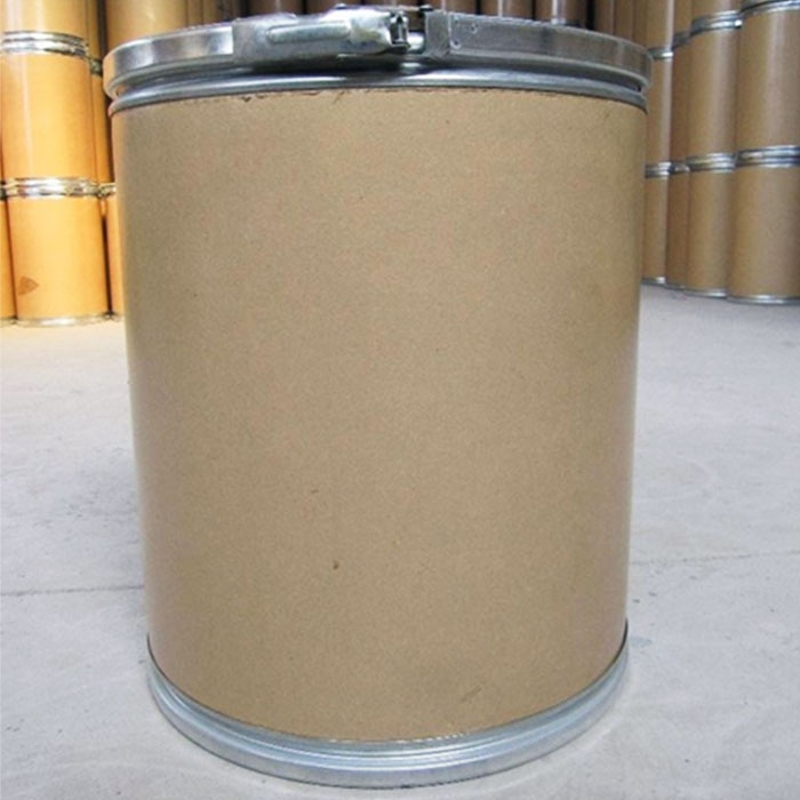
25kg

Price valid (until):

2027-12-22

Company Type:
Manufactory
Location:
China
Qualification:
Main Products:

Agrochemicals,Daily Chemicals,Catalysts & Chemical Auxiliary Agents,Extract,Inorganic Chemicals,Organic Intermediate

  • Product Description

  • Seller Information

  • Inquiry History

  • Description


      Calcium cyanamide, also known as calcium cyanamide, is a mixture of calcium cyanamide (CaCN2), calcium oxide (CaO), and other insoluble impurities. Pure product is colorless crystals. Industrial calcium cyanamide typically contains 20% nitrogen (N), 58%-60% calcium cyanamide, 20%-28% calcium oxide, 9%-12% free carbon, less than 0.2% calcium carbide (CaC2), less than 1.2% free cyanamide (maximum limit), and small amounts of silicon, aluminum, and iron. It appears as a dark gray/black gray powder or granules with an odor of calcium carbide or ammonia. It hydrolyzes in water to form monocyanamide and calcium hydroxide and is insoluble in alcohol. Calcium cyanamide is insoluble in water and is a strongly alkaline, slow-release nitrogen fertilizer. It has systemic toxic effects, particularly on the vasomotor and respiratory centers and the blood, leading to autonomic neurasthenia and dysfunction of endocrine organs and basal metabolism. Acute poisoning may cause organic neurological disorders, limb weakness, and subsequent polyneuritis. The lethal dose for humans is approximately 40-50g. Chronic poisoning often results in asthmatic bronchitis and bronchial asthma, chronic gastritis and hepatitis, low blood pressure, myocardial dystrophy, sexual dysfunction, thyroid and adrenal dysfunction, dry, itchy skin, and dermatitis. Contact with the eyes can cause purulent conjunctivitis, corneal ulcers, and clouding. Emergency treatment is to remain still. For ocular mucosal injuries, rinse thoroughly with water or saline, then apply 1% novocaine solution to the eye. For acute dermatitis, apply a wet bandage made of lead water and apply a tight compress. For minor burns, apply a 1%-2% alcohol solution of gentian violet, methylene blue, or brilliant green to the affected area. Minor injuries can be treated with tincture of iodine, furazolidone, and antiseptic adhesive tape. Workers should wear work clothes made of dense fabric, gloves, protective glasses, and masks. Apply a non-irritating fatty ointment to the skin of your hands first. Strictly observe personal hygiene measures. The chemically pure product is a colorless hexagonal crystal. The industrial product is a dark gray powder due to impurities such as carbon (graphite). It has an odor of calcium carbide or ammonia and is insoluble in water. Uses: Calcium cyanamide is used as a carburizing agent, a desulfurizer for pig iron, and in the manufacture of sodium cyanide, cyanamide, dicyandiamide, and melamine. It is also used as a defoliant or herbicide. Calcium cyanamide, also known as lime nitrogen, calcium carbonitride, or calcium cyanamide, is primarily used in the production of carbendazim, benomyl, and the intermediate monocyanamide in pesticides. As a fertilizer, due to its strong alkalinity, calcium cyanamide is suitable for acidic soils and is generally used as a base fertilizer. When in contact with water, it initially forms cyanamide, which is toxic to plants, but quickly converts to ammonia. This toxicity causes plant leaves to fall off, leading to its use as a herbicide, fungicide, insecticide, and cotton defoliant. Calcium cyanamide is also used as a raw material in the production of plastics and explosives. It can also be used in steel nitriding, gold and silver ore processing, the removal of nitrogen oxides from exhaust gases, the removal of formaldehyde from wastewater, and as a corrosion inhibitor for brine. As a fertilizer, calcium cyanamide, due to its strong alkalinity, is suitable for acidic soils and is generally used as a base fertilizer. When it comes into contact with water, it initially forms cyanamide, which is toxic to plants, but quickly converts to ammonia. This toxic effect can cause plant leaves to fall off, leading to its use as a herbicide, fungicide, insecticide, and cotton defoliant. Industrially, it is used in steel nitriding, gold and silver ore processing, the removal of nitrogen oxides from exhaust gases, the removal of formaldehyde from wastewater, and as a corrosion inhibitor for brine. Calcium cyanamide can also be used as a raw material in the production of plastics, pesticides, and explosives. It is used in the manufacture of cyanide compounds, fertilizers, and pesticides. It is an alkaline fertilizer and a major raw material for the highly effective, low-toxic pesticide carbendazim. It can be used as a herbicide, fungicide, and insecticide to prevent the spread of schistosomiasis, root rot, rust, and white mold, and to kill snails and leeches. It can also be used as a cotton defoliant and soil conditioner. It is a basic raw material in the organic synthesis and plastics industries, and can be used in the production of dicyandiamide, melamine, and cyanide melt.


    Calcium cyanamide, also known as calcium cyanamide, is a mixture of calcium cyanamide (CaCN2), calcium oxide (CaO), and other insoluble impurities. Pure product is colorless crystals. Industrial calcium cyanamide typically contains 20% nitrogen (N), 58%-60% calcium cyanamide, 20%-28% calcium oxide, 9%-12% free carbon, less than 0.2% calcium carbide (CaC2), less than 1.2% free cyanamide (maximum limit), and small amounts of silicon, aluminum, and iron. It appears as a dark gray/black gray powder or granules with an odor of calcium carbide or ammonia. It hydrolyzes in water to form monocyanamide and calcium hydroxide and is insoluble in alcohol. Calcium cyanamide is insoluble in water and is a strongly alkaline, slow-release nitrogen fertilizer. It has systemic toxic effects, particularly on the vasomotor and respiratory centers and the blood, leading to autonomic neurasthenia and dysfunction of endocrine organs and basal metabolism. Acute poisoning may cause organic neurological disorders, limb weakness, and subsequent polyneuritis. The lethal dose for humans is approximately 40-50g. Chronic poisoning often results in asthmatic bronchitis and bronchial asthma, chronic gastritis and hepatitis, low blood pressure, myocardial dystrophy, sexual dysfunction, thyroid and adrenal dysfunction, dry, itchy skin, and dermatitis. Contact with the eyes can cause purulent conjunctivitis, corneal ulcers, and clouding. Emergency treatment is to remain still. For ocular mucosal injuries, rinse thoroughly with water or saline, then apply 1% novocaine solution to the eye. For acute dermatitis, apply a wet bandage made of lead water and apply a tight compress. For minor burns, apply a 1%-2% alcohol solution of gentian violet, methylene blue, or brilliant green to the affected area. Minor injuries can be treated with tincture of iodine, furazolidone, and antiseptic adhesive tape. Workers should wear work clothes made of dense fabric, gloves, protective glasses, and masks. Apply a non-irritating fatty ointment to the skin of your hands first. Strictly observe personal hygiene measures. The chemically pure product is a colorless hexagonal crystal. The industrial product is a dark gray powder due to impurities such as carbon (graphite). It has an odor of calcium carbide or ammonia and is insoluble in water. Uses: Calcium cyanamide is used as a carburizing agent, a desulfurizer for pig iron, and in the manufacture of sodium cyanide, cyanamide, dicyandiamide, and melamine. It is also used as a defoliant or herbicide. Calcium cyanamide, also known as lime nitrogen, calcium carbonitride, or calcium cyanamide, is primarily used in the production of carbendazim, benomyl, and the intermediate monocyanamide in pesticides. As a fertilizer, due to its strong alkalinity, calcium cyanamide is suitable for acidic soils and is generally used as a base fertilizer. When in contact with water, it initially forms cyanamide, which is toxic to plants, but quickly converts to ammonia. This toxicity causes plant leaves to fall off, leading to its use as a herbicide, fungicide, insecticide, and cotton defoliant. Calcium cyanamide is also used as a raw material in the production of plastics and explosives. It can also be used in steel nitriding, gold and silver ore processing, the removal of nitrogen oxides from exhaust gases, the removal of formaldehyde from wastewater, and as a corrosion inhibitor for brine. As a fertilizer, calcium cyanamide, due to its strong alkalinity, is suitable for acidic soils and is generally used as a base fertilizer. When it comes into contact with water, it initially forms cyanamide, which is toxic to plants, but quickly converts to ammonia. This toxic effect can cause plant leaves to fall off, leading to its use as a herbicide, fungicide, insecticide, and cotton defoliant. Industrially, it is used in steel nitriding, gold and silver ore processing, the removal of nitrogen oxides from exhaust gases, the removal of formaldehyde from wastewater, and as a corrosion inhibitor for brine. Calcium cyanamide can also be used as a raw material in the production of plastics, pesticides, and explosives. It is used in the manufacture of cyanide compounds, fertilizers, and pesticides. It is an alkaline fertilizer and a major raw material for the highly effective, low-toxic pesticide carbendazim. It can be used as a herbicide, fungicide, and insecticide to prevent the spread of schistosomiasis, root rot, rust, and white mold, and to kill snails and leeches. It can also be used as a cotton defoliant and soil conditioner. It is a basic raw material in the organic synthesis and plastics industries, and can be used in the production of dicyandiamide, melamine, and cyanide melt.

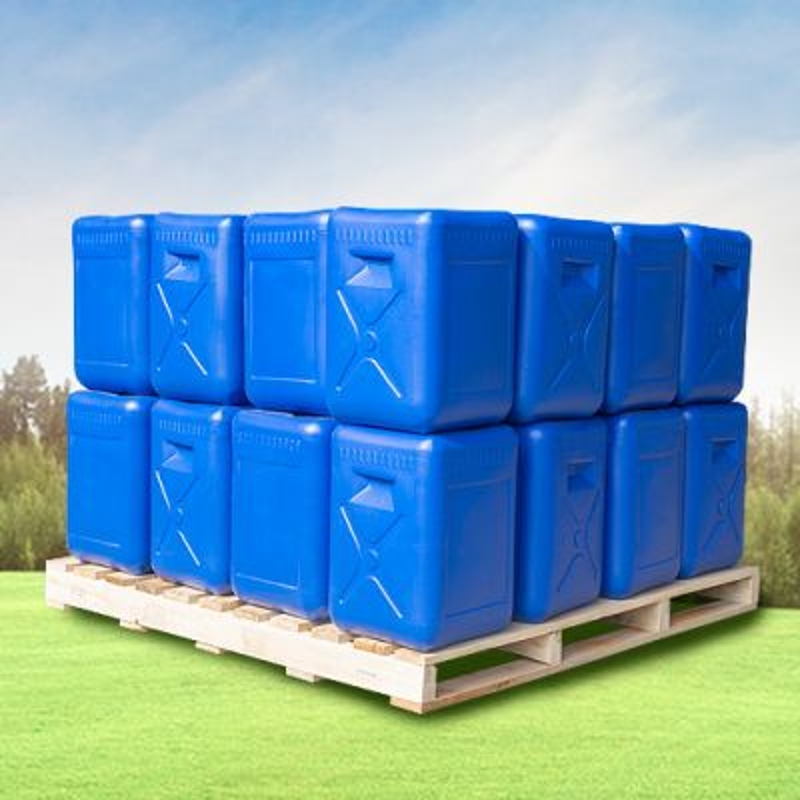
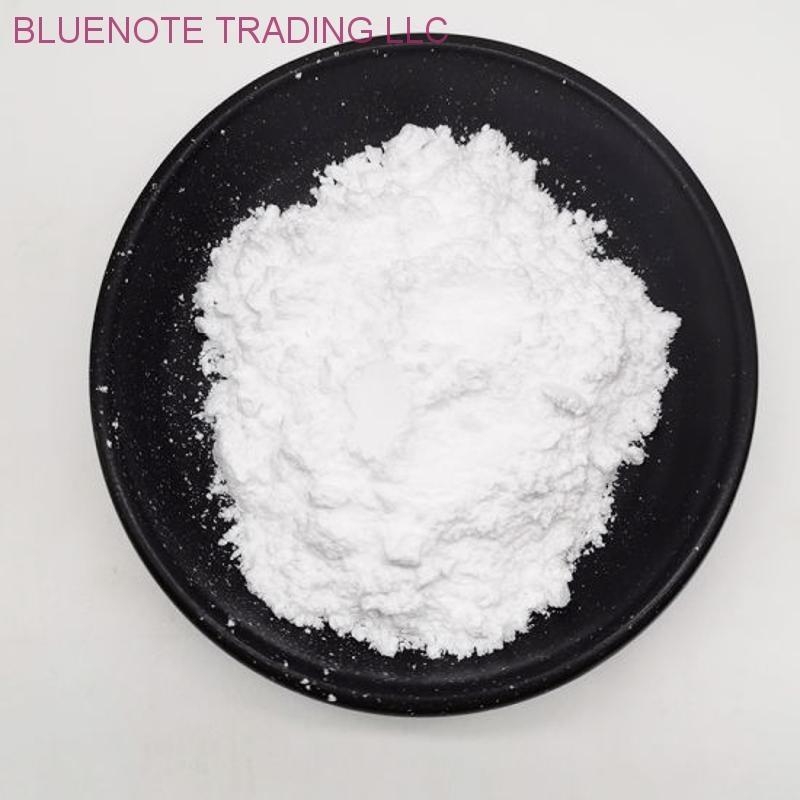
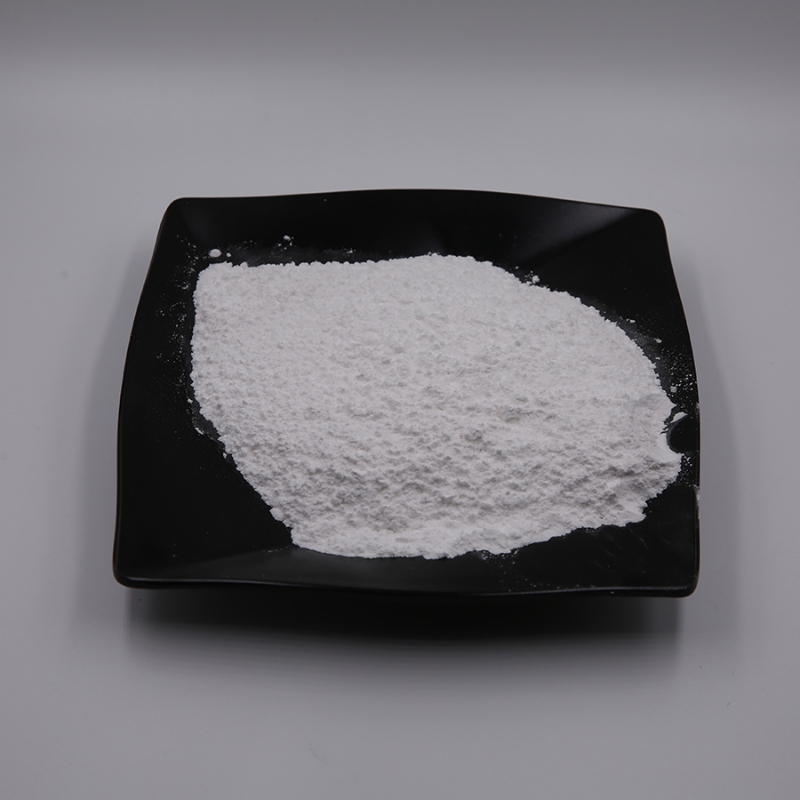
    Shop Calcium cyanamide 156-62-7-Detailed Image 1 Shop Calcium cyanamide 156-62-7-Detailed Image 2 Shop Calcium cyanamide 156-62-7-Detailed Image 3 Shop Calcium cyanamide 156-62-7-Detailed Image 4 Shop Calcium cyanamide 156-62-7-Detailed Image 5 Shop Calcium cyanamide 156-62-7-Detailed Image 6

    Items Specifications
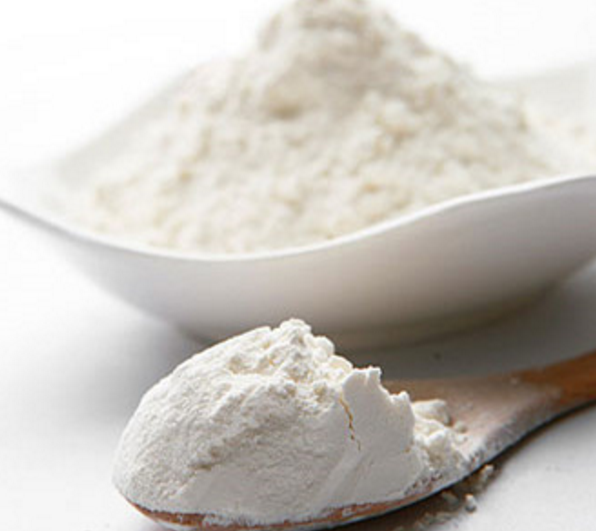
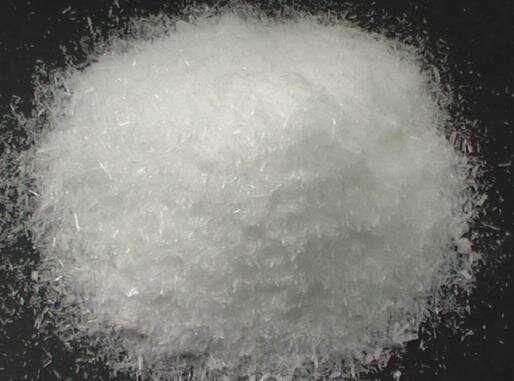
    appearance white powder
    purity 65


    Certificates

    Basic Info
    Product Name:

    Calcium cyanamide

    Other Name:

    Cyanamide,calcium salt (1:1);Calcium cyanamide;Calcium carbimide;Cyanamid;Lime nitrogen;Nitrogen lime;Nitrolim;Nitrolime;CCC;Alzodef;Cy-L 500;Calcium cyanamide (CaCN2);Perlka;Cyanoiminocalcium;1015936-91-0;1202864-94-5;1203558-43-3;1215336-73-4;2195408-26-3

    CAS No.:

    156-62-7

    Molecular Formula:

    CH2N2.Ca

    InChIKeys:

    InChIKey=LHQWDZSUXOBDOJ-UHFFFAOYSA-N

    Molecular Weight:

    80.1

    Exact Mass:

    186.06808

    EC Number:

    205-861-8

    HScode:

    3102901000

    Categories:

    Inorganic Salts

    Characteristics
    PSA:

    26.3

    XLogP3:

    0.20038

    Appearance:

    Gray to dark gray Powder

    Density:

    2.29 g/cm3 @ Temp: 20 °C

    Melting Point:

    1340 °C

    Boiling Point:

    258.5ºC at 760 mmHg

    Flash Point:

    42.1ºC

    Toxicity:

    Oral-Rat  LD50: 158 mg/kg; Oral-Mouse LD50: 334 mg/kg

    Flammability characteristics:

    Toxic ammonia and acetylene gas are flammable when exposed to water, moist air, and acid; thermal decomposition releases toxic nitrogen oxides and cyanide fumes

    Hazard Identification

    Classification of the substance or mixture

    Acute toxicity - Category 4, Oral

    Serious eye damage, Category 1

    Specific target organ toxicity – single exposure, Category 3

    GHS label elements, including precautionary statements

    Pictogram(s)

    Signal word

    Danger

    Hazard statement(s)

    H302 Harmful if swallowed

    H318 Causes serious eye damage

    H335 May cause respiratory irritation

    Precautionary statement(s)
    Prevention

    P264 Wash ... thoroughly after handling.

    P270 Do not eat, drink or smoke when using this product.

    P280 Wear protective gloves/protective clothing/eye protection/face protection/hearing protection/...

    P261 Avoid breathing dust/fume/gas/mist/vapours/spray.

    P271 Use only outdoors or in a well-ventilated area.

    Response

    P301+P317 IF SWALLOWED: Get medical help.

    P330 Rinse mouth.

    P305+P354+P338 IF IN EYES: Immediately rinse with water for several minutes. Remove contact lenses, if present and easy to do. Continue rinsing.

    P317 Get medical help.

    P304+P340 IF INHALED: Remove person to fresh air and keep comfortable for breathing.

    P319 Get medical help if you feel unwell.

    Storage

    P403+P233 Store in a well-ventilated place. Keep container tightly closed.

    P405 Store locked up.

    Disposal

    P501 Dispose of contents/container to an appropriate treatment and disposal facility in accordance with applicable laws and regulations, and product characteristics at time of disposal.

    Other hazards which do not result in classification

    no data available

    Handling and Storage

    Precautions for safe handling

    NO contact with water. Handling in a well ventilated place. Wear suitable protective clothing. Avoid contact with skin and eyes. Avoid formation of dust and aerosols. Use non-sparking tools. Prevent fire caused by electrostatic discharge steam.

    Conditions for safe storage, including any incompatibilities

    Keep in a well-ventilated room. Dry. Well closed. Separated from food and feedstuffs.

  • Seller Information
    Business Type:

    Manufactory

    Main Products:

    Agrochemicals,Daily Chemicals,Catalysts & Chemical Auxiliary Agents,Extract,Inorganic Chemicals,Organic Intermediate

    Location:

    hisense intelligence valley,no 2116,of phoenix road

    Payment Terms:

    TT against copy of documents,D/P,L/C

    Average lead Time:

    7

    Total Annual Revenue:

    Less than $1 million

    Total Employees:

    11-50

    Year of Establishment:

    2017

     SHANDONG LOOK CHEMICAL CO.LTD, a new chemical enterprise in researching, manufacturing and supplying of chemicals located in beautiful “Spring City”-Jinan.Our company mainly working on the researching new-born APIs, intermediate ( especially Carbohydrate derivatives series). Meanwhile, we made huge breakthrough in industries of food, feed additives, cosmetics ,dye and industrial chemicals. Our company enjoyed great reputation both domestic and abroad under the belief of “Integrity management,Quality controlling and Customer orientation”.  Web : www.chinalookchemical.com 

        We had been cooperated with NingXia University and Shandong University on more than ten projects for years and which had been in mass production on the market. We now have more than 80 people in our team and built research center in Jinan and Ningxia. Our manufacturing site allocated in chemical industry parks of Zhangqiu, Heze, Dezhou and Ningxia Fine Chemical Park. We strictly complying with ISO9001 and ISO 2000 standard in manufacturing process, our lab and workshop tightly in accordance with GMP standard.Our products best selling in Europe, South and North America,Asia pacific area and Africa. We sincerely welcome new and regular customers around the world visit us for business negotiation.

  • Inquiry History
    5 Inquiries
    Country Product Purchase Quantity Date Posted
    Kazakstan

    Calcium cyanamide

    300 MT Jun 8, 2026
    India

    Calcium Cyanmide

    10 MT Sep 30, 2025
    India

    Calcium Cyanamide

    9200 KG Mar 15, 2024
    India

    Calcium cyanamide

    20 MT Oct 3, 2025
    India

    Calcium Cyanamide granular

    10 MT Sep 22, 2025
    Post an enquiry for this product

pic ×

Scan the QR Code to Share

All products displayed on this website are only for non-medical purposes such as industrial applications or scientific research, and cannot be used for clinical diagnosis or treatment of humans or animals. They are not medicinal or edible.

According to relevant laws and regulations and the regulations of this website, units or individuals who purchase hazardous materials should obtain valid qualifications and qualification conditions.

The information shown above is provided by the enterprise itself, and the authenticity, accuracy and legitimacy of the content are the responsibility of the publishing company. ECHEMI does not bear any guarantee responsibility for this. Please be aware that risks in internet transactions objectively exist.

Feedback & Suggestions
Send Message

Thank you for your feedback. If you require further assistance, please contact us by email at info@echemi.com or call us at +86-532-55729510.