Name | Graphene oxide |
CAS No. | 2640657-49-2 |
Description | Graphene oxide (GO) is oxygen-functionalized graphene. It is a 2D material with a hexagonal lattice of carbon atoms, derived from oxidized graphite. GO has unique properties including easy dispersion in polar solvents and tunable electrical and optical features. GO is now commercially available and can be further modified for a wide range of applications, from optoelectronics to water purification. For these reasons, GO opens up new possibilities in material science and nanotechnology, promising revolutionary advances across various industries. |
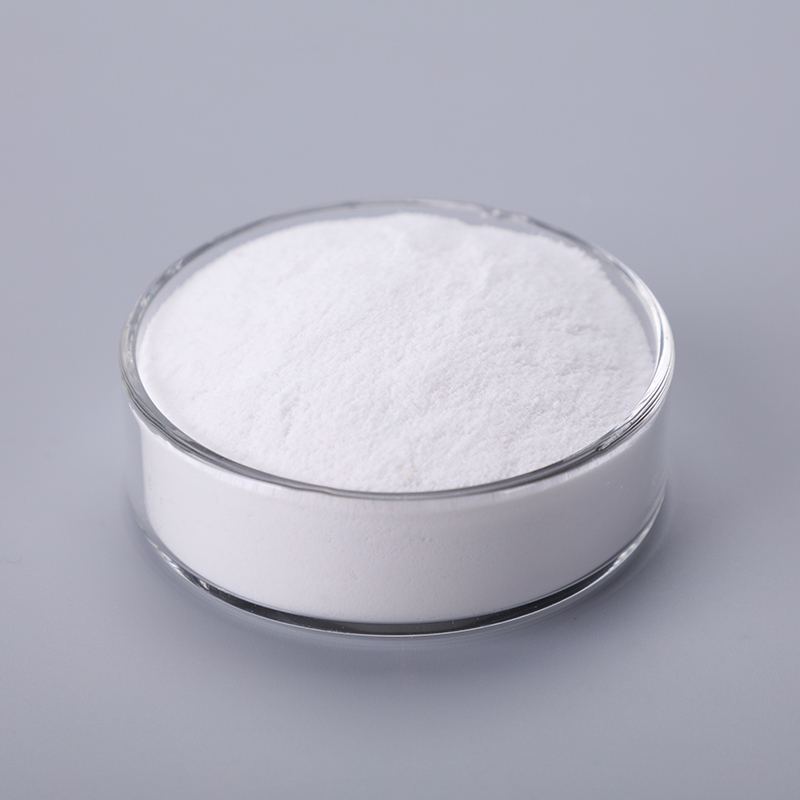
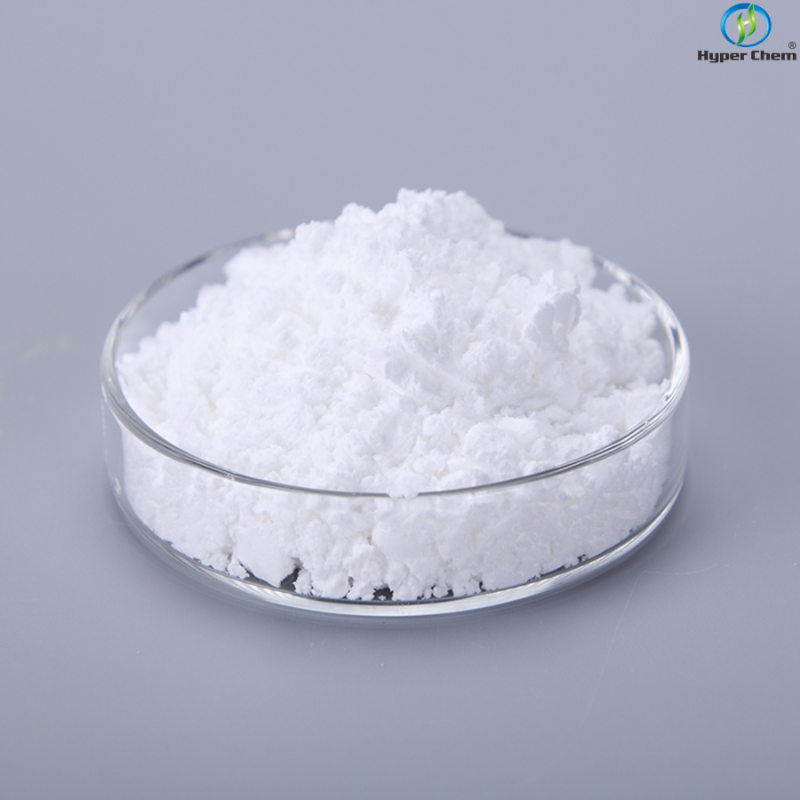
Appearance | Solid powder |
Quality Standard | USP, EP, BP, CP |
Shipping Condition | Shipped under ambient temperature as non-hazardous chemical. This product is stable enough for a few weeks during ordinary shipping and time spent in Customs. |
Storage Condition | Dry, dark and at 0 - 4 ℃ for short term (days to weeks) or -20 ℃ for long term (months to years). |
Shelf Life | >2 years if stored properly |
Sample package | Aluminium foil bag |
Commercial package | Aluminium Tin, Fiber drum |
Origin | China |
Graphene oxide More Info
Graphene oxide (GO) is a single-layer or few-layer oxidized derivative of graphene, featuring oxygen-containing functional groups (hydroxyl, epoxy, carboxyl) on its surface. As a versatile chemical intermediate and functional material, it’s widely used across industries, with strong demand in global chemical trade.
Key Properties
Structure & Form: Thin, flexible sheet-like structure; typically supplied as powder, aqueous dispersion, or film.
Solubility: Easily dispersible in water and polar solvents (e.g., ethanol, NMP) – a key advantage over pristine graphene for processing.
Chemical Reactivity: Functional groups enable easy modification (e.g., reduction to reduced graphene oxide/rGO, grafting with polymers) for tailored properties.
Physical Traits: High surface area, good mechanical strength, and excellent thermal/electrical conductivity (enhanced after reduction).
Main Applications (High-Demand Sectors)
Composite Materials: Reinforcing agent for polymers, resins, rubber, and coatings (improves strength, barrier properties, and conductivity). Used in automotive parts, aerospace components, and anti-corrosion coatings.
Electronics & Energy: Electrode material for batteries (lithium-ion, supercapacitors), sensors, and flexible electronics (after reduction to rGO).
Biomedical & Water Treatment: Drug delivery carriers, biosensors, and adsorbents for heavy metal ions/wastewater purification (due to biocompatibility and high adsorption capacity).
Coatings & Adhesives: Antistatic, antibacterial, or barrier coatings for packaging, textiles, and industrial surfaces.
Trade & Technical Specifications
Purity: Typically 99.0%+ (metal impurities <100 ppm for high-end applications).
Layer Count: 1–5 layers (critical for performance; tested via AFM/TEM).
Dispersion Concentration: 0.5–5.0 wt% (aqueous or solvent-based, stable for 6+ months).
Particle Size: 0.5–5 μm (customizable for specific uses like composites or coatings).
Key Standards: Complies with ISO, ASTM, or REACH (EU) regulations; RoHS-compliant for electronics.
Market Trends
Growing Demand: Driven by electronics (EV batteries, supercapacitors) and composite materials – global market expected to reach $3.5B by 2028.
Regional Hotspots: Major consumers include China, the US, Germany, and South Korea; Asia-Pacific leads in production and demand.
Price Range: $50–$500/kg (varies by purity, layer count, and form; bulk orders for industrial use offer lower prices).
Key Suppliers: BASF, XFNANO, Graphenea, and Chinese manufacturers (e.g., Ningbo Morsh, Suzhou Tanfeng).
Trade Notes
Packaging: Powder supplied in vacuum-sealed aluminum foil bags (10g–1kg); dispersions in HDPE bottles (1L–20L) or IBC tanks (for bulk).
Storage: Store in cool, dry conditions (avoid direct sunlight); dispersions require gentle agitation before use.
Regulations: REACH (EU) and TSCA (US) list GO as a non-hazardous chemical, but proper labeling for transportation (UN3077 for aqueous dispersions) is required.