Product
Supplier
Encyclopedia
Inquiry
raw material Phytic acid buy - large image1
raw material Phytic acid buy - image1

raw material Phytic acid

4 Inquiries

Unit Price: Get Latest Price
CAS No.:

83-86-3

Grade:

Pharmaceutical Grade

Content:

99%

Port:

shanghai

Brand:

Hyper Chem

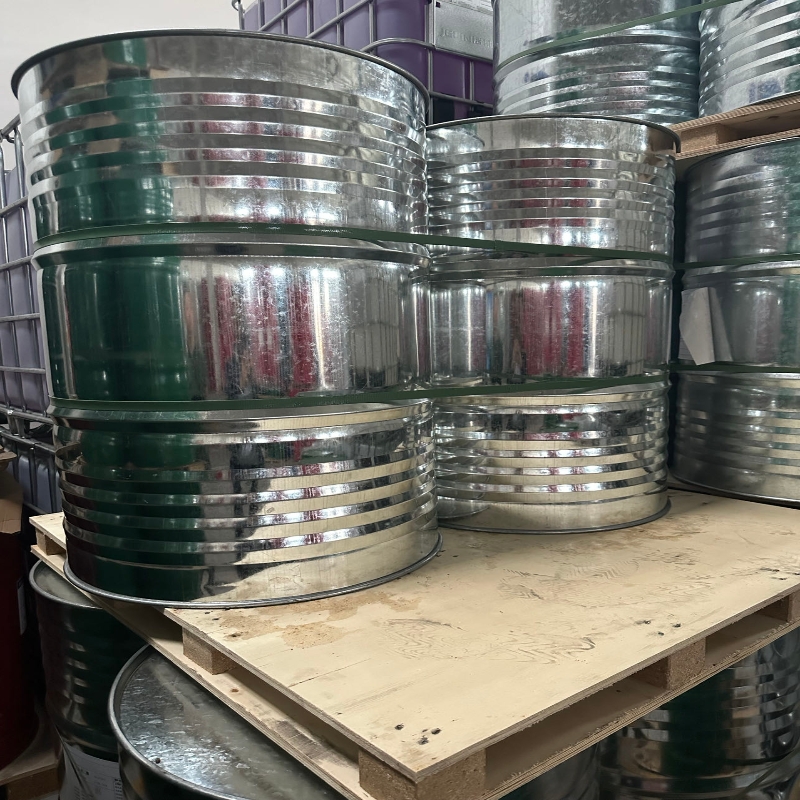
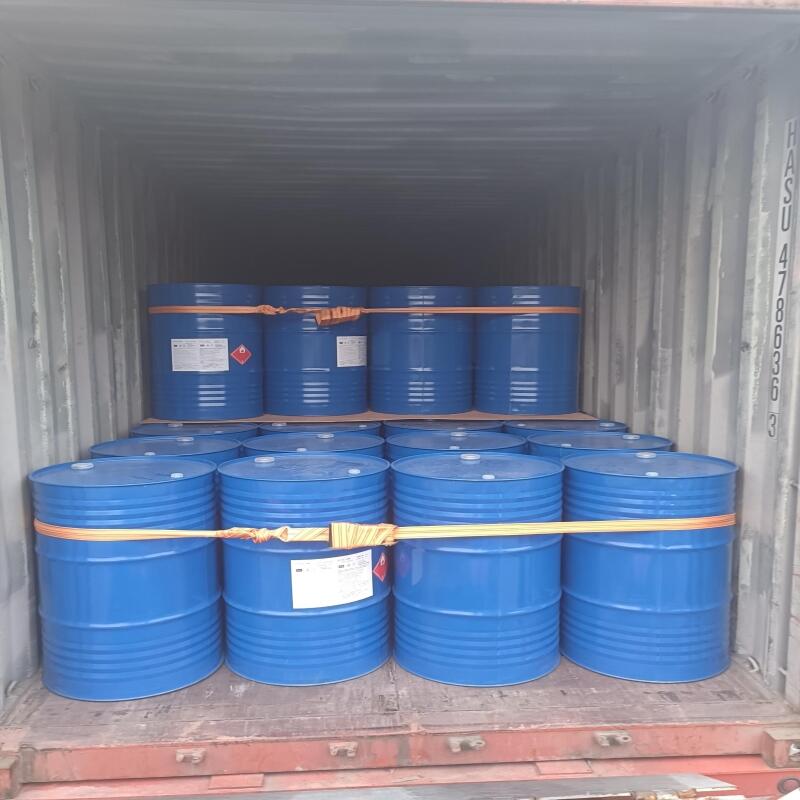
Packaging:

20kg/Drum 25kg/Drum

Price valid (until):

2026-03-03

Company Type:
Trader
Location:
China
Qualification:
Main Products:

Pharmaceuticals,Peptide,Cosmetics,Nutritional Supplements

  • Product Description

  • Seller Information

  • Inquiry History

  • Description

    Name

    Phytic acid

    CAS number

    83-86-3

    Description

    Phytic acid is a six-fold dihydrogenphosphate ester of inositol (specifically, of the myo isomer), also called inositol hexaphosphate, inositol hexakisphosphate (IP6) or inositol polyphosphate. At physiological pH, the phosphates are partially ionized, resulting in the phytate anion.

    The (myo) phytate anion is a colorless species that has significant nutritional role as the principal storage form of phosphorus in many plant tissues, especially bran and seeds. It is also present in many legumes, cereals, and grains. Phytic acid and phytate have a strong binding affinity to the dietary minerals calcium, iron, and zinc, inhibiting their absorption in the small intestine.

    The lower inositol polyphosphates are inositol esters with less than six phosphates, such as inositol penta- (IP5), tetra- (IP4), and triphosphate (IP3). These occur in nature as catabolites of phytic acid.

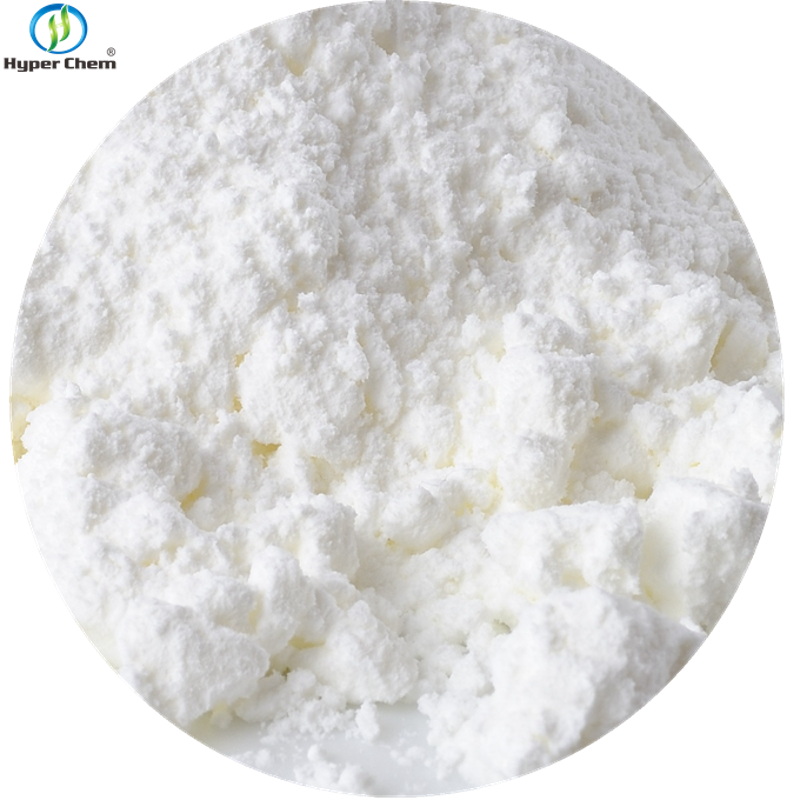
    Appearance

    Solid powder

    Quality Standard

    USP, EP, BP, CP

    Shipping Condition

    Shipped under ambient temperature as non-hazardous chemical. This product is stable enough for a few weeks during ordinary shipping and time spent in Customs.

    Storage Condition

    Dry, dark and at 0 - 4 for short term (days to weeks) or -20 for long term (months to years).

    Shelf Life

    >2 years if stored properly

    Sample package

    Aluminium foil bag

    Commercial package

    Aluminium Tin, Fiber drum

    Origin

    China


    Phytic acid More Info

    Phytic acid, also known as inositol hexaphosphate (IP6) or inositol hexakisphosphate, is a natural organic phosphorus-containing compound and the principal storage form of phosphorus in plant seeds, grains, legumes, nuts, and oilseeds (e.g., wheat, rice, corn, soybeans, peanuts). It is a cyclic compound with a six-carbon inositol ring as the core, each carbon atom bonded to a phosphate group, with the chemical formula C₆H₁₈O₂₄P₆ and a molecular weight of 660.04 g/mol.

    Basic Properties

    Physical properties: It is a colorless to pale yellow syrupy liquid in its pure form, highly soluble in water, ethanol, and propylene glycol, and insoluble in non-polar organic solvents such as ether and benzene. It has strong hygroscopy and is stable under acidic conditions but prone to hydrolysis under alkaline or high-temperature conditions, breaking down into lower inositol phosphates (IP1-IP5) and free phosphate ions.

    Chemical properties: It is a strong chelating agent with six phosphate groups that can form stable insoluble complexes (phytic acid salts) with divalent and trivalent metal cations (e.g., Ca²⁺, Fe³⁺, Zn²⁺, Mg²⁺, Cu²⁺). This chelating property is its most characteristic chemical feature and the basis for its biological and industrial applications, as well as its impact on human nutrition.

    Natural Occurrence

    Phytic acid is widely distributed in plant tissues, mainly concentrated in the aleurone layer, bran, and germ of cereal grains and the cotyledons of legumes. The content varies by plant species: for example, soybeans contain 1–2% phytic acid, wheat bran 4–8%, and rice bran 2–5%. It is synthesized by plants during seed development as an energy and phosphorus reserve, and is decomposed by phytase (a specific enzyme) during germination to release phosphorus and inositol for seedling growth.

    Biological Functions & Nutritional Impacts

    1. In plants

    It acts as a key phosphorus and energy storage molecule, and also plays a role in stress resistance (e.g., resisting insect pests and oxidative stress) and regulating ion homeostasis in plant cells.

    2. In humans and animals

    Anti-nutritional effect (primary concern): In monogastric animals (humans, pigs, chickens) that lack endogenous phytase, undigested phytic acid in the digestive tract chelates essential mineral ions, reducing their intestinal absorption (e.g., iron, zinc, calcium deficiency risk). It also binds to proteins and starch, inhibiting the activity of digestive enzymes (e.g., pepsin, amylase), thus reducing the digestibility of proteins and carbohydrates.

    Potential health benefits: At appropriate doses, phytic acid exhibits antioxidant, anti-inflammatory, and anti-cancer properties in the human body. Its phosphate groups can scavenge free radicals (e.g., reactive oxygen species) to reduce oxidative damage to cells; it also inhibits the proliferation of certain cancer cells and regulates blood sugar and lipid metabolism by interfering with nutrient absorption. For ruminant animals (cows, sheep), microbial phytase in the rumen decomposes phytic acid, so its anti-nutritional effect is negligible.

    Industrial & Agricultural Applications

    Leveraging its chelating, antioxidant, and metal corrosion inhibition properties, phytic acid is widely used in multiple fields with non-toxic and biodegradable advantages:

    Food industry: As a natural antioxidant (to prevent lipid oxidation in meat, oil, and seafood), preservative, and metal ion chelator (to prevent food discoloration caused by metal ions, e.g., browning of fruits and vegetables). It is also used as a phosphate source in functional foods.

    Cosmetics industry: As a chelating agent and antioxidant in skin care products, it can inhibit tyrosinase activity (to lighten spots) and protect the skin from oxidative damage; it also has a moisturizing effect.

    Metal surface treatment: As a green corrosion inhibitor and passivating agent for metals (e.g., steel, aluminum, copper), it forms a dense, insoluble phytic acid salt film on the metal surface to prevent corrosion, replacing traditional toxic chromate passivators.

    Agriculture: As a feed additive (combined with phytase to degrade phytic acid in feed, improve mineral and protein utilization, and reduce phosphorus pollution from animal manure); it is also used as a plant growth regulator and pesticide synergist.

    Other fields: Used in water treatment (chelating heavy metal ions), textile printing and dyeing (as a chelating agent to improve dyeing effect), and paper industry (as an antioxidant and sizing agent).

    Phytase & Phytic Acid Degradation

    To mitigate the anti-nutritional effect of phytic acid in food and feed, phytase (a hydrolase that specifically catalyzes phytic acid hydrolysis) is widely used. Phytase can be extracted from microorganisms (Aspergillus niger, yeast), plants, or animals, and is added to cereal-based foods and animal feed to decompose phytic acid into absorbable inositol and phosphate ions, improving nutrient utilization. In agricultural breeding, low-phytic acid crop varieties (e.g., low-phytic acid corn, soybeans) are also developed through genetic engineering to reduce the anti-nutritional effect.

    Safety

    Phytic acid is generally recognized as safe (GRAS) by the FDA and other food regulatory agencies. It has low toxicity in humans, with no adverse effects at normal dietary intake levels. Excessive intake may cause mild gastrointestinal discomfort and reduced mineral absorption, but this risk is extremely low in a balanced diet. For populations with mineral deficiency (e.g., iron-deficiency anemia, zinc deficiency), it is recommended to properly process food (e.g., soaking, cooking, fermenting—fermentation by microorganisms produces phytase to degrade phytic acid) to reduce phytic acid content.


    Shop raw material Phytic acid-Detailed Image 1

    Basic Info
    Product Name:

    Phytic acid

    Other Name:

    myo-Inositol,1,2,3,4,5,6-hexakis(dihydrogen phosphate);Inositol,hexakis(dihydrogen phosphate),myo-;myo-Inositol,hexakis(dihydrogen phosphate);Fytic acid;Phytic acid;myo-Inositol hexaphosphate;Inositol hexakis(phosphate);Inositol hexaphosphate;Alkalovert;myo-Inositol hexakis(phosphate);IP6;meso-Inositol hexaphosphate;Inositol 1,2,3,4,5,6-hexakisphosphate;Phyliance;InsP6;Exfoderm Forte;Exfoderm;WHL;WHL (depressant);RP 3000;RP 3000 (rust inhibitor);Dermofeel PA 3;IP 6J;50762-79-3;78039-41-5;894854-44-5;1206549-44-1;1242436-18-5

    CAS No.:

    83-86-3

    Molecular Formula:

    C6H18O24P6

    InChIKeys:

    InChIKey=IMQLKJBTEOYOSI-GPIVLXJGNA-N

    Molecular Weight:

    660.03500

    Exact Mass:

    660.04

    EC Number:

    201-506-6

    UNII:

    7IGF0S7R8I

    NSC Number:

    269896

    HScode:

    2919900090

    Characteristics
    PSA:

    459.42000

    XLogP3:

    -10.3

    Appearance:

    colourless to pale yellow liquid

    Density:

    1.285

    Melting Point:

    <25 °C

    Boiling Point:

    1190.666ºC at 760 mmHg

    Flash Point:

    673.9±37.1 °C

    Refractive Index:

    1.391

    Water Solubility:

    Micible with water.

    Storage Conditions:

    Refrigerator

    Toxicity:

    LD50 intravenous in mouse: 500mg/kg

    Collision Cross Section:

    193.29 Ų [M-H]- [CCS Type: DT, Method: single field calibrated with Agilent tune mix (Agilent)]|215.8 Ų [M+H]+ [CCS Type: DT, Method: single field calibrated with ESI Low Concentration Tuning Mix (Agilent)]|195.4 Ų [M-H]- [CCS Type: DT, Method: single field calibrated with ESI Low Concentration Tuning Mix (Agilent)]|201.3 Ų [M+Na-2H]- [CCS Type: DT, Method: single field calibrated with ESI Low Concentration Tuning Mix (Agilent)]

    Hazard Identification

    Classification of the substance or mixture

    Corrosive to metals, Category 1

    Acute toxicity - Category 4, Oral

    Skin corrosion, Category 1

    Serious eye damage, Category 1

    GHS label elements, including precautionary statements

    Pictogram(s)

    Signal word

    Danger

    Hazard statement(s)

    H290 May be corrosive to metals

    H302 Harmful if swallowed

    H314 Causes severe skin burns and eye damage

    H318 Causes serious eye damage

    Precautionary statement(s)
    Prevention

    P234 Keep only in original packaging.

    P264 Wash ... thoroughly after handling.

    P270 Do not eat, drink or smoke when using this product.

    P260 Do not breathe dust/fume/gas/mist/vapours/spray.

    P280 Wear protective gloves/protective clothing/eye protection/face protection/hearing protection/...

    Response

    P390 Absorb spillage to prevent material damage.

    P301+P317 IF SWALLOWED: Get medical help.

    P330 Rinse mouth.

    P301+P330+P331 IF SWALLOWED: Rinse mouth. Do NOT induce vomiting.

    P363 Wash contaminated clothing before reuse.

    P304+P340 IF INHALED: Remove person to fresh air and keep comfortable for breathing.

    P316 Get emergency medical help immediately.

    P321 Specific treatment (see ... on this label).

    P305+P351+P338 IF IN EYES: Rinse cautiously with water for several minutes. Remove contact lenses, if present and easy to do. Continue rinsing.

    P305+P354+P338 IF IN EYES: Immediately rinse with water for several minutes. Remove contact lenses, if present and easy to do. Continue rinsing.

    P317 Get medical help.

    Storage

    P406 Store in a corrosion resistant/...container with a resistant inner liner.

    P405 Store locked up.

    Disposal

    P501 Dispose of contents/container to an appropriate treatment and disposal facility in accordance with applicable laws and regulations, and product characteristics at time of disposal.

    Other hazards which do not result in classification

    no data available

    Handling and Storage

    Precautions for safe handling

    Handling in a well ventilated place. Wear suitable protective clothing. Avoid contact with skin and eyes. Avoid formation of dust and aerosols. Use non-sparking tools. Prevent fire caused by electrostatic discharge steam.

    Conditions for safe storage, including any incompatibilities

    Store the container tightly closed in a dry, cool and well-ventilated place. Store apart from foodstuff containers or incompatible materials.

  • Seller Information
    Business Type:

    Trader

    Main Products:

    Pharmaceuticals,Peptide,Cosmetics,Nutritional Supplements

    Location:

    Rm. 803, Tower 4, LOFT49 Creative City Pioneer Zone, No.88 Jiru Rd. Gongshu Dist., Hangzhou, 310015 ZJ, China

    Payment Terms:

    TT against copy of documents,D/P,L/C,D/A,O/A,TT against B/L draft before shipment,100% TT in advance

    Average lead Time:

    10

    Total Annual Revenue:

    $5 million-$10 million

    Total Employees:

    11-50

    Year of Establishment:

    2013

    Certifications:

    Certification Report by Bureau Veritas

    About HyperChem

    Established in 2013, Hyper Chem has exclusive tie-ups with leading manufacturers, supplying raw materials produced in GMP and ISO 9002 certified facilities, and provides high-quality ingredients and raw materials to meet the needs of a diverse range of pharmaceutical cosmetics ingredients and nootropic supplements companies worldwide.

    Our Competitiveness

    One-stop supply

    Wide Range Of products including pharmaceutical, Cosmetic Ingredients and nootropic supplements

    Among all the pharmaceuticals,

    90% of them with GMP certificates,

    85% of them with DMF files and

    50% of them passed FDA approval,

    30% get CEP certificate

    20% are new R&D products.

    Custom Repackaging Service


    We can efficiently repackage your material into sample sizes, custom batch-specific sizes, or semi-bulk package sizes according to your specifications. And ensures the product is packaged in a quality-controlled environment and will maintain its integrity throughout every stage of the process.

    Quality Control/Quality Assurance


    HyperChem is committed to delivering on its promises of top-quality products with verified quality data.

    All materials are vigorously inspected by the factory and/or outsourced analytical laboratories to ensure each and every lot meets or exceeds our reference standards.

    Trade assurance service with 100% payment protection, It is best achieved by delivering products and services 100% right the first time, on time, every time.

    Professional

    Transparent Communication

    Fast Reaction,

    Professional Suggestion

    Beyond Expectation.

    We have exclusive partnerships with research and production facilities across the country and we offer varied pharmaceutical services in the most cost-efficient way. The production facilities are GMP, WHO-GMP, EU GMP and US FDA approved and are backed by strong regulatory support such as Dossier, DMF, Tech Pack and relevant Stability studies for regulatory filings.

  • Inquiry History
    4 Inquiries
    Country Product Purchase Quantity Date Posted
    Argentina

    Phytic Acid

    10000 KG Nov 1, 2024
    Mexico

    Photic Acid

    1 KG Feb 3, 2026
    Argentina

    Phytic Acid

    1 20' Fcl Dec 6, 2024
    United Arab Emirates

    Phytic acid

    1 KG Nov 29, 2023
    Post an enquiry for this product
pic ×

Scan the QR Code to Share

All products displayed on this website are only for non-medical purposes such as industrial applications or scientific research, and cannot be used for clinical diagnosis or treatment of humans or animals. They are not medicinal or edible.

According to relevant laws and regulations and the regulations of this website, units or individuals who purchase hazardous materials should obtain valid qualifications and qualification conditions.

The information shown above is provided by the enterprise itself, and the authenticity, accuracy and legitimacy of the content are the responsibility of the publishing company. ECHEMI does not bear any guarantee responsibility for this. Please be aware that risks in internet transactions objectively exist.

Feedback & Suggestions
Send Message

Thank you for your feedback. If you require further assistance, please contact us by email at info@echemi.com or call us at +86-532-55729510.